Elevate your local knowledge
Sign up for the iNFOnews newsletter today!
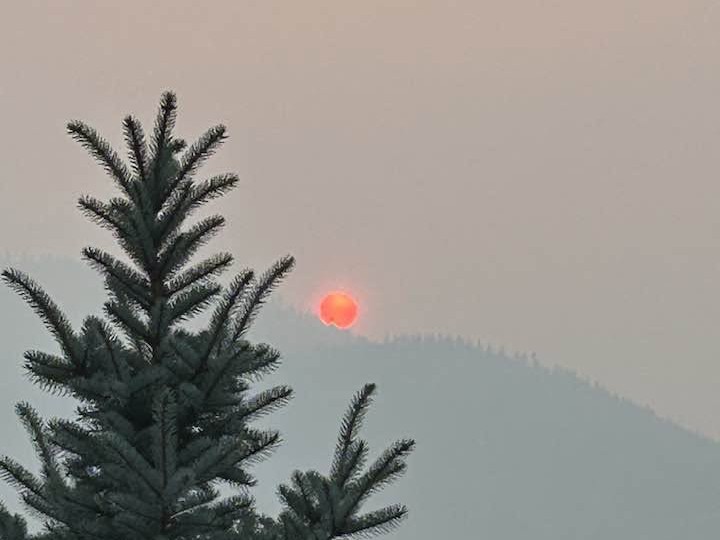
It’s hard to find the cautious middle ground between panic and apathy when people in Kamloops and the Okanagan see thick smoke in the sky and air quality alerts on their phone.
On July 23, the Southern Interior had worse air quality than some of the most polluted cities on the planet.
University of British Columbia’s Dr. Sarah Henderson, who specializes in wildfire smoke and public health, said focusing on “the worst air on Earth” isn’t a good way to frame the issue even though there is some evidence that wildfire smoke can be more toxic than other pollutants.
“It’s a goofy way to talk about it,” she said. “What often gets lost is that we’re talking about comparing ourselves to an environment like Delhi or Beijing or Tehran, some of the most highly polluted large cities in the world. It’s easy to forget that those large cities have that terrible air quality day in and day out.”
Kamloops has maxed out the air quality health index again today while much of the Okanagan has seen some improvement in the amount of smoke.
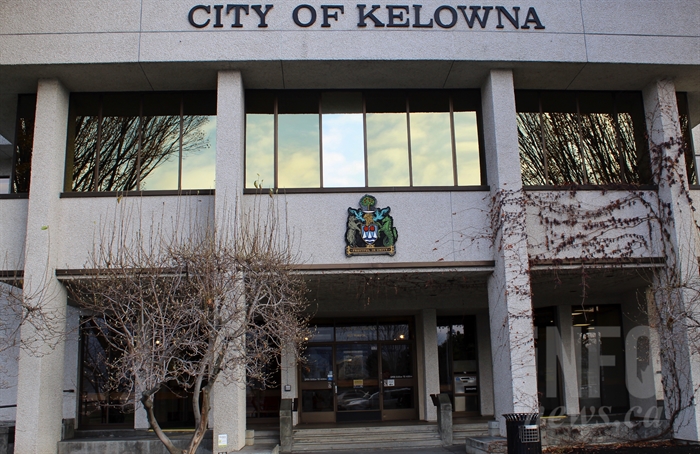
IQAir.com shows Kelowna’s air quality index at 155 while Delhi is at 107 and Beijing is at 92. Air quality indexes above 100 are unhealthy.
Henderson said comparing air quality during wildfires to persistent pollution isn’t helpful since wildfire smoke is a different beast.
“Sooner or later, the smoke’s going to clear and we’re going to go back to some of the most pristine air quality in the world. It’s not the way I like to frame things when I’m talking about smoke,” she said.
Regular pollution is persistent and predictable all year round while wildfire smoke conditions are temporary and change rapidly.
“Wildfire smoke is highly dynamic in both space and time. We know where cars are, we know where industry is, we always know where those emissions are going to be. Wildfire is a wild card,” she said.
Scientists could collect a sample of smoke from a certain wildfire and test it for toxins, do the same thing an hour later and get different results.
Henderson said wildfire smoke also goes through an aging process where it can become more toxic as it travels further.
“We are still learning a lot about the health effects of wildfire smoke, but it does seem that it may be more toxic than air pollution from other sources,” she said.
Henderson said it’s difficult to get people to take precautions for smoke without fearmongering.
“This is the line that I’ve been trying to ride for more than 20 years,” she said. “I want people to take smoke seriously as a potential threat to their health, and I don’t want them to panic about it.”
News from © iNFOnews.ca, . All rights reserved.
This material may not be published, broadcast, rewritten or redistributed.

This site is protected by reCAPTCHA and the Google Privacy Policy and Terms of Service apply.
Want to share your thoughts, add context, or connect with others in your community?
You must be logged in to post a comment.