Elevate your local knowledge
Sign up for the iNFOnews newsletter today!
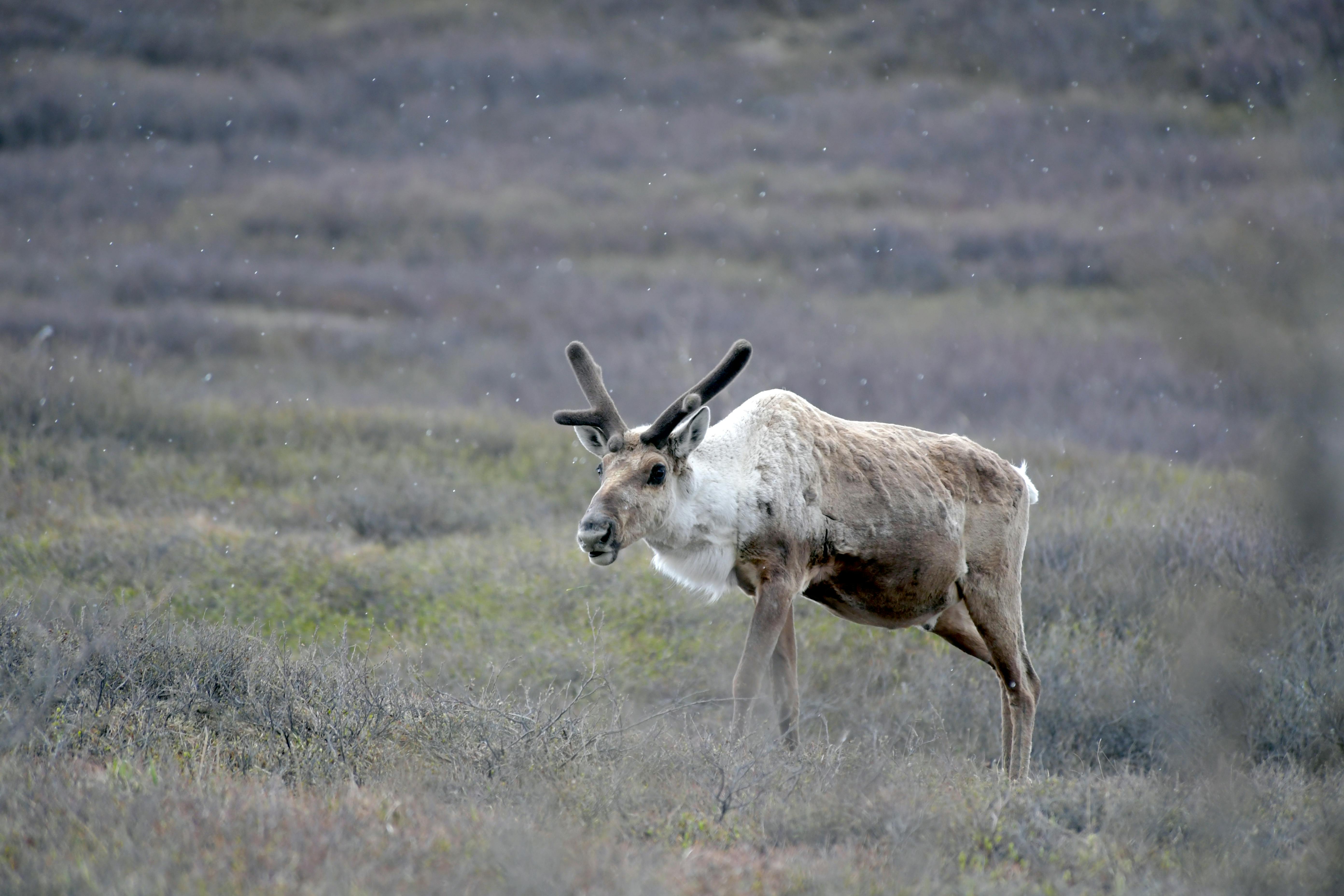
Southern BC’s caribou herds have been dying off for decades and First Nations are calling on governments to take action.
The Okanagan Nation Alliance said the federal government has delayed taking emergency measures, while forestry and industry threaten herd habitats.
“Every year governments delay meaningful habitat protection, we lose more of what cannot be replaced,” Okanagan Nation Alliance natural resource manager Cailyn Glasser said in a news release issued today, July 28.
All caribou, called “styíłca̓ɂ” in the sylix language, are of the same species, but B.C. has three distinct types.
The Okanagan Nation, along with other First Nations, are sounding alarms for the southern mountain species, which are found among the province’s mountainous and densely forested areas.
Habitats for the various southern herds extend from the U.S. border to Prince George, according to the provincial government.
According to the Okanagan Nation Alliance, eight herds have died off and are now “functionally extirpated,” with the most recent dying off in 2023 in the Columbia region.
Another in the Selkirk area is at imminent risk, which is the second-last “viable” herd in traditional sylix Okanagan territory.
“The science has been clear for years. The solutions have been identified. What has been missing is the political will to act,” Glasser said.
The federal government has recognized the southern mountain caribou as threatened for nearly three decades and has recorded drastic population declines due to population loss, with threats “continuing and escalating,” according to Canada’s registry of species at risk.
A 2025 report on BC caribou populations revealed a dire situation for many southern herds. While those north of Revelstoke have seen recent stability or population growth, those further south have only a handful of caribou left in their herds if they still exist at all.
The province, meanwhile, has taken measures in an effort to recover caribou populations, but the Okanagan Nation said not enough has been done to combat continuing habitat loss and petitioned the federal government to take issue an emergency protection order.
“Our petition to Canada was not simply a request for action; it was an exercise of our responsibility to protect a relative whose survival is inseparable from the health of our Territory,” Westbank First Nation band councillor Jordan Coble said in the release.
The request was made last month, a year after First Nations developed habitat restoration recommendations for the provincial governments, according to the news release.
News from © iNFOnews.ca, . All rights reserved.
This material may not be published, broadcast, rewritten or redistributed.

This site is protected by reCAPTCHA and the Google Privacy Policy and Terms of Service apply.
Want to share your thoughts, add context, or connect with others in your community?
You must be logged in to post a comment.