Elevate your local knowledge
Sign up for the iNFOnews newsletter today!
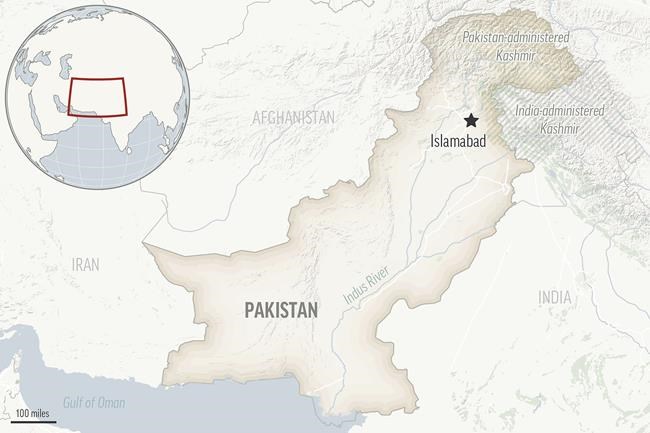
ISLAMABAD (AP) — Pakistan’s Supreme Court on Thursday removed a controversial part of its recent verdict concerning minority Ahmadis, apparently yielding to criticism from religious groups and clerics who had threatened nationwide protests.
The ruling was quickly praised by Islamists who had earlier sought the resignation of the Chief Justice of Pakistan, Qazi Faez Esa, for his alleged support for the minority Ahmadi community.
Pakistan’s Parliament declared Ahmadis non-Muslims in 1974. Since then, they have been repeatedly targeted by Islamic extremists, drawing condemnation from domestic and international human rights groups.
The controversy began in February when the court overturned the conviction of Mubarak Sani, a member of the Ahmadi community who had been convicted by another court in 2021 on charges of insulting Islam.
Initially the Supreme Court ruling went unnoticed but last month Zaheerul Islam, a deputy chief of the Tehreek-e-Labaik Pakistan party, was arrested after he issued a call for the killing of the chief justice over his alleged support for the Ahmadis.
Esa had been the target of criticism by clerics and religious groups since February when he ordered the release of Sani and wrote a paragraph that was seen by the Islamists as a violation of blasphemy laws.
During the Thursday court hearing, Esa listened to arguments from clerics and said he was deleting his controversial writing about Ahmadis.
News from © The Associated Press, . All rights reserved.
This material may not be published, broadcast, rewritten or redistributed.

This site is protected by reCAPTCHA and the Google Privacy Policy and Terms of Service apply.
Want to share your thoughts, add context, or connect with others in your community?
You must be logged in to post a comment.