Elevate your local knowledge
Sign up for the iNFOnews newsletter today!
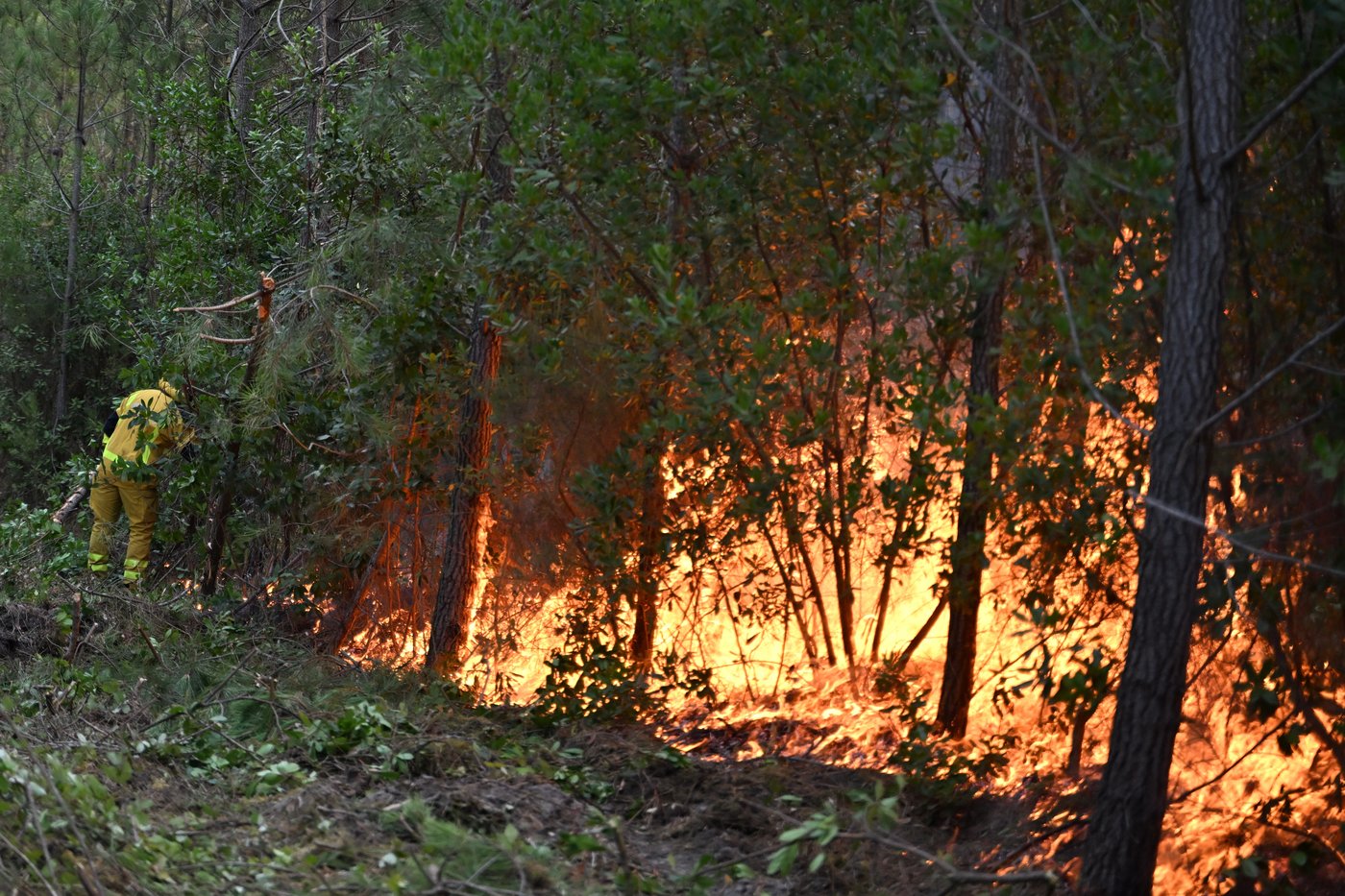
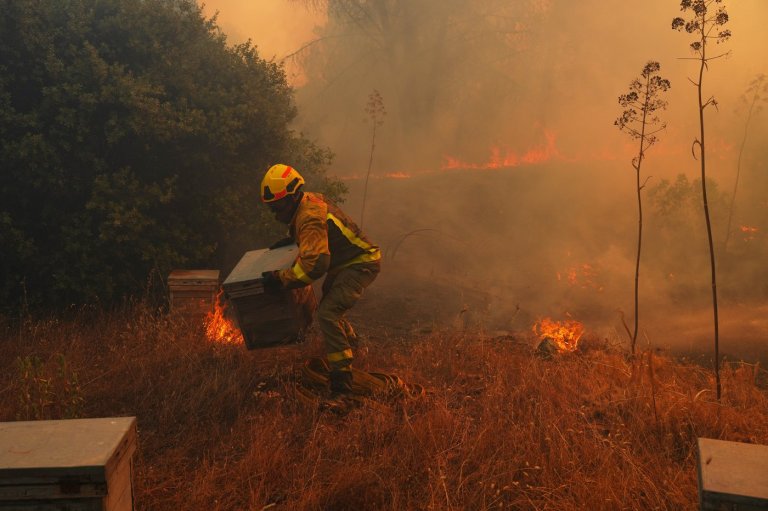
PARIS (AP) — History keeps repeating itself in the smoldering forests of southwest France, now ash-covered and charred.
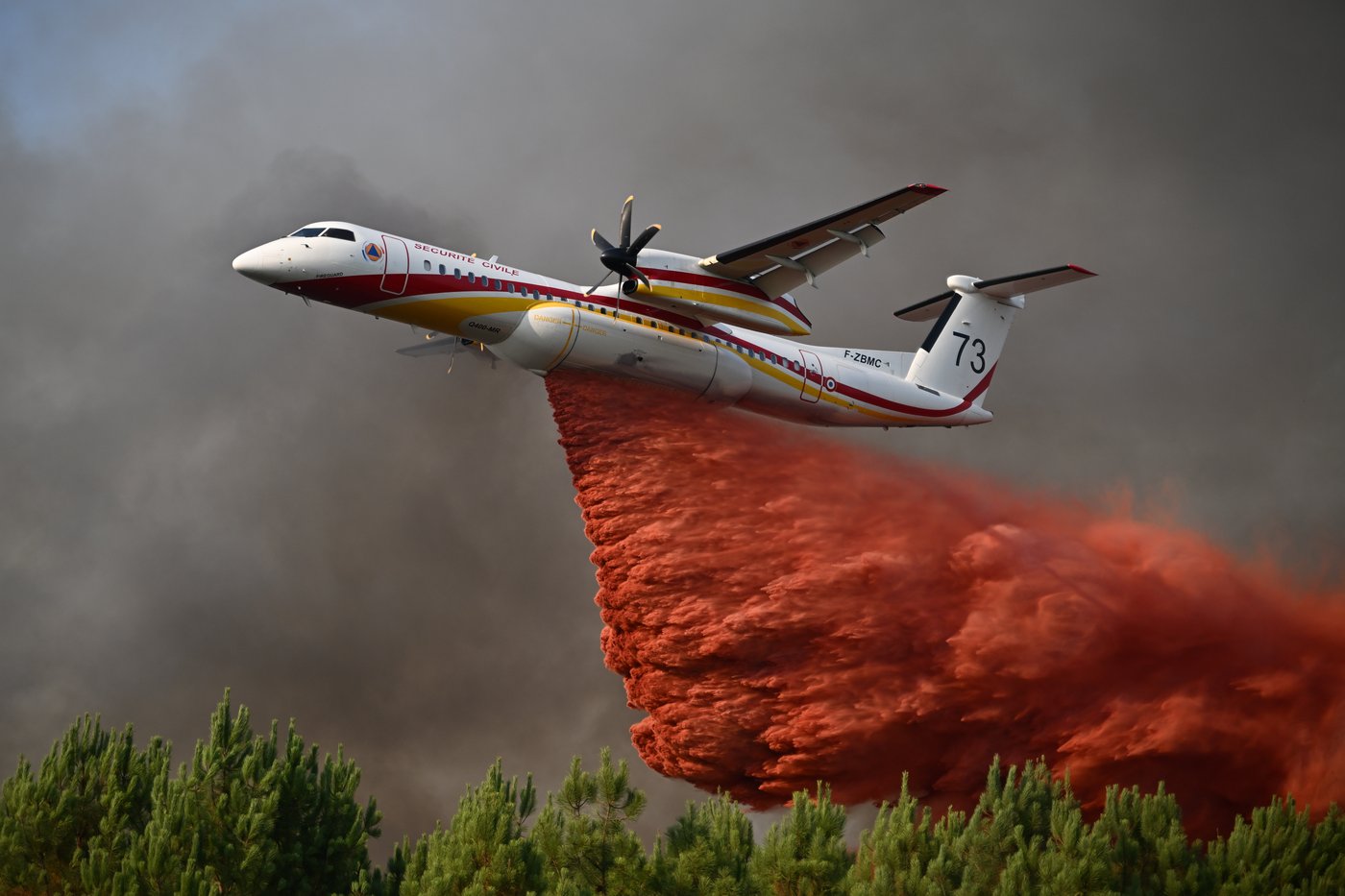
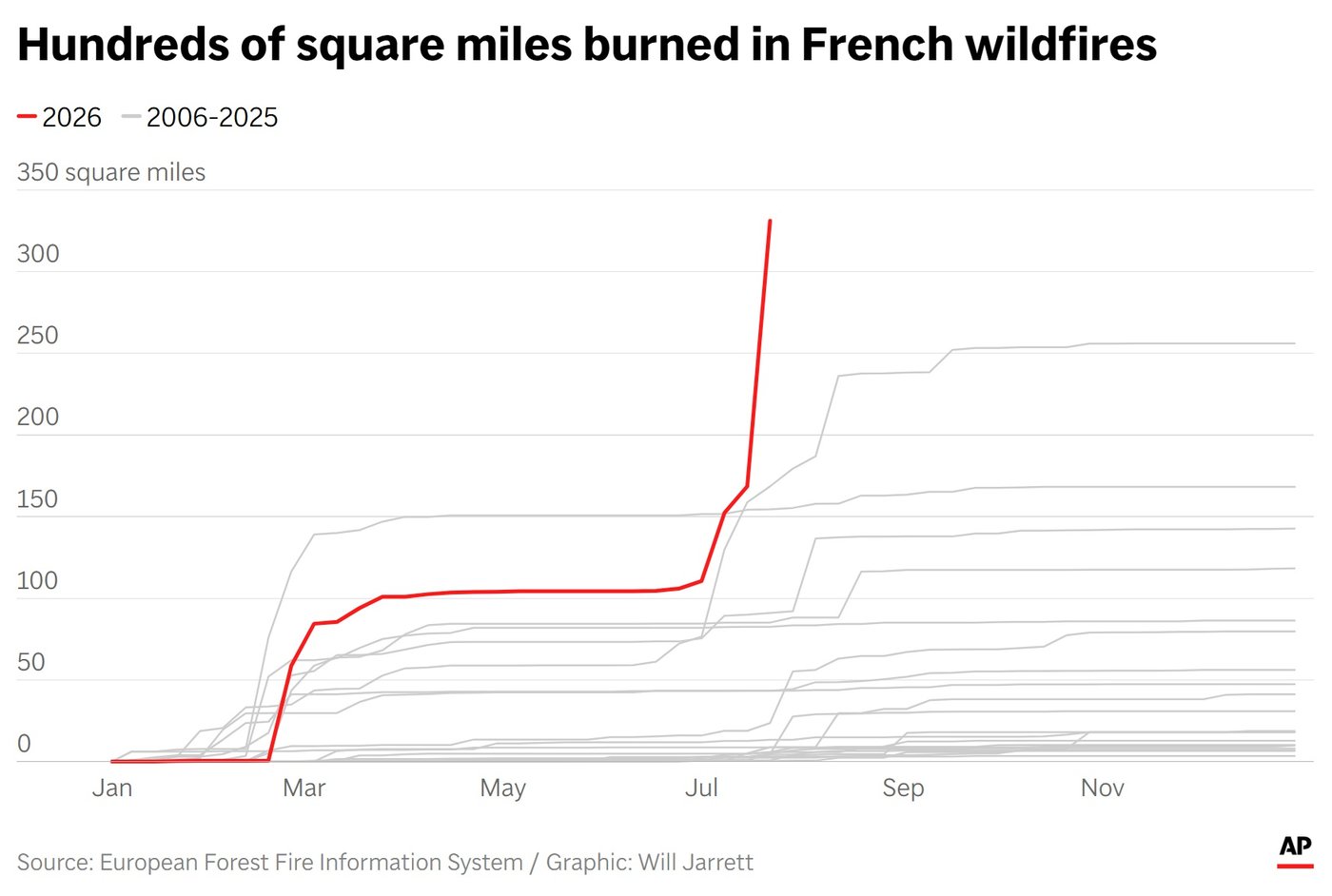
Devastated by previous blazes in 2022 and 1949, when 82 people died, the largest human-made woodland in Western Europe has again been ravaged by wildfires which burned an area four times the size of Paris.
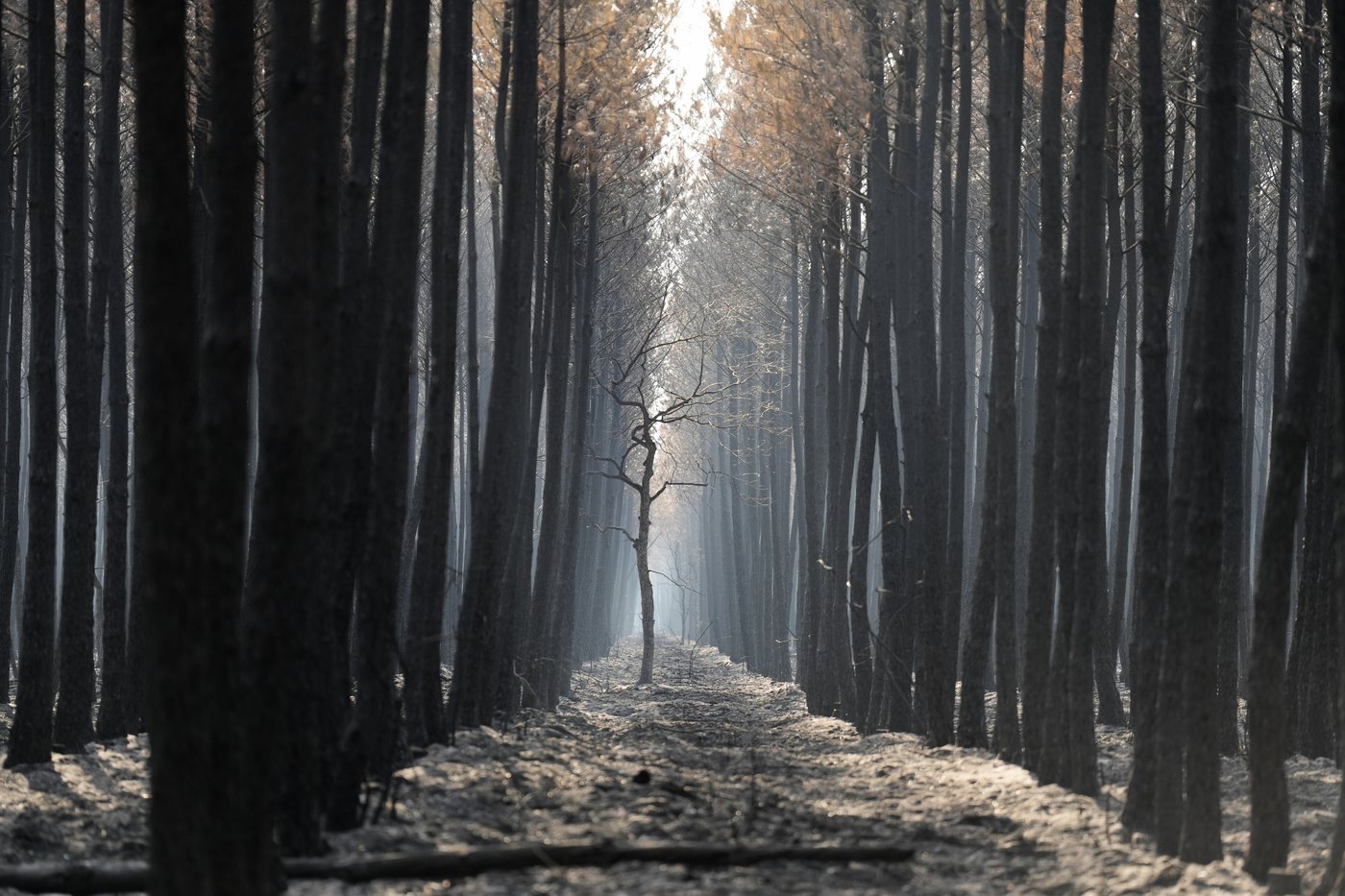
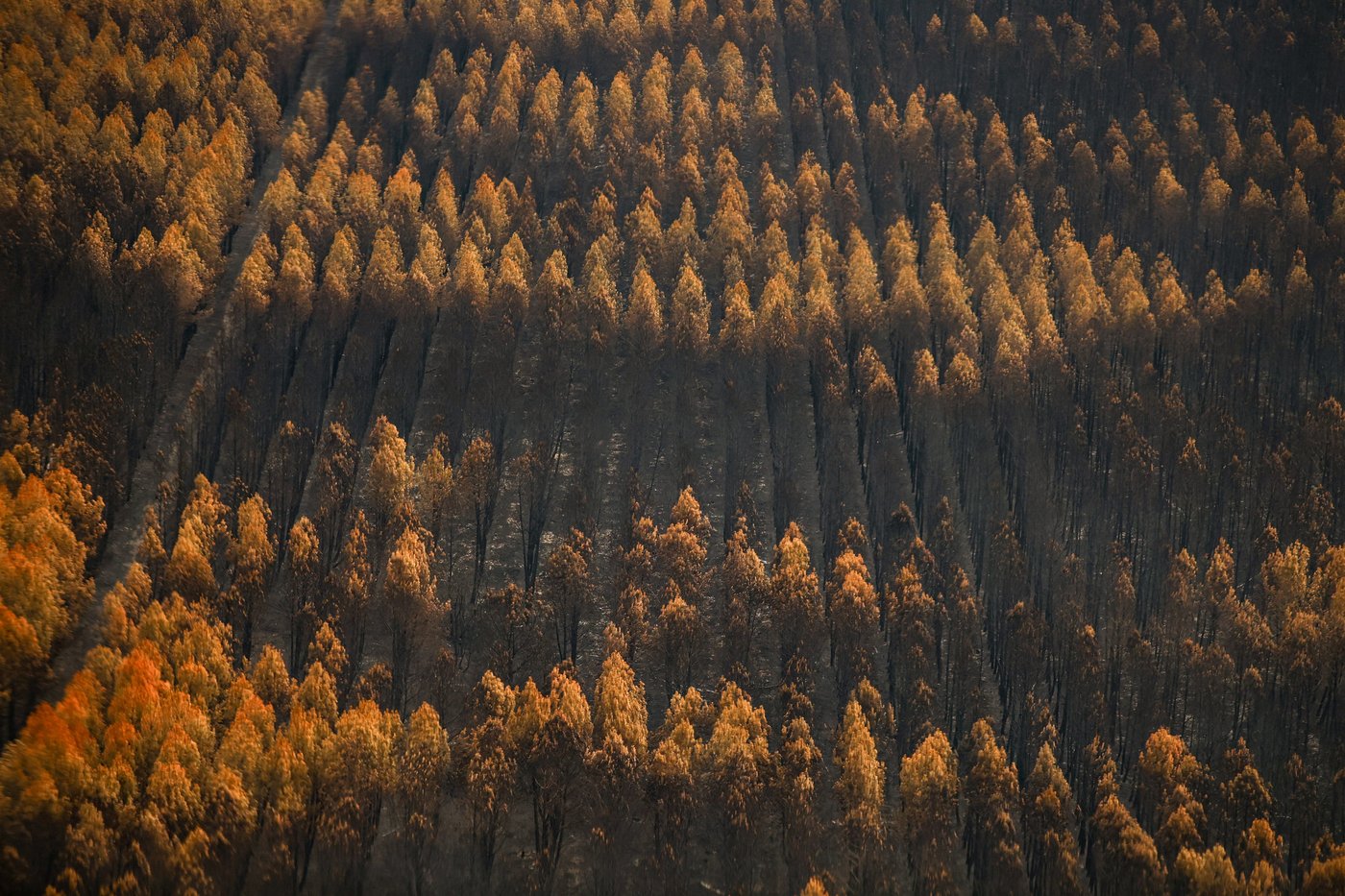
The forests of Les Landes — covering 10,000 square kilometers (3,860 square miles) — were created in the 19th century for timber and resin production. They comprise endless rows of pines in neat, close lines, which works against them in a wildfire, with flames jumping easily from one tree to another.
Blazes loom as a growing danger for the timberland because Europe is the world’s fastest-warming continent. But climate change isn’t its sole vulnerability, experts say. They also point to the very nature of such industrial plantation, whose origins date back to the Second French Empire.
The latest disaster is forcing a rethink in France about how to better prepare and manage forest expanses to cope with hotter, drier, more fire-prone conditions made worse by human-caused climate change — from the burning of coal, oil and gas.
President Emmanuel Macron said a different kind of forest should be replanted.
“The structural conditions created by climate change, under which we will have to live, have changed,” he said. “So has the pressure from housing and tourism.”
Highly flammable plantations
Maritime pine is considered relatively fire-resistant due to its thick bark and ability to regenerate naturally. But experts believe its monoculture increases risk. Single-species forests of conifers are drier than mixed forests of broadleaf trees and conifers, favoring flames.
“In a healthy, diverse forest there are multiple tree species, different age classes and several layers of vegetation, from ground plants and shrubs to mature trees such as oaks and beeches,” says Nathalie Naulet, an expert in forestry and agriculture. “In these ecosystems, less than 3% of the sun’s radiation reaches the forest floor.”
In Les Landes, that layered structure does not exist.
“Without a protective canopy, the soil heats up and dries out,” Naulet said. “The top few centimeters of soil, which should normally consist of water-rich humus, become dry and impoverished. In many places, humus has virtually disappeared.”
Broadleaf trees retain more moisture, better for resisting fire. Pine trees coat the forest floor with mounds of flammable dead leaves that are springy underfoot but which can smolder long after a blaze.
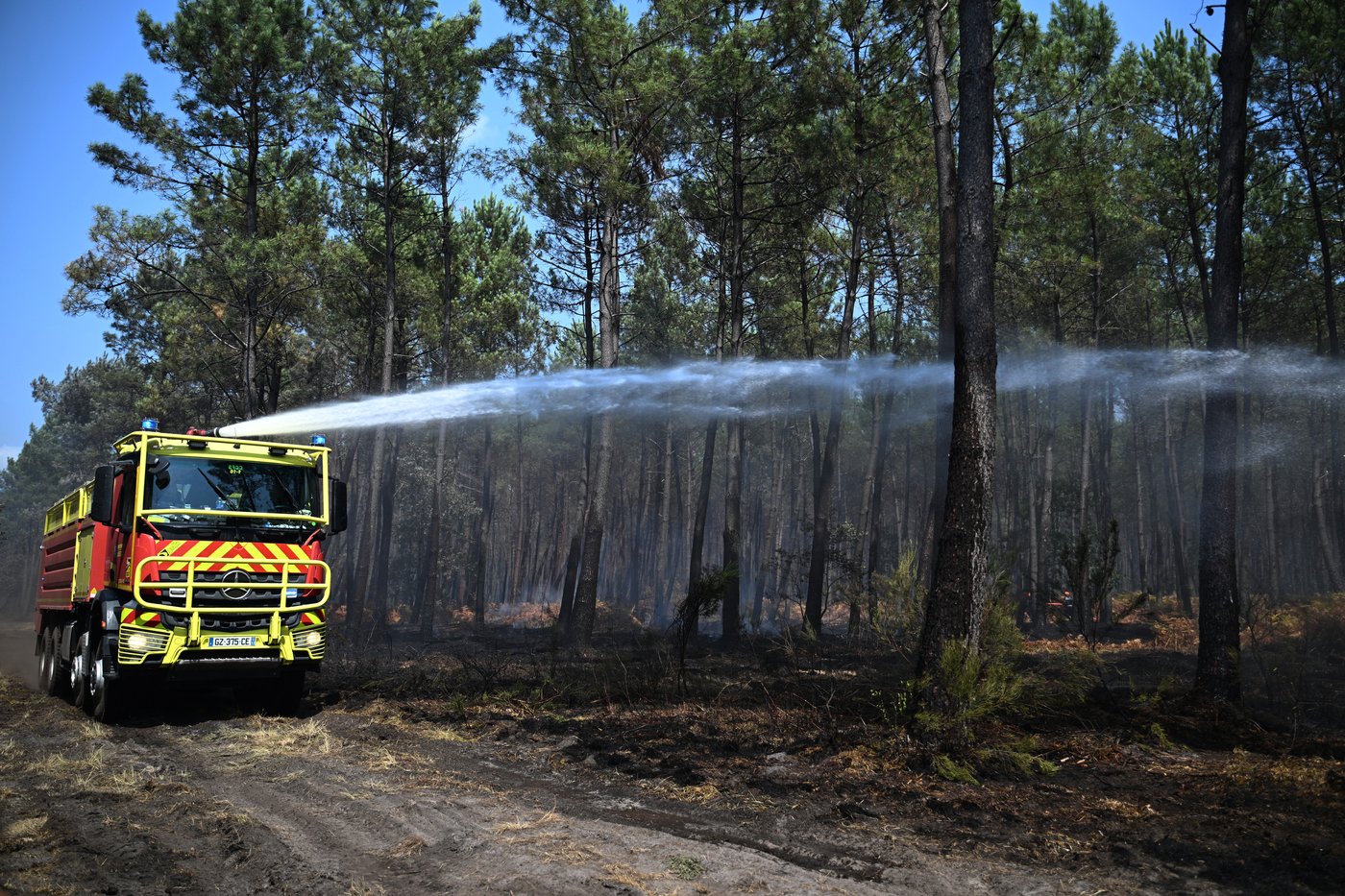
Fire crews and citizens are now dousing smoking embers — a job that could take weeks.
“No matter how much we try to extinguish it, re-extinguish it, re-extinguish it, it keeps restarting all the time,” said Jean-Francois Pauner, 64, a resident helping the effort.
Resinous pine cones can also ignite and be hurled hundreds of meters by wind, helping fire spread.
“You end up with fires breaking out in every direction,” Naulet said. “Add heat and drought, and you get the picture.”
Forest was created from scratch
Les Landes’ forests developed following a 1857 law on the drainage and cultivation of the Landes de Gascogne. Ruler Napoleon III ordered municipalities to sow maritime pines and sell off the heathlands, regarded as unproductive.
Marshland was transformed into productive forest. The last shepherds who tended their flocks while walking on stilts disappeared. The forest displaced peasants. They found work in the timber industry and the harvesting of pine resin. The forest’s main purpose now is timber production.
A big economic weight
More than 90% of the forest area in Les Landes is privately owned, with 75% held by just 20% of landowners. The National Forest Office and local municipalities manage the remainder.
According to the Southwest Foresters’ Association, which represents more than 65% of the privately owned forest in the region, the sector supports an estimated 60,000 jobs and generates more than 10 billion euros ($11.5 billion) in annual revenue.
Changing the way the Landes forests are managed will require negotiations between the timber industry, owners, and public authorities. If monoculture is partially abandoned in certain areas, financial compensation will be necessary.
Nicolas Lafon, the association’s president, said rebuilding will require “financial resources commensurate with the scale of the challenge.”
“Forest owners reject any attempt to portray them as being responsible for a disaster of which they are the primary victims,” he said. “They now expect the French government, elected officials, and all public stakeholders to implement a truly ambitious, coherent, and long-term national forest policy.”
The national rethink on forests is also extending to wildlife. An online petition calling for a hunting moratorium in burned woodlands has gathered more than 300,000 signatories.
Rebuilding a new type of forest
Geographer Arthur Guérin-Turcq says that when fires start in the Landes, they can spread without encountering breaks until they reach villages.
“It is therefore necessary to create buffer zones around settlements,” he said. Other possible solutions could include adding wetlands, more farmland or more businesses that aren’t so fire-prone.
Another option is to introduce more broadleaf trees. But transforming the entire forested area is a tall order in poor soils, said Guérin-Turcq, who wrote a report on the 2022 wildfires that displaced 37,000 people and destroyed 320 square kilometers (124 square miles) of forest.
Bruno Lafon, regional president of the Forest Fire Defense Association, called for stronger wildfire prevention.
“We need larger, well-maintained firebreaks, even if that means sacrificing 1,000 or 2,000 hectares,” he said. “Otherwise, we risk losing the Landes forest.”
___
Mark Carlson in Lanton, France, contributed.
News from © The Associated Press, . All rights reserved.
This material may not be published, broadcast, rewritten or redistributed.

This site is protected by reCAPTCHA and the Google Privacy Policy and Terms of Service apply.
Want to share your thoughts, add context, or connect with others in your community?
You must be logged in to post a comment.