Elevate your local knowledge
Sign up for the iNFOnews newsletter today!
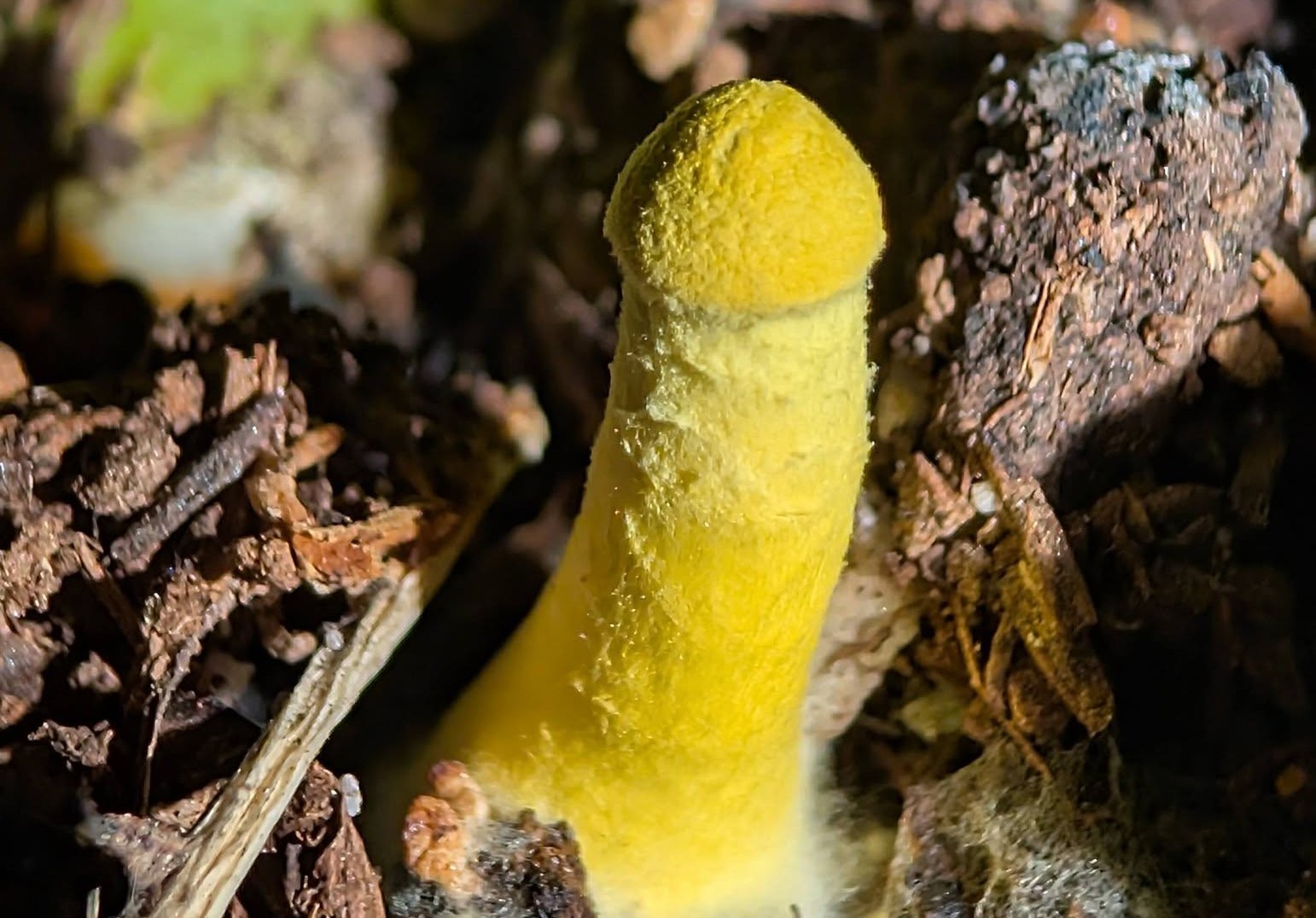
Some very interesting looking fungus grows in the Thompson-Okanagan region and they make for great conversation pieces that often prompt a lot of online laughter.
Last week, a Penticton resident found a handful of tiny, bright yellow mushrooms growing in a plant pot. Looking more closely, the mushrooms are very phallic looking.
Called flowerpot parasols, these tiny mushrooms will turn from bright yellow to a white as they mature, and develop a parasol shaped top, according to North Carolina Extension Gardener. Common to the tropics, the mushrooms commonly appear in household potted plants and greenhouses where temperatures are warm.
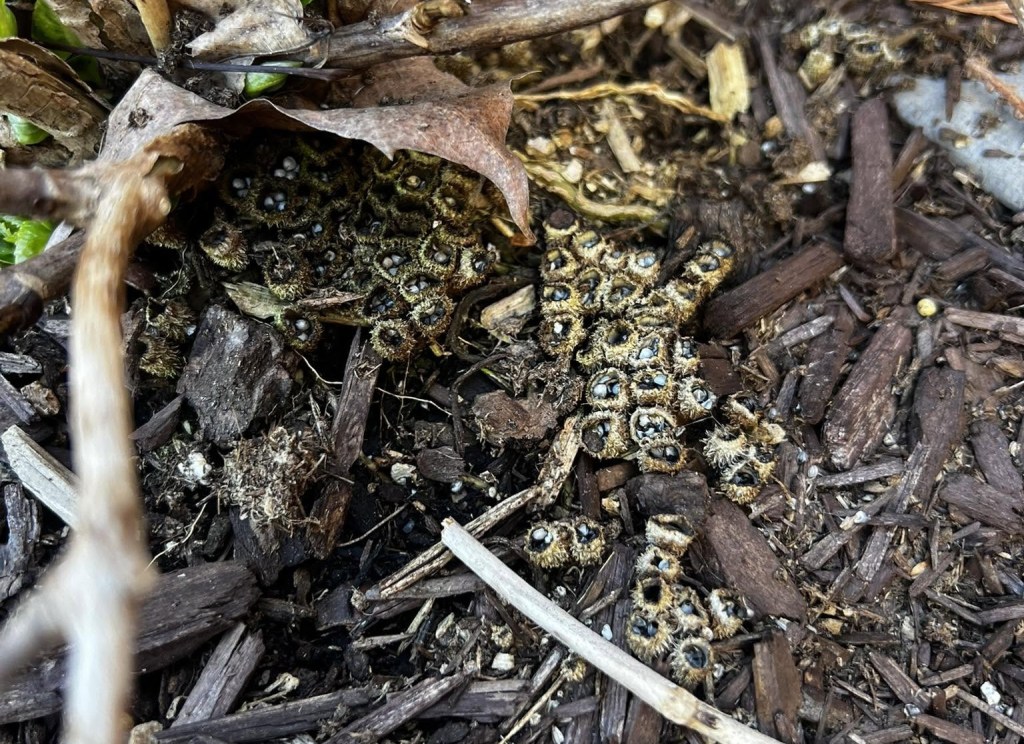
This spring a Vernon gardener found a cluster of tiny mushrooms in her yard that looked like spider eyes.
Called bird’s nest fungi, these organisms look like miniature bird nests and are found all over the world growing on decomposing organic matter, according to the University of Wisconsin.
The brown outer shells have spore-containing structures in their centres that get splashed out in rain storms and stick to other objects. When the structures dry, they release spores.
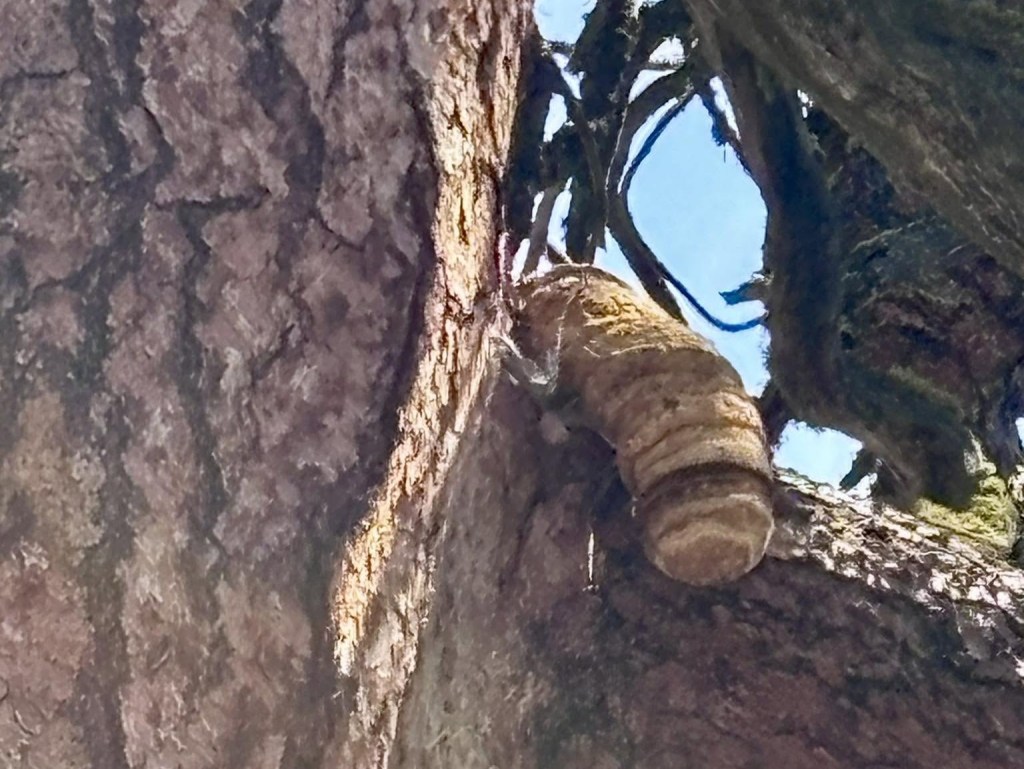
A hiker in Vernon found a very odd looking conk growing on a decaying snag this summer.
Conks are woody, shelf-like structures that are produced by fungi called polyspores, and there are many different types of them, according to The Daily Garden. Conks grow out of wood that the fungi are feeding on.
They are made up of two layers and and lined with a surface that produces spores. Polyspores are important for wood decomposition and nutrient cycling, so conks are often an indication that the tree is decaying.
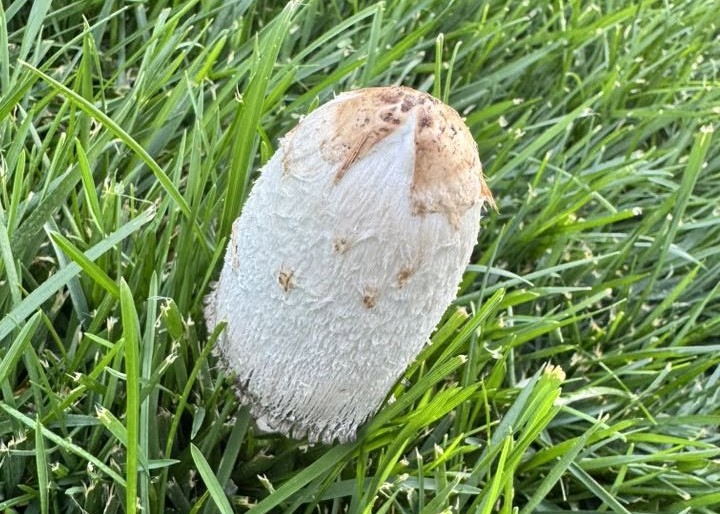
Shaggy mane mushrooms are very unique in that they they dissolve into ink as they age. Unlike one found in Kamloops last fall, the older manes liquify into black goo.
“Why they liquify has always been the mystery,” said Vernon mushroom expert Charles Ruechel in a previous interview with iNFOnews.ca.
“A mushroom is just the fruit of a fungal organism that lives in the earth or dead logs and once in awhile when conditions are right, the organism produces fruit. Some, like the shaggy mane, liquify very quickly while some can last for weeks and weeks.”
Anywhere between four and ten inches tall, shaggy manes are conical in shape and found in forests, lawns and along roadsides in North America and are named for the shaggy scales on their bodies. Foraged in late summer and fall, the fungus favours cool, wet weather.
“There are a few different species of the same genus that liquify into black ink, one is called the ink cap mushroom, it also grows here,” Ruechel said. “You can put both species in a jar with alcohol in it and it’ll turn into ink with no straining required. You can dip a fountain pen in it and write.”
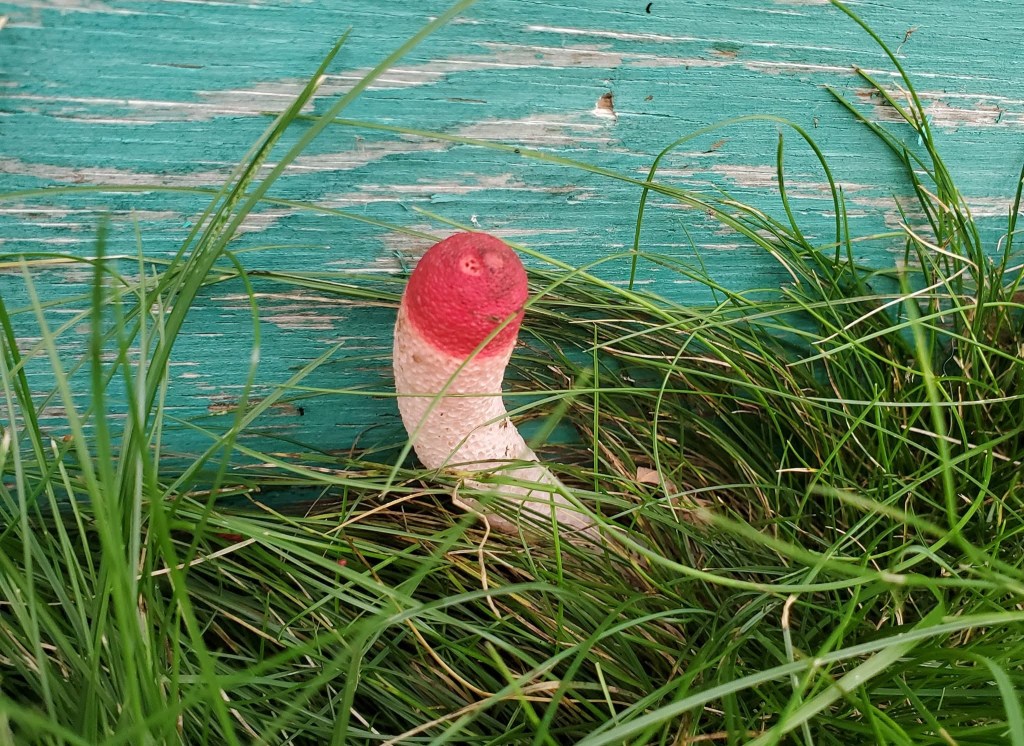
Arguably one of the most entertaining forms of fungi found in the region and beyond is the common stinkhorn mushroom, which is suitably in the genus phallaceae.
In a previous interview with iNFOnews.ca, Kelowna resident Brooke Turner shared photos of the comical looking stinkhorns she found in a grassy section of her yard.
The tips of these specimens are covered with a slime called gleba that smells like poop or dead meat. The gleba has spores in it and the smell attracts flies that pick up gleba on their feet and distribute it.
WARNING: Some wild mushroom varieties can cause serious adverse health effects and even death. Go here for more details.
News from © iNFOnews.ca, . All rights reserved.
This material may not be published, broadcast, rewritten or redistributed.

This site is protected by reCAPTCHA and the Google Privacy Policy and Terms of Service apply.
Want to share your thoughts, add context, or connect with others in your community?
You must be logged in to post a comment.