Elevate your local knowledge
Sign up for the iNFOnews newsletter today!
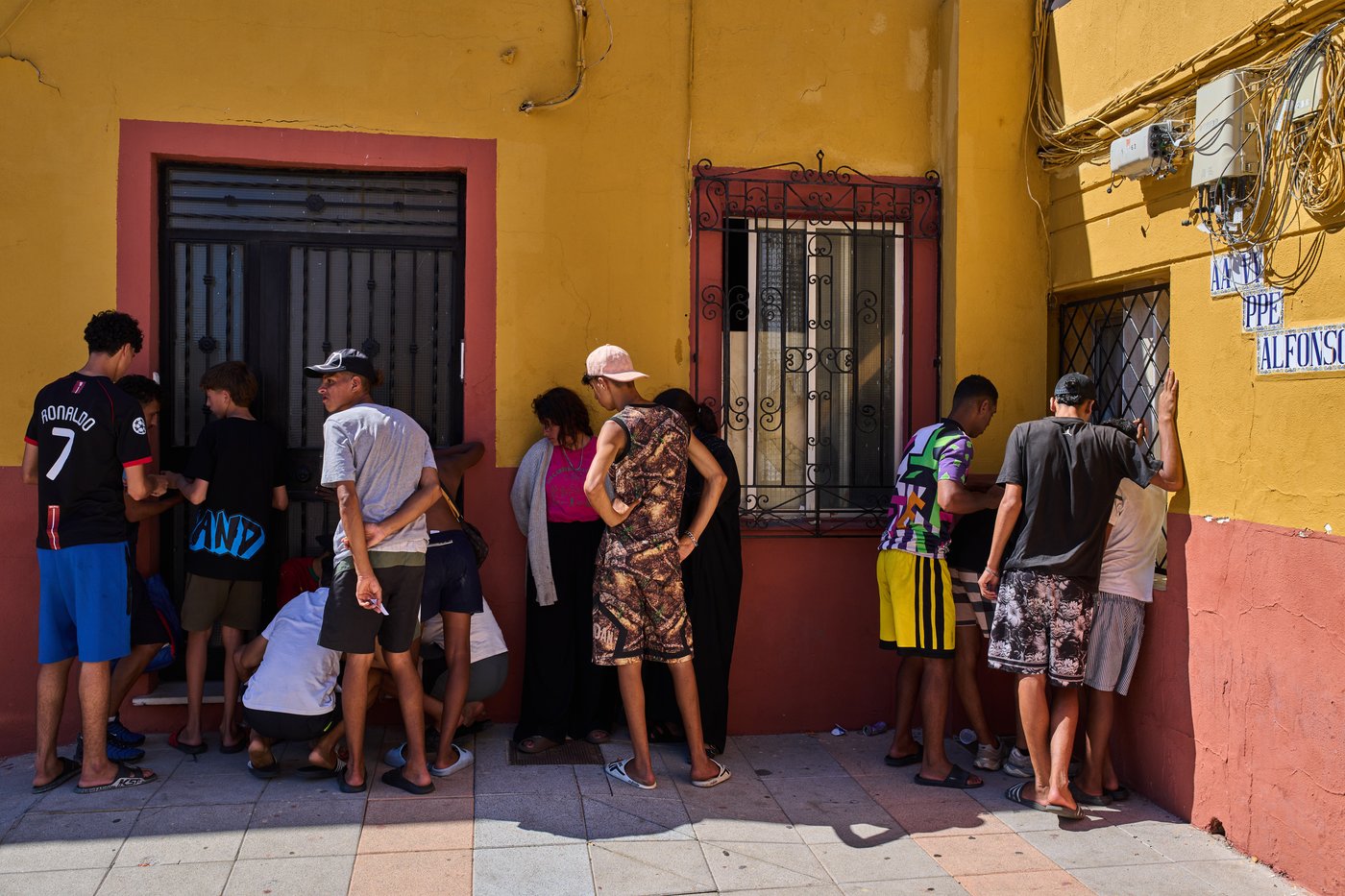
FNIDEQ, Morocco (AP) — Mothers, fathers, brothers, sisters and friends gather along the Moroccan side of the border with the Spanish territory of Ceuta, scanning for familiar faces.
Each returning migrant is met with the question: Have you seen my son? My daughter? My brother?
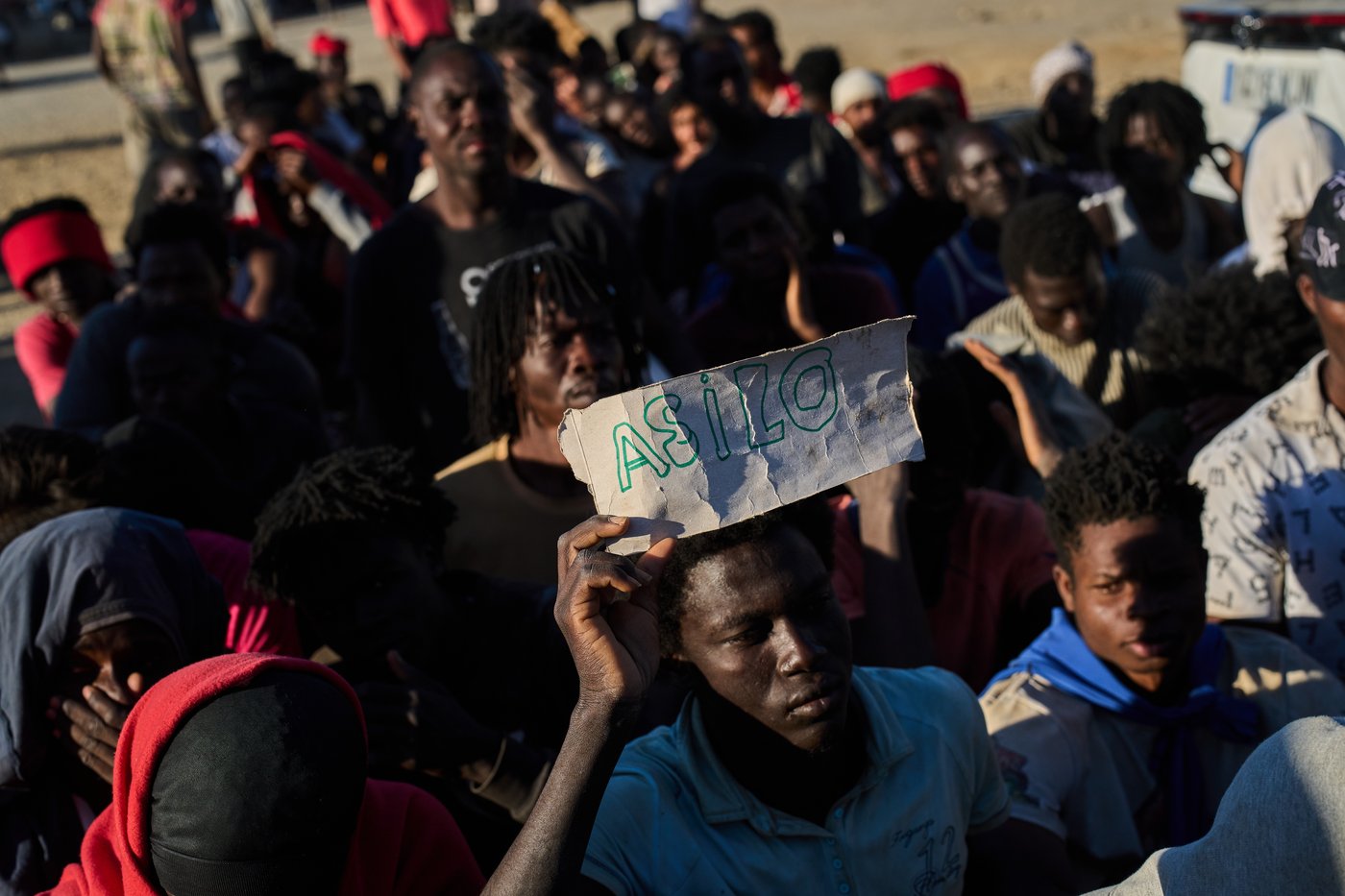
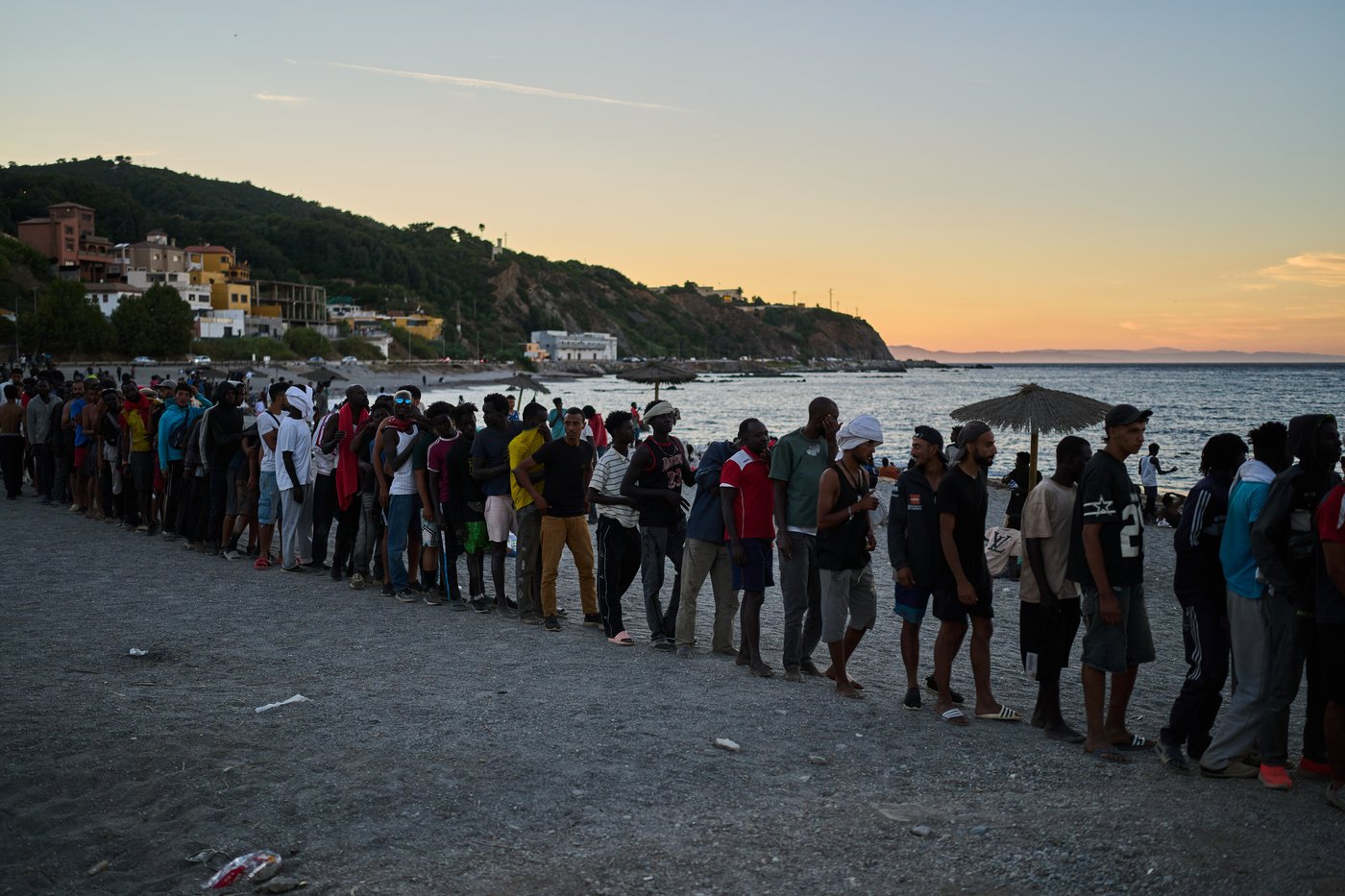
Authorities say all but a few thousand of the 72,000 migrants who crossed into Ceuta in recent days have since returned to Morocco. Some families were relieved to welcome them home. Others were disappointed that the migration attempt failed.
Other families still wait desperately for news.
Families hold up photos of the missing
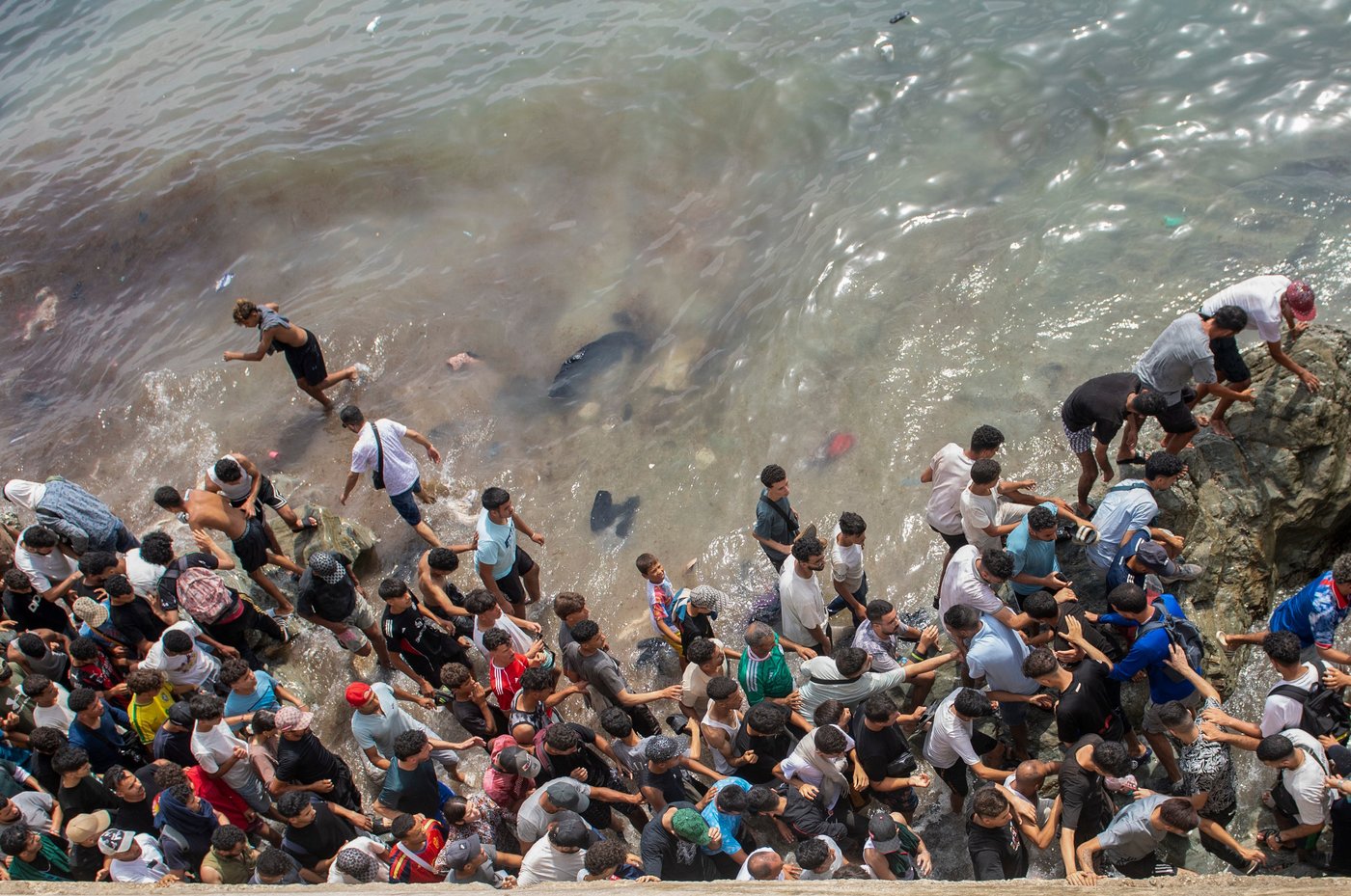
The surge to Ceuta was largely driven by poverty and fueled by online rumors that the border was open, triggering a crisis resonating across Europe. More than 80 people died on both sides of the border, according to authorities, as people swam or climbed fences in the attempt.
Nearly all of the migrants who survived were expelled by Spanish authorities or returned voluntarily after seeing they were unwelcome. Many of those who made it back borrowed phones from strangers to reassure anxious relatives because they had lost or abandoned their phones in the journey.
As the first migrants trickled back to Morocco, an Associated Press reporter watched families hold up printed photographs of missing relatives, stopping returnees one by one in hopes that someone might recognize a face.
The migrants studied each picture, offering what reassurance they could, often saying only that they hoped the missing person was safe.
“I have been looking for my son for five days now,” said Ibtissam Chari, whose son Rayan crossed with friends after hearing that the border had opened. “He called me when he arrived, and since then I haven’t heard anything from him.”
Another woman stood silently facing the border. She said she has heard nothing from her 12-year-old son, who crossed into Ceuta with his older brother. Only the older one has returned.
“I have nothing else to do but come here and wait,” said the woman, who spoke on condition of anonymity to protect her children. “I spend all my days here. I will come back tomorrow again.”
Facebook groups that helped the crossing seek the missing
An estimated 1,000 of the few thousand migrants estimated to remain in Ceuta are minors. Spanish security forces are not authorized by law to expel them, and their fate is uncertain.
It remains unclear whether all of the dead have been found or returned to Morocco. Local newspapers and a source at the morgue in Tetouan, the largest Moroccan city near Ceuta, said the facility had received more than a dozen bodies. Journalists were not allowed to enter. The source spoke on condition of anonymity because they were not authorized to speak to journalists.
Meanwhile, Moroccan authorities have welded shut the small opening in the border fence that had been opened to allow many returning migrants to re-enter the country.
Facebook groups that had circulated videos showing where to swim and tracking Spanish and Moroccan patrols have now taken on a different purpose. Families post photos there of missing relatives, hoping someone has seen them.
“If anyone has seen this girl in Ceuta or Castillejos, please let us know. Her family is going crazy,” one user, Hiba Nakaax, wrote in the Facebook group Fnideq Bab Sebta.
Some parents hope their children try again for Europe
Migration has long been woven into the aspirations of many young Moroccans. Poverty and youth unemployment remain high, particularly in inland regions that have not shared in the economic gains seen along parts of the coast.
For many, Europe represents the possibility of work, stability and a different future. Last year’s youth-led Gen Z protests in Morocco reflected growing frustration over inequality and the quality of public services.
Some parents knew their children intended to make the journey.
After returning from Ceuta, 26-year-old Othmane El Merzoug was barefoot and hungry and desperate to communicate with his family. He asked to borrowed an AP reporter’s phone to call his father in the Moroccan city of Salé.
“Dad, I’ve returned from Ceuta. They didn’t allow me to stay,” he said over speakerphone. His father promised to send money to get him home.
A traumatized 17-year-old from Taounate, Mohamed Chakor, also asked to borrow a phone to call his father, who asked for help in finding other ways to reach Europe.
___
Majd Semlali in Fnideq, Morocco, contributed to this report.
News from © The Associated Press, . All rights reserved.
This material may not be published, broadcast, rewritten or redistributed.

This site is protected by reCAPTCHA and the Google Privacy Policy and Terms of Service apply.
Want to share your thoughts, add context, or connect with others in your community?
You must be logged in to post a comment.