Elevate your local knowledge
Sign up for the iNFOnews newsletter today!
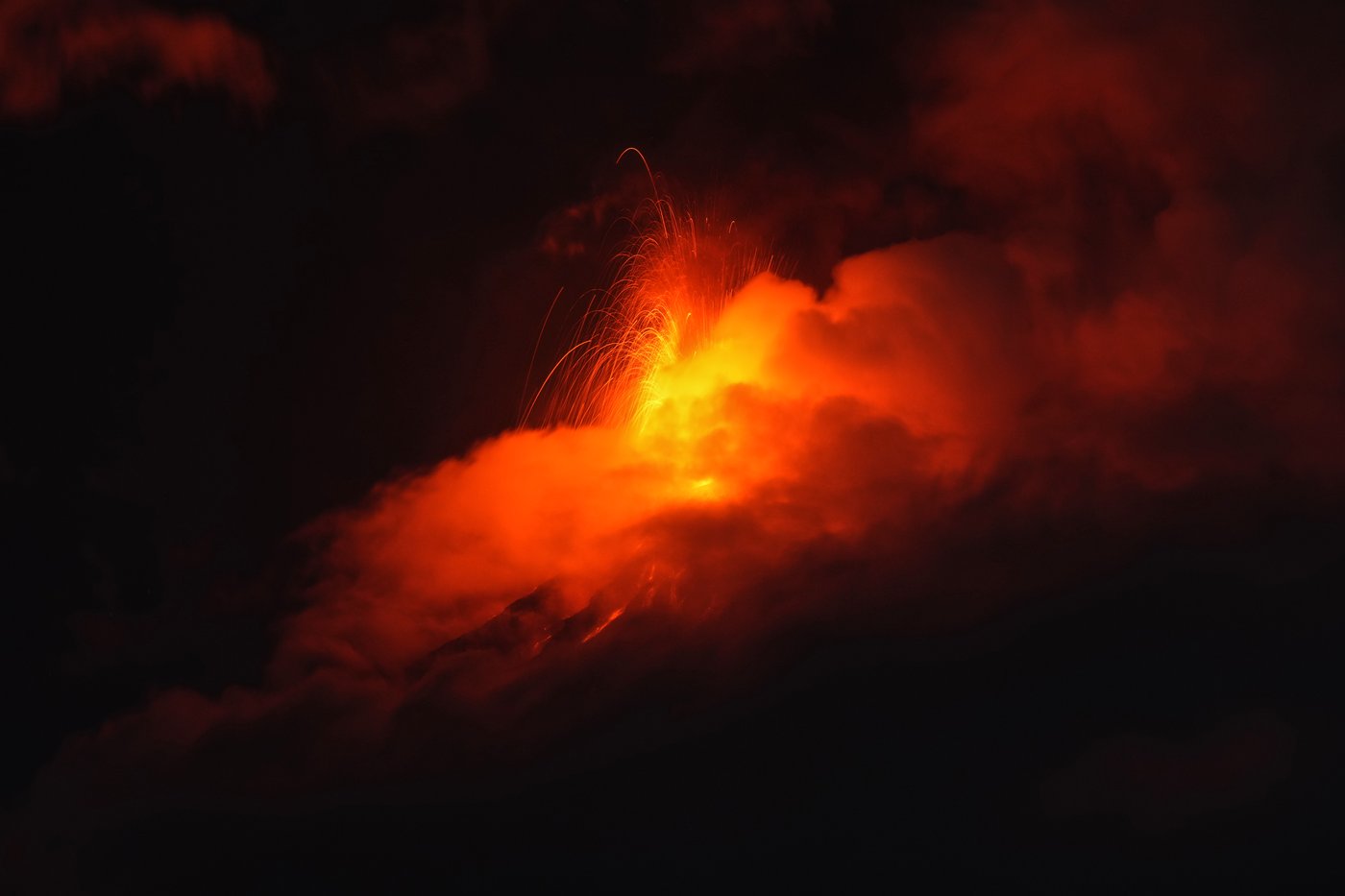
GUATEMALA CITY (AP) — Activity at Guatemala’s Fuego volcano that began Monday morning and caused widespread evacuations is gradually decreasing, authorities said Wednesday.
However, the National Coordinator for Disaster Reduction, or CONRED, urged the population to remain cautious because rainfall from a tropical wave from the east could trigger potentially deadly volcanic mudflows known as lahars.
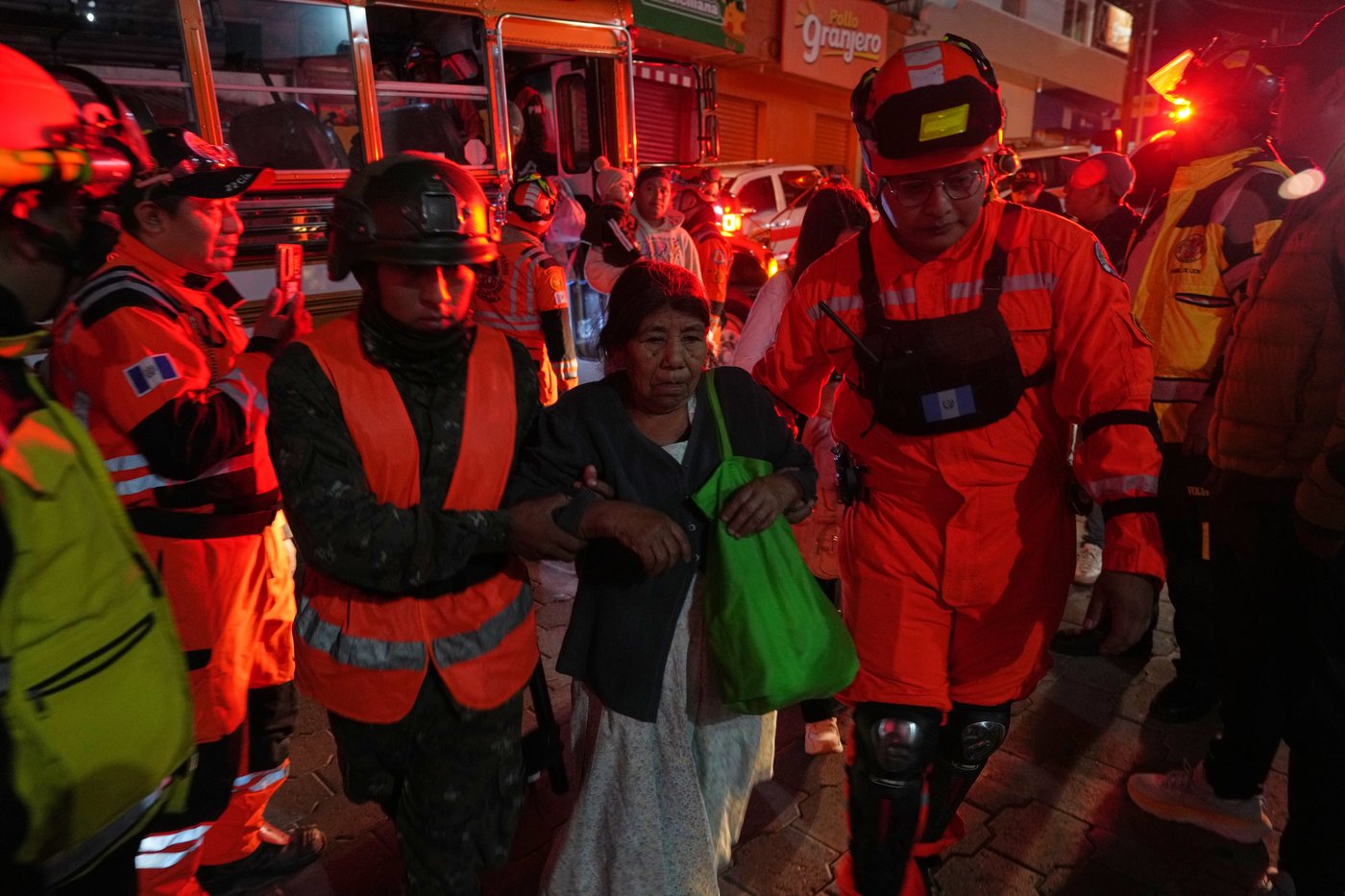
CONRED also confirmed that some people who were evacuated between Monday and Tuesday returned voluntarily to their homes.
“But the eruptive activity continues, and it is recommended to follow the authorities’ instructions regarding preventive evacuation,” the agency said.
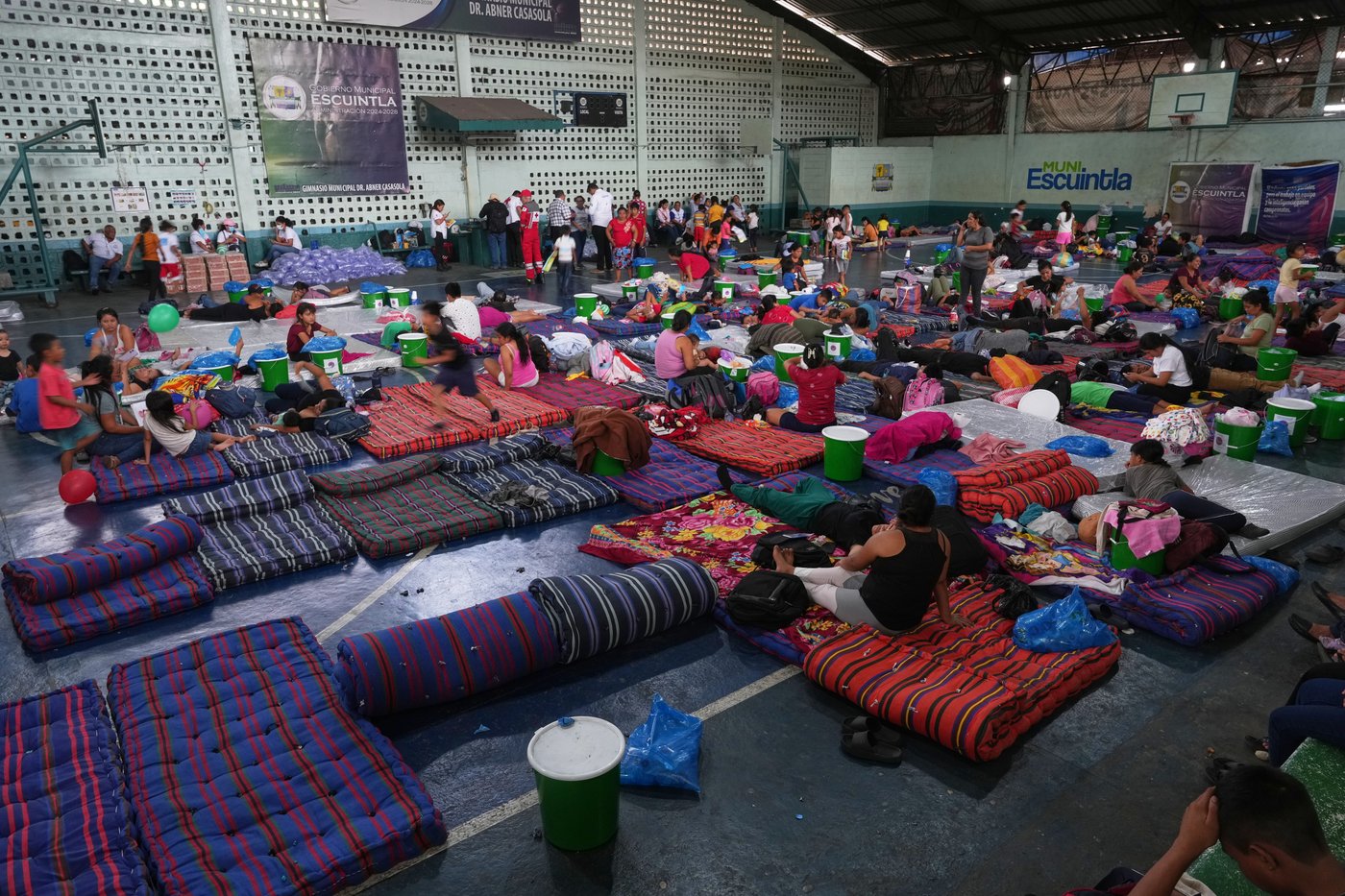
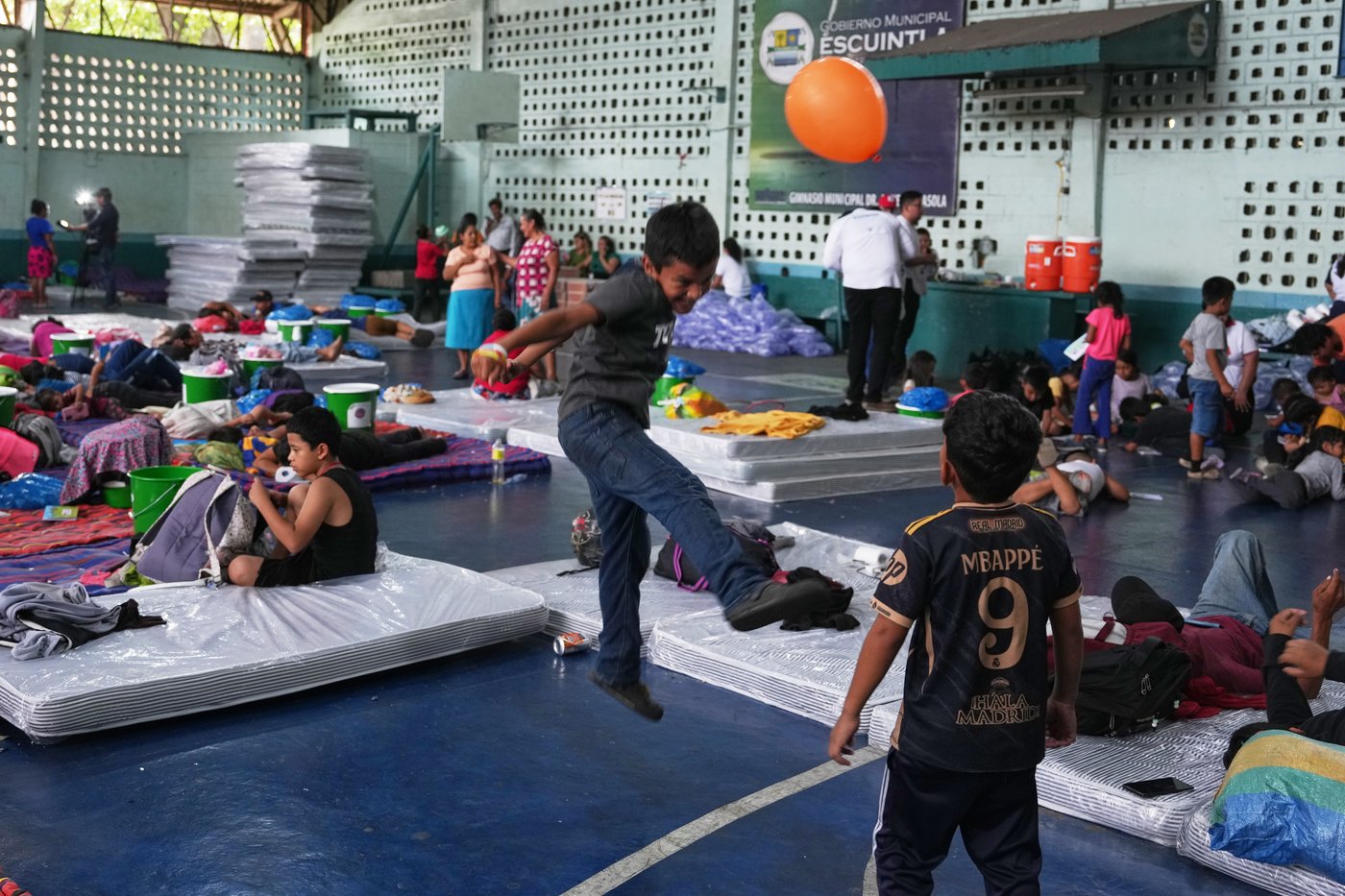
Approximately 1,700 people have been evacuated from at least 18 communities on the slopes of Fuego, or the Volcano of Fire, after the eruption that began on Monday. No deaths or damage have been reported.
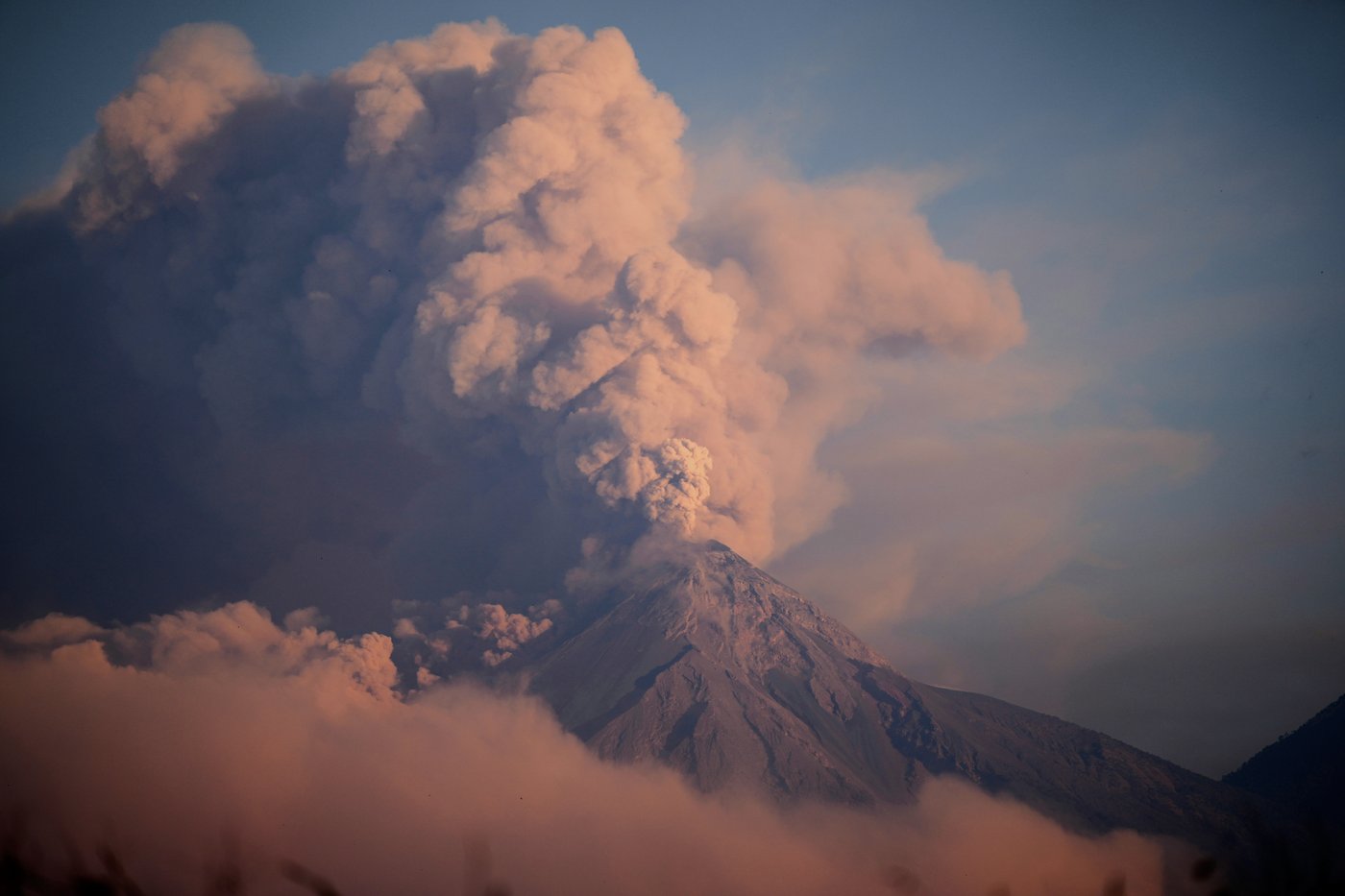
Live broadcasts of the volcano’s activity show periods of complete clarity interspersed with ash emissions. Early Tuesday morning, the volcano spewed lava that reached a height of about 300 meters (984 feet), triggering red alerts, evacuations, a highway’s closure, and the suspension of classes in three departments.
Fuego volcano, one of Guatemala’s most active, has an elevation of 3,768 meters (12,300 feet) and is considered a stratovolcano: a tall, cone-shaped volcano formed by layers of hard lava, ash and rock. It is located between the departments of Escuintla, Chimaltenango and Sacatepéquez in the southern and central regions of the country and is 53 kilometers (33 miles) from Guatemala’s capital.
A volcanic eruption on Sunday, June 3, 2018, killed hundreds of people, wiped out an entire community and impacted up to 1.7 million people. Another eruption last year spurred preventive evacuations.
___
Follow AP’s Latin America coverage at https://apnews.com/hub/latin-america
News from © The Associated Press, . All rights reserved.
This material may not be published, broadcast, rewritten or redistributed.

This site is protected by reCAPTCHA and the Google Privacy Policy and Terms of Service apply.
Want to share your thoughts, add context, or connect with others in your community?
You must be logged in to post a comment.