Elevate your local knowledge
Sign up for the iNFOnews newsletter today!
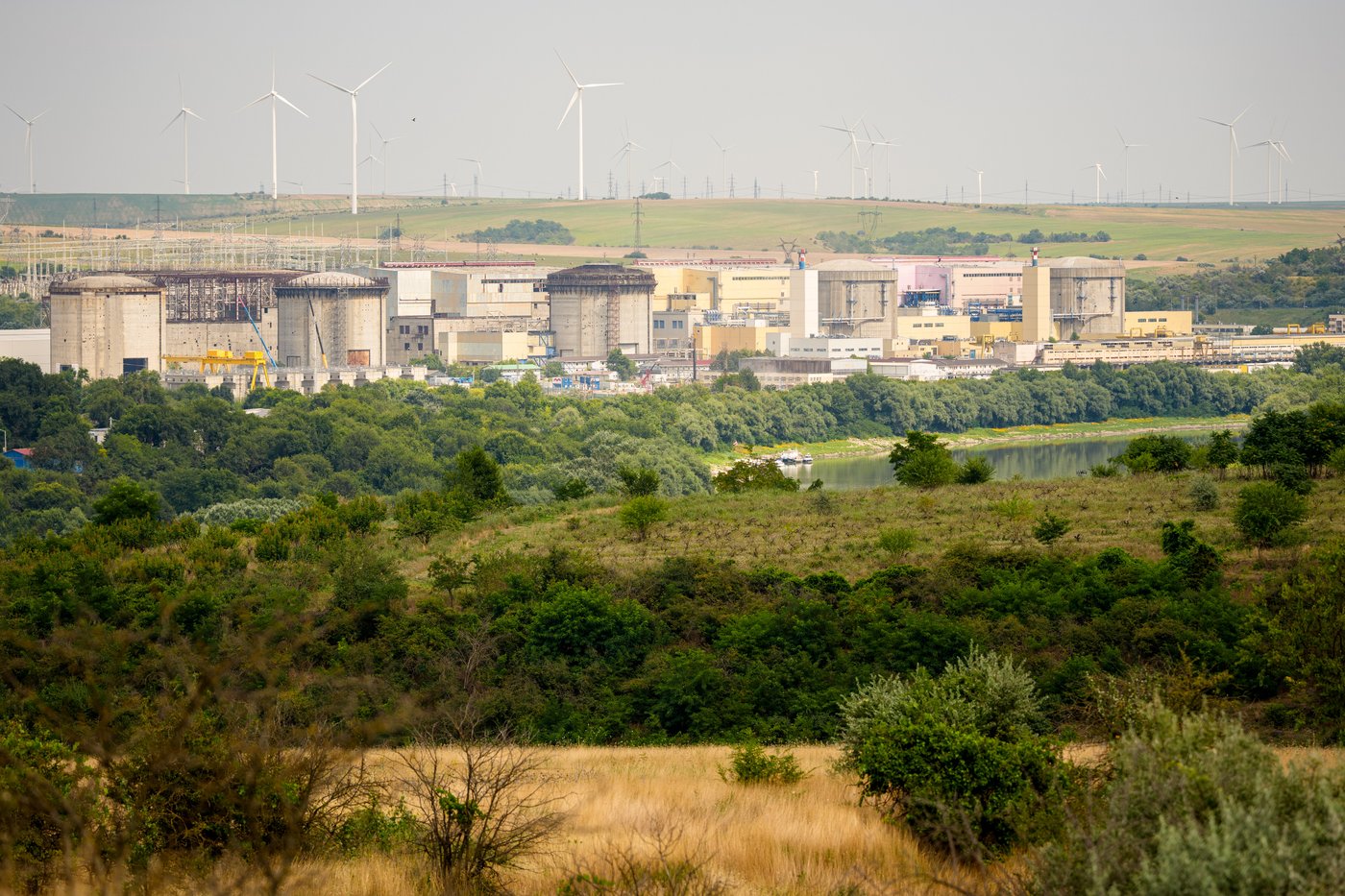
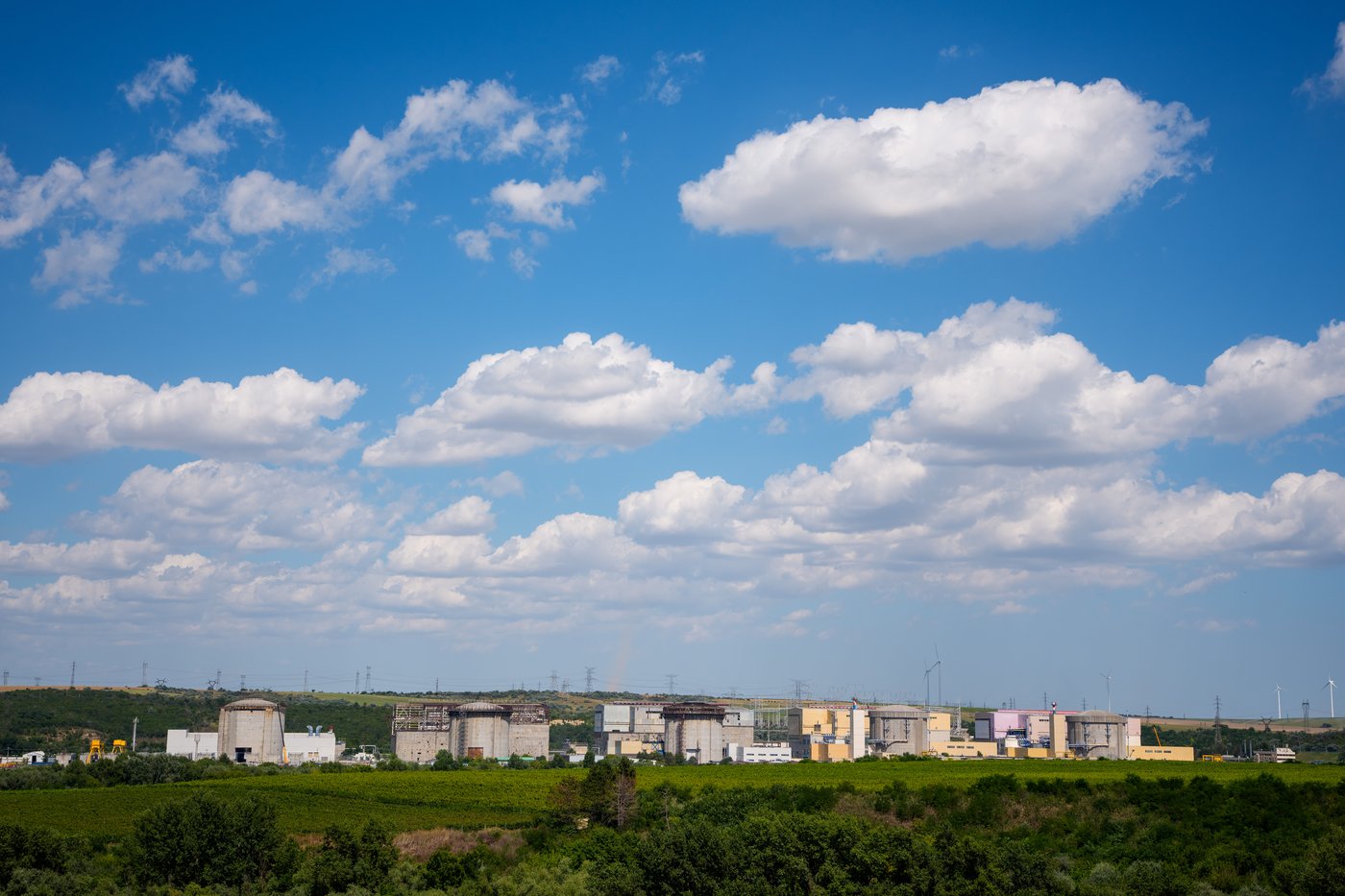
BUCHAREST, Romania (AP) — Romania on Thursday began a controlled shutdown of the second reactor at its Cernavoda nuclear power plant as a severe drought continues to grip the continent.
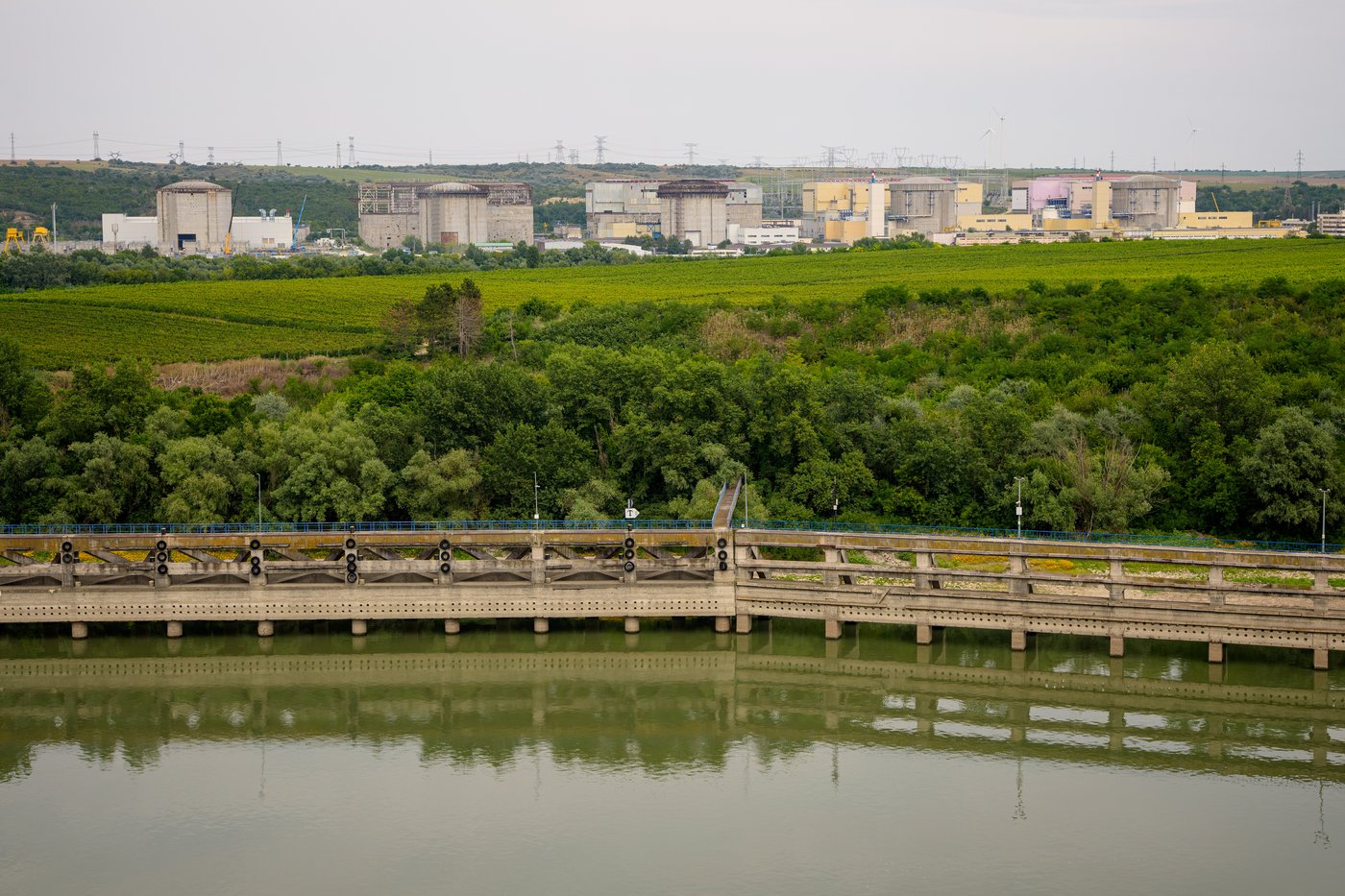
Scorching heat and low rainfall in recent weeks have left the Danube River at record lows and forced the state-owned Cernavoda plant to shut down its first reactor in late July. The plant accounts for about 20% of the country’s electricity generation when fully operational and uses river water to cool its two reactors.
“The decision to carry out a controlled shutdown of Unit 2 was determined by the continued significant decrease in the level of the Danube River,” the plant operator Nuclearelectrica said in a statement Thursday addressed to the Bucharest Stock Exchange.
Romania’s Ministry of Energy said in a statement Wednesday that estimates show the European Union member’s electricity supply would be “fully covered by alternative sources and imports” after a shutdown of the second reactor.
After acting Prime Minister Ilie Bolojan announced a nationwide state of alert in the energy sector on Jul. 31 for August, efforts by the Romanian authorities to avert a shutdown of Cernavoda’s second reactor have been unprecedented.
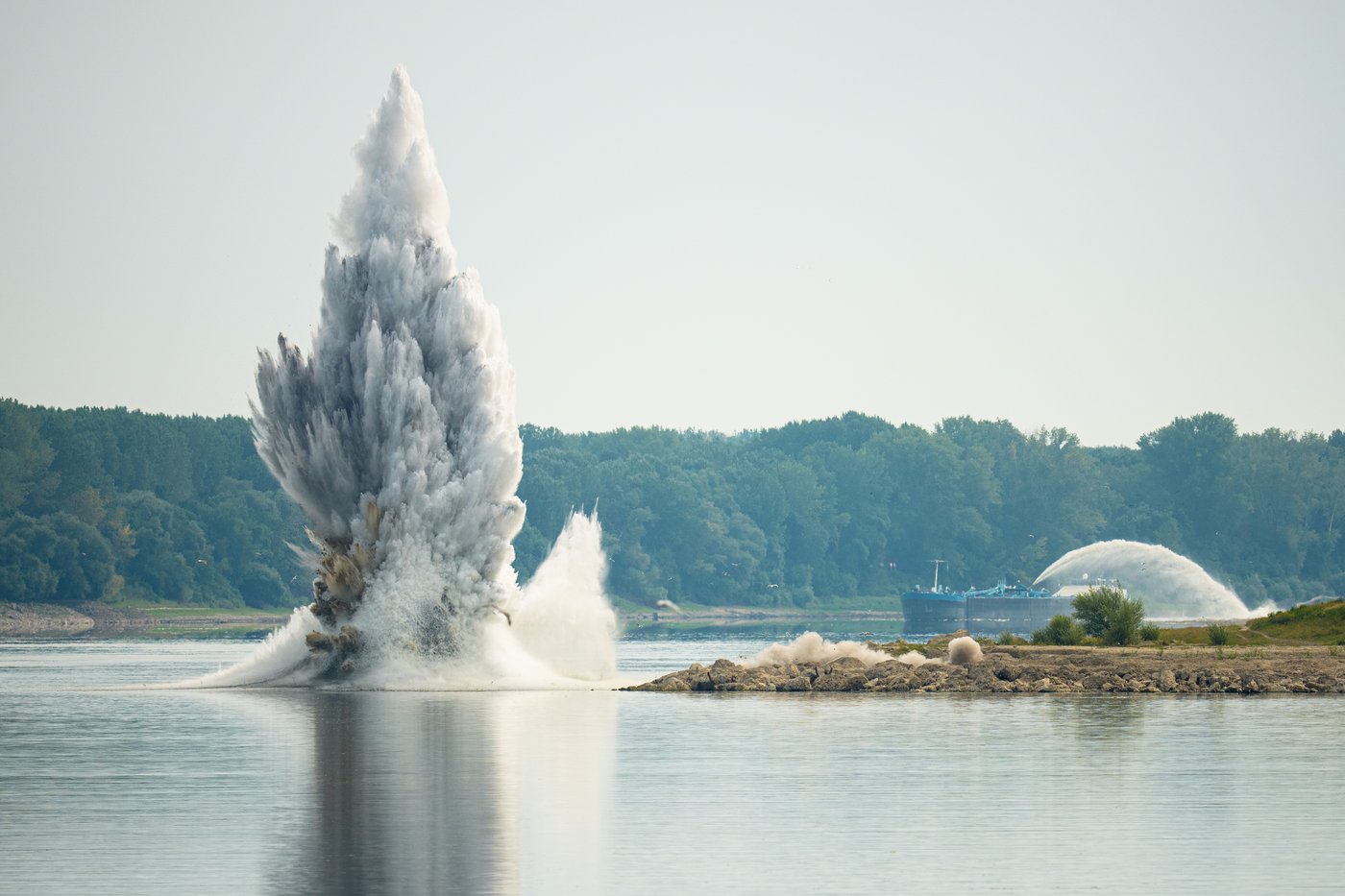
Romania last week began sinking four barges loaded with rock near the Danube’s Bala Canal that its military blasted from the river using explosives. The barges were meant to create an underwater barrier and redirect the water down the river’s main channel and toward the Cernavoda plant.
But ultimately, the Danube’s water levels receded to levels below what is necessary to keep the Cernavoda reactor operational.
“Maintaining both units in a safe shutdown state has no impact on nuclear safety parameters, including personnel, the environment and the population,” Nuclearelectrica added.
The Romanian development comes as authorities in Hungary plan steps, including the sinking of barges and building a bed sill, to try to raise the level of the Danube River this week in order to ensure the country’s only nuclear power plant, Paks, can continue operating. The plant is on the brink of shutting down for the first time in its 44-year history.

News from © The Associated Press, . All rights reserved.
This material may not be published, broadcast, rewritten or redistributed.

This site is protected by reCAPTCHA and the Google Privacy Policy and Terms of Service apply.
Want to share your thoughts, add context, or connect with others in your community?
You must be logged in to post a comment.