Elevate your local knowledge
Sign up for the iNFOnews newsletter today!
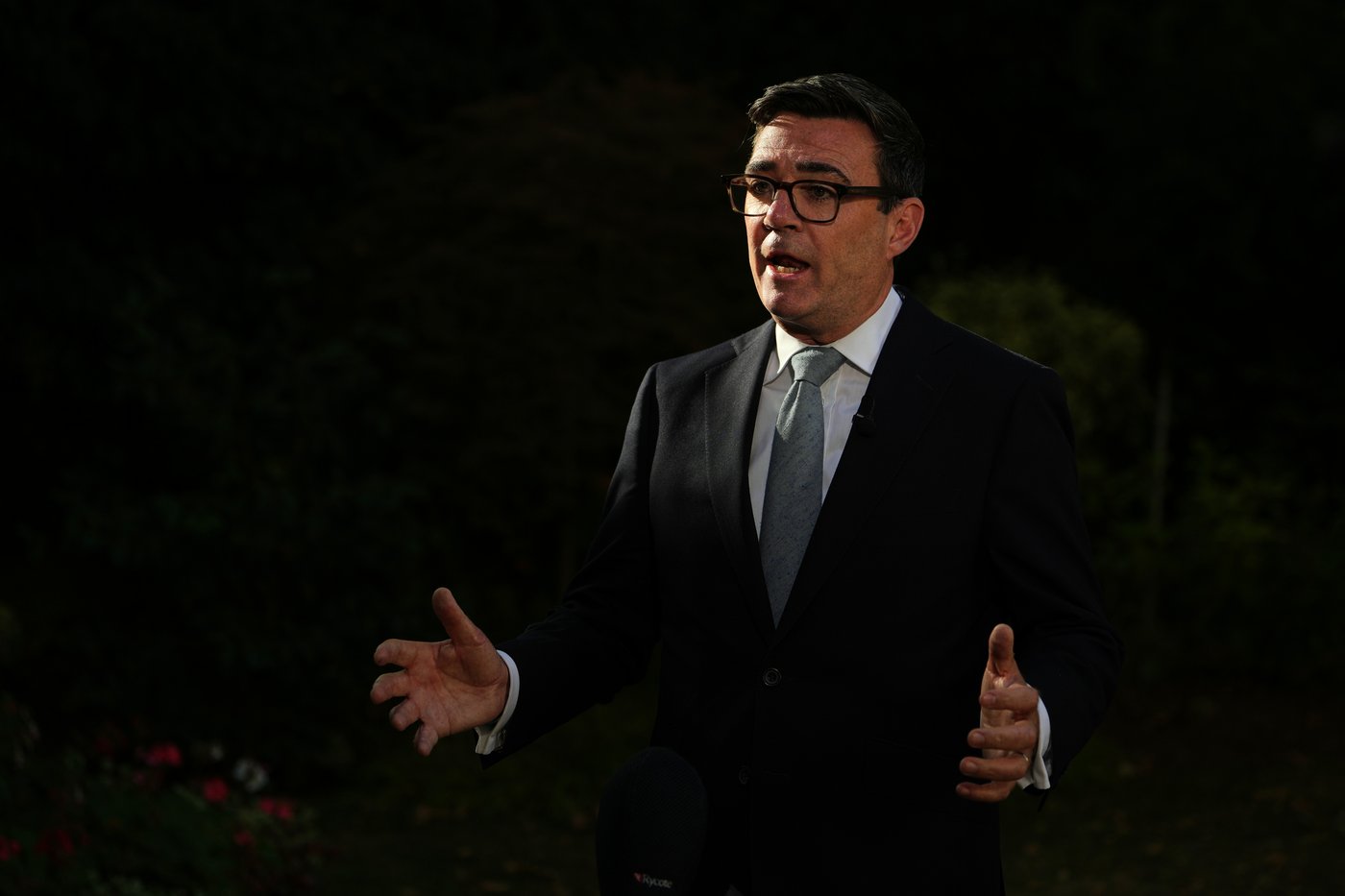
LONDON (AP) — British Prime Minister Andy Burnham exchanged messages with an impostor posing as U.S. President Donald Trump’s chief of staff, according to reports published Monday.
A spokesperson for Burnham declined to comment, saying it was policy not to discuss “national security matters.”
Politico cited four unnamed officials in first reporting that Burnham thought he was messaging with Susie Wiles before he became suspicious and cut off communications.
Last year, the U.S. government investigated a series of messages that elected officials, business executives and other prominent figures in the U.S. received messages from someone posing as Wiles.
Soon after those incidents, the State Department warned U.S. diplomats of attempts to impersonate Secretary of State Marco Rubio and possibly other officials using artificial intelligence. The warning followed the discovery that an impostor posing as Rubio had attempted to reach out to at least three foreign ministers, a U.S. senator and a governor.
The FBI had warned of “malicious actors” misusing AI to impersonate senior U.S. government officials.
Burnham, who became prime minister less than a month ago, has tried to forge good ties with the White House. Trump initially warmed to Burnham’s predecessor, Keir Starmer, before souring on him.

News from © The Associated Press, . All rights reserved.
This material may not be published, broadcast, rewritten or redistributed.

This site is protected by reCAPTCHA and the Google Privacy Policy and Terms of Service apply.
Want to share your thoughts, add context, or connect with others in your community?
You must be logged in to post a comment.