Elevate your local knowledge
Sign up for the iNFOnews newsletter today!
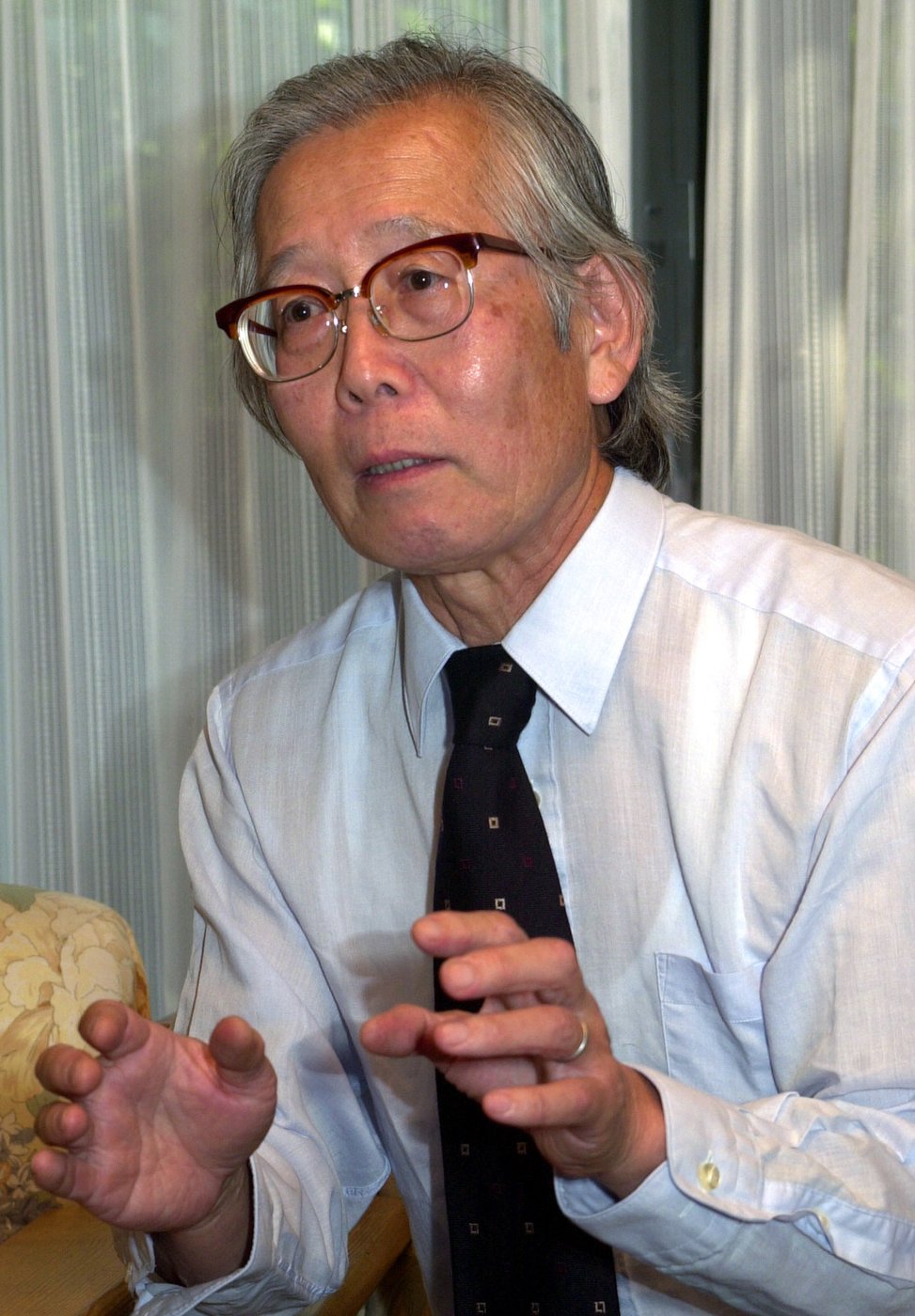
TOKYO (AP) — Japanese scientist Hideki Shirakawa, co-winner of the 2000 Nobel Prize in chemistry for discovering and developing conductive polymers, has died. He was 90.
The discovery by Shirakawa and two fellow American scientists, Alan Heeger and Alan MacDiarmid, demonstrated that plastic could conduct electricity like metal and be used in applications such as electronics.
Shirakawa died on Aug. 24, according to the University of Tsukuba, where he taught and researched after joining in 1979. The university did not specify a cause of death. Japan’s largest newspaper, the Yomiuri, said Shirakawa died at a hospital in Yokohama, west of Tokyo.
Born in Tokyo in 1936, Shirakawa earned a doctoral degree in engineering at the Tokyo Institute of Technology in 1966. Ten years later, he became a researcher at the University of Pennsylvania, where he worked with McDiarmid and Heeger.
The three scientists’ findings that defied common sense that plastics are not conductive paved the way for the development of inexpensive conductive materials that are lighter and more flexible than metals and used in solar cells and mobile phone screens.
News from © The Associated Press, . All rights reserved.
This material may not be published, broadcast, rewritten or redistributed.

This site is protected by reCAPTCHA and the Google Privacy Policy and Terms of Service apply.
Want to share your thoughts, add context, or connect with others in your community?
You must be logged in to post a comment.