

Not watering your lawn during Okanagan drought helps but it’s farms with water woes

Vernon orchardist Tom Davison hasn’t crunched the numbers yet, but he reckons this year’s water restrictions have likely cost his farm a couple of hundred thousand dollars.
“It has been a very difficult summer,” Davison told iNFOnews.ca. “We’re just trying to survive here day by day and keep things functioning.”
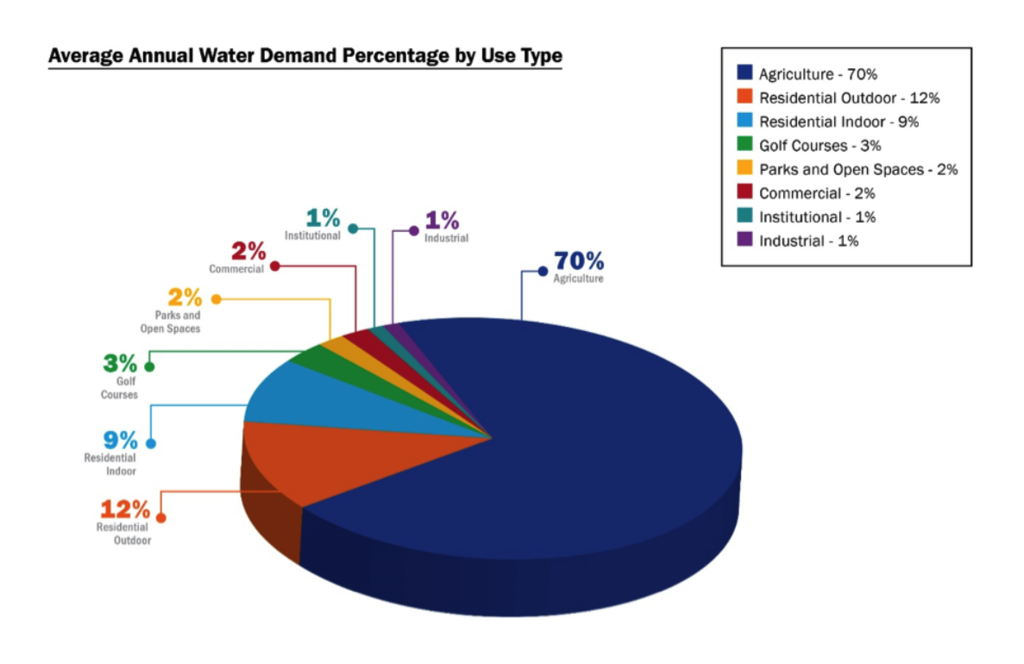
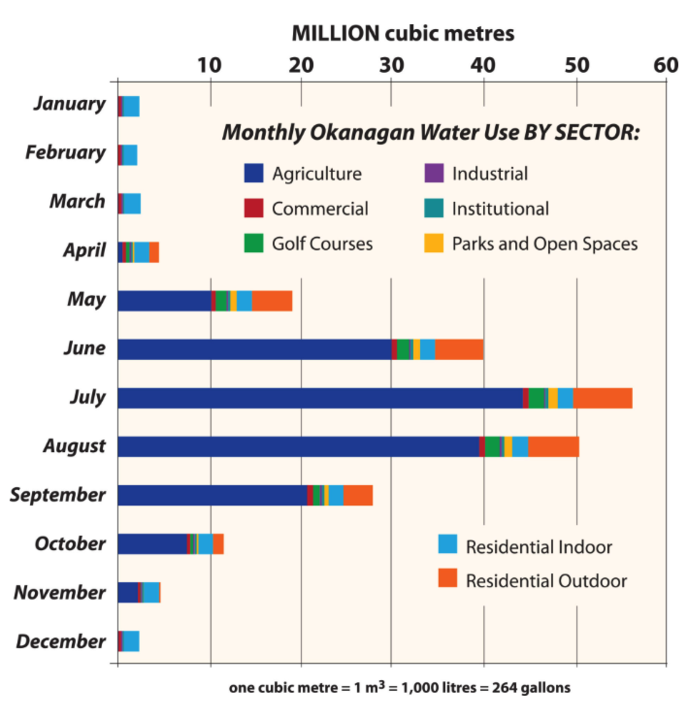
To keep things functioning, agriculture needs a lot of water, and in the Okanagan Valley about 70% of all water is used by farms. In the North Okanagan, that number drops to about 55%, according to the Regional District of North Okanagan.
In comparison, residential outdoor use accounts for 12%, according to figures from the Okanagan Basin Water Board. Indoor residential is just 9%.
When the Greater Vernon Water utility brought in restrictions due to critically low reservoir and lake levels, it was farmers who took the brunt.
While residents have to make do with a brown lawn, farmers had their water allocations reduced by 70%.
And when your entire livelihood depends on water, farmers have been forced to pivot.
Agricultural consultant Jessica Washtock, who works for the Regional District of North Okanagan, said farmers are constantly trying to make practices more efficient to survive.
However, there is a catch.
“Everything that increases efficiency is costly,” she said.
Davison said the farm has been reducing its water consumption since the 1980s.
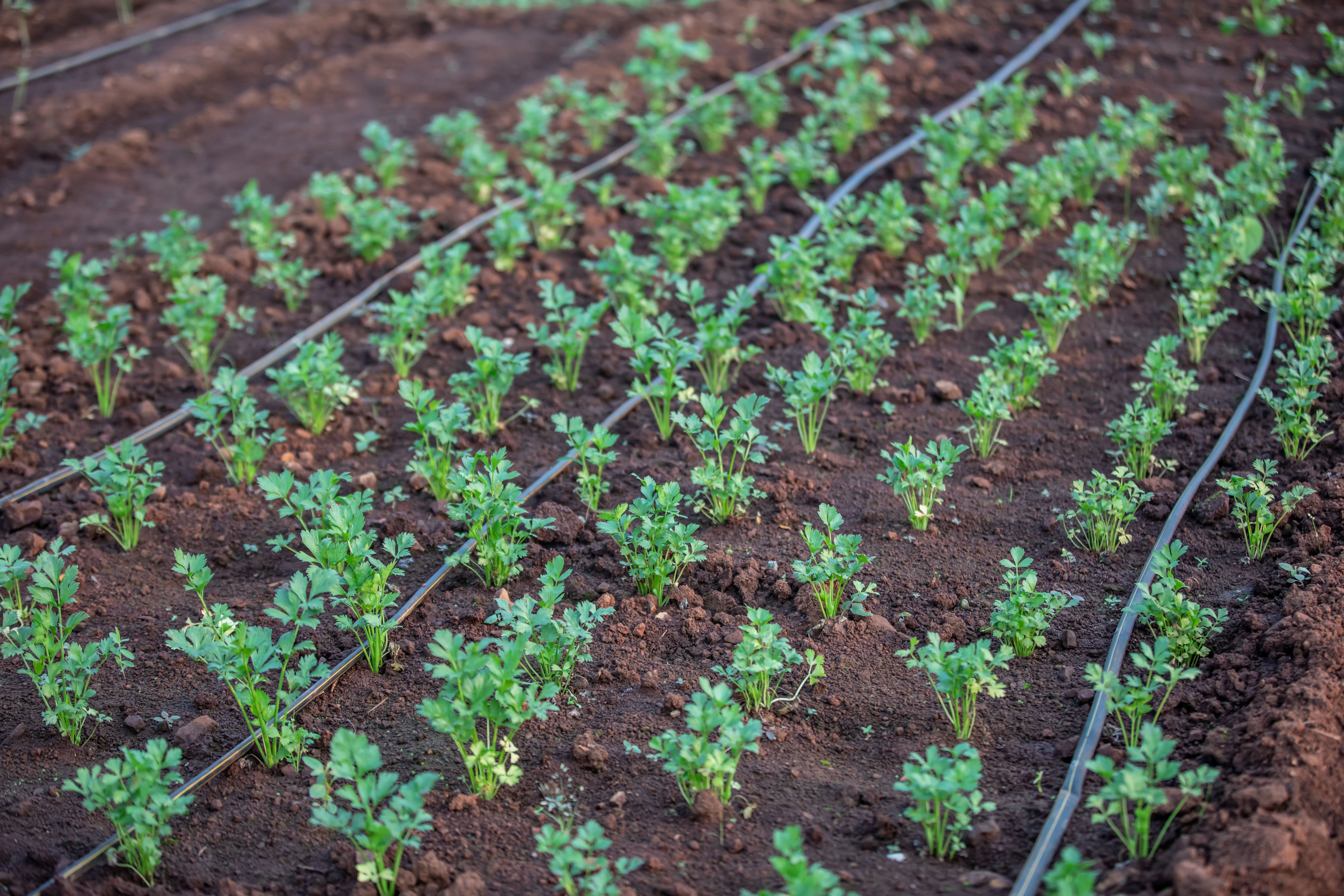
“We use trickle irrigation, which really does make a huge difference,” Davison said. “We also use netting over our trees to protect the fruit from hail, but it also creates a shade effect. So the trees that are under that netting can get by with less water.”
He said on a normal year, the farm typically uses about 60% to 70% of its water allocation.
“But that being said, 30% (allowed use) is devastating to the crop,” he said. “We were juggling water between the different crops, trying to make it work.”
When the restrictions came in, he brought in 40 truckloads of mulch to spread on the ground, which keeps the moisture in.
“We’re doing anything we can think of to be as efficient as we possibly can with every drop of water,” he said. “But we still need a reliable source of water.”
And that reliable source of water is facing challenges.
“Even if we get snow… that’s really a drop in the bucket compared to how dry we are,” Okanagan Basin Water Board executive director Melissa Tesche told iNFOnews.ca. “Every year of drought without recovery makes the water scarcity challenges more severe.”
Greater Vernon relies on three century-old reservoirs on the Aberdeen Plateau east of Vernon, along with Kalamalka Lake.
Tesche said we need to rethink our relationship with water and how we use it.
“There’s space for individual actions, and they might feel small, but they add up to a lot,” she said.
But if agriculture uses anywhere from 55% to 70% of our water, the burden appears to be on farmers to make the biggest changes.
Washtock said it’s not fair to say that farmers use too much water.
“Some are doing incredible stuff,” she said. “Some are changing their practices and increasing efficiency.”
The majority of farmers weren’t using their fully allocated amount of water, and Washtock said those who went over their allocation, which they then had to pay for, were a small minority.
However, regardless of the innovation and perseverance, they still struggle because water at the moment is so limited.
Within the North Okanagan regional district there are 550 agricultural parcels of land, and each parcel gets an allowance of 5,500 cubic metres of water per hectare for the whole year. It costs $404 a year.
Shortly after the restrictions came out in the spring, Greater Vernon Water allowed farmers to trade their allowances with other farmers.
Washtock said many small acreages with horses or cattle handed over their water allocations to neighbours with orchards so they could survive.
In July, the regional district expanded to supply agricultural irrigation systems with reclaimed water.
It gave Davison Orchards another 6%.

“It doesn’t sound like much, but when you’ve been reduced to 70% every drop matters,” Davison said.
The lack of water has meant smaller fruit, which equates to a smaller bank balance.
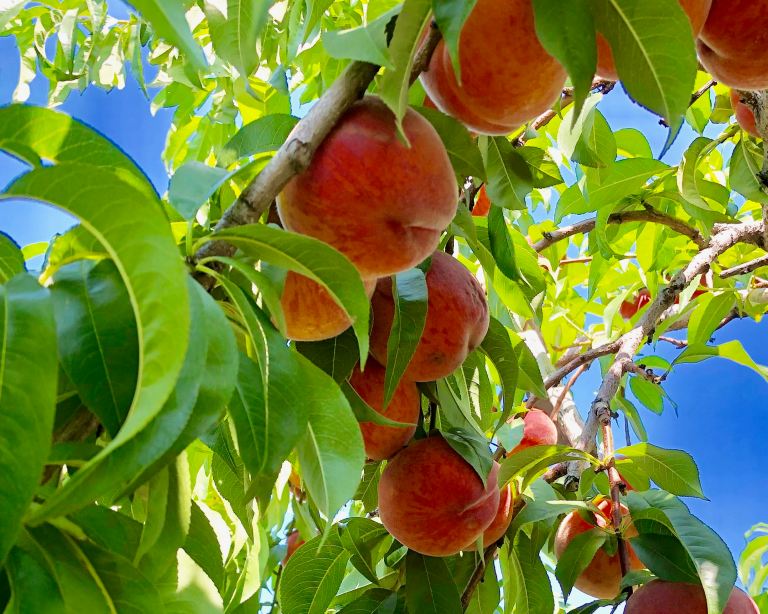
Davison said normally between 3 to 5% of peaches are too small – this year it’s been 50%.
“We’ll never sell all the small peaches we have, we’ll be dumping them,” he said.
So what happens if next year is the same as this year?
“We’re optimists or we wouldn’t be in this business,” Davison said.
However, he said that at some point something will have to happen to secure water for everybody, not just residential use.
“The water that we have now was put in for agriculture and agriculture should be a priority,” he said.
Zelaney Farms has been farming in Coldstream for more than 30 years, and this year’s water restrictions have taken their toll.
“This season has been extremely stressful, as well as mentally and emotionally exhausting,” Rachelle Zelaney told iNFOnews.ca.
She said they’re expecting similar water restrictions next year as a super El Niño weather pattern is expected to bring minimal winter snow and spring rain.
“Our farm would certainly be affected if that is the case, and we would potentially be planning to produce only a quarter of our normal annual crops,” Zelaney said.
“Being at the mercy of the weather is a normal occurrence for farmers, and typically we are an extremely resilient bunch… however, this season has really taken its toll on us.”
It’s a sobering thought and a stark message.
“It’s such a vital resource. Six inches of soil and rain is what feeds the world,” Washtock said.
News from © iNFOnews.ca, . All rights reserved.
This material may not be published, broadcast, rewritten or redistributed.

Join the Conversation!
Want to share your thoughts, add context, or connect with others in your community?
You must be logged in to post a comment.