Elevate your local knowledge
Sign up for the iNFOnews newsletter today!
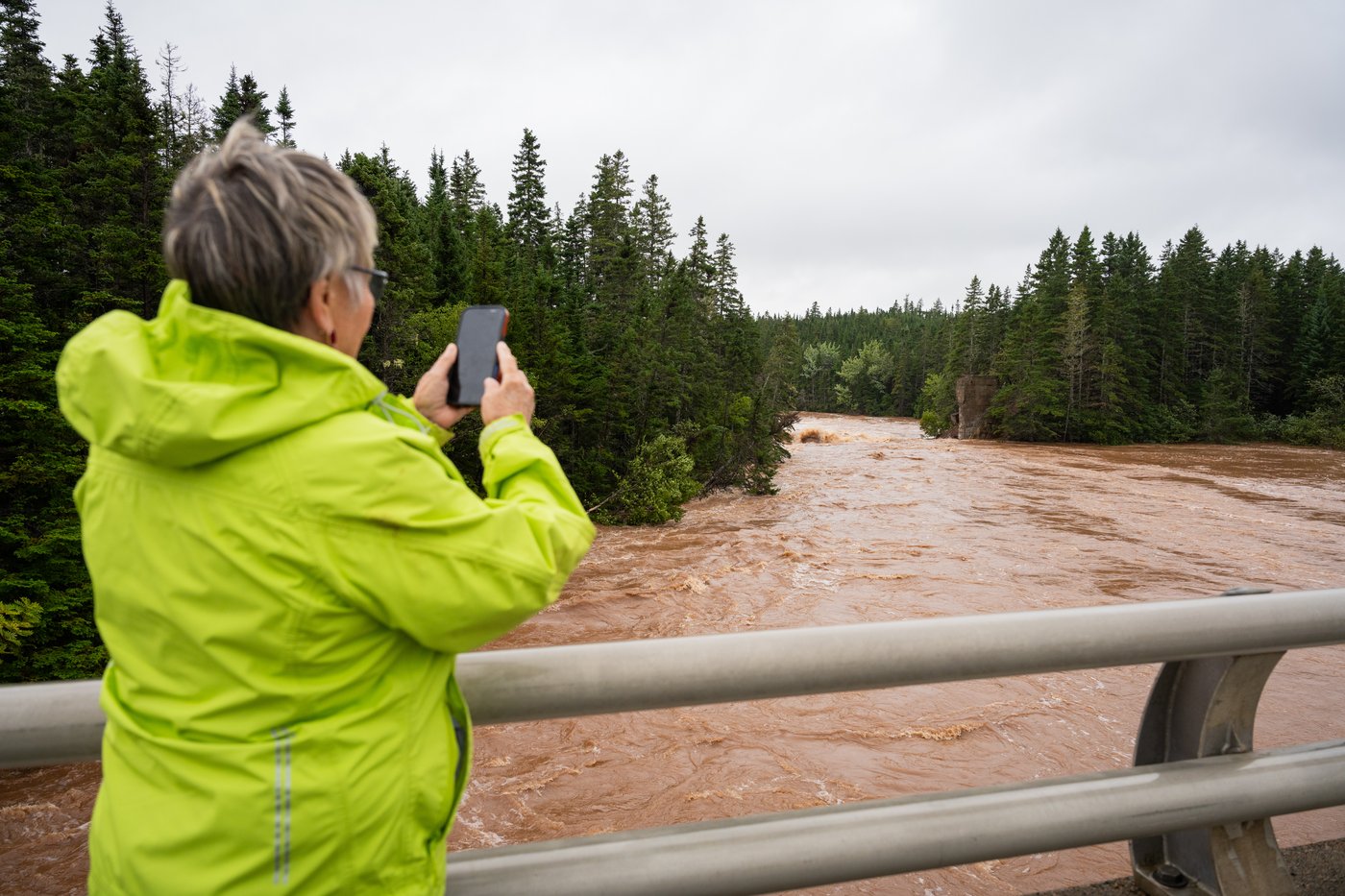
Rebuilding efforts in northern Nova Scotia ramped up on Monday after days of torrential rain triggered floods that destroyed roads, washed out bridges and are believed to have caused one death.
Public Works Minister Fred Tilley said hundreds of provincial employees and local contactors are working to restore the entirety of Cape Breton Island’s road network within the coming days.
“We are hoping to get all those folks that may be stranded access to the road network very soon,” Tilley said in an interview.
A slow-moving storm dumped more than 200 millimetres of rain on the island and parts of the northern mainland over less than two days.
While the province prepared for the storm, Tilley said, “there’s not much infrastructure that can handle that in Nova Scotia.”
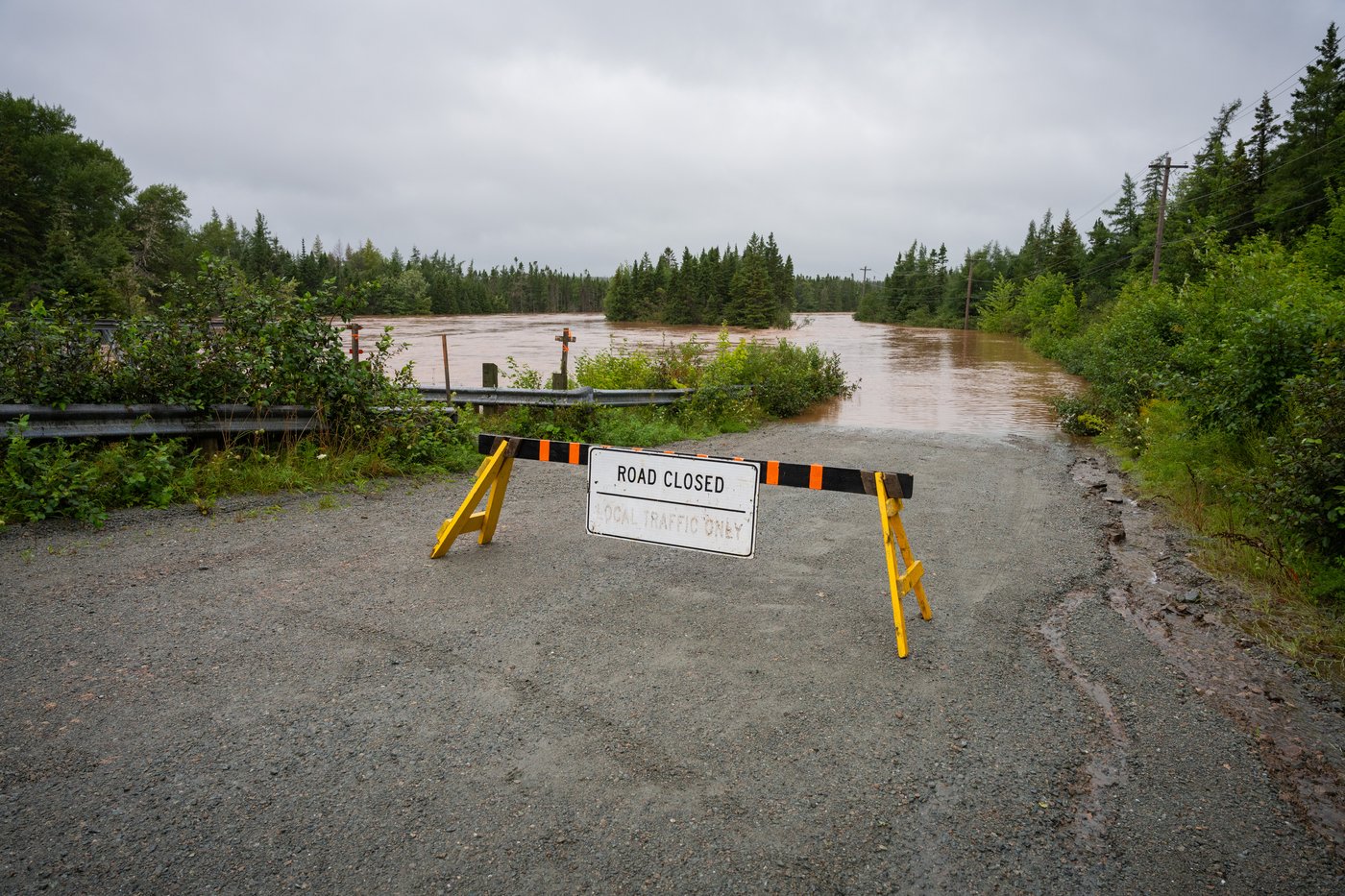
“It’s another one of these one in 100 year storms that has wreaked havoc,” he said. “It’s always top of mind when we’re rebuilding to build for climate change where possible.”
Gary Chandler, a resident of Inverness County, said he couldn’t leave the area where he lives in rural Cape Breton on Saturday because a culvert on his dirt road washed out.
The 57-year-old and his partner soon discovered they were essentially stuck between two broken culverts on one side and a broken bridge on the other, and unable to drive out of the area until they were fixed.
For about three days, Chandler and his family had to walk through the nearby woods and cross a small brook to transfer groceries, clothes and supplies between vehicles left on the opposite sides of the washouts.
“If any emergency vehicles had to get in, they would not be able to,” Chandler said on Monday.
“They would’ve had to have a helicopter to get to … anybody that would get sick or hurt.”
Chandler said when he checked on Monday afternoon, one of the culverts was restored and he was able to drive into Whycocomagh, ending days of blocked access.
Environment Canada had forecast up to 25 to 40 millimetres of heavy rain Monday morning for most of northern Cape Breton Island, with higher amounts possible in thunderstorms.
The weather service said that water would likely pool on roads and low-lying areas, as the ground couldn’t absorb more rainfall.
The rain let up enough later in the afternoon and Environment Canada pulled its rainfall warnings, with forecasts showing lighter rain in some areas of Cape Breton.
But it advised travellers to listen to local officials about road safety conditions while avoiding low-lying areas and watching for washouts near rivers and culverts.
The flooding has been linked with one death after a 46-year-old woman from Richmond County was found dead on Saturday, several hours after her abandoned vehicle was discovered near a flooded bridge.
RCMP said on Sunday the death is not believed to be suspicious and added they would not provide any more information.
The province’s Emergency Minister Kim Masland said on Monday her condolences are with the woman’s loved ones and community as they mourn.
“When tragedy takes the life of a fellow Nova Scotian, it is felt across our province. I want her loved ones to know that all Nova Scotians are standing with them,” Masland said in a statement.
“My thoughts are also with everyone affected by these devastating floods. This is an incredibly difficult time for many families and communities, and I want people to know that we are here.”
Lois Landry, warden of the hard-hit Richmond County, said a Zodiac rescue boat operated by a local fire department and a provincial helicopter were used to carry out daily wellness checks for any residents completely cut off by flooding.
Guests stranded at the Lakeside Luxury Domes camp in the Saint George’s Channel area created a makeshift, “jerry-rigged” exit route after the property was washed out, she said.
“We’re used to hurricanes on the East Coast, that’s not new to us. But there was wind coupled with rain we haven’t seen the likes of, really, ever,” she said in a phone interview.
At the peak of the flooding, according to a spokesperson for the province’s Department of Public Works, there were more than 120 closed or damaged roads on the Island.
“Currently, about 44 are closed. The rest have either fully or partially reopened, including dozens overnight,” Toby Koffman, communications director for the department, said in a statement Monday.
Koffman said two of eight bridges that were damaged will need to be replaced, while more than 200 culverts were washed away, from driveways to major roads.
He said it would take some time before the province can estimate the total cost of the damage caused by the flooding.
Landry said she’s lived on Cape Breton Island all of her 58 years, and she’s never seen so much flooding before.
A rainfall device in the Saint George’s Channel area measured 230 millimetres of rain before it broke, she added.
“We really can’t even wrap our heads around that much rain … it compromised the ground beneath our infrastructure.”
This report by The Canadian Press was first published Sept. 7, 2026.
News from © The Canadian Press, . All rights reserved.
This material may not be published, broadcast, rewritten or redistributed.

This site is protected by reCAPTCHA and the Google Privacy Policy and Terms of Service apply.
Want to share your thoughts, add context, or connect with others in your community?
You must be logged in to post a comment.