Elevate your local knowledge
Sign up for the iNFOnews newsletter today!
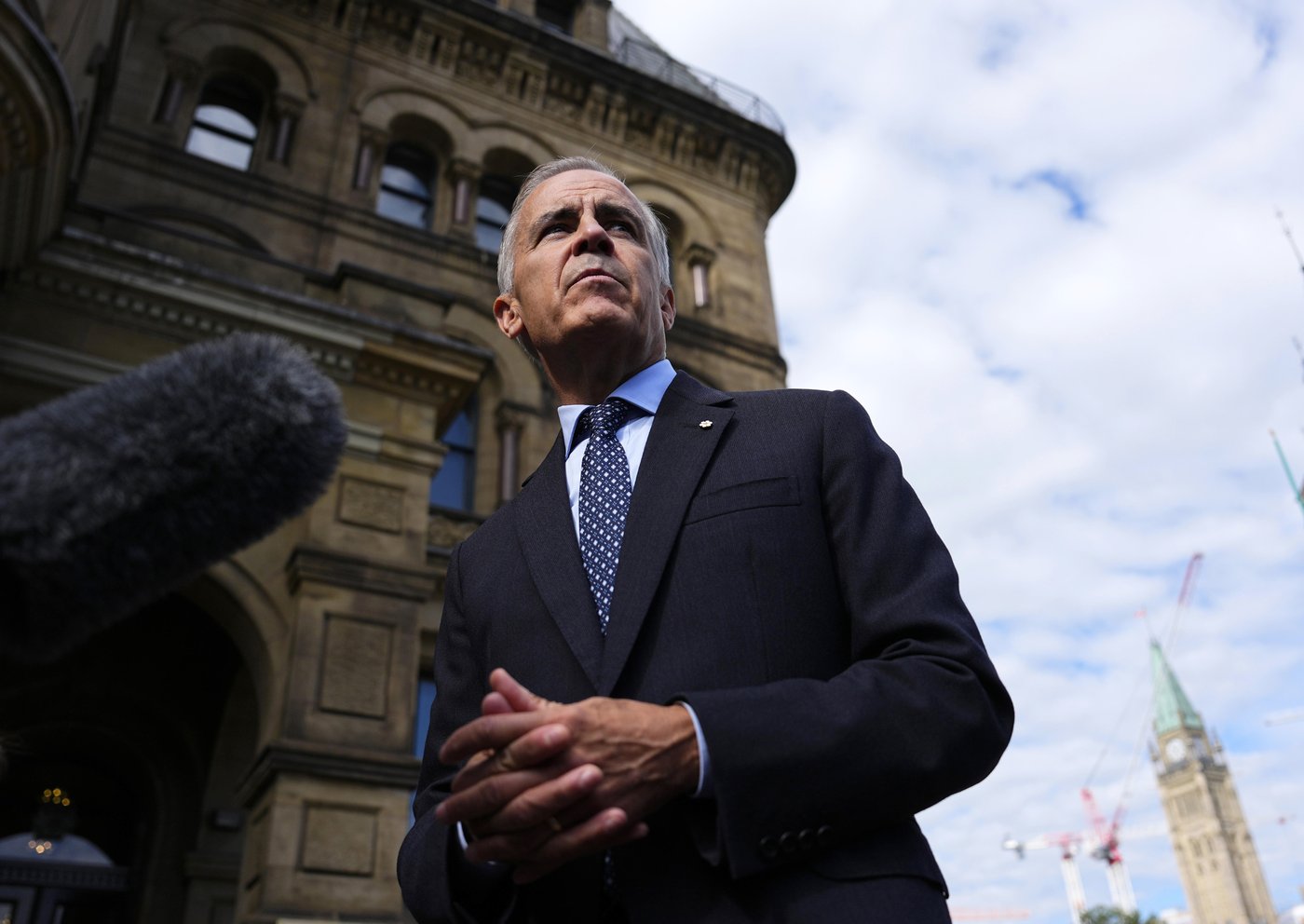
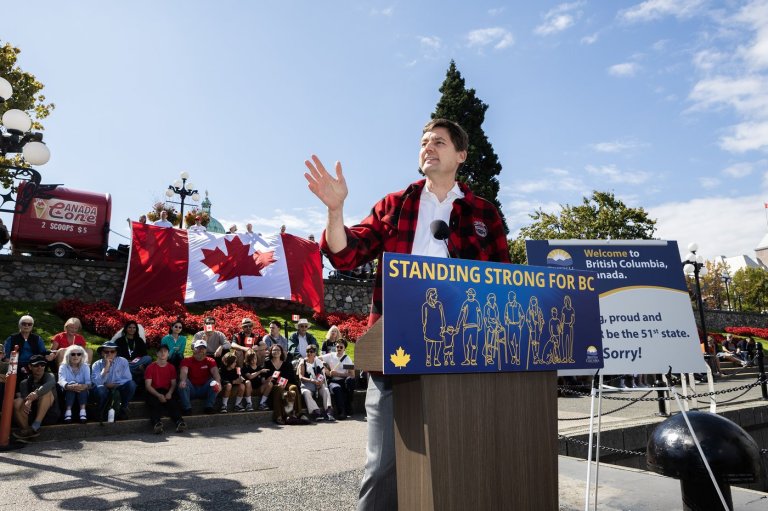
OTTAWA — Canada’s pivot away from the United States will “come at a cost” but the alternative would be far worse, Prime Minister Mark Carney said Tuesday.
Carney made the remarks in a video released just hours after his government made good on a promise to implement retaliatory tariffs on the United States. Those tariffs respond to American duties imposed last month by U.S. President Donald Trump, after the two countries could not come to an agreement to settle some outstanding trade irritants.
Carney spent much of the video laying out Canada’s response to Trump’s protectionist trade policies, including expanding trade with other countries and building more capacity domestically.
But he said it “won’t be easy.”
“That pivot will come at a cost. There’s always a cost to action. But it doesn’t come close to the cost of standing still.”
The video is the latest in a series Carney launched last spring to update Canadians on his government’s polices and its response to U.S. trade actions.
Carney said the goal of those policies is to make Canada stronger and more resilient so “no country can ever hold us hostage, and that we can live how we want to live.”
Carney cut off trade talks with the United States last month. The two sides failed to reach a deal before U.S. President Donald Trump’s deadline for imposing new 50 per cent tariffs on nearly $28 billion in Canadian goods.
In his video address, Carney again accused the U.S. side of trying to introduce measures that would have restricted Canada’s ability to trade with other countries, and its ability to promote and protect the French language and culture.
Over the weekend and on Tuesday, federal Conservatives amped up their calls for Carney to release the full details of the deal his government rejected, and for Parliament to be recalled earlier than the scheduled Sept. 21 return date.
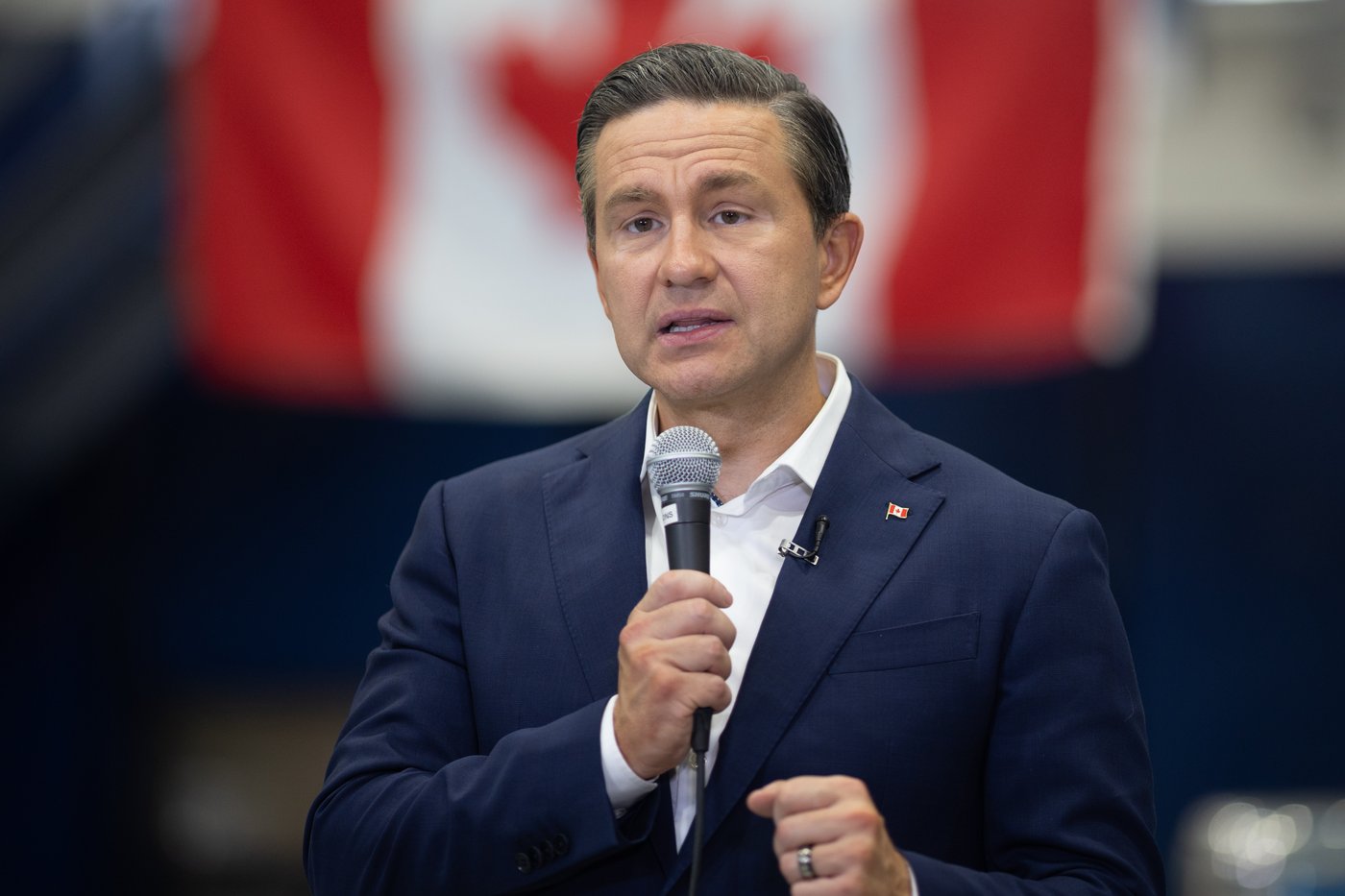
“We’re asking for the prime minister to be straight-up. We know it’s not easy to negotiate with the U.S. president. But the best way to keep everyone united and rowing in the same direction is to be up front about the costs, the decisions and the plan going forward,” Conservative Leader Pierre Poilievre said at a news conference in Regina on Monday.
“The only people who haven’t seen (the deal) are the Canadian people. They deserve to see it so they can judge what we are fighting for, and what we are fighting against.”
Responding to Carney’s video on Tuesday, Poilievre said Canadians already are struggling with the high cost of living.
“How much tougher can things get for the 2.2 million food bank users, the people defaulting on mortgages, the small businesses closing, and the people who can’t afford homes?” Poilievre said in a post on X.
“Open Parliament. Release the deal. Reveal costs to families and small business and save jobs and money for our struggling people.”
Former Alberta premier Jason Kenney praised Carney’s video address for striking a good tone.
“I don’t agree with every policy approach (e.g. regarding China as a reliable trade partner) and believe the government is still falling far short on deregulation and fiscal reform,” Kenney posted on X.
“But this is such a positive contrast to what’s coming out of the White House.”
Trump has mused openly for nearly two years about turning Canada into a U.S. state and has repeatedly referred to the prime minister as “governor.”
In January 2025, before being sworn in for his second term, Trump ruled out using military force but said he would consider using “economic force” to make Canada part of the U.S.
Canada’s reciprocal tariffs took effect Tuesday in response to Trump’s latest round of 50 per cent tariffs targeting dozens of products, including honey, hockey sticks, milk and cheese.
Canada’s tariffs, ranging from 15 to 50 per cent, target only products that were on the U.S. list and match the dollar value of the exports — $27.8 billion.
“I don’t believe in escalating the conflict. That’s not constructive,” Carney said in his video address.
“But our tariffs are necessary to protect our workers, protect our companies and our communities. We can’t let American goods into Canada tariff-free while they charge our companies to export them.”
Carney also offered a history lesson in his video address. He mentioned the Benjamin Harrison administration in 1890 and the push to impose tariffs on Canada led by Ohio congressman William McKinley, who would later become president.
“It put 50 per cent tariffs on our exports to the U.S. Sound familiar?” Carney said.
“McKinley’s 50 per cent tariff was meant to pressure us into dependence and eventually annexation by the United States. In reality, it did just the opposite.
“Rather than getting weaker, Canada grew stronger. Instead of becoming more dependent, we diversified by changing who we did business with. At the same time, inflation rose in the United States. They had a financial crisis and a four-year economic depression.”
This report by The Canadian Press was first published Sept. 8, 2026.
News from © The Canadian Press, . All rights reserved.
This material may not be published, broadcast, rewritten or redistributed.

This site is protected by reCAPTCHA and the Google Privacy Policy and Terms of Service apply.
Want to share your thoughts, add context, or connect with others in your community?
You must be logged in to post a comment.