Elevate your local knowledge
Sign up for the iNFOnews newsletter today!
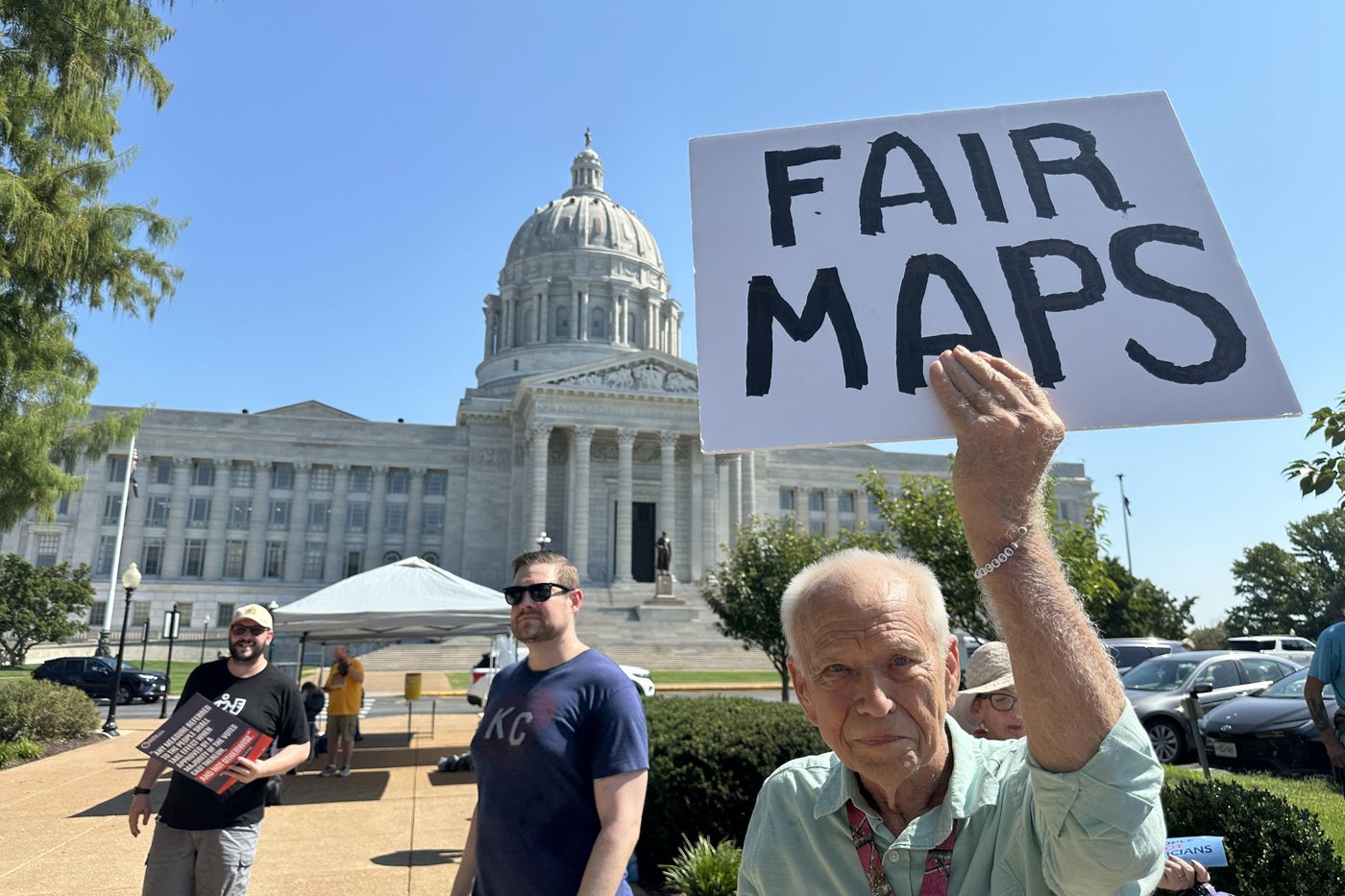
JEFFERSON CITY, Mo. (AP) — Dueling court orders eight weeks before Election Day left Missouri’s congressional map uncertain Tuesday as legal wrangling over a redistricting plan backed by President Donald Trump sparked fresh confusion.
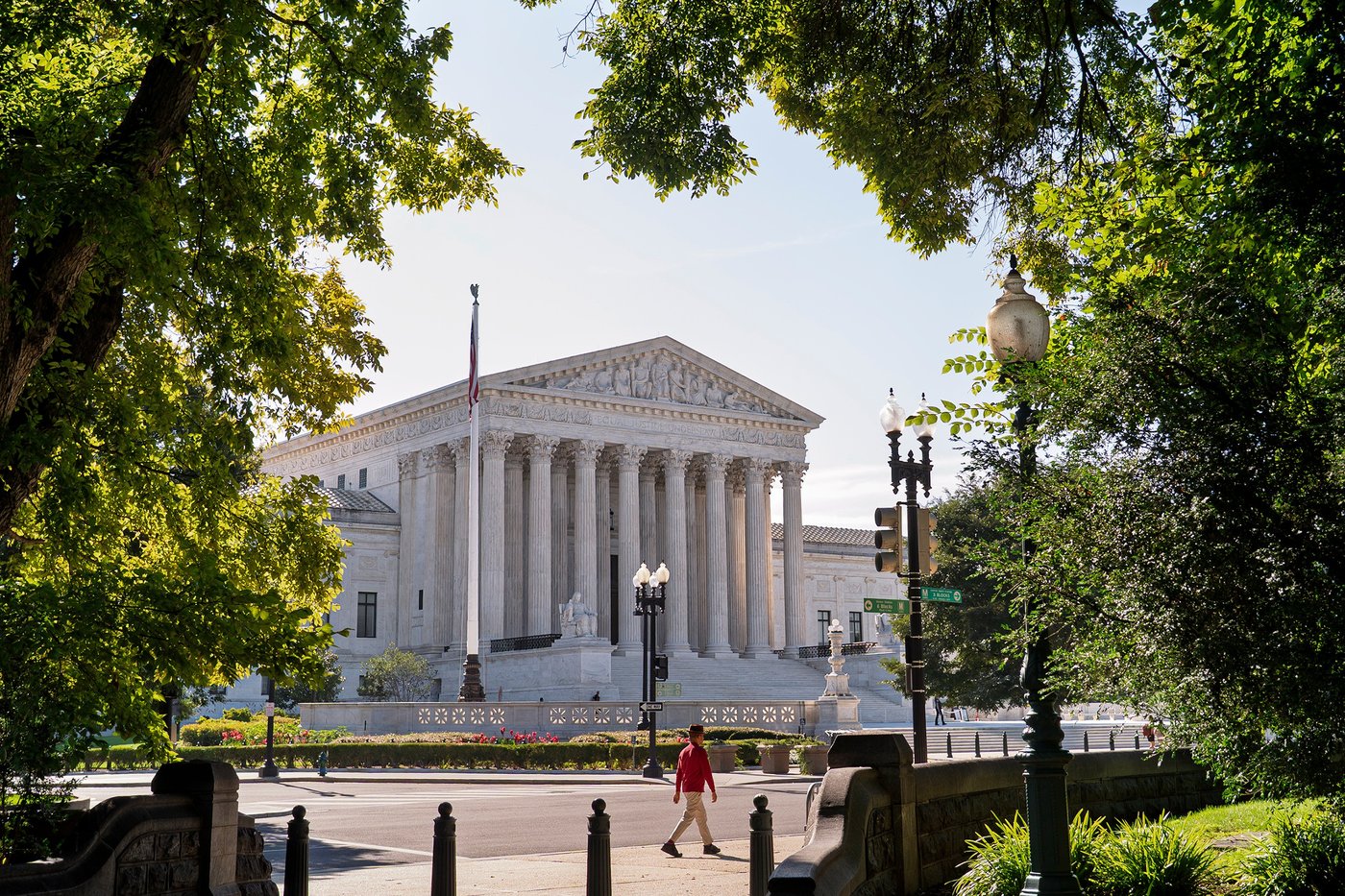
A federal judge in Missouri on Tuesday temporarily blocked the state from using its old congressional districts in the November election. But that came just moments after the U.S. Supreme Court let stand a decision from the Missouri Supreme Court ordering the old districts to be used instead of new ones favored by Trump.
The decisions highlight the bewildering nature of Missouri’s redistricting battle, which has spanned more than a year and leaves Missouri voters in some parts of the state uncertain which district they will be in on Election Day.
Missouri’s top court ruled last week that the new Trump-backed map cannot be used because citizens turned in thousands of petition signatures demanding a statewide vote on it.
The U.S. Supreme Court declined to take up an appeal from Missouri’s Republican attorney general, leaving in place the injunction from Missouri’s top court. But moments later, U.S. District Judge Stephen Clark, a Trump appointee, issued a temporary restraining order prohibiting Missouri from using anything other than the new districts backed by Republicans.
Redistricting opponents quickly filed a notice to appeal that order to the 8th U.S. Circuit Court of Appeals.
The new districts were used in the August primary, and the winners already were certified by election officials. But the question of which districts will be used in the November election continues to linger. Clark’s order remains in place for 14 days, allowing time for additional court proceedings.
Missouri Attorney General Catherine Hanaway said the state “is prepared to follow and comply with” Clark’s order, which she said “binds the state to using” the new congressional districts.
Republican Secretary of State Denny Hoskins, who oversees elections, described the federal court order as a victory that “halts a full-on constitutional crisis.” He immediately notified local election officials that they are required to use the new districts.
But an attorney for People Not Politicians, the group that sponsored the referendum petition, stressed that the order from Missouri’s top court against using the new map also remains in effect. The group’s leader filed a request Tuesday night with the state Supreme Court to hold Hoskins in contempt for attempting to use the new map, and the court scheduled arguments for Thursday on the request.
“An individual federal judge cannot overrule the Missouri Supreme Court,” said attorney Chuck Hatfield, who represents People Not Politicians.
Judge says switching maps could ‘wreak havoc’
Hanaway has argued it would violate federal rights and cause confusion to switch districts for voters between the primary and general elections. Clark agreed in his written order.
“Using a different map for the general election would wreak havoc on the fairness and orderliness of Missouri’s congressional elections, calling into question the candidacy of those nominated in the primaries and the votes of those who voted in the primaries,” Clark wrote. “Widespread voter confusion would inevitably follow.”
U.S. Supreme Court Justice Brett Kavanaugh, who handles cases from Missouri, did not explain the rationale for declining to take up the case.
Missouri law set a Tuesday deadline to change the candidates or issues on the November ballot. But the determination of which ballots voters receive could take longer. Federal law sets a Sept. 19 deadline to begin mailing absentee ballots to overseas citizens and military members.
New Missouri district targets Democrat from Kansas City
Missouri currently is represented in the U.S. House by six Republicans and two Democrats who were elected under districts that Republican state officials approved in 2022.
But at Trump’s urging, Missouri Gov. Mike Kehoe called the Legislature into a special session last year to redraw congressional boundaries to Republicans’ advantage ahead of the midterms.
The revised map targeted the 5th Congressional District, held by longtime Democratic Rep. Emanuel Cleaver of Kansas City. It reassigned portions of Kansas City to two neighboring districts represented by Republicans and stretched the remainder of Cleaver’s district far eastward into rural Republican areas.
About 59% of the district’s voters were new under the revised map, according to an Associated Press estimate.
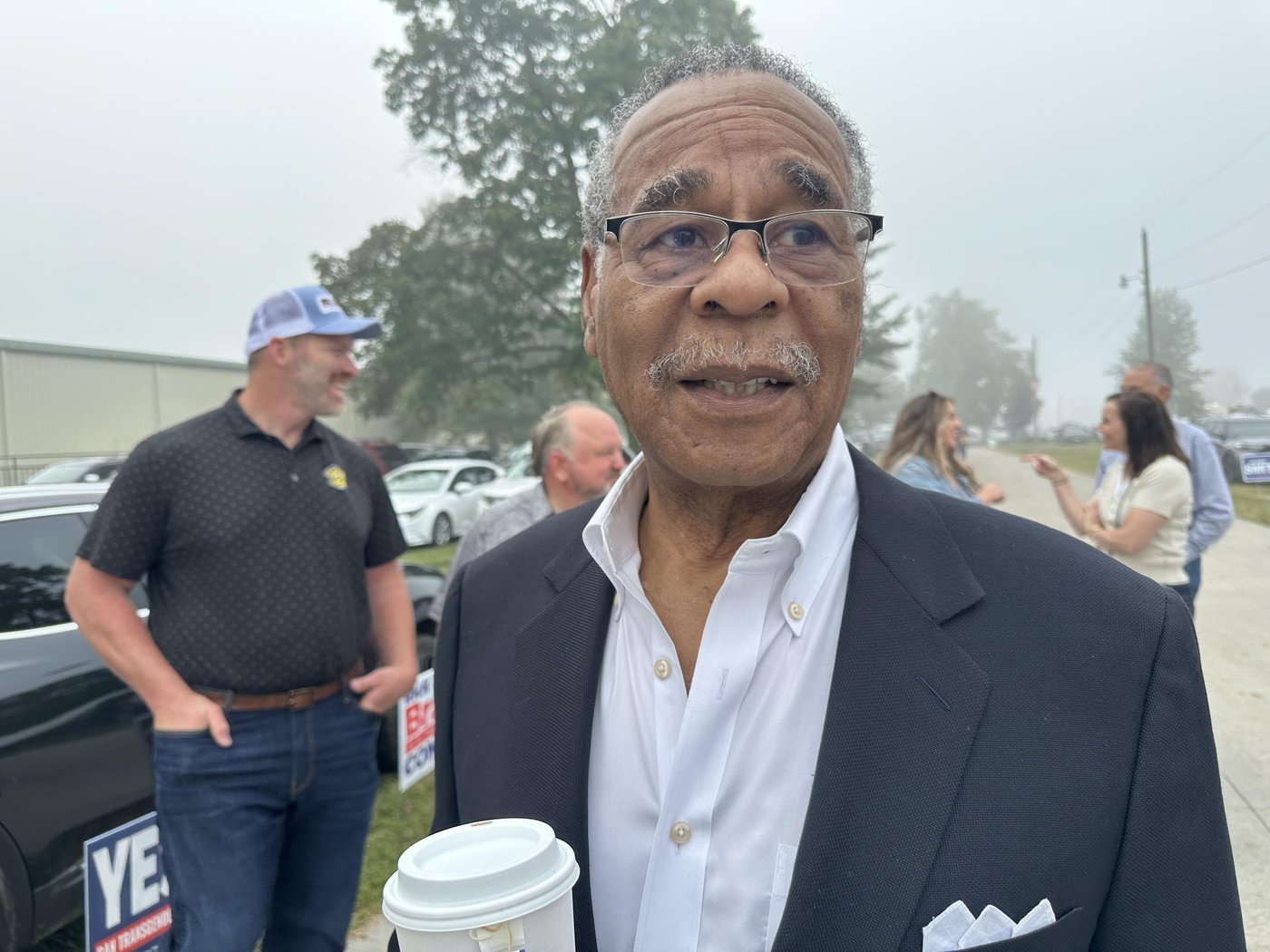
Cleaver, who was unopposed in the Democratic primary, praised Tuesday’s U.S. Supreme Court action and expressed confidence the old districts will ultimately be used.
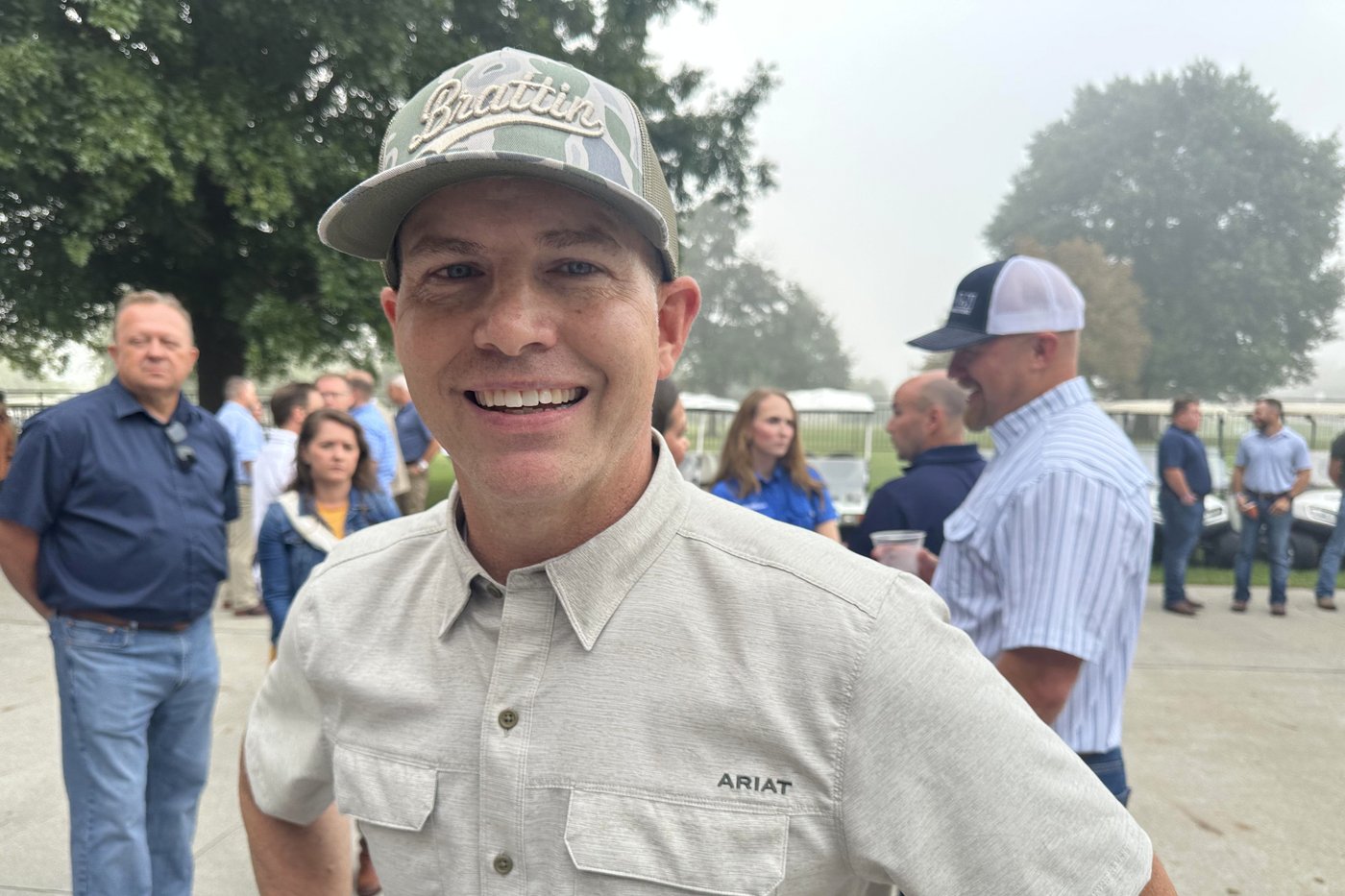
State Sen. Rick Brattin won the Republican primary in the reshaped district. He joined with Republican U.S. Rep. Bob Onder and other voters to file the federal lawsuit resulting in Clark’s temporary order. Brattin praised that decision while pledging a continued campaign.
Missouri’s top court said new districts never became law
On the same day as the primary, Hoskins rejected a petition with thousands of signatures seeking to force a November referendum on the map. Hoskins asserted that Missouri’s Constitution doesn’t allow a referendum on congressional redistricting. A lower court agreed, but the state Supreme Court reversed Hoskins’ decision.
The state’s top court said the new districts were retroactively frozen in December, when the petition signatures were submitted, and thus never became law. Hoskins on Tuesday assigned the redistricting referendum as Proposition A on the November ballot, in compliance with the state court order.
The Missouri Constitution does not specifically say that a referendum can be used for congressional redistricting. But the state Supreme Court said a constitutional provision allowing a referendum on “any act” of the Legislature encompasses congressional redistricting legislation.
Missouri was the second Republican-led state, after Texas, to respond to Trump’s call last year to redraw congressional districts. Several other states followed. All told, Republicans hoped to win as many as 16 additional seats from new House maps enacted in eight states — Texas, Missouri, North Carolina, Ohio, Florida, Tennessee, Louisiana and Alabama. Democrats, whose counterattack faced several setbacks, think they could win up to six additional seats from new districts in California and Utah.
It remains to be seen whether the redistricting works as intended for Republicans. The president’s party historically has lost congressional seats in the midterms, and Trump’s poor approval ratings could provide an extra hurdle for Republican candidates.
___
Whitehurst reported from Washington.
News from © The Associated Press, . All rights reserved.
This material may not be published, broadcast, rewritten or redistributed.

This site is protected by reCAPTCHA and the Google Privacy Policy and Terms of Service apply.
Want to share your thoughts, add context, or connect with others in your community?
You must be logged in to post a comment.