Elevate your local knowledge
Sign up for the iNFOnews newsletter today!
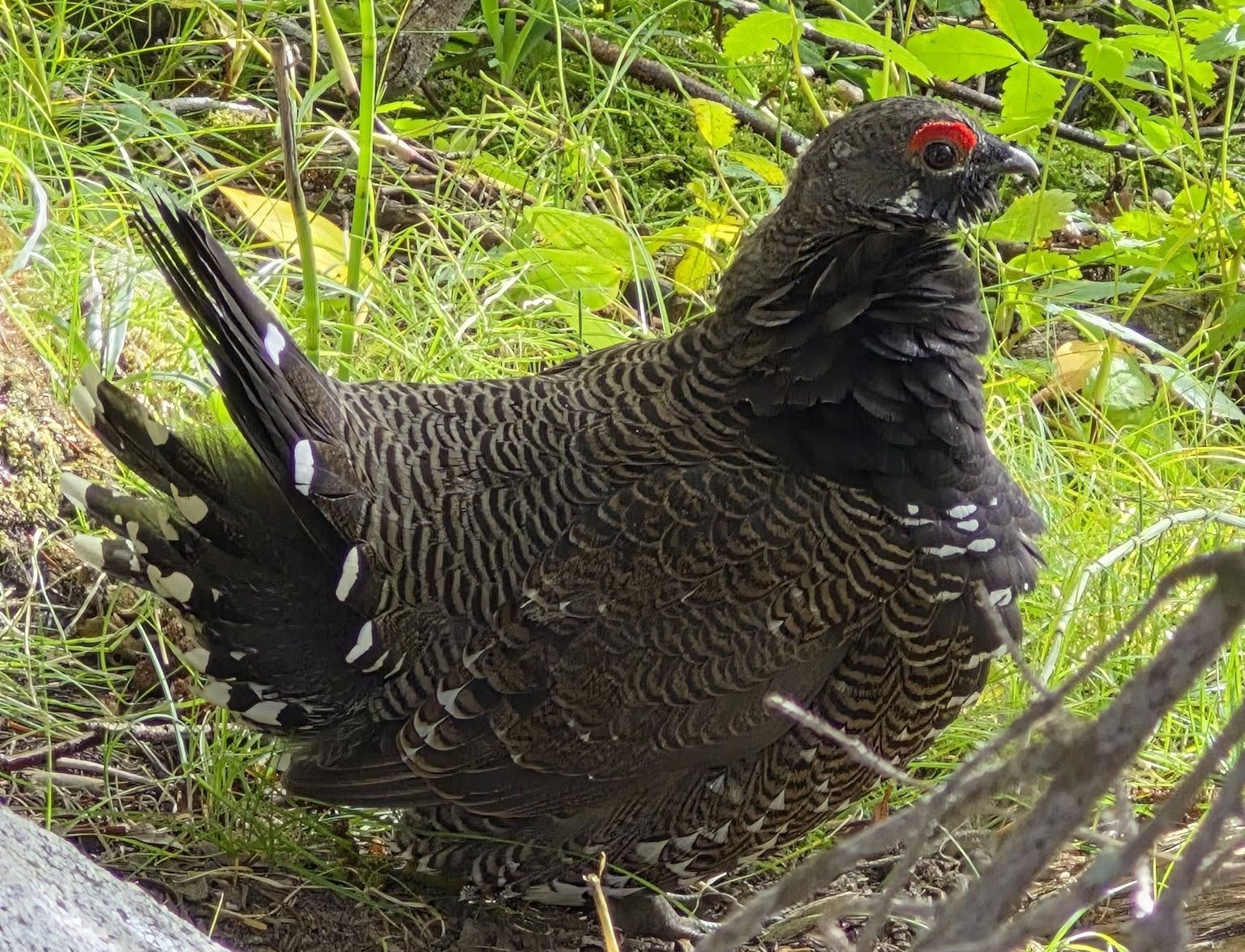
There are four species of grouse found in the Thompson-Okanagan and despite their camouflaging abilities, all the species were caught on cameras in recent months.
Popular game birds, the ruffed-grouse, sharp-tailed grouse, spruce grouse, and dusky grouse each have unique characteristics.
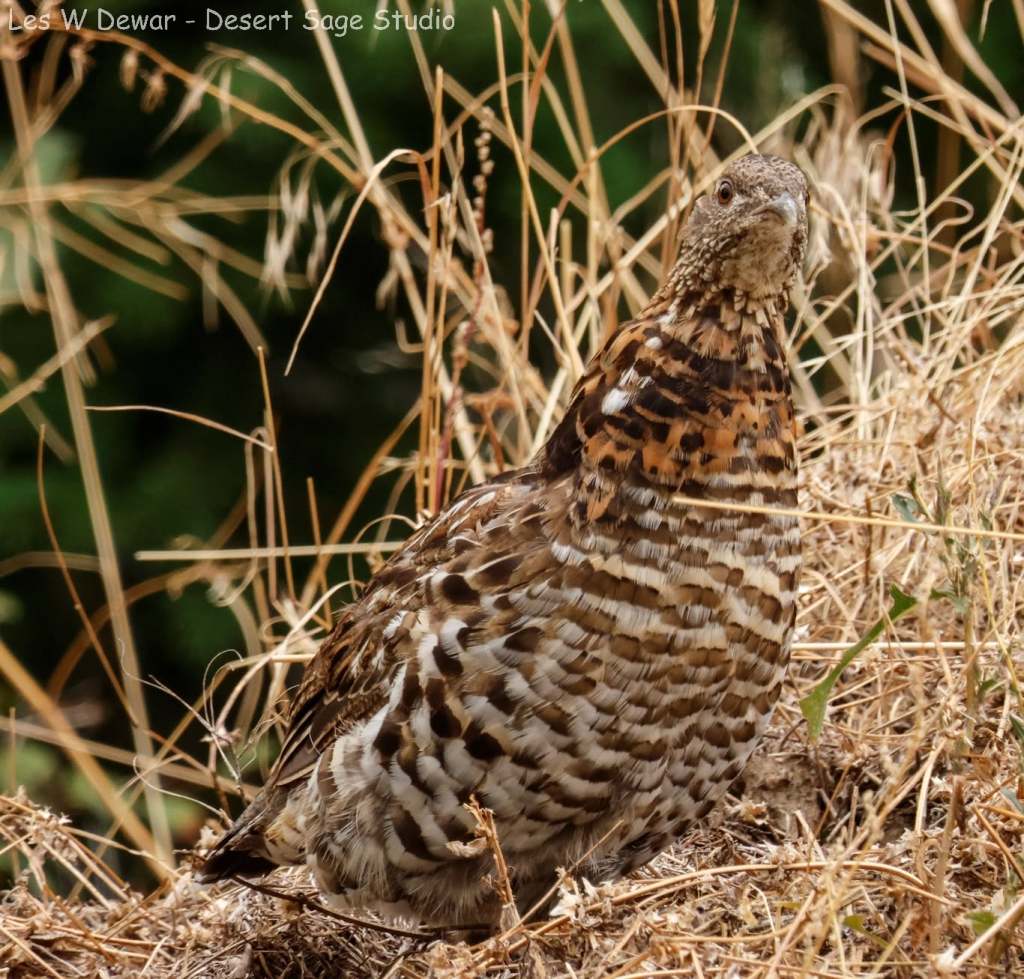
The most widely spread grouse in the province, the ruffed grouse is known for drumming, where the male birds use rapid wing beats to create a distinct drumming sound.
The drumming is most significant in the spring during mating season, but also performed during the fall when the males maintain their territories to prepare for winter and set the stage for the spring breeding season, according to birdful.org.
These birds have a brown, black, white and grey pattern and live in aspen stands and brushy thickets. They live in aspen stands, mixed forests and brushy thickets.
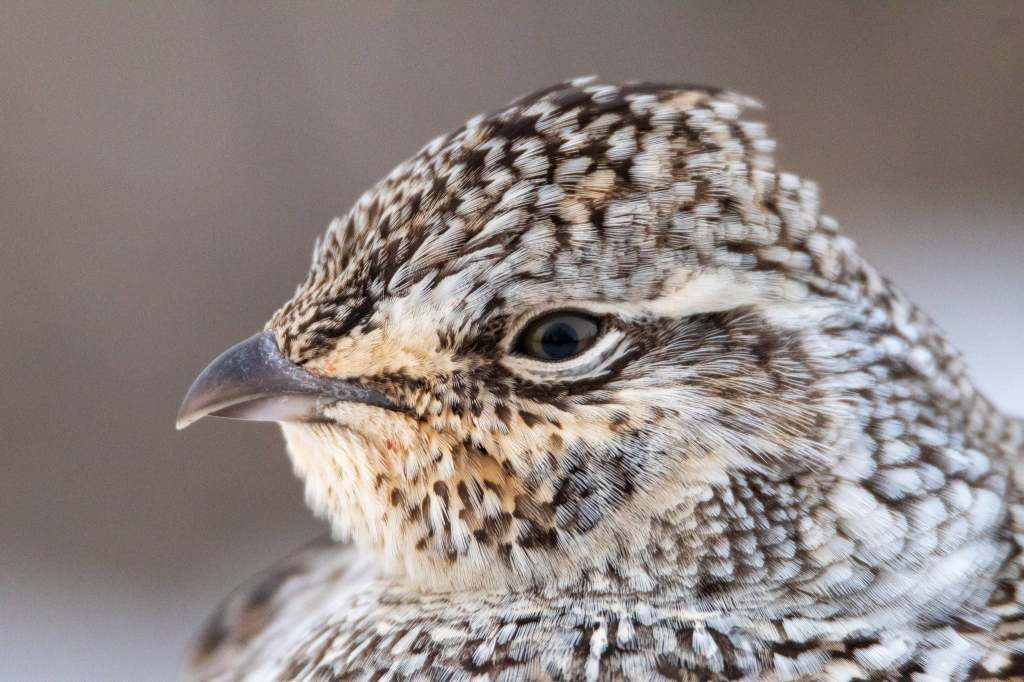
Sharp-tailed grouse are known for their dramatic spring mating displays on communal breeding grounds called leks. The males inflate purples air sacs on their necks, stomp, hoot and shake their tail feathers.
The males are white, brown and black, and the females are brown. They live in open grasslands and brushy areas.
Spruce grouse are known for their tameness around humans which is why they are also known as “fool hens.” The males are mottled grey and brown, with a red comb above their eyes, while the females are brown. These birds live in coniferous forests.
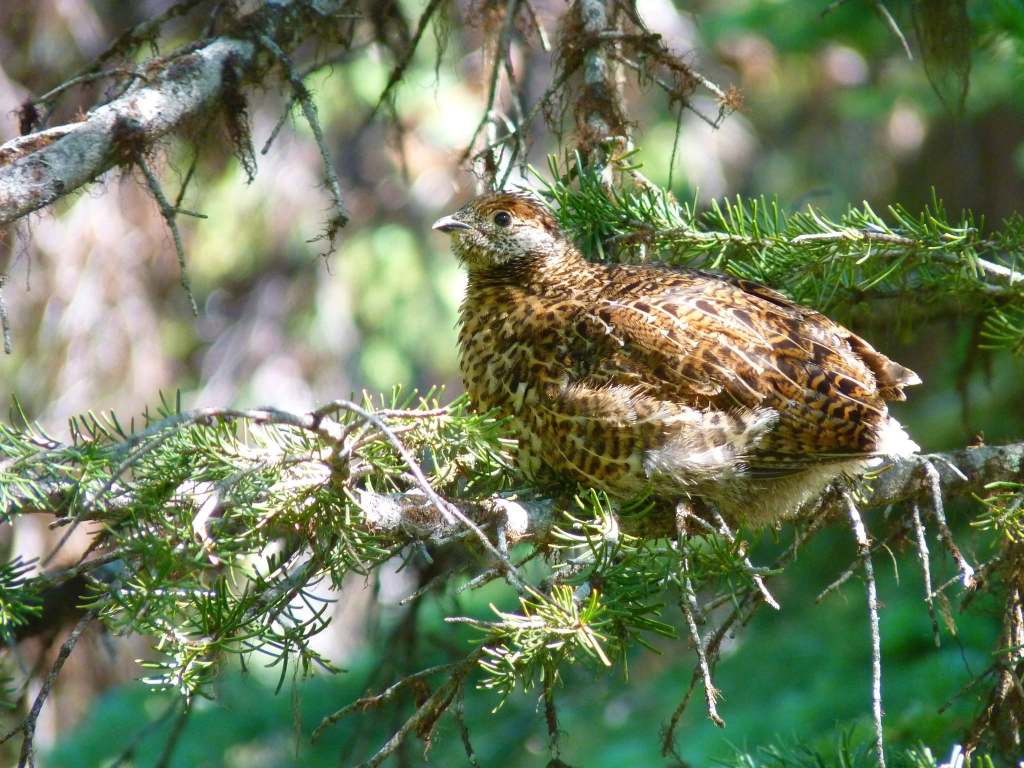
The Blue grouse species is further divided into the dusky grouse and sooty grouse are known for having booming hooting calls and gentle natures. Dusky grouse live in the interior of BC while sooty grouse is primarily found on the coast and cascade mountains.
The dusky grouse males are slate grey with a long, square tail and yellow skin over their eyes, while the females are mottled grey and brown. These grouse live in the pine and fir forests of the Southern Interior.
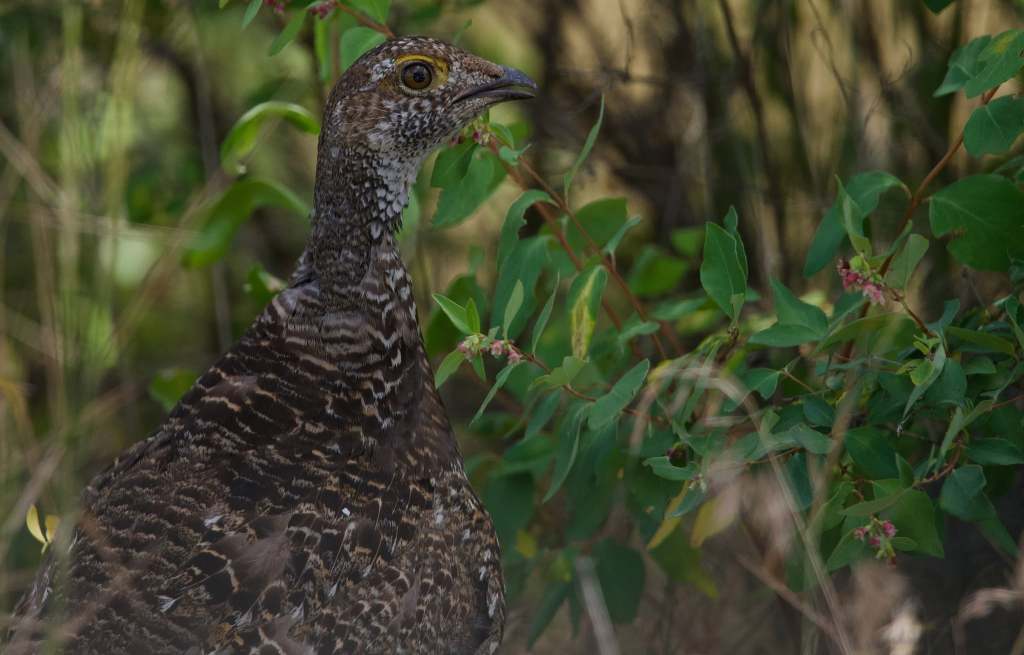
Most grouse live on breeding grounds year round rather than migrating. They can be found foraging on the ground in the summer and in trees during winter.
At this time of the year, juvenile birds are commonly encountered in the forest as they disperse from nesting areas.
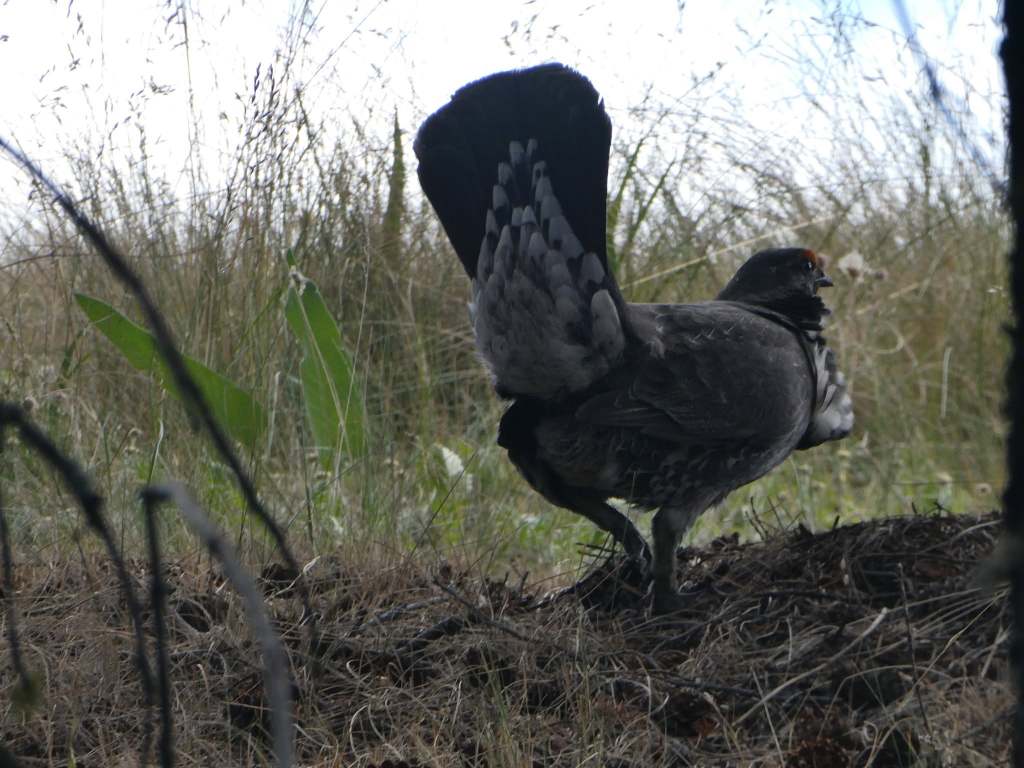
September marks the beginning of open season on the game birds that typically runs through November depending on the species and specific region.
News from © iNFOnews.ca, . All rights reserved.
This material may not be published, broadcast, rewritten or redistributed.

This site is protected by reCAPTCHA and the Google Privacy Policy and Terms of Service apply.
Want to share your thoughts, add context, or connect with others in your community?
You must be logged in to post a comment.