


Why it can make more sense to sell BC Bud in Germany than Kelowna

A Kelowna-based cannabis company is working on getting its product to Europe, which is far more common than Canadians might expect.
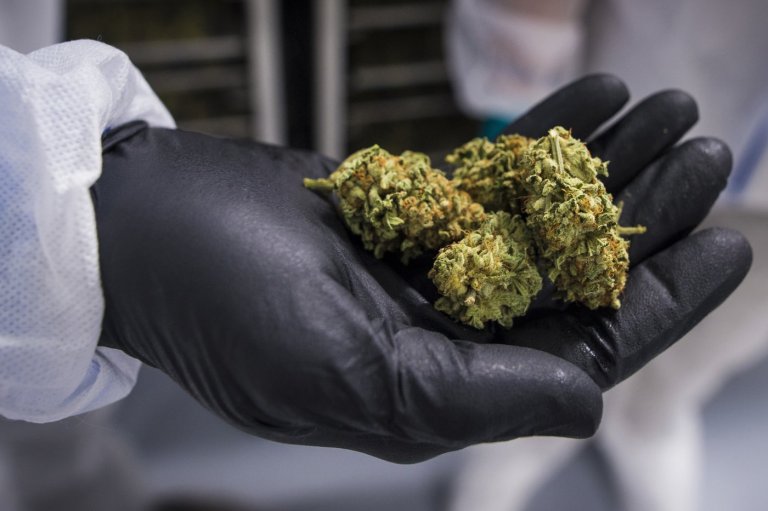
Avant Brands recently completed a European Union Goods Manufacturing Practices audit at The Flowr Group Okanagan facility in Kelowna, and the company isn’t alone in looking outward because of constraints in the weed industry.
“Our team has invested significant time and resources preparing Flowr for the (European Union Goods Manufacturing Practices) process, and our focus is now on completing the remaining work required as part of the certification review,” Avant Brands CEO Norton Singhavon said in a press release.
Sarah Campbell is the director of the Craft Cannabis Association of BC and she said numerous producers in the Southern Interior already ship product around the world.
“Basically, it’s because they can make more money exporting due to the ridiculous excise tax within Canada at the moment,” she said. “By exporting, they don’t have to pay excise tax. So it’s more money in their pocket.”
Canadian growers have to pay roughly $1 per gram in excise tax if they sell in Canada but they can generally get more on a per gram basis by exporting to markets without that tax.
The process for getting approved to export to Europe can be challenging, it involves an audit like the one completed by Avant Brands along with reviews. The company invested $2 million in the Kelowna facility ahead of the audit to make sure it met EU standards.
But, Campbell said there are so many interprovincial barriers that a lot of companies opt to ship abroad even though there are hoops to jump through.
“Every province has its own rules around sales,” she said. “Ontario, for example, is quite a difficult market to get into.”
Canada surpassed California as the world’s largest legal cannabis market, and it’s also the world’s largest legal cannabis exporter.
In 2025 Canada exported more than 275 tonnes of weed, more than doubling the 2024 exports of 107 tonnes. Germany is Canada’s biggest customer, accounting for roughly a third of cannabis exports.
Campbell said local growers benefit from the pre-existing brand known as BC Bud with a worldwide reputation for good quality. That makes it easier to find customers in other countries.
“We have countries like Germany, countries like Australia, all over that are asking for BC Bud, BC craft cannabis,” she said. “Over the last three decades that reputation was built by small scale cannabis producers.”
Countries like Australia, Portugal, Israel and the U.K. are other major importers of Canadian cannabis, but notably, our neighbour to the south isn’t.
Since weed isn’t federally legal in the U.S. it has never been a market for Canadian exporters so the cannabis industry hasn’t been affected by the trade war.
“Canada is actually the largest exporter of cannabis in the world, and even small-scale producers are forced to export the best craft cannabis due to our ridiculous cannabis excise regime here in Canada,” Campbell said. “While other major exports face severe economic volatility from shifting American trade policies, our industry offers a uniquely stable, domestic economic foundation.”
She said the industry could take advantage of the trade war to get more support since it’s in everyone’s interest to capitalize on areas of the economy that aren’t getting hit.
“By aggressively supporting the cannabis sector, the Canadian government can secure a resilient revenue stream, protect domestic jobs, and hedge against broader international trade risks,” she said.
News from © iNFOnews.ca, . All rights reserved.
This material may not be published, broadcast, rewritten or redistributed.

Join the Conversation!
Want to share your thoughts, add context, or connect with others in your community?
You must be logged in to post a comment.