Elevate your local knowledge
Sign up for the iNFOnews newsletter today!
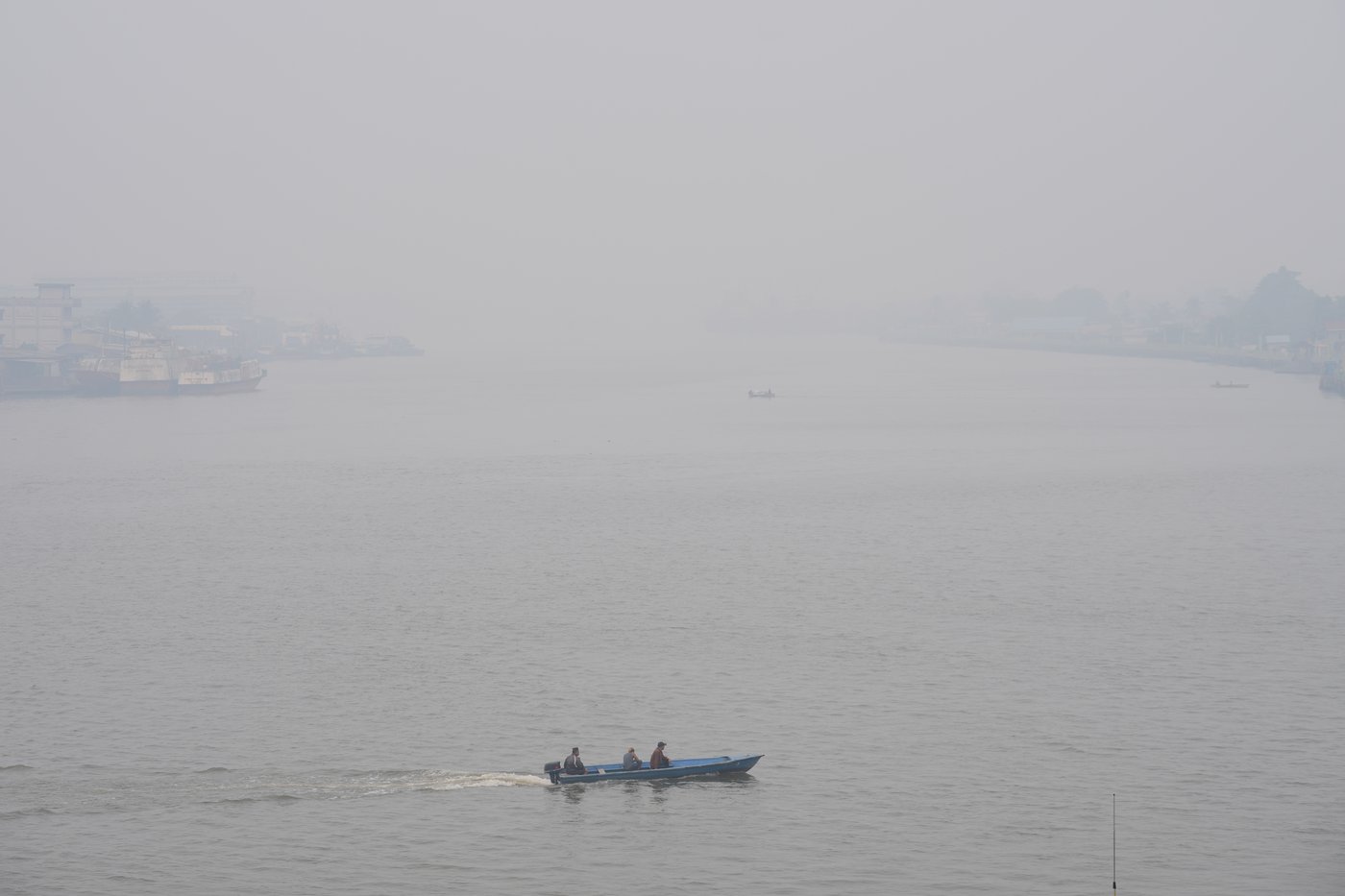
PONTIANAK, Indonesia (AP) — Thick smoke from forest fires has disrupted airline flights for several days in Indonesia’s West Kalimantan province as an intensifying El Niño weather pattern and a prolonged dry season worsen the impact of blazes.
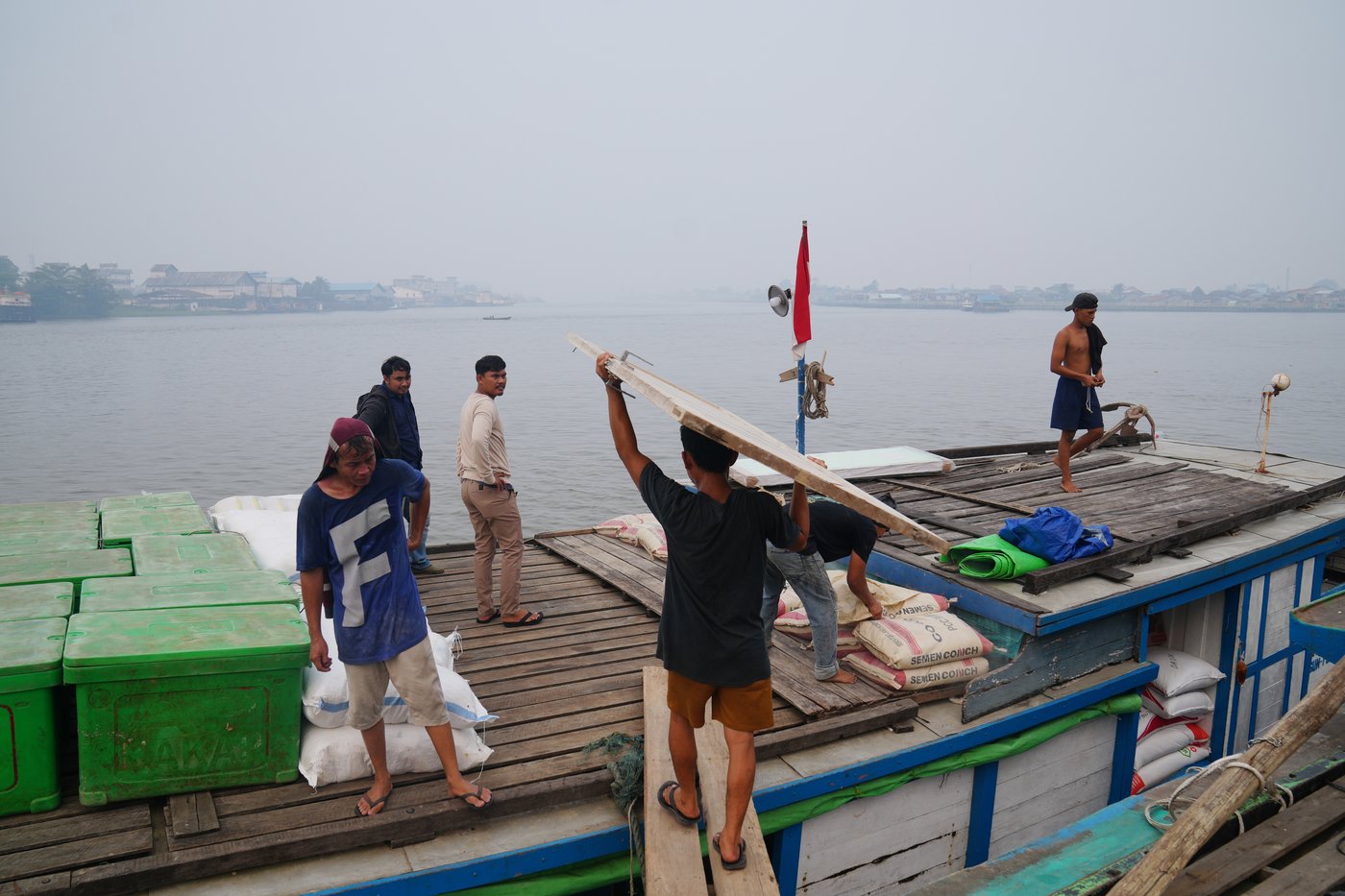
Since Friday, a thick white and yellowish haze has blanketed the city of Pontianak, reducing visibility to less than 1 kilometer (0.62 miles).
Poor air quality and limited visibility have also hampered firefighting efforts, carried out with equipment from Japan that arrived on Thursday.
Across Indonesia, seasonal forest fires are beginning to subside, but thick haze still shrouds parts of the island of Kalimantan. In a written statement on Monday, the Ministry of Forestry stated that the latest monitoring data shows a significant decrease in so-called “high-confidence” hot spots, strongly suspected to be caused by forest fires, in Central Kalimantan and West Kalimantan. There are no high-confidence hot spots in Riau province.
“The thick smoke we’re currently experiencing, if we look in the direction the wind is blowing, is also smoke carried here from other provinces on the island of Kalimantan that are also on fire,” said the head of the Disaster Information Task Force at the West Kalimantan Provincial Disaster Management Agency, Daniel, who like other Indonesians only uses a single name.
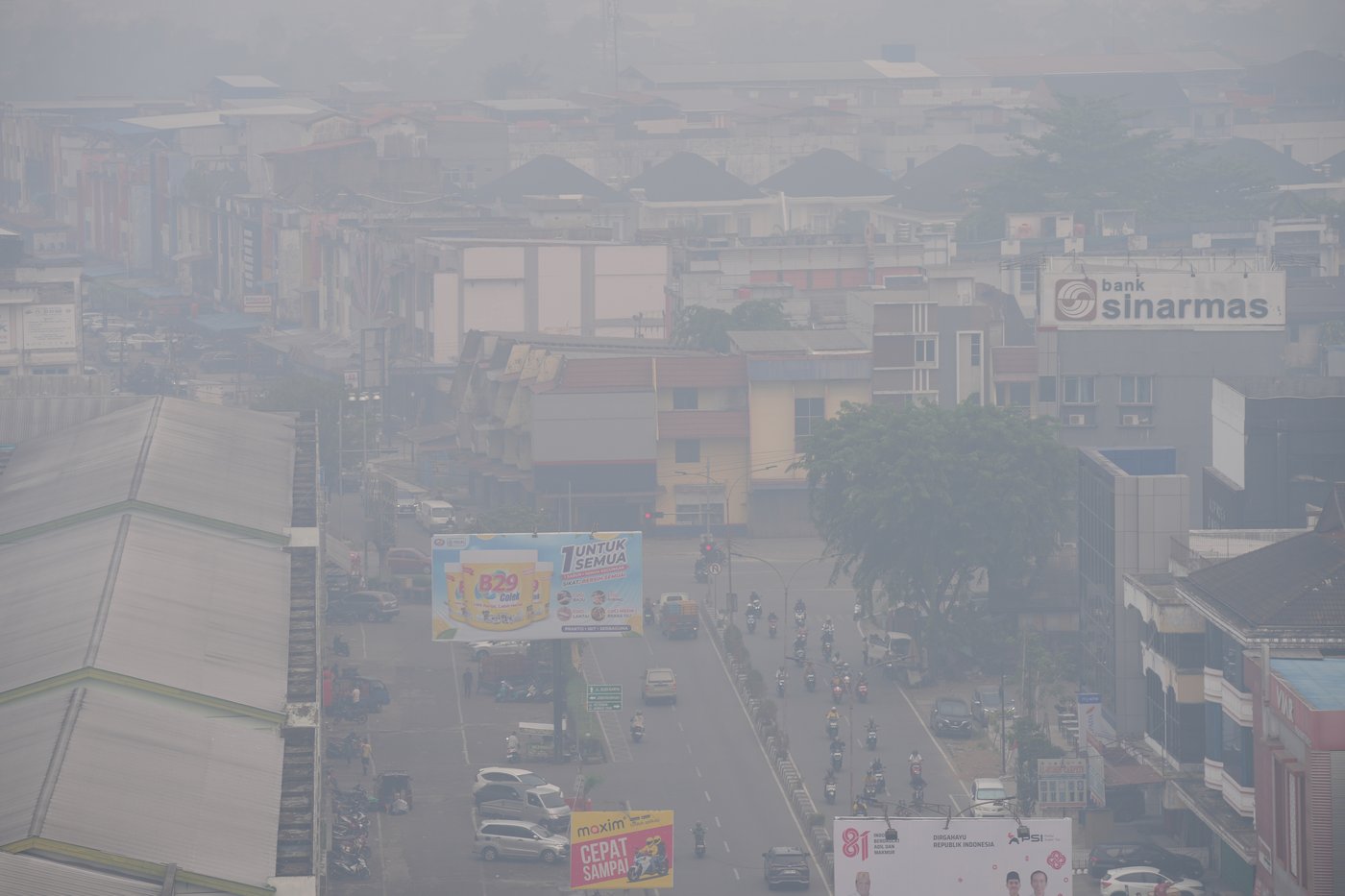
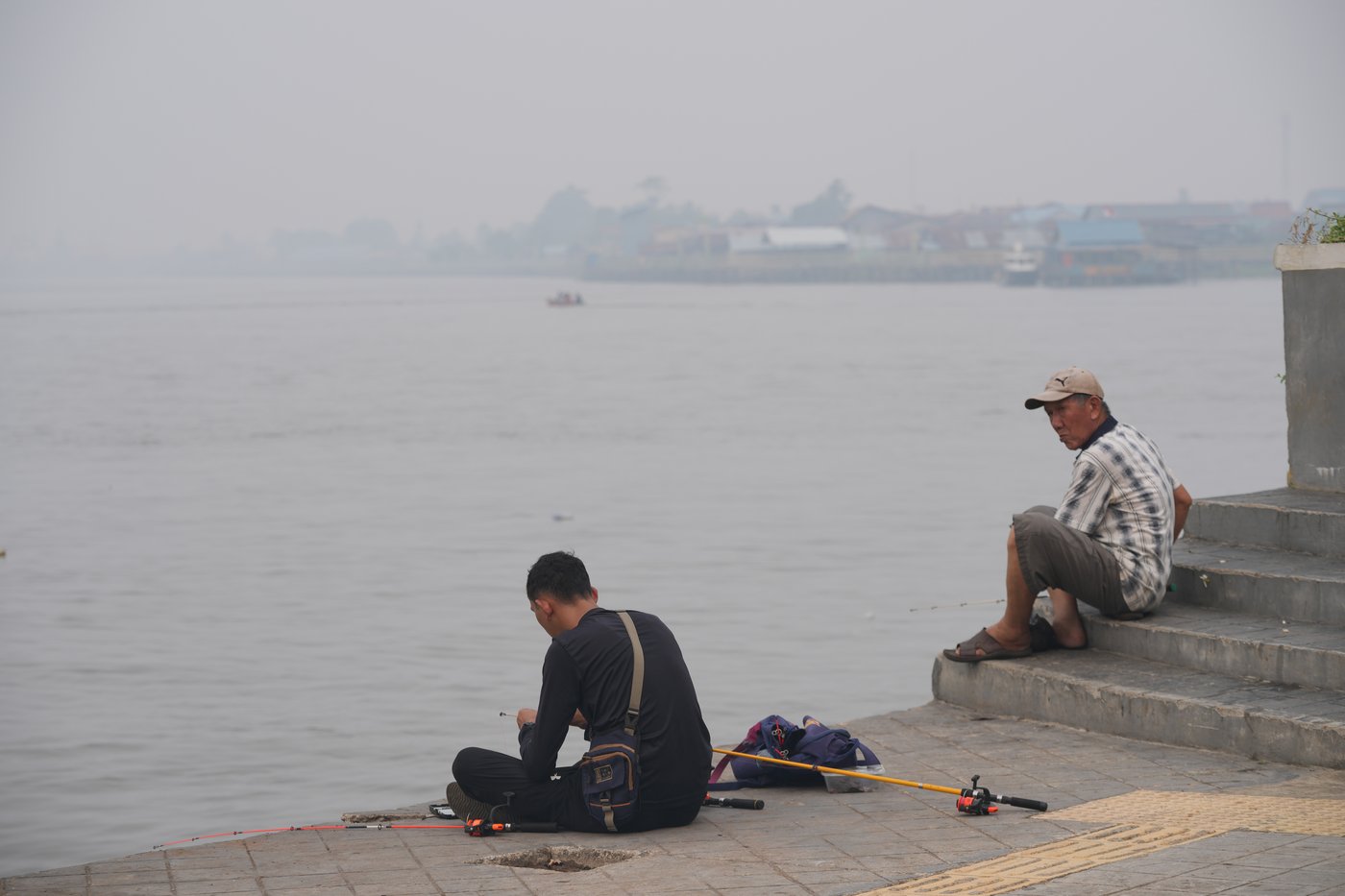
Residents are also beginning to hope that the smoke from the forest fires, which have been burning for over a month, will soon dissipate so that it no longer poses a health threat.
“Hopefully, we pray to God for His protection; may we be blessed by Allah, and may rain fall once again on the land of Pontianak,” said Aminah, a resident of Pontianak.
Fires continue to burn in several parts of Kalimantan, particularly in the provinces of West and Central Kalimantan, according to Indonesia’s National Disaster Management Agency. The Forestry Ministry recorded more than 202,000 hectares of burned land between January and July, an area nearly three times the size of Singapore.
Toxic haze and smoke have caused a health crisis in neighboring countries.
The smoke has drifted as far as the Philippines, more than 800 kilometers (500 miles) away, and breached Malaysia’s emergency-level threshold for air pollution, forcing authorities to declare an emergency last week in the Malaysian part of Boa town in Sarawak state, the Malaysian part of Borneo.
The air pollution has also affected several areas on the Indonesian island of Sumatra, forcing schools to suspend learning activities at school. The toxic haze has affected more than 1.4 million students across the country.
Indonesian authorities have intensified firefighting operations across several provinces in an effort to contain the blazes. The response has included aircraft provided by regional and international partners, including Japan, the United States, Russia, Australia, Canada and Ukraine.
News from © The Associated Press, . All rights reserved.
This material may not be published, broadcast, rewritten or redistributed.

This site is protected by reCAPTCHA and the Google Privacy Policy and Terms of Service apply.
Want to share your thoughts, add context, or connect with others in your community?
You must be logged in to post a comment.