Elevate your local knowledge
Sign up for the iNFOnews newsletter today!
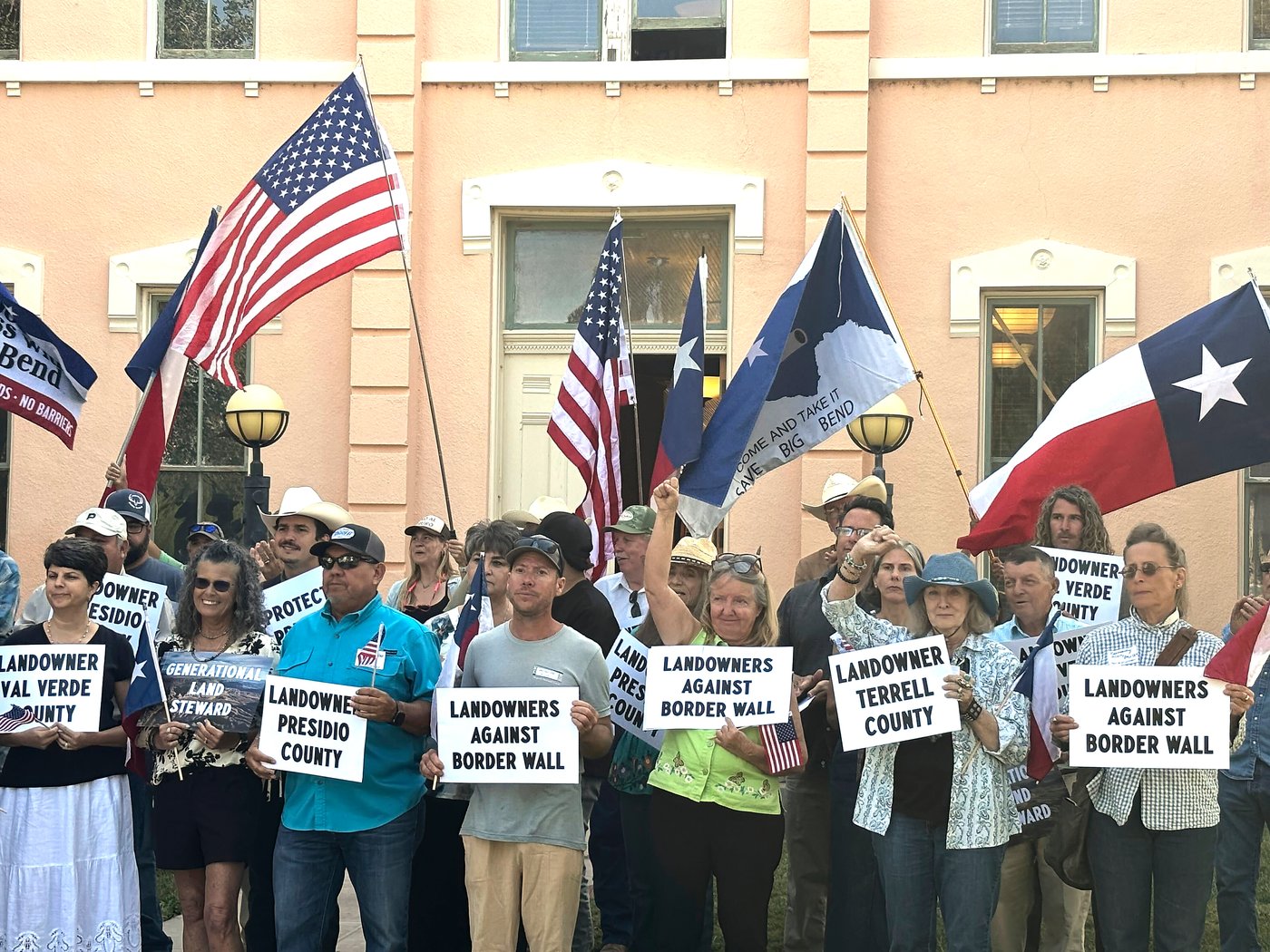
MARFA, Texas (AP) — Landowners, ranchers and business owners in the Big Bend region of Texas along with a nonprofit organization dedicated to protecting the region’s landscape and heritage are suing to stop the Trump administration’s plans to build a wall and other border infrastructure through the remote section of the state.
The lawsuit, filed by Conserve Big Bend and six landowners and with the support of dozens more people along the border, comes as the administration is ramping up a $46 billion effort to line the roughly 2,000-mile southern border with a collection of 30-foot (9-meter) steel bollard walls, vehicle barriers, and technology intended to keep out smugglers and migrants.
In Texas, the effort has run up against numerous lawsuits and bipartisan opposition from sheriffs, elected officials, tour guides, environmental groups and landowners.
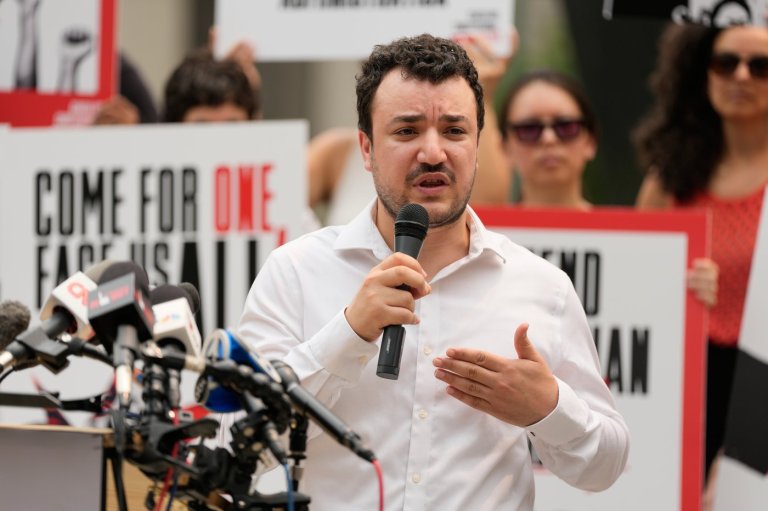
Officials backing the wall “were woefully unprepared for the hornet’s nest they stirred up because they had no idea how much we love this place,” said David Keller, an archaeologist and historian who specializes in the Big Bend and lives in the region.
“For us, the Big Bend is not an empty place on the map,” he said at a press conference announcing the suit. “It is our home.”
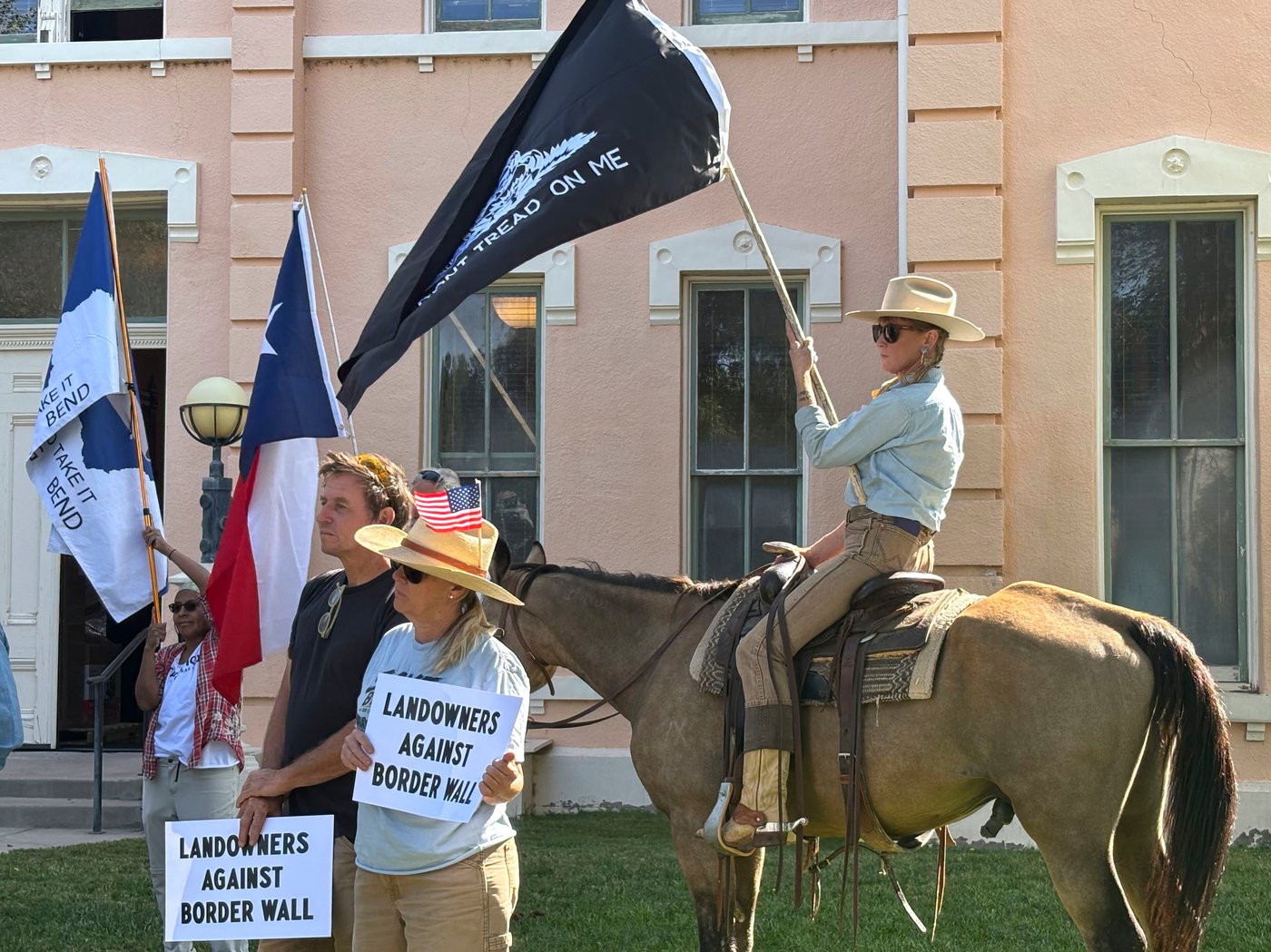
As part of its wall-building efforts, the administration has waived numerous regulations and statutes designed to protect the environment, archaeology or wildlife, on the basis that there’s an urgent need to protect the border in what Homeland Security has called areas of “high illegal entry.”
But in the lawsuit announced Monday, the plaintiffs argue that when it comes to the Big Bend region, that’s not an accurate description. They’ve cited historical statistics issued by Customs and Border Protection showing how few people cross the border in Big Bend compared with other areas along the U.S.-Mexico border.
Big Bend has about 500 miles of border __ roughly one quarter of the total length of the border with Mexico from the Pacific Ocean to the Gulf of Mexico. But the region only accounted for about 1% of arrests, according to the lawsuit’s stats.
Laura Allen, whose family’s ranch would have border wall cut right through it under the plans, noted that illegal border arrests have plunged even further since Trump returned to office.
“Thank you, President Trump. You’ve secured the border,” Allen, a two-time Trump voter and former county judge, said at the press conference. “But now let it go. It’s time.”
The plaintiffs are arguing that the Department of Homeland Security is misusing powers from Congress that allow the secretary broad authority to waive regulations in order to build border walls or other infrastructure in areas where there are large numbers of people trying to cross into the country illegally.
“That determination is legally and factually unsound and unsupported,” the plaintiffs wrote.
The lawsuit filed Monday is the latest in efforts to slow or stop the administration’s plans in Texas and elsewhere.
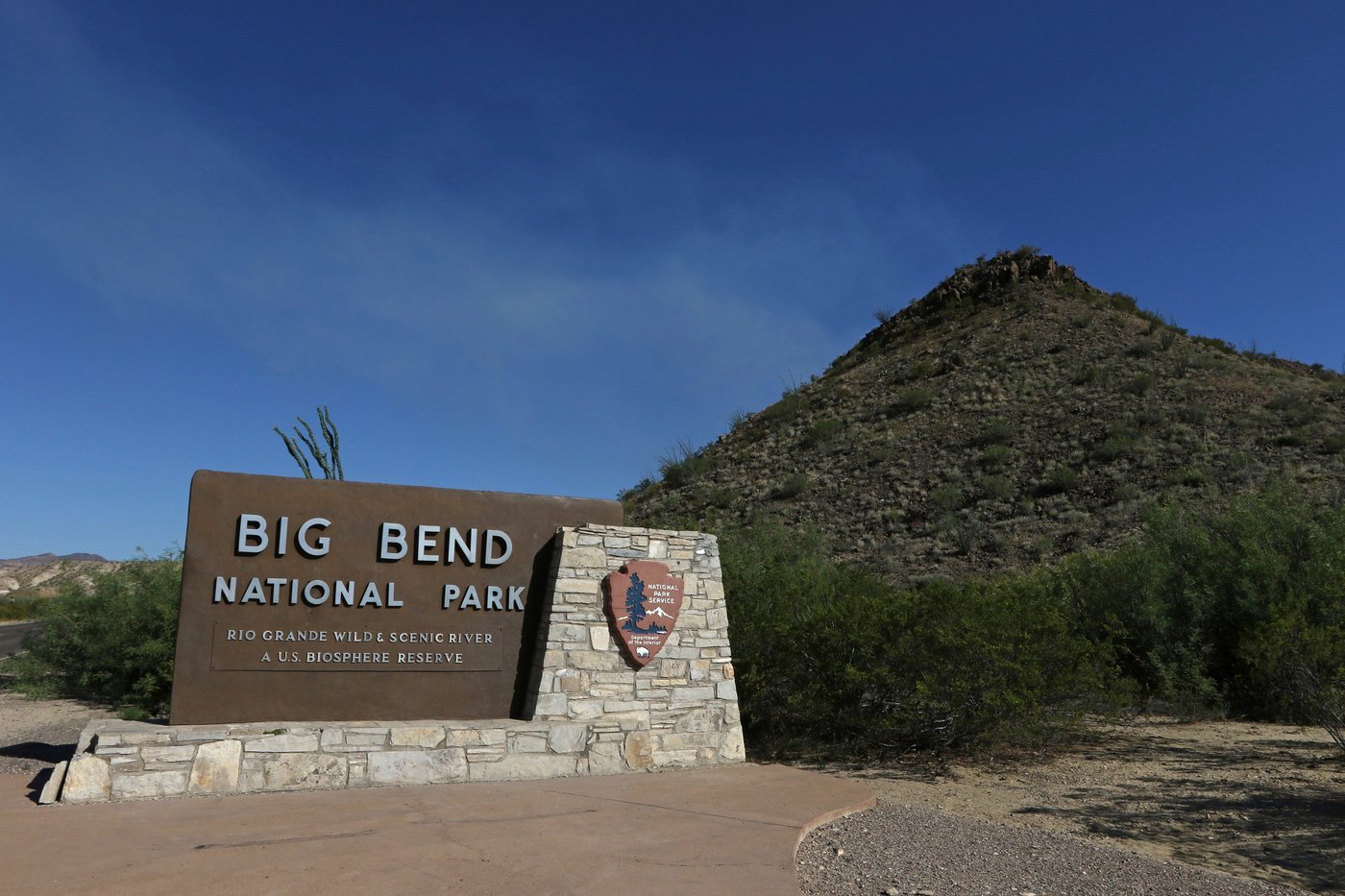
The biggest outcry has come over Customs and Border Protection’s plans for the Big Bend National Park, which sits in a far southwestern corner of Texas where the Rio Grande separates the U.S. from Mexico.
The park’s remote and rugged location, its steep limestone canyon walls and crystal clear starry night views attract visitors from around the world. The government has said in court hearings that no final plans have been decided for what will be built in the park but plans made public so far have included building a new road, installing detection technology and barriers to stop vehicles from crossing the border.
When bulldozers were spotted clearing land in the park in August, people across the state were outraged. CBP Commissioner Rodney Scott temporarily paused construction-related activity in the park but many activists and local residents would like to see even more changes to the administration’s plans in the broader Big Bend region.
Native American groups have argued that the construction could inhibit their ability to practice their faith and is damaging important religious sites while environmentalists worry the wall will cause flooding or keep animals from migrating.
Landowners who’ve lived and worked along the Rio Grande for years have questioned how they’ll feed livestock or water their crops if they can’t access the river.
___
AP reporter Tim Sullivan in Minneapolis contributed to this story.
News from © The Associated Press, . All rights reserved.
This material may not be published, broadcast, rewritten or redistributed.

This site is protected by reCAPTCHA and the Google Privacy Policy and Terms of Service apply.
Want to share your thoughts, add context, or connect with others in your community?
You must be logged in to post a comment.