Elevate your local knowledge
Sign up for the iNFOnews newsletter today!
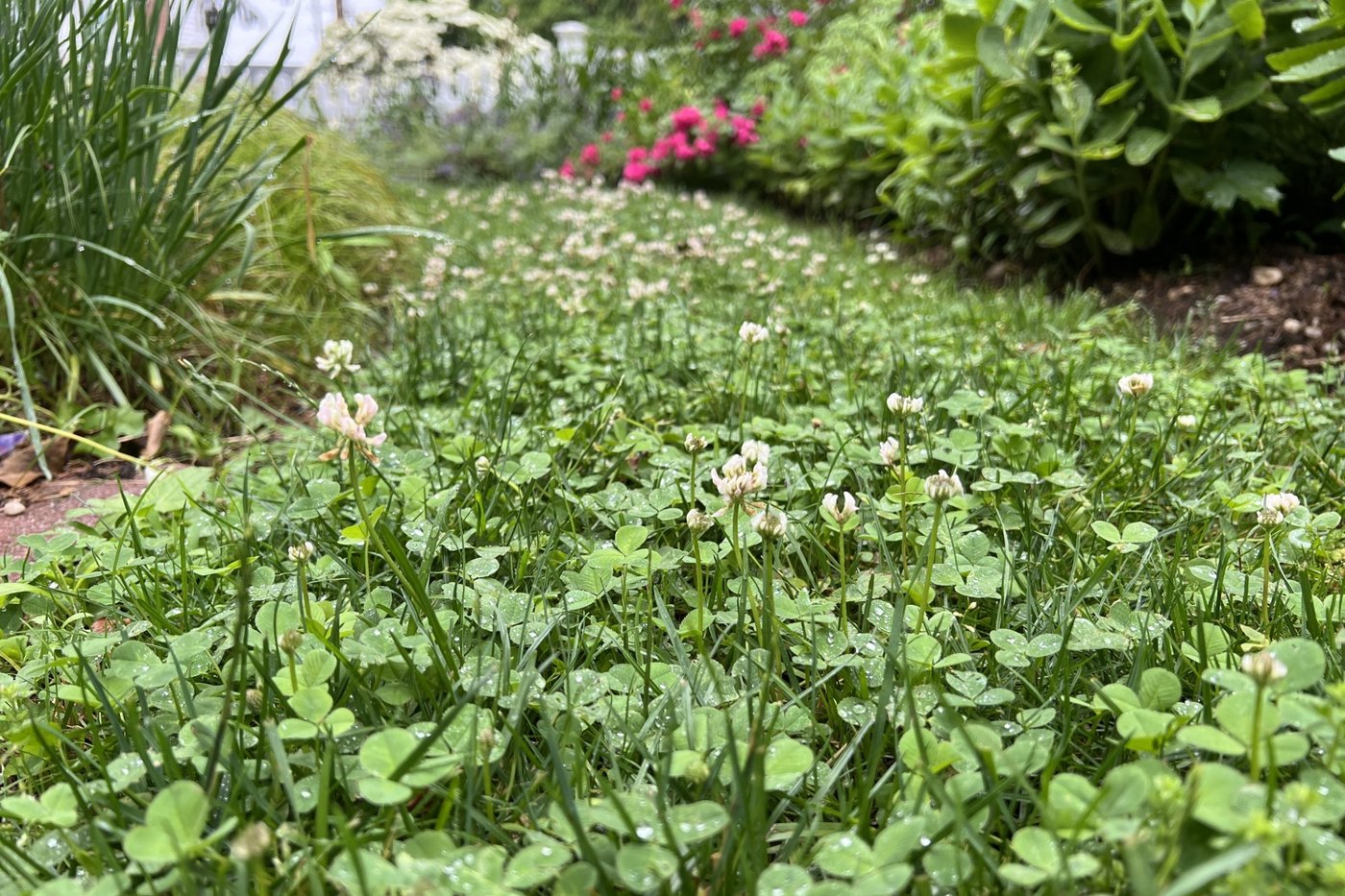
Would you like a lawn that grows well in full sun or part shade, requires little or no watering, chokes out weeds, never needs fertilizer and stays green all summer, even when exposed to dog urine?
Have I got a lawn for you! Simply mixing clover seeds with your chosen grass seeds will do all of that while keeping pests in check and attracting beneficial insects to pollinate your other plants — things ordinary turfgrasses never do.
If children or allergies have you concerned about attracting bees, mow your hybrid lawn when the clover is in flower to lessen the threat.
Caring for Kentucky bluegrass, tall and fine fescues, St. Augustine, Bermudagrass, zoysia and their grassy cousins risks damaging the ecosystem while providing little benefit — aside, perhaps, from the satisfaction of those who find beauty in a flawless emerald-green carpet outside their door.
The good news is that green is green, and when mowed, your clover will fit right in.
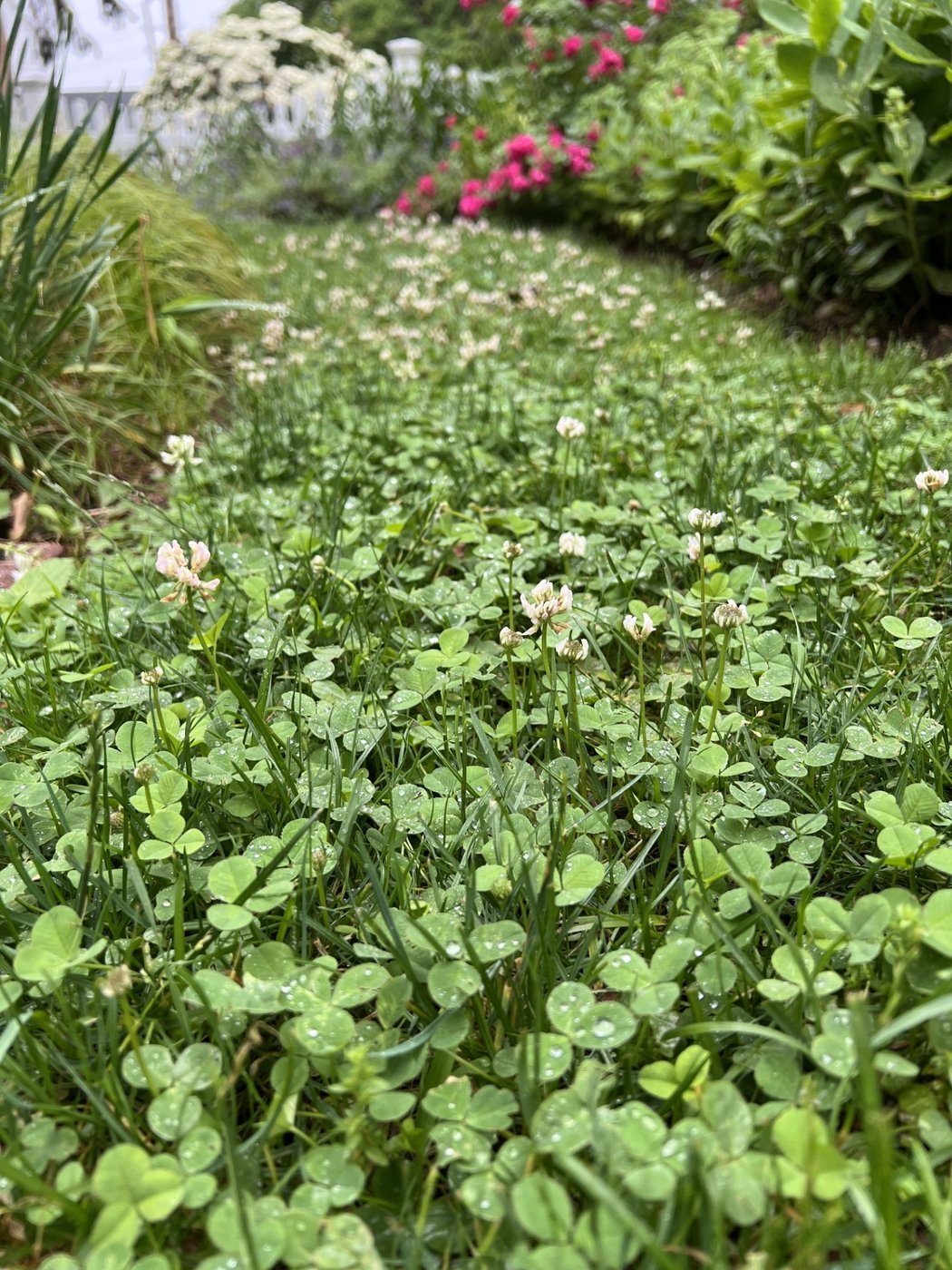
Here are more good reasons for a grass-clover hybrid
Planting straight clover would require removing all the existing grass to allow its seeds to fully contact the soil. And on its own, clover doesn’t stand up well to foot traffic. The plant is also short-lived, so it would require reseeding every few years. In addition, straight clover wouldn’t fill in as densely as a grass-clover combination lawn would.
When mixed with grass seed, however, clover becomes a rock star, reseeding well enough that you never have to replenish it. And, as it grows, it outcompetes most common weeds.
What kind of clover should you buy?
When shopping for seeds, look for “micro” or “mini” clover, which grows to about 4 inches (10 centimeters) tall after some initial repeated low-mowing to “train” it to remain short and more lawn-like. When mixed with grass, mini clover crowds out weeds more effectively than Dutch white clover does.
Packaged clover seeds are often precoated with inoculant; if they aren’t, buy a packet of inoculant separately and apply it to the seeds by following the label directions. Clover, like other legumes, is “nitrogen-fixing,” which means it relies on certain bacterial strains to colonize its roots and supply nitrogen; the inoculant feeds the seeds without nourishing weed seeds that may be lurking in the soil.
Inoculant loses its effectiveness over time, so wait until you are ready to sow coated seeds before you buy them, and check dates to ensure they were packaged within the past six months.
How do you switch to a clover-hybrid lawn?
Remove thatch, if present, from your existing lawn before incorporating clover seeds.
Mix seeds with sand or loose soil before spreading to facilitate an even application, then gently rake it in.
Water very lightly every day (unless it rains) to keep the soil slightly moist until the clover fills in.
If planting in part-shade conditions, sow twice as many seeds as indicated for the area.
In temperate areas, sow the seeds in fall. In areas with colder winters, sow them around the beginning of April. Clover isn’t recommended for the Deep South because it doesn’t withstand extreme heat well.
___
Jessica Damiano writes weekly gardening columns for The Associated Press. She publishes the Weekly Dirt Newsletter. Sign up here for weekly gardening tips and advice.
___
For more AP gardening stories, go to https://apnews.com/hub/gardening.
News from © The Associated Press, . All rights reserved.
This material may not be published, broadcast, rewritten or redistributed.

This site is protected by reCAPTCHA and the Google Privacy Policy and Terms of Service apply.
Want to share your thoughts, add context, or connect with others in your community?
You must be logged in to post a comment.