Elevate your local knowledge
Sign up for the iNFOnews newsletter today!
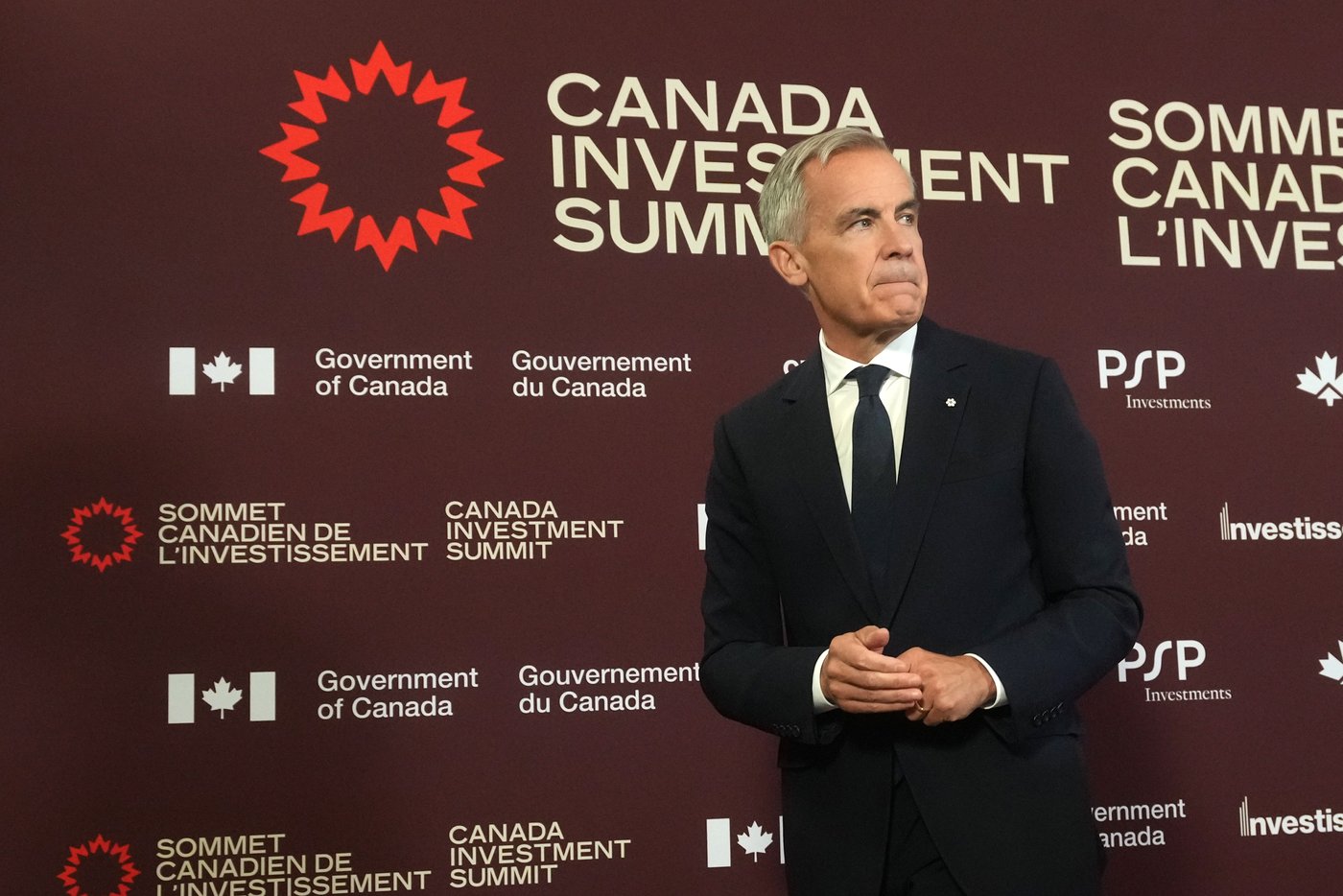
OTTAWA — Canada’s inaugural investment summit has created a buzz that the country is open for business, but experts say the real test will be whether that momentum can translate into major projects that overcome labour shortages, community concerns, environmental hurdles and lengthy approvals.
The two-day summit in Toronto hosted by Prime Minister Mark Carney and two of Canada’s largest pension investors aims to create a sustained pipeline of private investment for major Canadian projects.
It included a flurry of multi-billion dollar funding announcements that Ottawa says are part of its broader goal of attracting $1 trillion in total investment to Canada over five years.
But observers say the longer-term success of the capital push depends on whether the country can turn investment interest into actual projects that are financed, approved and built.
Rachel Samson, vice-president of research at the Institute for Research on Public Policy, said measures like the productivity mega deduction tax incentive and the streamlined regulatory approach of “one project, one review, one year” make Canada attractive to investors.
“It shows that projects won’t be bogged down the way that perhaps they once were,” Samson said. “But we do have to prove that it works.
“It’s not enough to have a flashy brochure, you really have to show that the investments can be done in the way that they’re being pitched.”
The summit included a 66-page prospectus with more than 160 projects in energy, minerals and mining, marine and port infrastructure, power and utilities, digital technology, advanced manufacturing and transportation.
Patrick Leblond, University of Ottawa associate professor of public and international affairs, said the investor momentum sparked by the summit will help reduce the perceived risk of investing in large-scale projects in Canada.
Even if some of the investments would have happened anyway, he said the buzz attracts additional capital and signals to the world that Canada is a compelling investment destination.
However, Leblond said projects can stall for years without local community and Indigenous support, an adequate workforce and a streamlined regulatory process, causing investors to lose interest.
“The No. 1 thing is getting the communities around these projects on board,” he said. “You need buy-in.”
Many of the proposed projects are in conventional energy, minerals and metals, sectors that often face greater opposition over environmental concerns.
“A lot of these projects in mining and energy involve Indigenous communities and if we don’t bring them on board, they could eventually block these things and then that’s when investors will move on,” Leblond said.
The labour force is the second biggest potential roadblock to the success of large-scale projects, he said.
“It’s all great to build pipelines, to build mines, to build a high speed rail network,” Leblond said. “But who will be the engineers, the metallurgists, the construction workers. Where are they going to come from?”
This report by The Canadian Press was first published Sept. 16, 2026.
News from © The Canadian Press, . All rights reserved.
This material may not be published, broadcast, rewritten or redistributed.

This site is protected by reCAPTCHA and the Google Privacy Policy and Terms of Service apply.
Want to share your thoughts, add context, or connect with others in your community?
You must be logged in to post a comment.