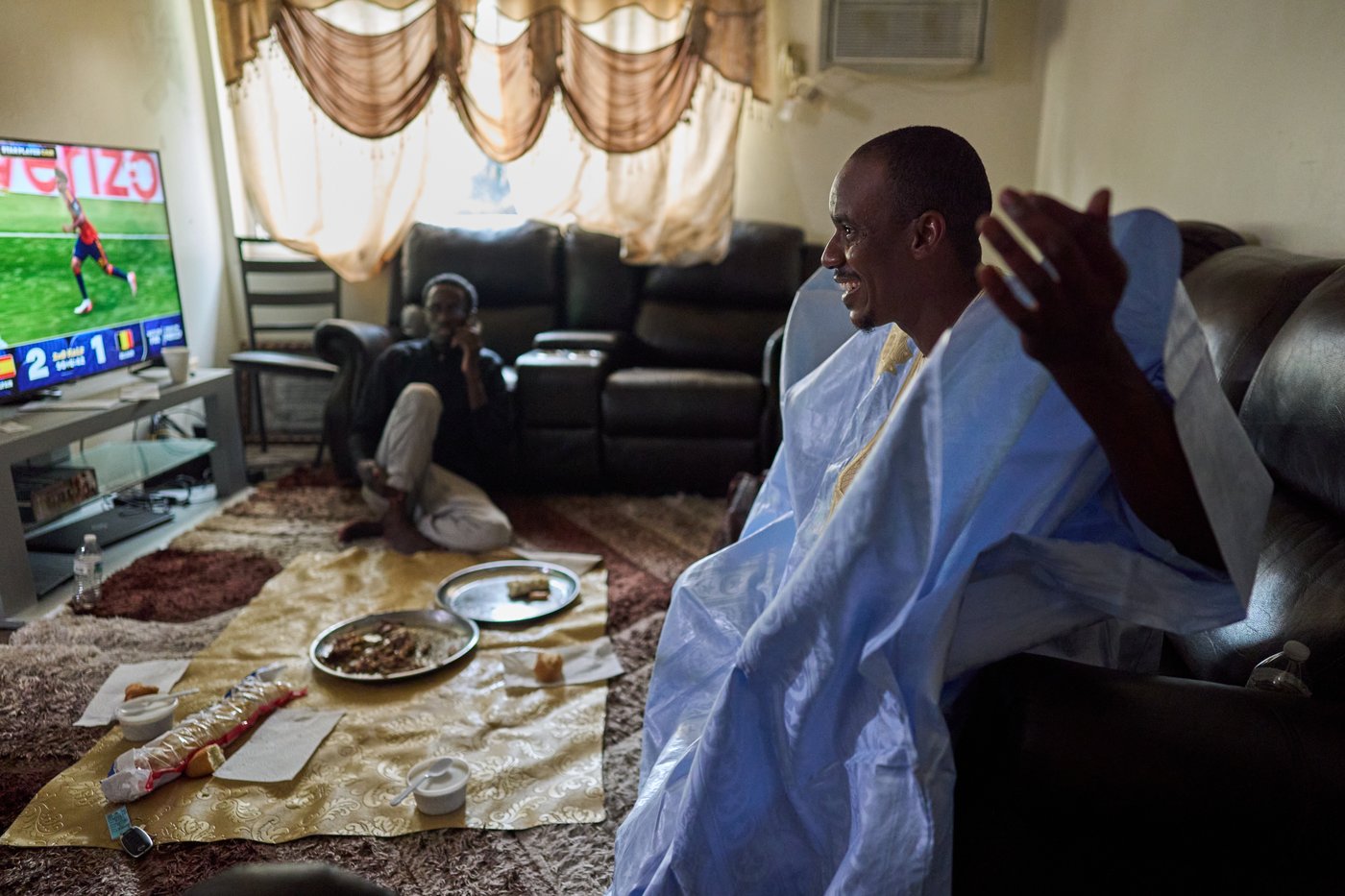
Samba Diallo, right, wears his daraa, a traditional robe worn in his homeland, Mauritania, after eating a communal meal of lamb and bread on the floor of his apartment with his roommate, Alassane Sow, in Lockland, Ohio, Friday, July 17, 2026. Diallo is part of an unprecedented migration surge, and an Associated Press analysis of exclusive data shows they turned some of the unlikeliest of places, like Lockland, into new American melting pots. (AP Photo/Carolyn Kaster)
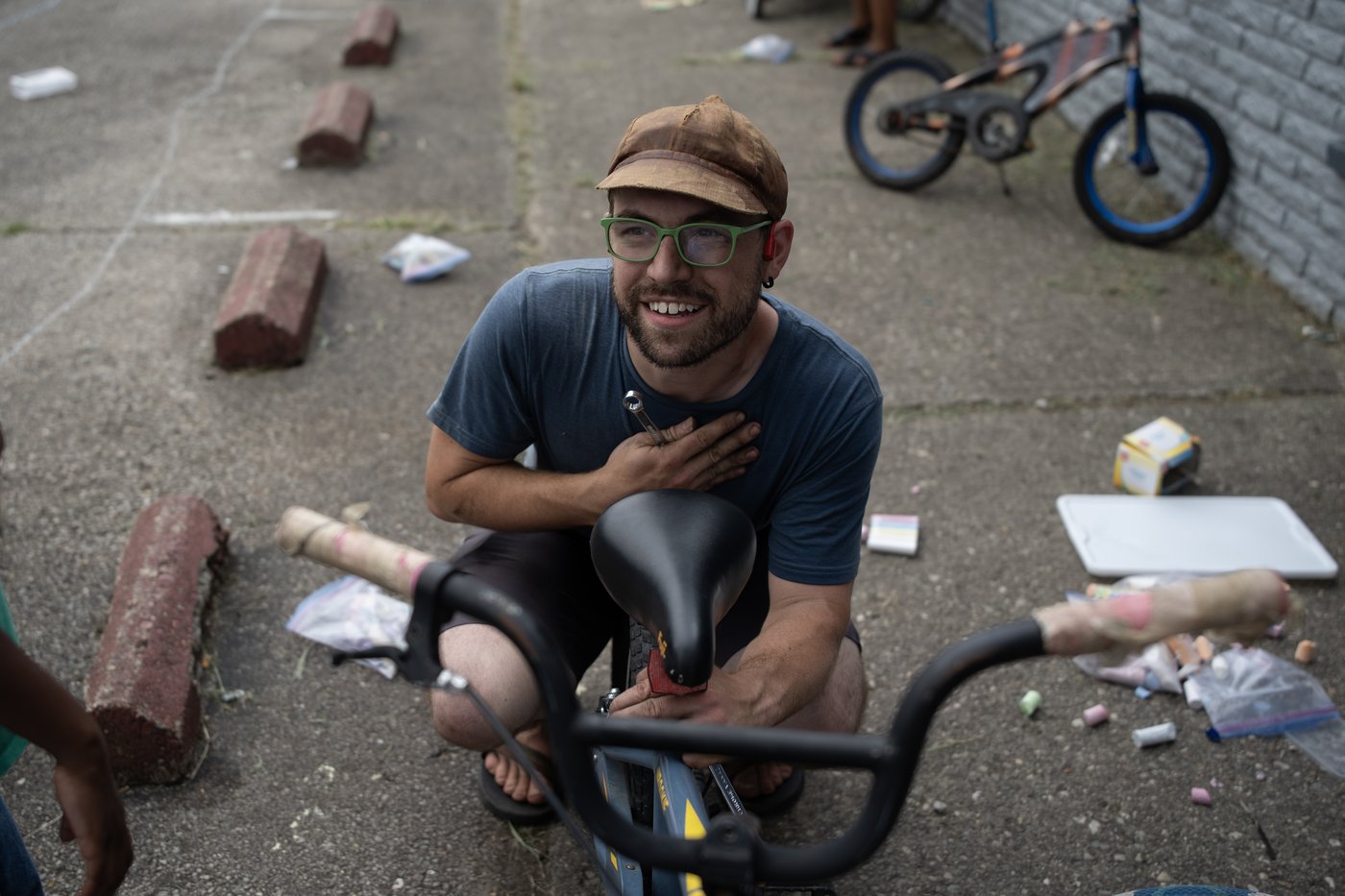
An old building in Lockland, Ohio, bustles every Friday afternoon, the sound of hammering old bicycle tires mixing with laughter and conversation that switches from English to the West African language Pular.
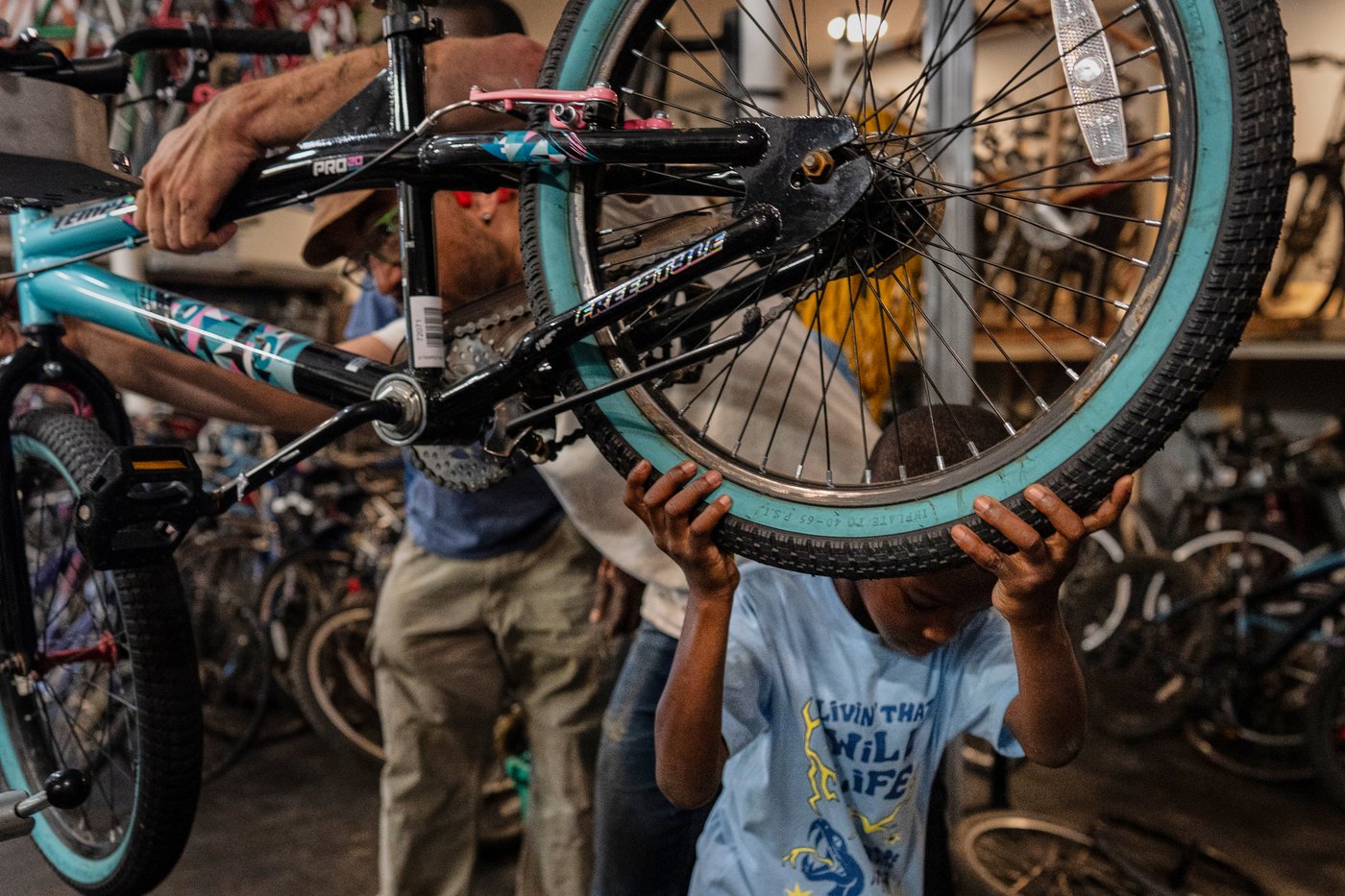
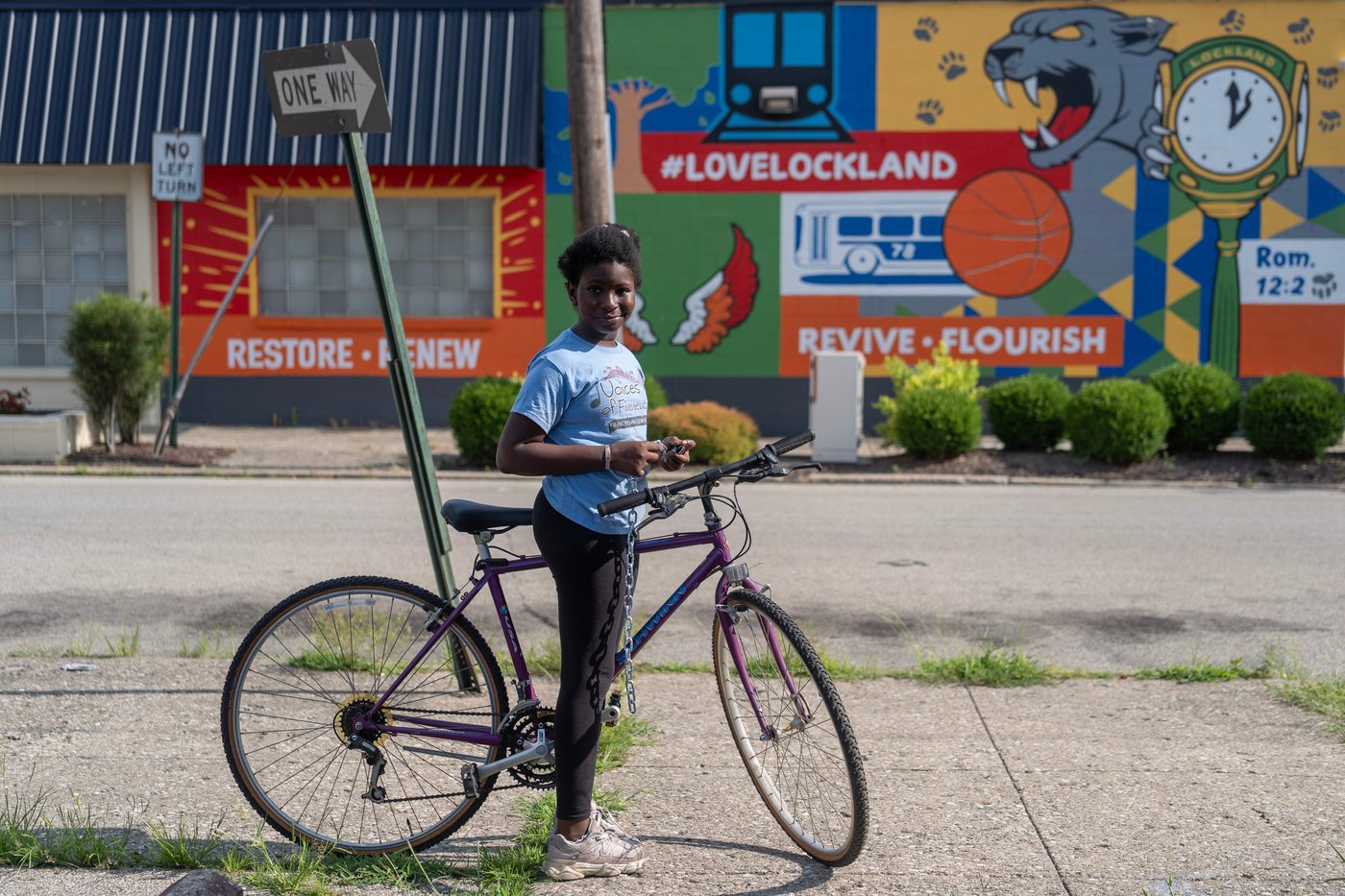
The shop, called Bikes and Stuff, offers free bikes to anyone willing to help refurbish one, and it has become the center of life for the West African community here.
Three years ago, thousands of migrants, most of them from Mauritania, arrived in this small town on the outskirts of Cincinnati — so suddenly that it seemed to some it happened overnight.
They arrived as people from more countries than ever before entered the U.S. through the southern border, an unprecedented surge of 4.7 million border crossings from October 2018 to July 2025, according to government data exclusively obtained and analyzed by The Associated Press. It marked a broader trend of migrants from more than 150 countries turning up at the border during that time, a sharp departure from previous years when nearly all were from Mexico or Central America.
These migrants are asking the United States to grant them asylum. Most fled their country because, they say, they were persecuted for opposing the authoritarian government.
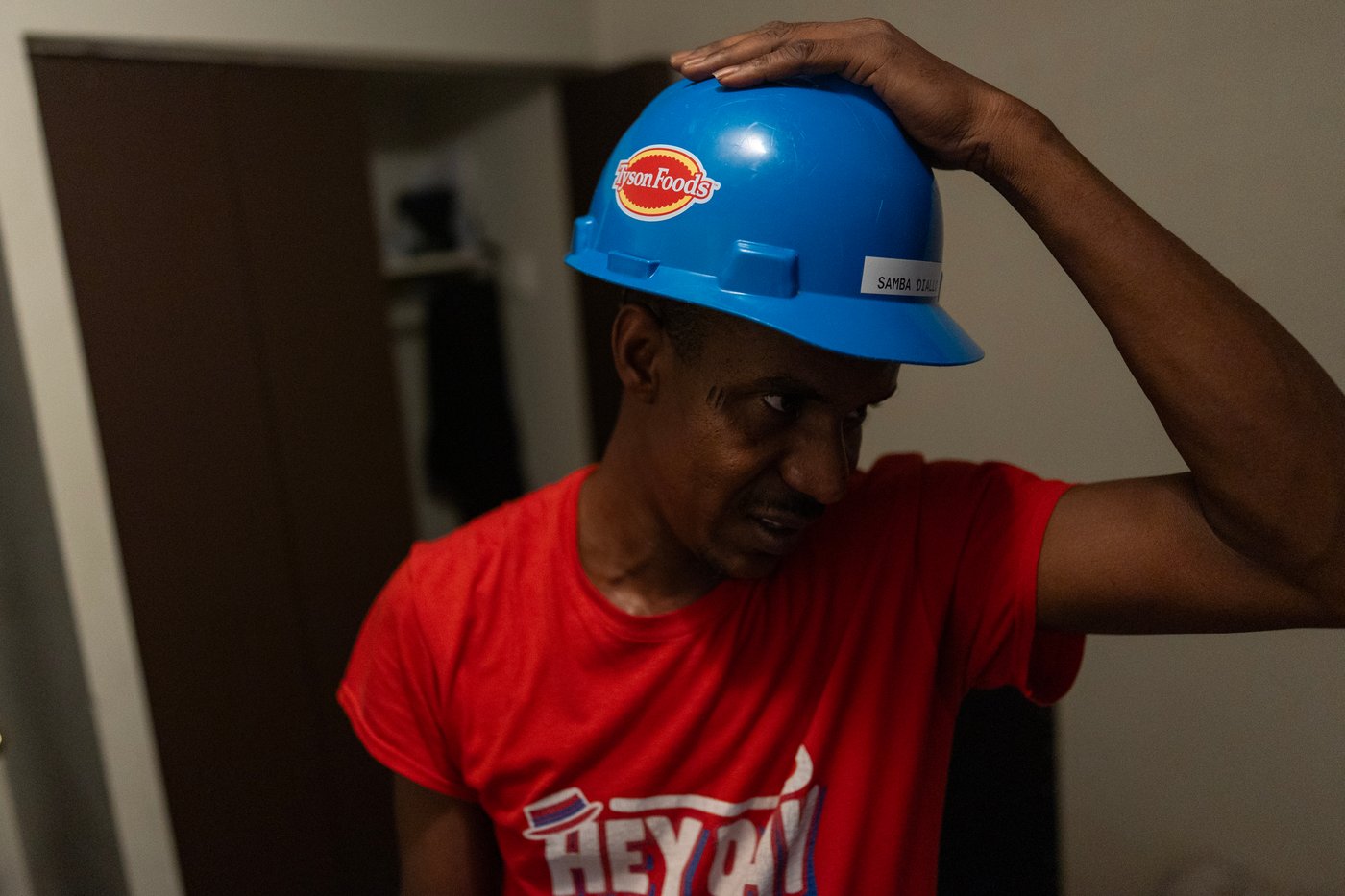
Samba Diallo, a Mauritanian immigrant, tries on a work safety helmet in a bedroom of his shared apartment in Lockland, Ohio, Friday, July 17, 2026. Diallo, like many from Mauritania, had fled a country where he was persecuted for opposing the country’s repressive government. (AP Photo/Carolyn Kaster)
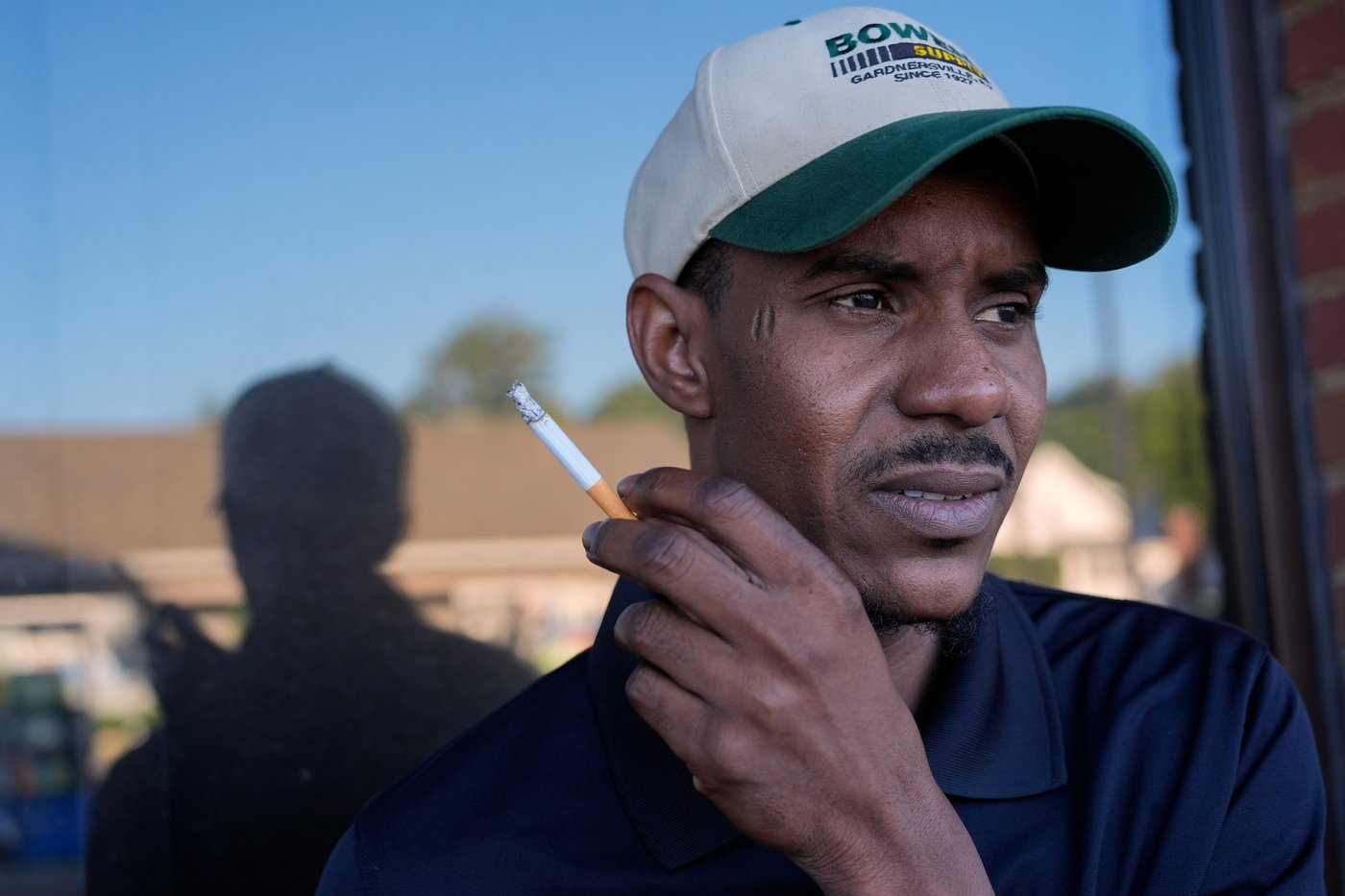
Samba Diallo, like most of these migrants, arrived with nothing but the clothes on his back. They crammed into apartments and relied on a local food bank. But most don’t visit the food pantry anymore. In the years since they arrived, most have gotten work permits and jobs, they’ve bought cars, settled into apartments, and built a community here — including some local Americans who help them navigate the U.S. immigration bureaucracy.
Diallo works 10 hours a day, six days a week, at a meatpacking plant, and saved up his money to buy a car.
Khalidou Sy, another man who arrived from Mauritania at the same time, was able to buy a house on a leafy street.
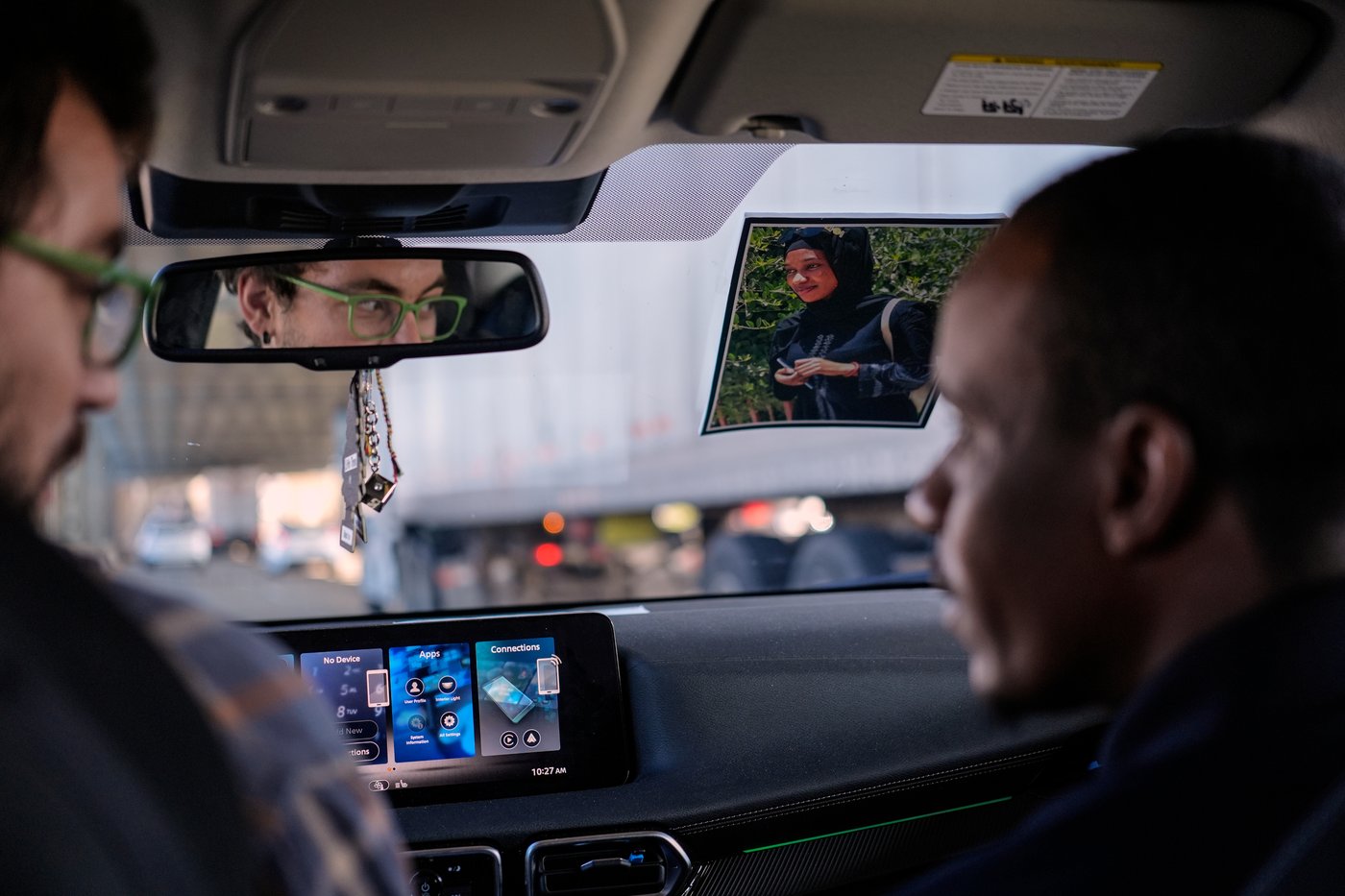
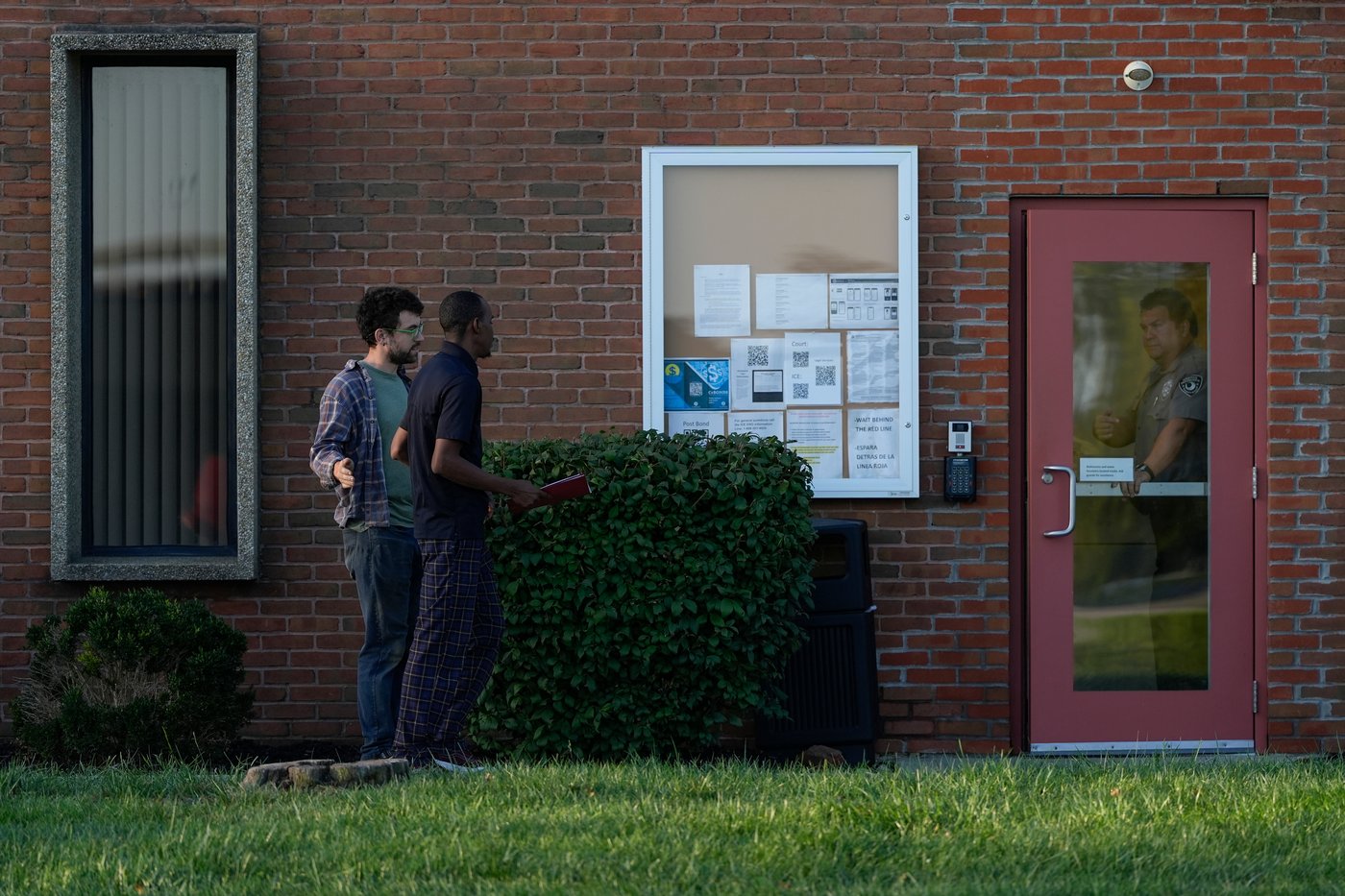
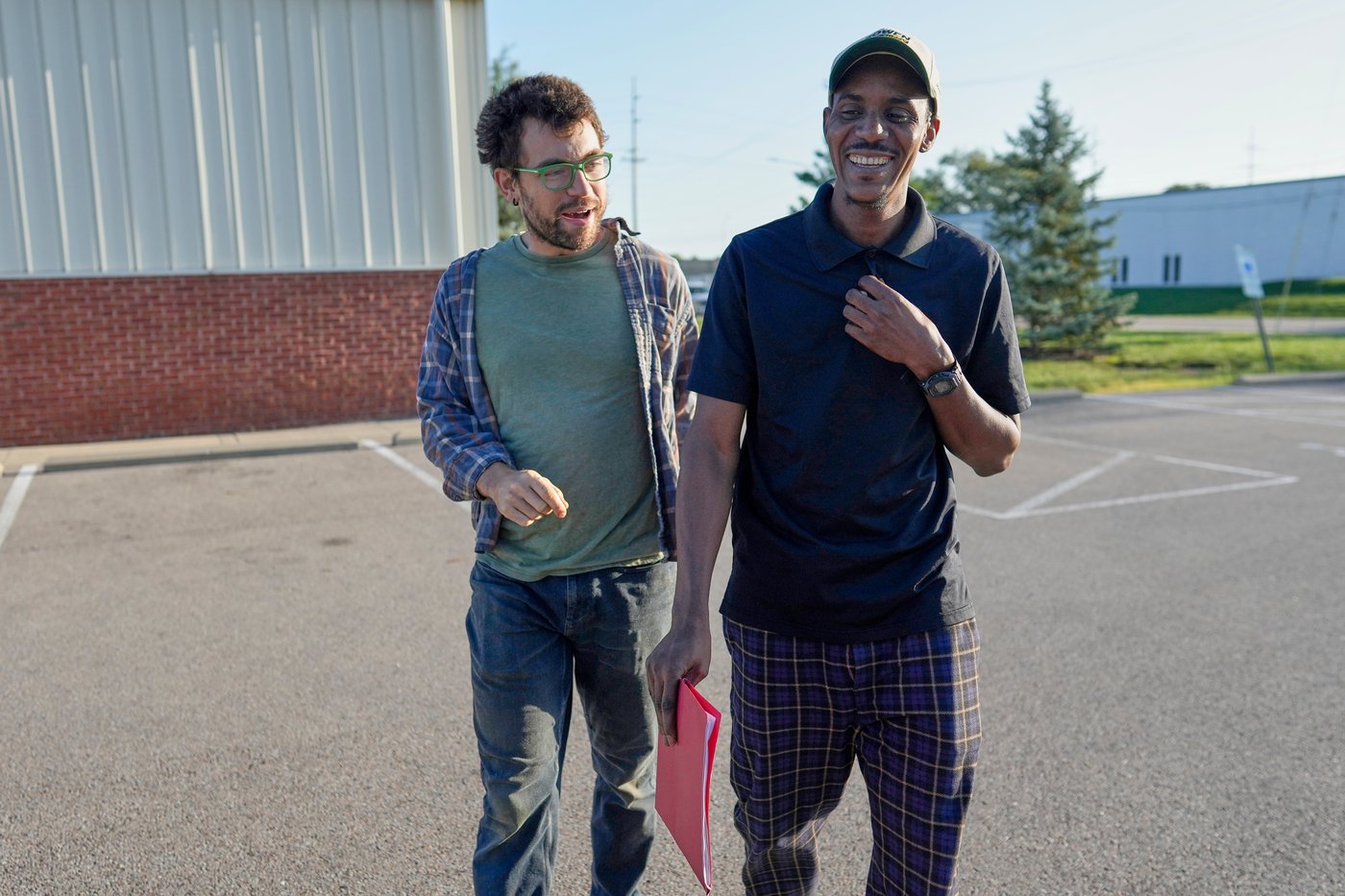
Vincent Wilson, who runs Bikes and Stuff, now routinely goes with them to their check-ins with Immigration and Customs Enforcement. He holds their car keys, in case they are detained.
_____
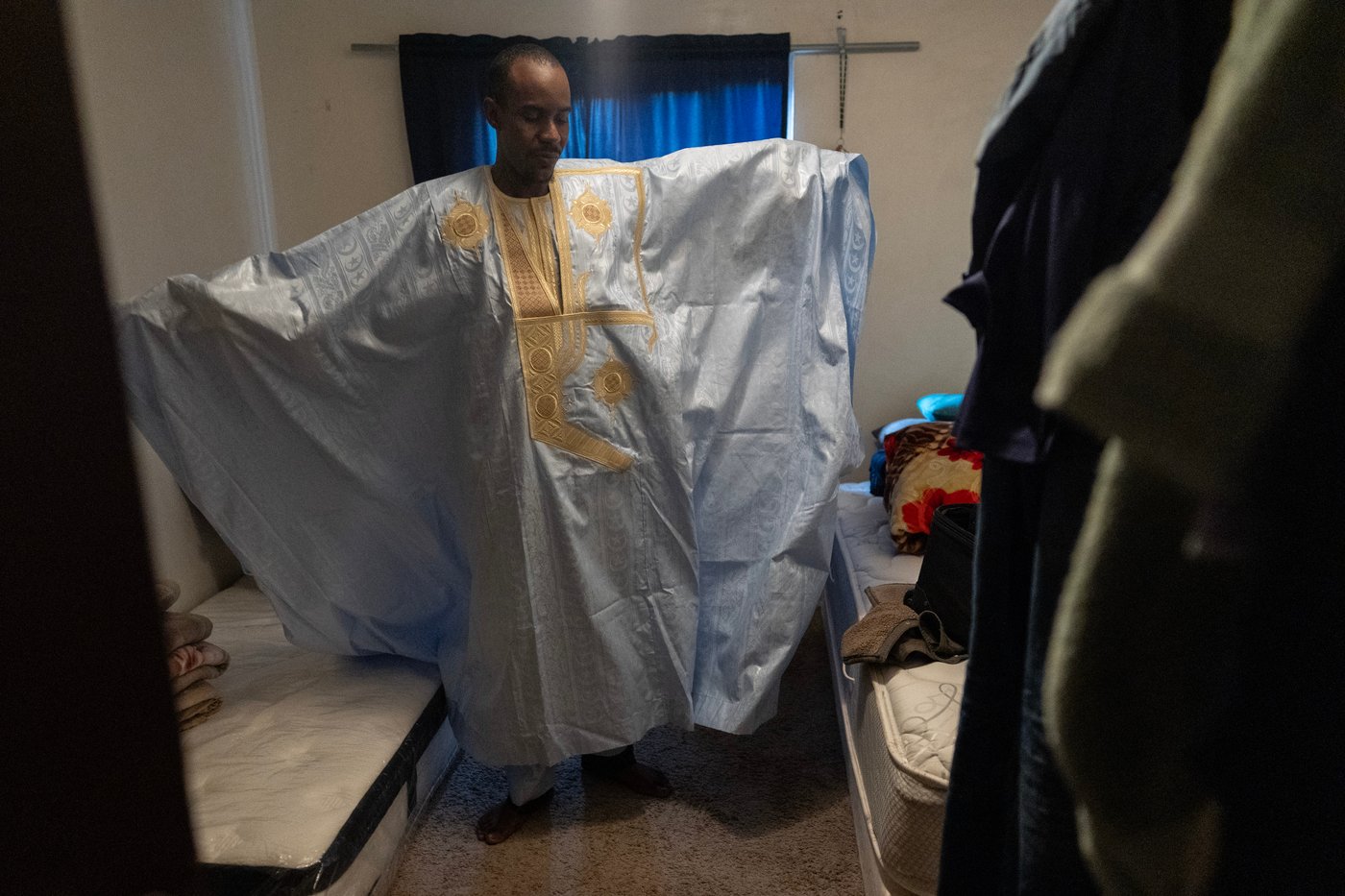
Samba Diallo displays his daraa, a loose-fitting traditional robe worn by men in Mauritania, as he stands in the bedroom of his shared apartment in Lockland, Ohio, Friday, July 17, 2026. Diallo, like many Mauritanians, spent weeks making his way through a half-dozen countries on buses, on foot, through the jungle and across rivers, until he finally walked across the U.S. southern border and asked for asylum. (AP Photo/Carolyn Kaster)
This is a documentary photo story curated by AP photo editors.
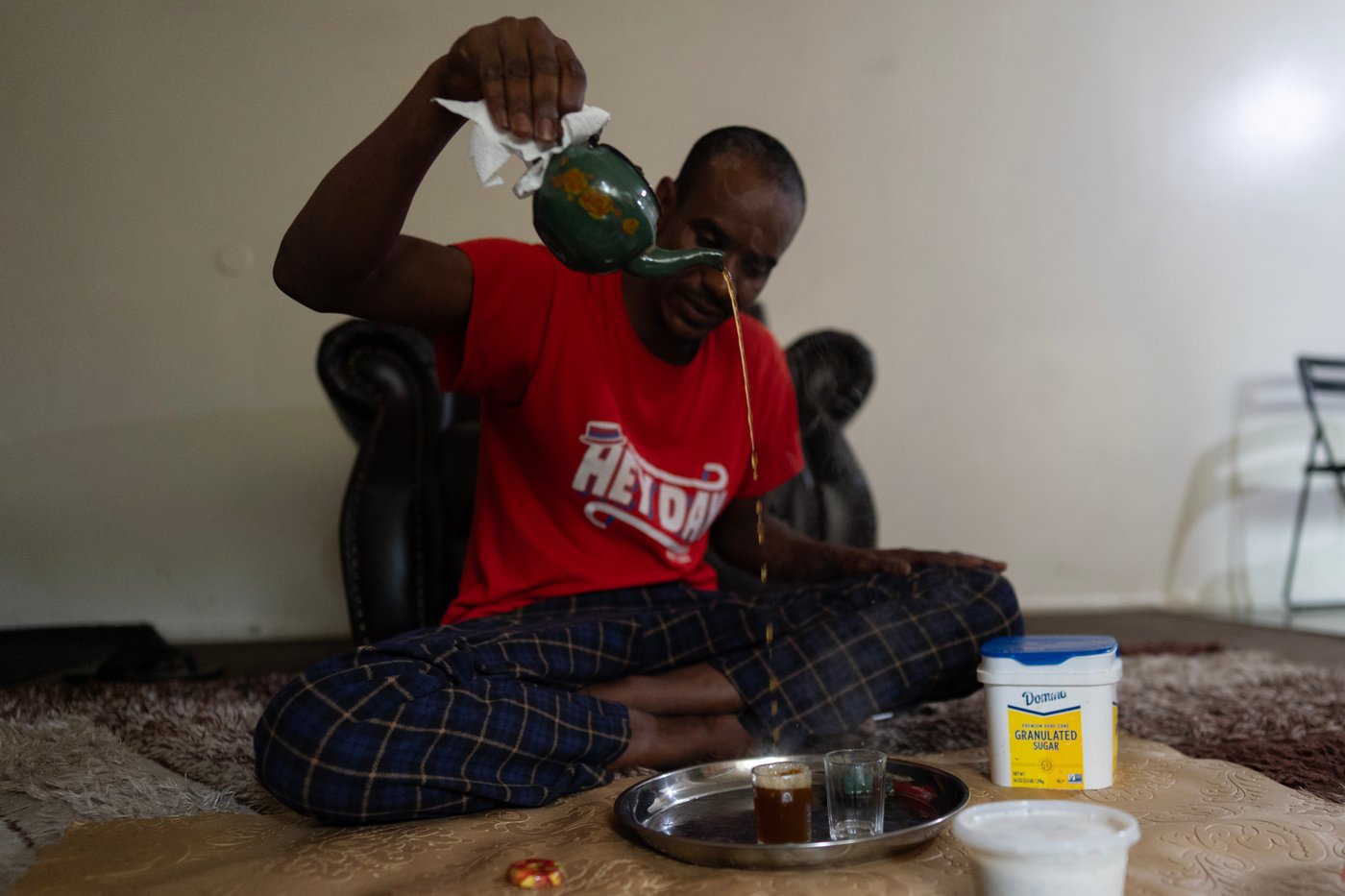
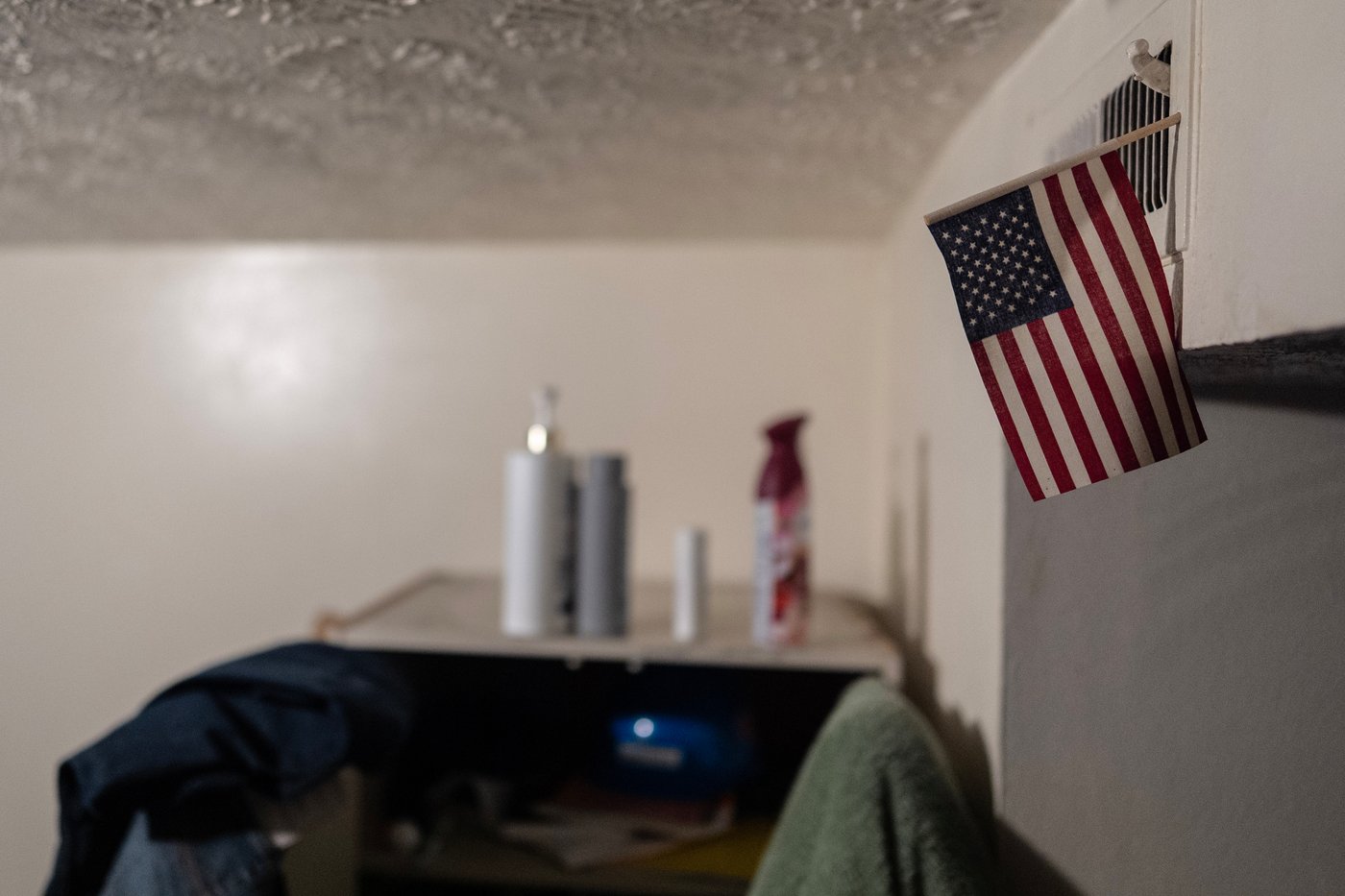
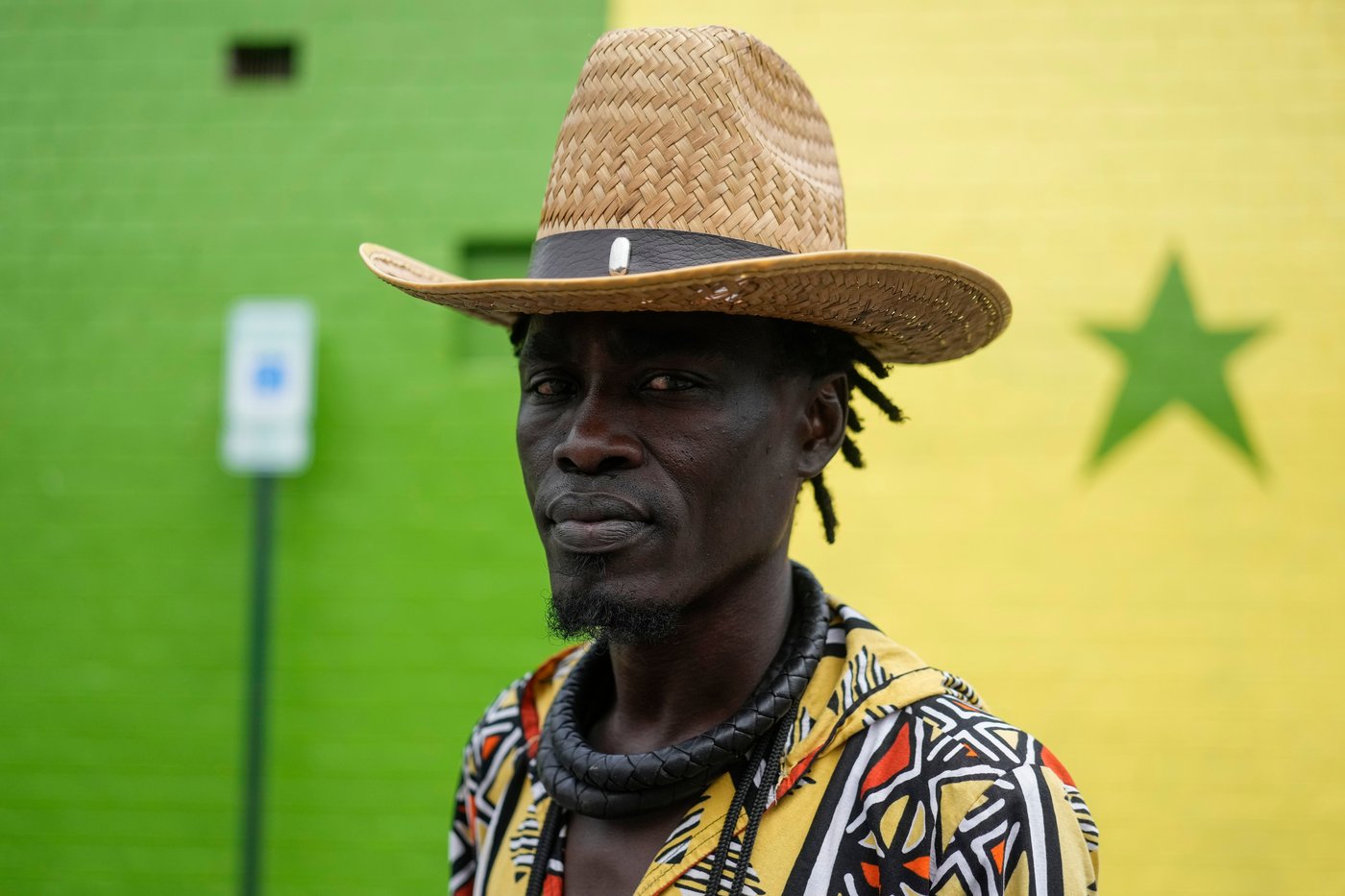
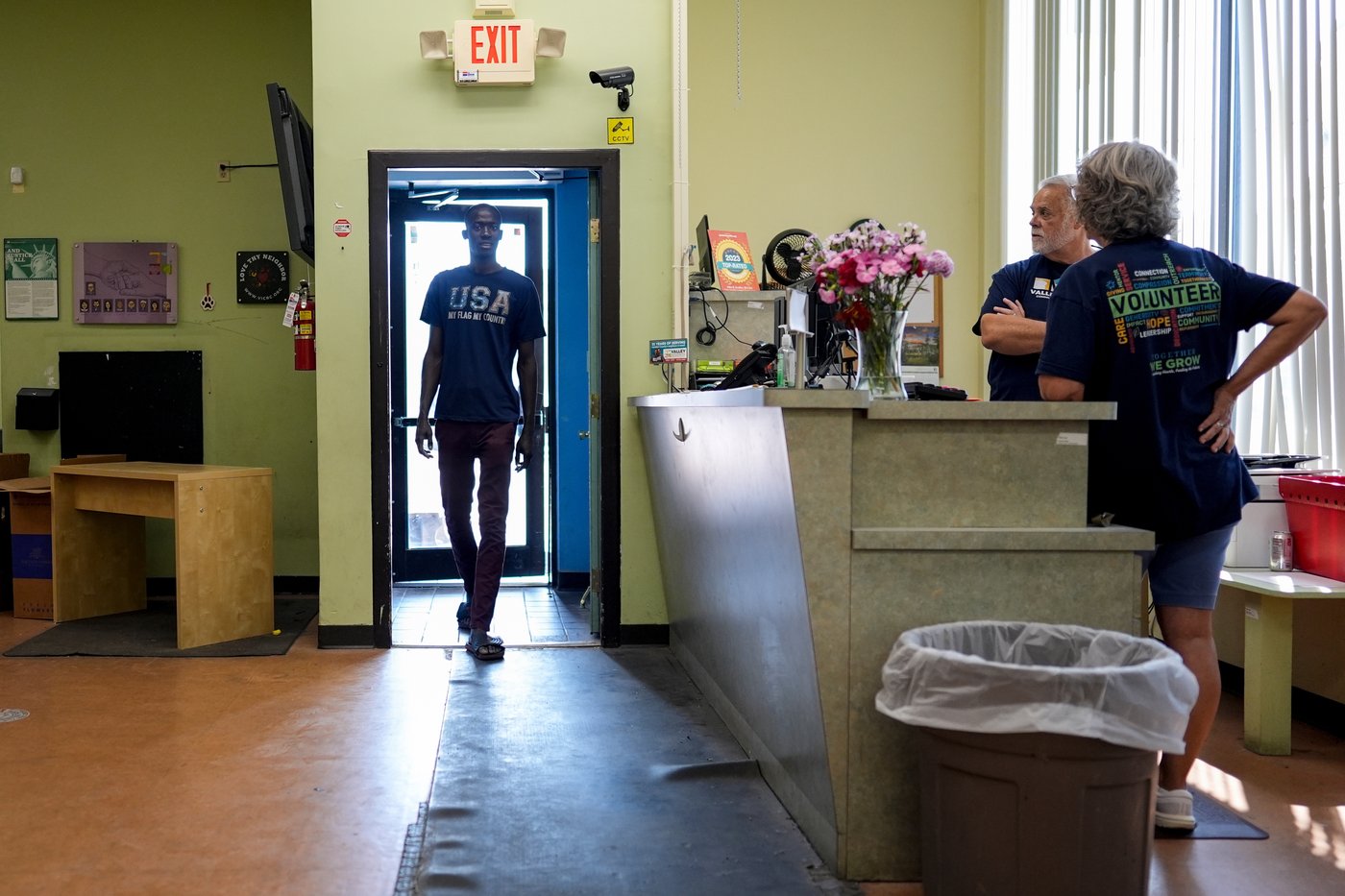
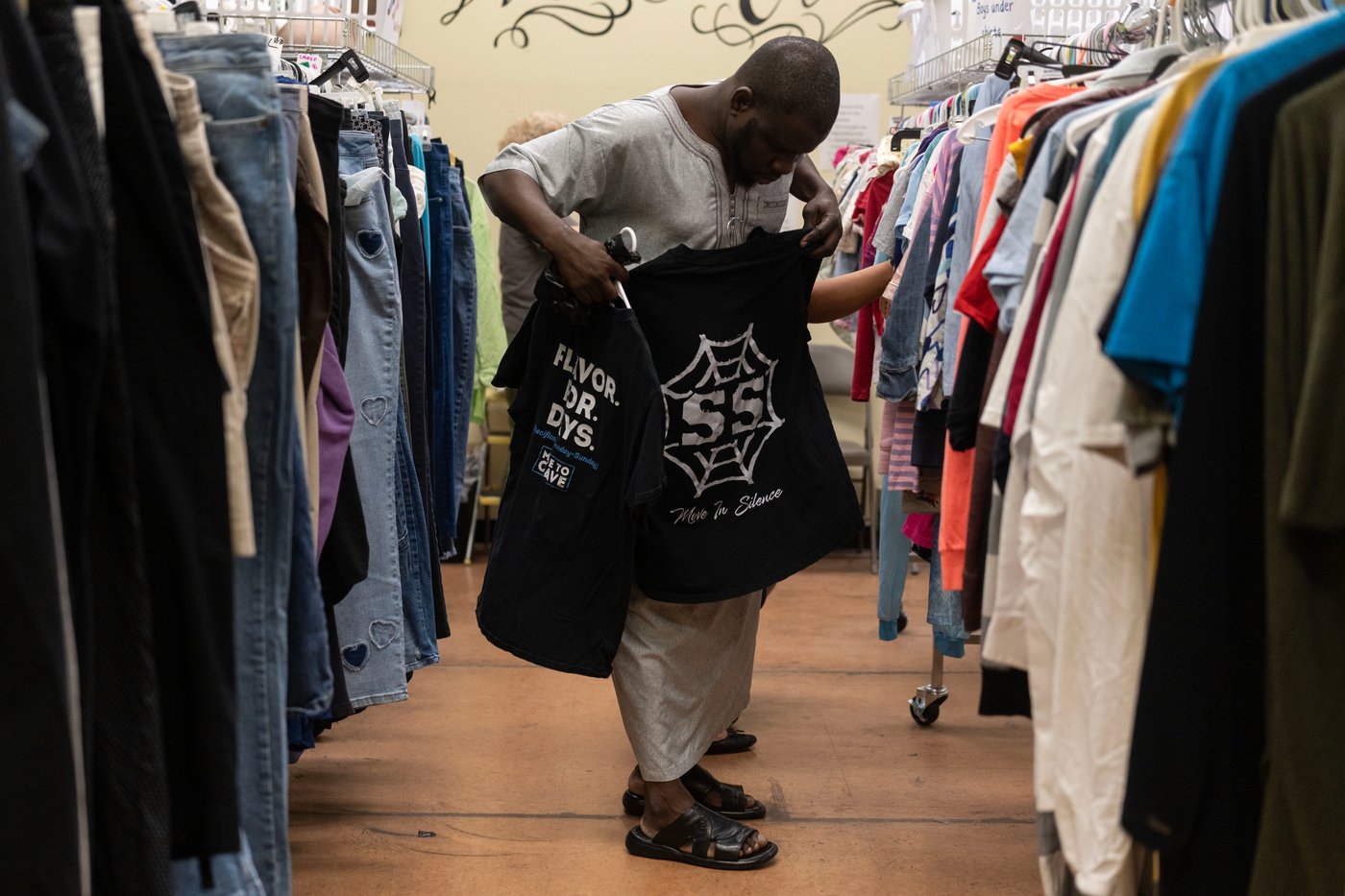
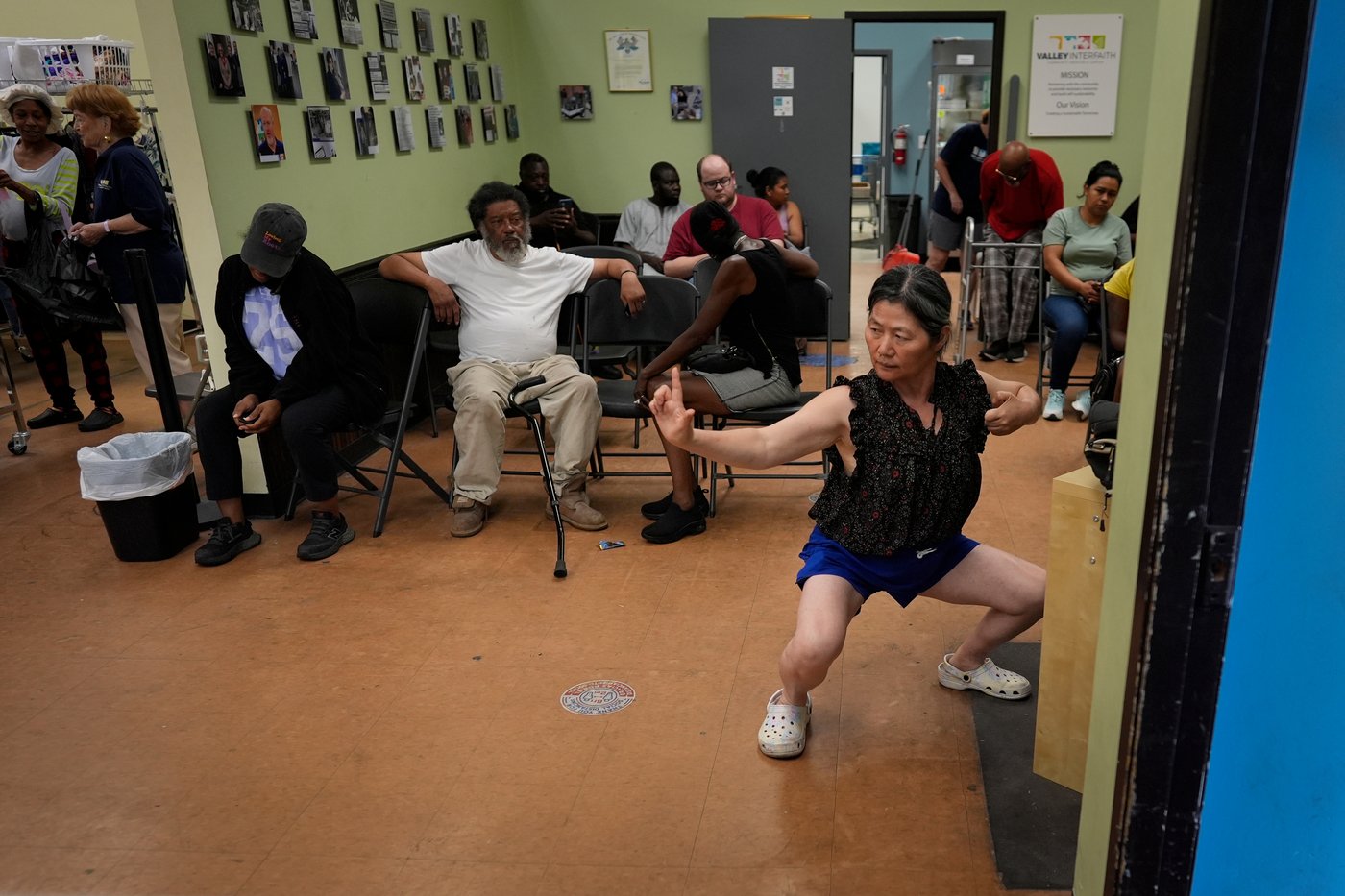
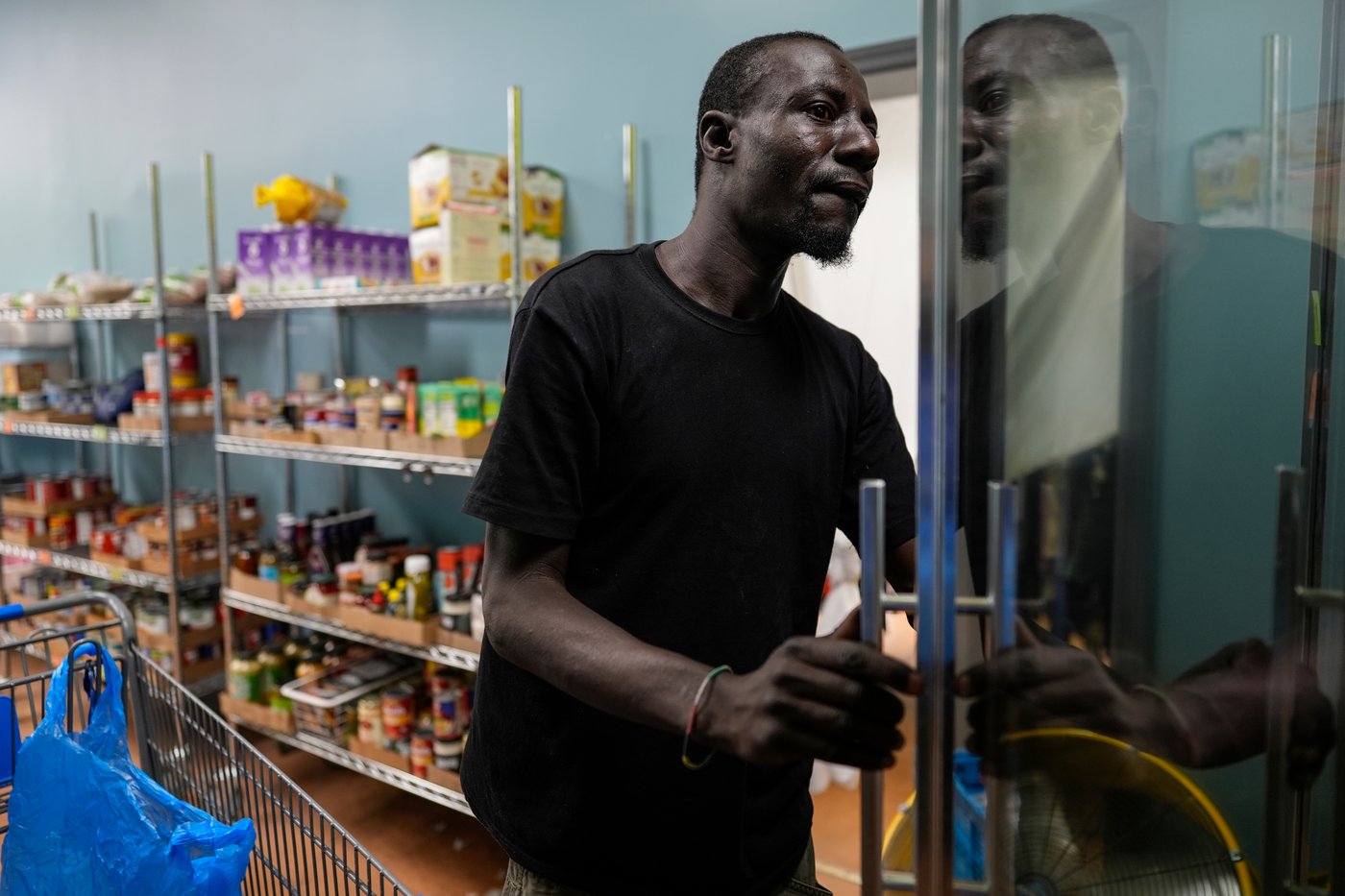
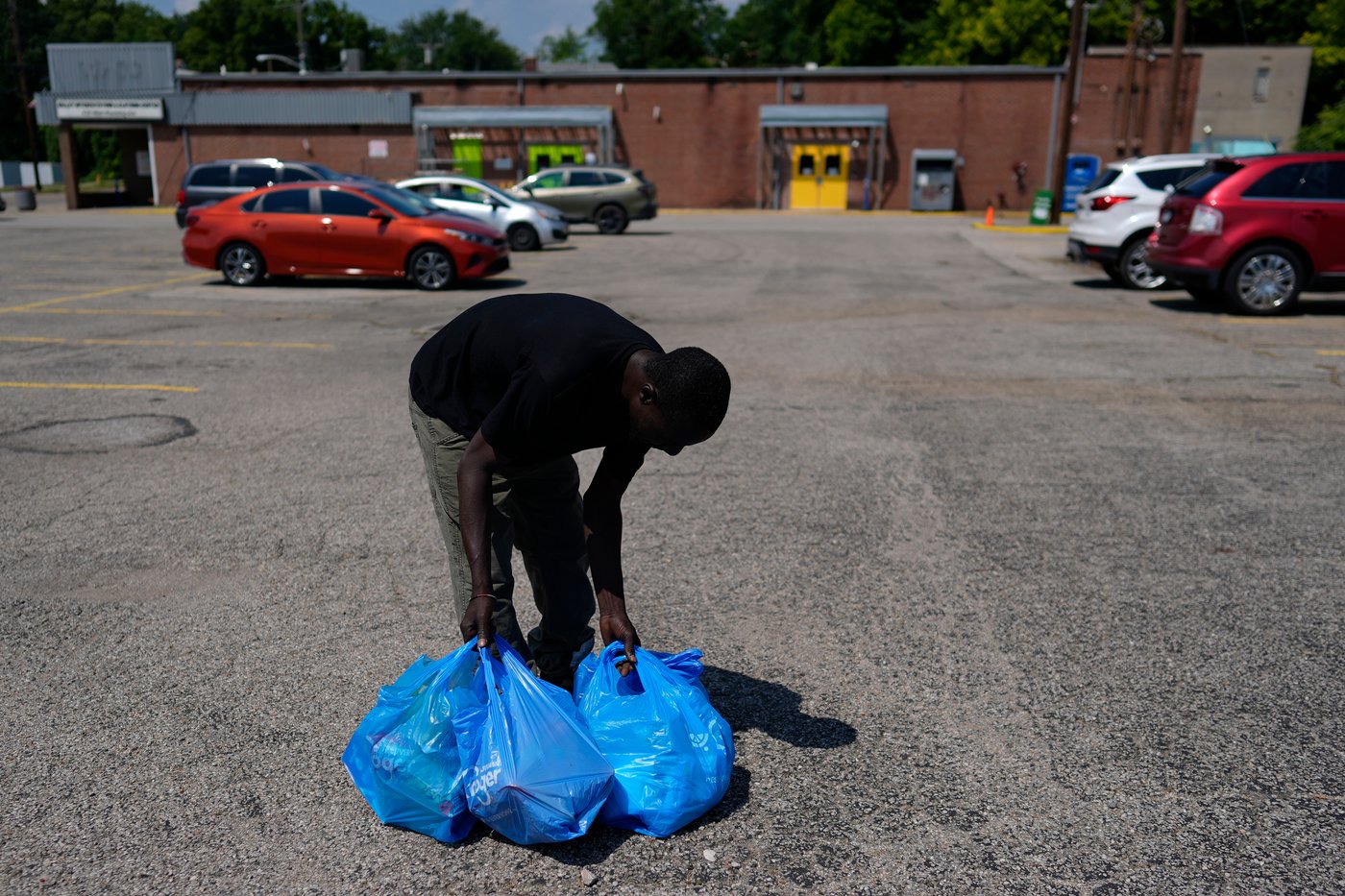
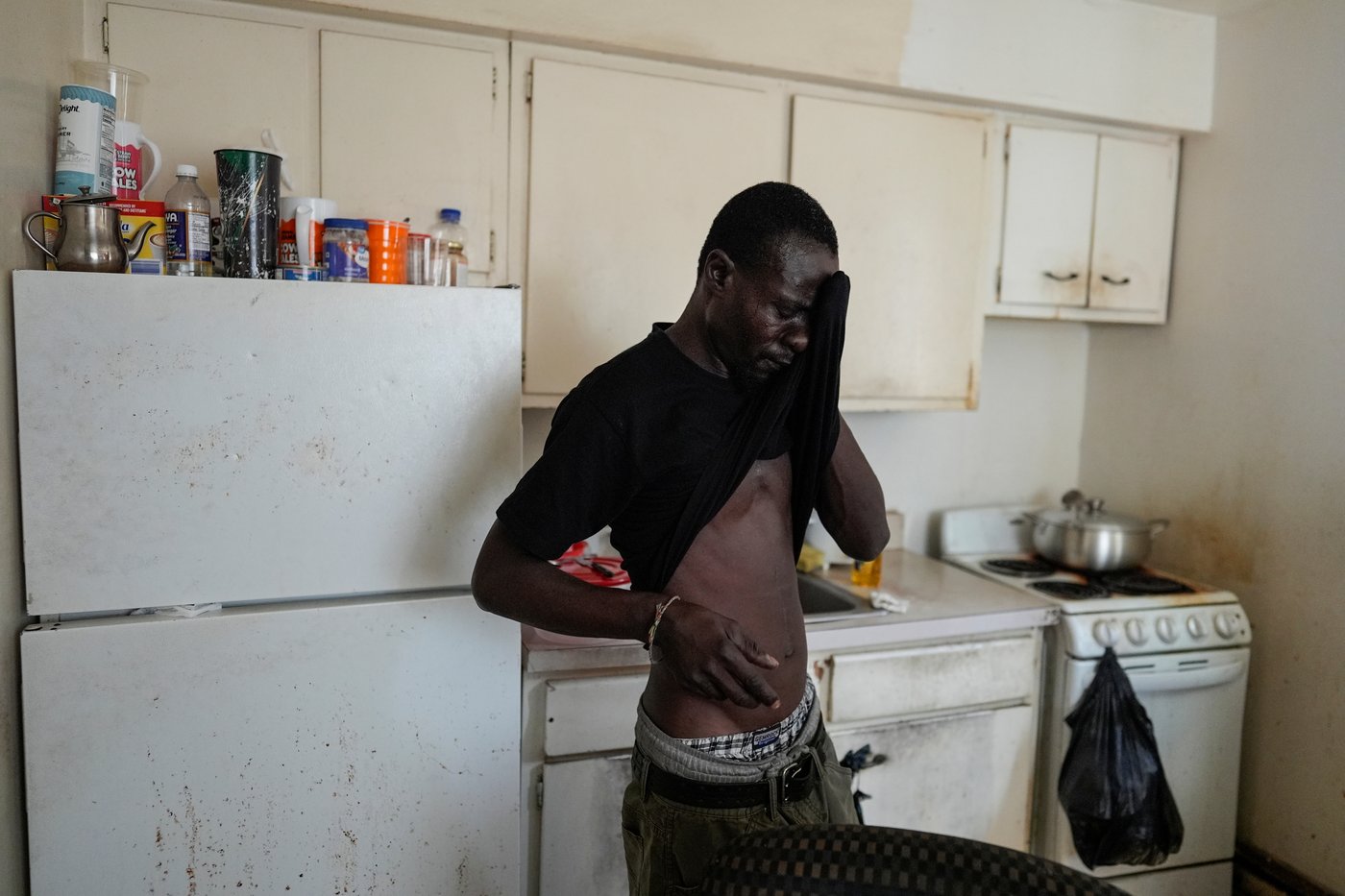
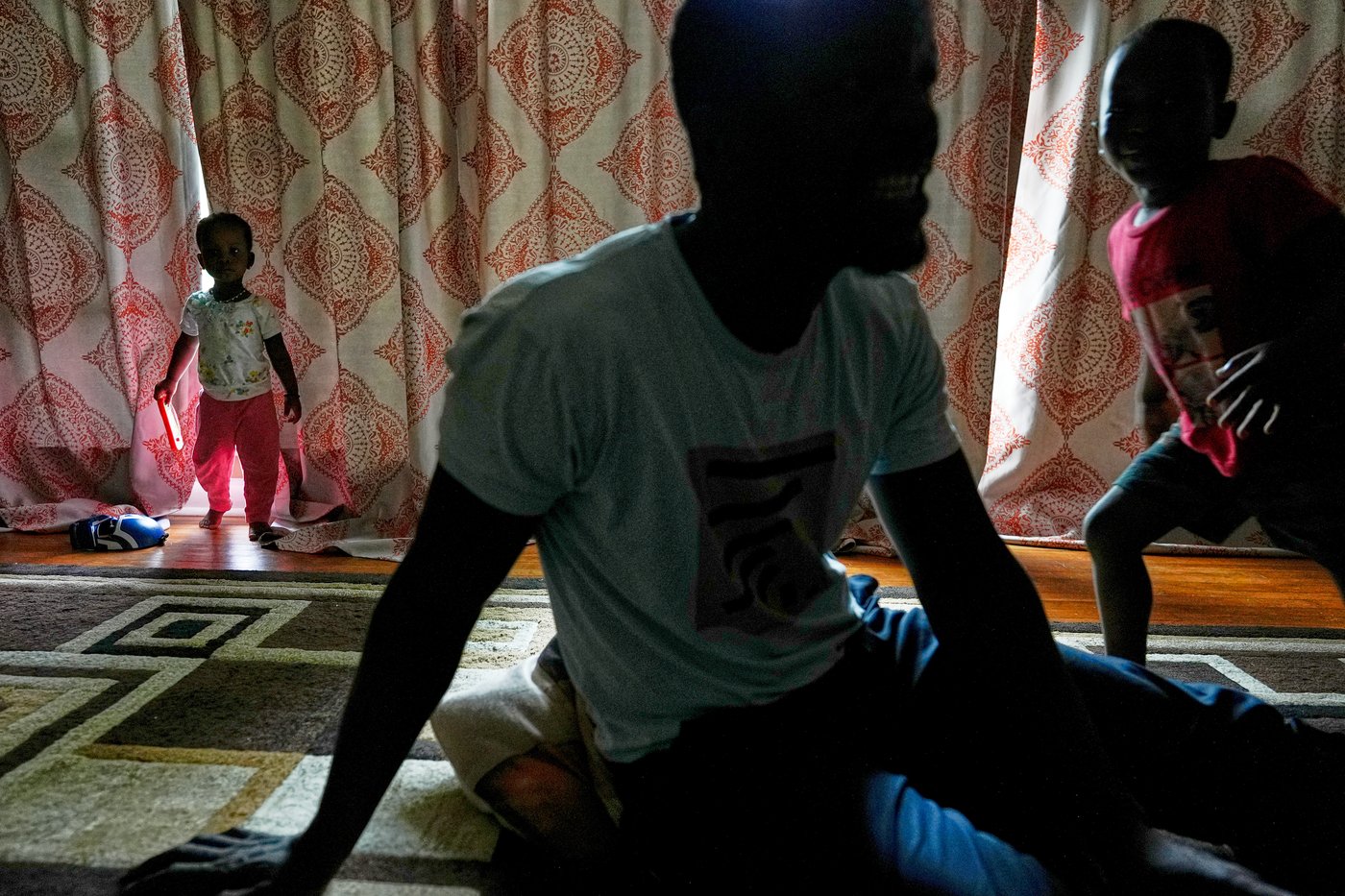
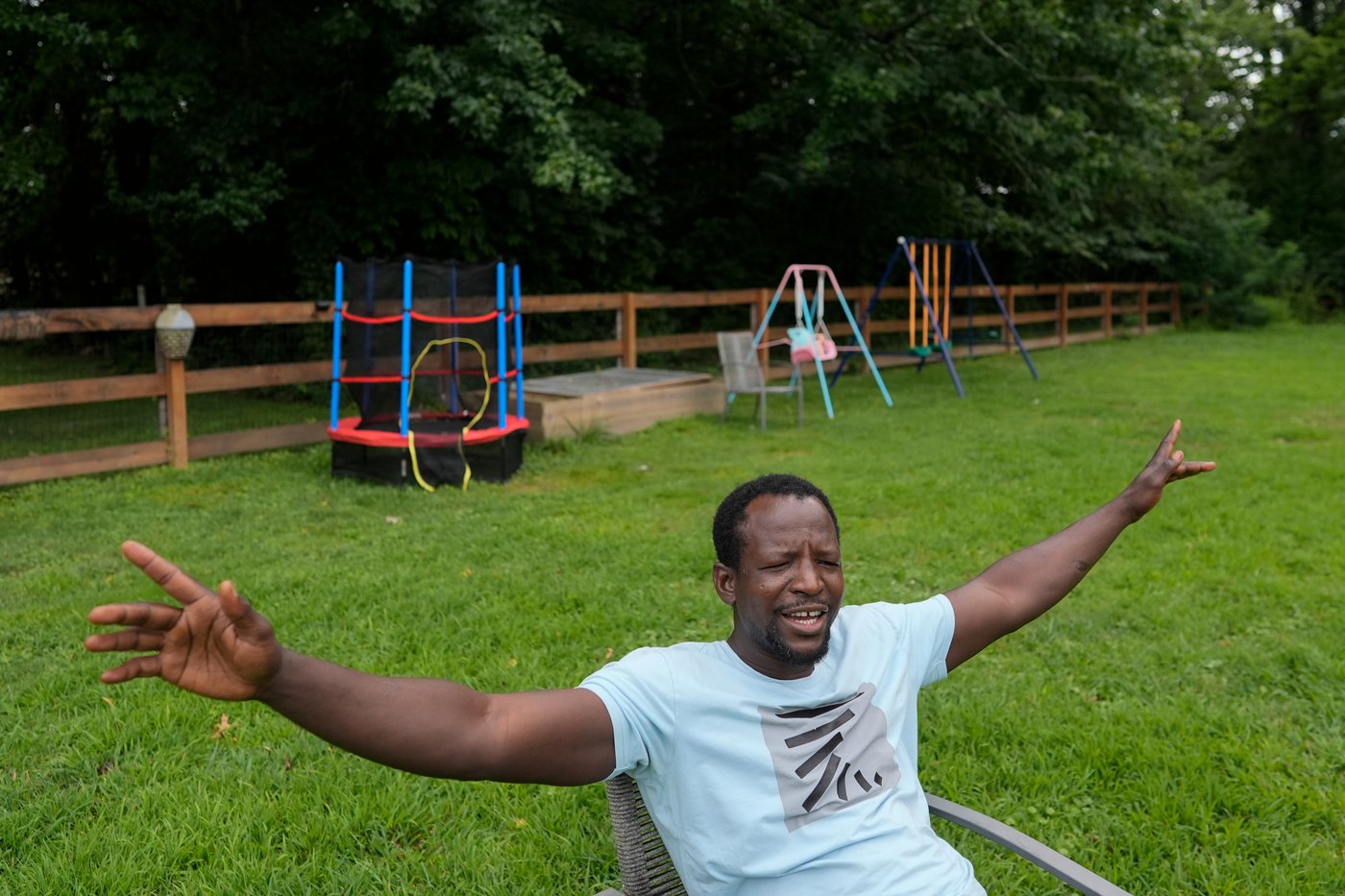
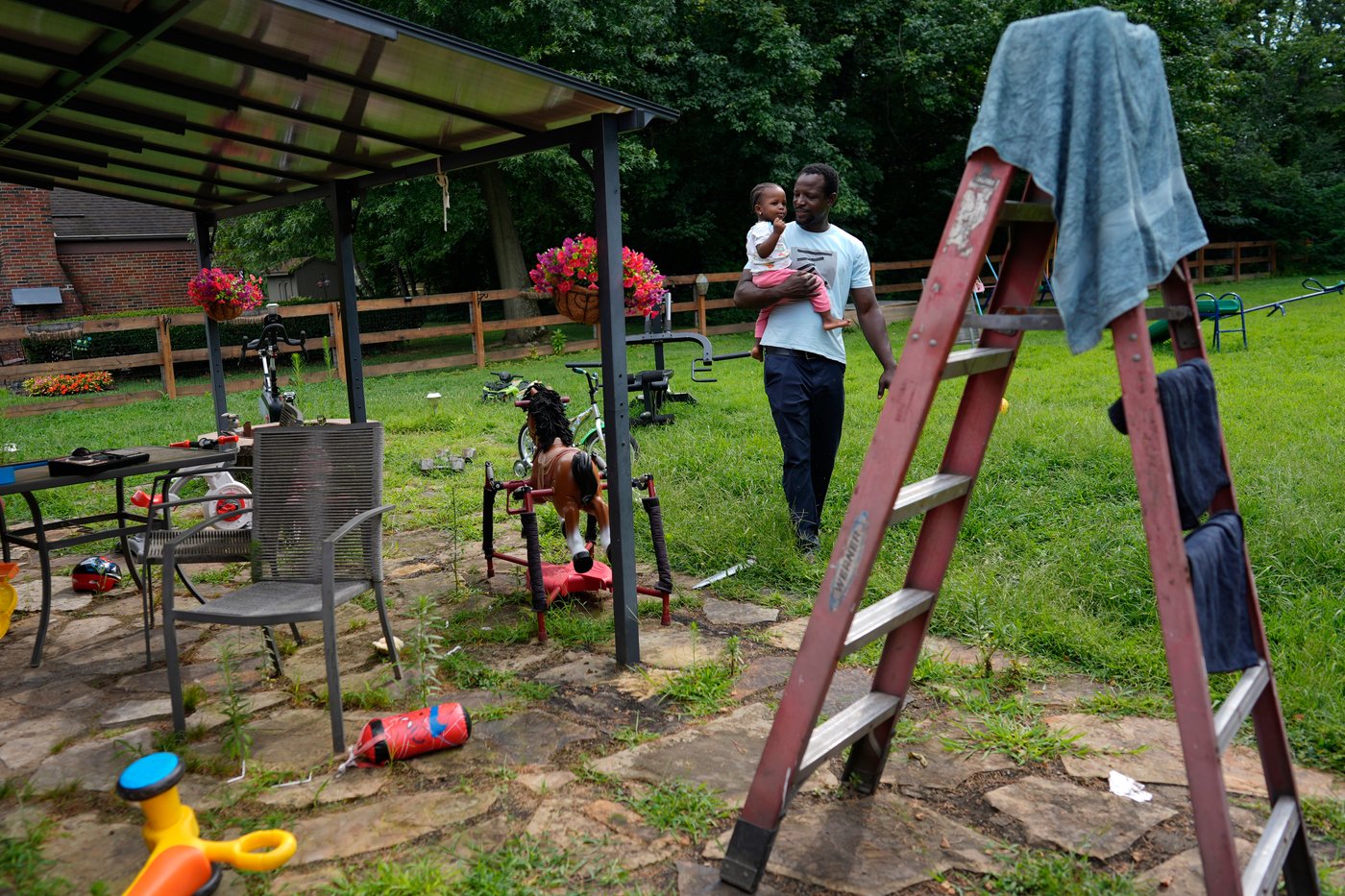
Samba Diallo, a Mauritanian immigrant, makes traditional green tea on the living room floor of his shared apartment in Lockland, Ohio, Friday, July 17, 2026. (AP Photo/Carolyn Kaster)An American flag decorates Samba Diallo’s bedroom in his shared apartment in Lockland, Ohio, Friday, July 17, 2026. Lockland had for decades been home to a small population of West Africans who’d come to Ohio in the 1990s. (AP Photo/Carolyn Kaster)Vincent Wilson, who takes in donated, broken bikes and offers them up to the community for anyone who helps fix them up, looks up as he fixes a bike in front of Bikes and Stuff in Lockland, Ohio, Friday, July 17, 2026. (AP Photo/Carolyn Kaster)Vincent Wilson, left, who takes in donated, broken bikes and offers them up in the community to anyone who helps fix them up, repairs a bike with the help a seven-year-old boy at Bikes and Stuff in Lockland, Ohio, Friday, July 10, 2026. (AP Photo/Carolyn Kaster)Halimata Ndiaye pauses on the new purple bike she just received from Bikes and Stuff in Lockland, Ohio, Friday, July 10, 2026. The shop offers free bikes to anyone willing to help refurbish one and has become the center of life for the West African community here. (AP Photo/Carolyn Kaster)Mohamed, a Senegalese immigrant, pauses as he walks through the parking lot of Touba Tedoungal African Restaurant, Friday, July 31, 2026, in Lockland, Ohio, which has for decades been home to a small population of West Africans. (AP Photo/Carolyn Kaster)Wearing a “USA MY FLAG MY COUNTRY” T-shirt, a client walks into the Valley Interfaith Community Resource Center in Lockland, Ohio, Friday, July 31, 2026. (AP Photo/Carolyn Kaster)Mauritanian client Allasan Darko looks through donated clothing at Valley Interfaith Community Resource Center in Lockland, Ohio, Friday, July 10, 2026. (AP Photo/Carolyn Kaster)Yun Gao of China practices tai chi as she waits to receive food at Valley Interfaith Community Resource Center in Lockland, Ohio, Friday, July 10, 2026. (AP Photo/Carolyn Kaster)Harounat Sarre, a Mauritanian immigrant, opens a cooler as he gets groceries from Valley Interfaith Community Resource Center in Lockland, Ohio, Friday, July 31, 2026. (AP Photo/Carolyn Kaster)Harounat Sarre, a Mauritanian immigrant, rearranges his groceries in the parking lot of Valley Interfaith Community Resource Center as he walks to his shared apartment in Lockland, Ohio, Friday, July 31, 2026. (AP Photo/Carolyn Kaster)Harounat Sarre, a Mauritanian immigrant, wipes away sweat after unpacking groceries from a food pantry into the refrigerator of his shared apartment in Lockland, Ohio, Friday, July 31, 2026. (AP Photo/Carolyn Kaster)Khalidou Sy, a Mauritanian immigrant, sits with his children in the family’s home in Lockland, Ohio, Friday, July 31, 2026. Sy, a well-known hip-hop artist back home, had been jailed for his music critical of the country’s repressive government. (AP Photo/Carolyn Kaster)Khalidou Sy, a Mauritanian immigrant, talks in the backyard of his family’s home in Lockland, Ohio, Friday, July 31, 2026. Sy feels like he’s part of a great American tradition, the “melting pot,” he said, like the Irish and Italians before him. (AP Photo/Carolyn Kaster)Khalidou Sy, a Mauritanian immigrant, carries his young daughter in the backyard of the family’s home in Lockland, Ohio, Friday, July 31, 2026. (AP Photo/Carolyn Kaster)A photo of Samba Diallo’s wife hangs from the inside of his car as he’s driven home by Vincent Wilson, left, following an Immigration and Customs Enforcement appointment in Cincinnati, Monday, Sept. 14, 2026. Diallo posts the picture of his wife, who still lives in their native Mauritania, on the inside of his windshield to see her whenever he drives. (AP Photo Carolyn Kaster)Vincent Wilson stands at left as Samba Diallo, a Mauritanian immigrant, is called to enter for his regular appointment at an Immigration and Customs Enforcement office in Cincinnati, Monday, Sept. 14, 2026. (AP Photo/Carolyn Kaster)Samba Diallo, a Mauritanian immigrant, pauses for a cigarette at a convenience store and gas station after his regular appointment at an Immigration and Customs Enforcement office in Cincinnati, Monday, Sept. 14, 2026. (AP Photo/Carolyn Kaster)Vincent Wilson, left, walks with Samba Diallo, a Mauritanian immigrant back to Diallo’s car after his regular appointment at an Immigration and Customs Enforcement office in Cincinnati, Monday, Sept. 14, 2026. (AP Photo/Carolyn Kaster)
The Associated Press is an independent global news organization dedicated to factual reporting. Founded in 1846, AP today remains the most trusted source of fast, accurate, unbiased news in all formats and the essential provider of the technology and services vital to the news business. More than half the world’s population sees AP journalism every day.