Elevate your local knowledge
Sign up for the iNFOnews newsletter today!
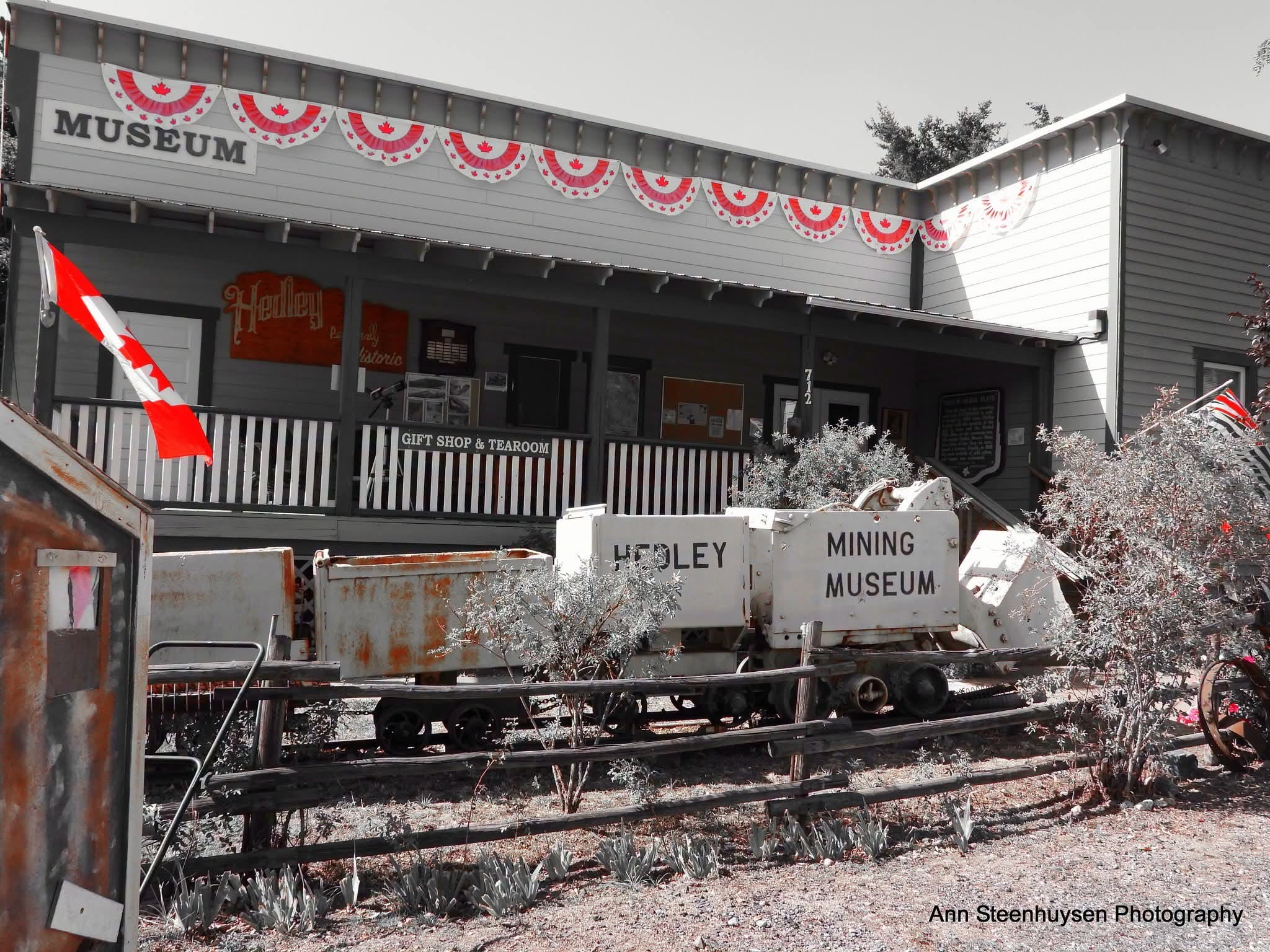
The tiny town of Hedley on Highway 3 in the Similkameen region has a rich mining history which is still evident in the surrounding hills and heritage buildings today.
Located an hour’s drive southwest of Penticton, Hedley is home to fewer than 300 people, but the town was once a noisy, busy hub called Camp Hedley.
Established at the turn of the 20th century, the site was a camp for gold miners working at the Nickel Plate and Mascot Mines there during the Similkameen Valley Gold Rush, according to Hedley Heritage Museum.
Hedley is just downstream from Twenty Mile Creek, so one of the first projects for the townsite was building trestles and a flume system out of milled timber hauled by teams of horses, to bring water to the mines.
Other impressive early infrastructure achievements included an aerial tramway built from the Nickel Plate mine portal to a mill location on Twenty Mile Creek to overcome steep terrain, and structures for accommodation and mechanical facilities built on the steep crags are the mines.
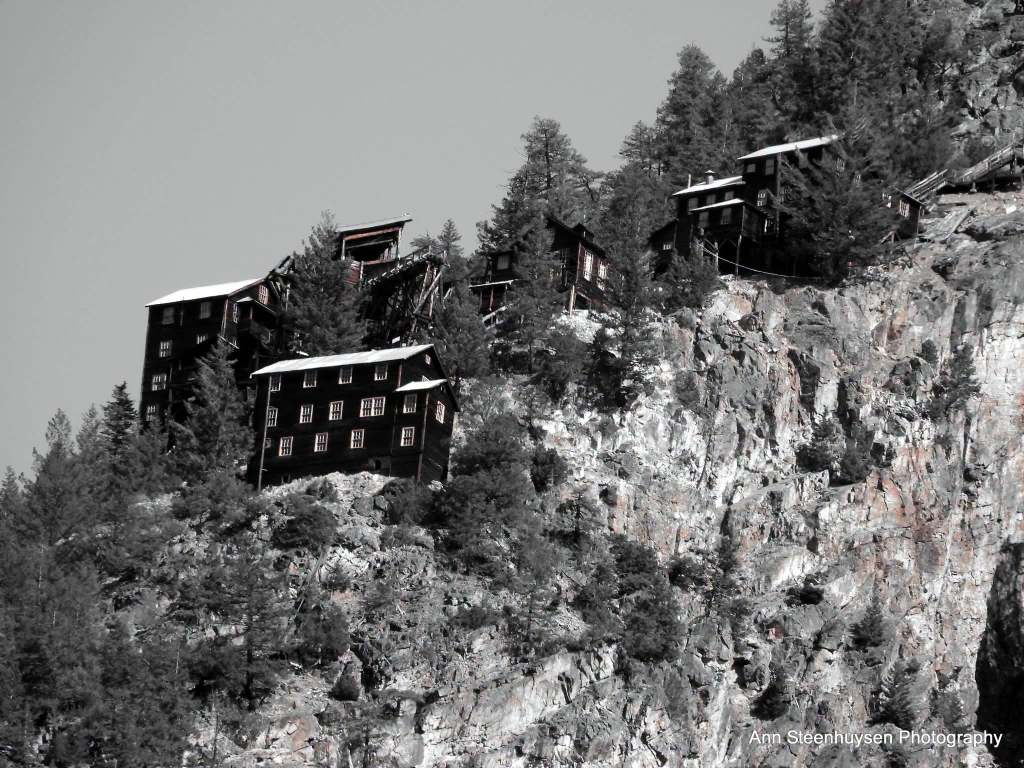
In 1911, a 7,000-foot-long ditch was built to bring water from melting snow on mountaintops to Nickel Plate Lake that emptied into Twenty Mile Creek to create more power for the mines. Four years after that, a 2,000-horsepower dam was completed on the Similkameen River below the outlet of Twenty Mile Creek to create even more power.
Camp Hedley turned into an important mining operation with Nickel Plate mine becoming one of the largest gold producers in the country.
Some gold was recovered off the large stamps used to crush ore and some was retrieved using a cyanide bath process. That gold was sent to Penticton in bricks. Some gold found in heavy concentrate was sent in sacks to Washington to be further refined.
Eventually, the mines were exhausted. Mascot Mine was closed in 1949 and Nickel Plate Mine a few years after. In 1995, the Mascot Mine site was officially designated a Provincial Heritage resource.
Visitors to the town can take Hedley Mascot Gold Mine Tours, however, they are temporarily closed for construction. Information and historical exhibits are available at the Hedley Museum & Visitor Centre.
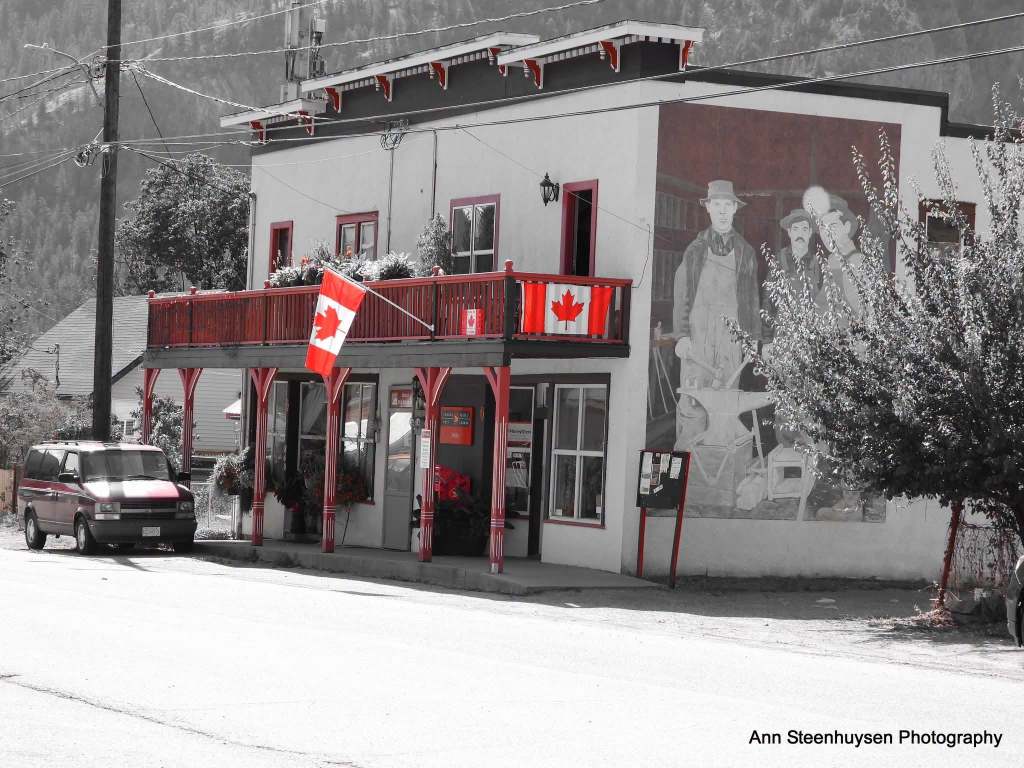
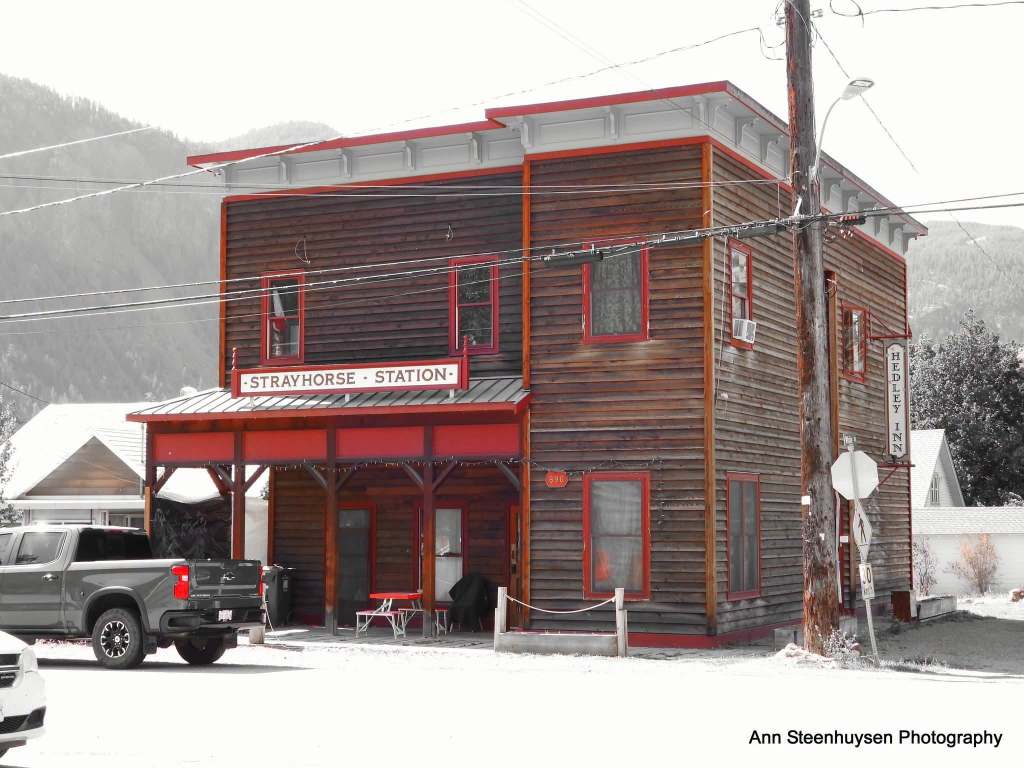
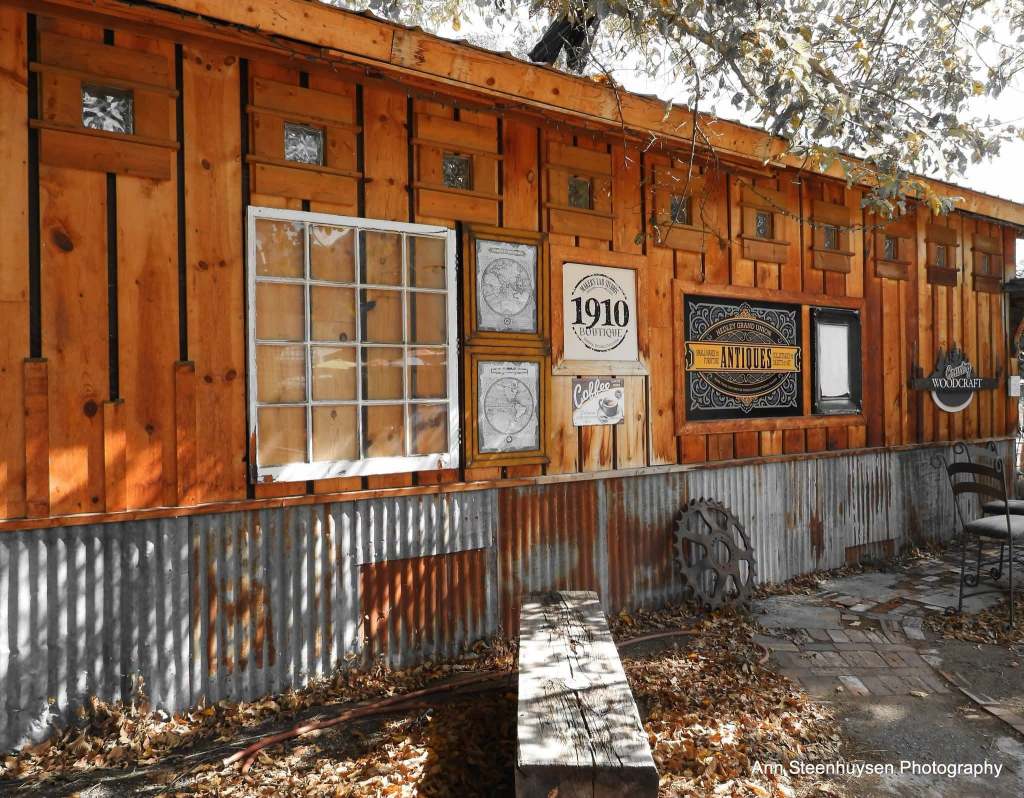
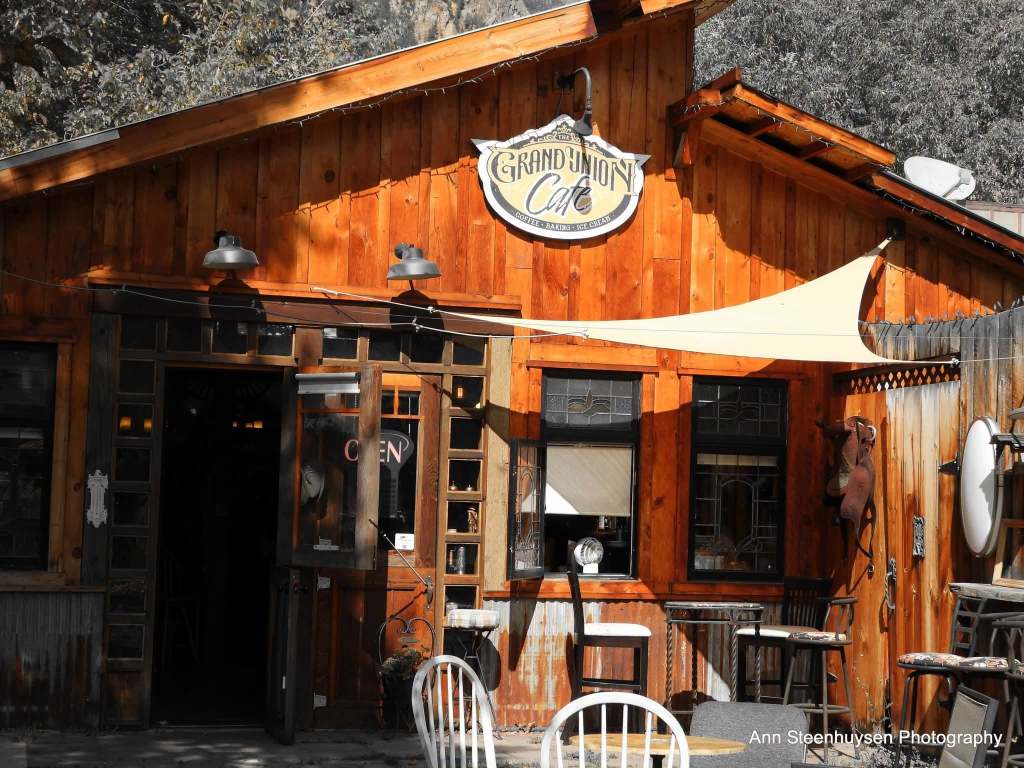
Walking through the town, the surrounding mountains and designated heritage buildings help tell the story of the historical hamlet.
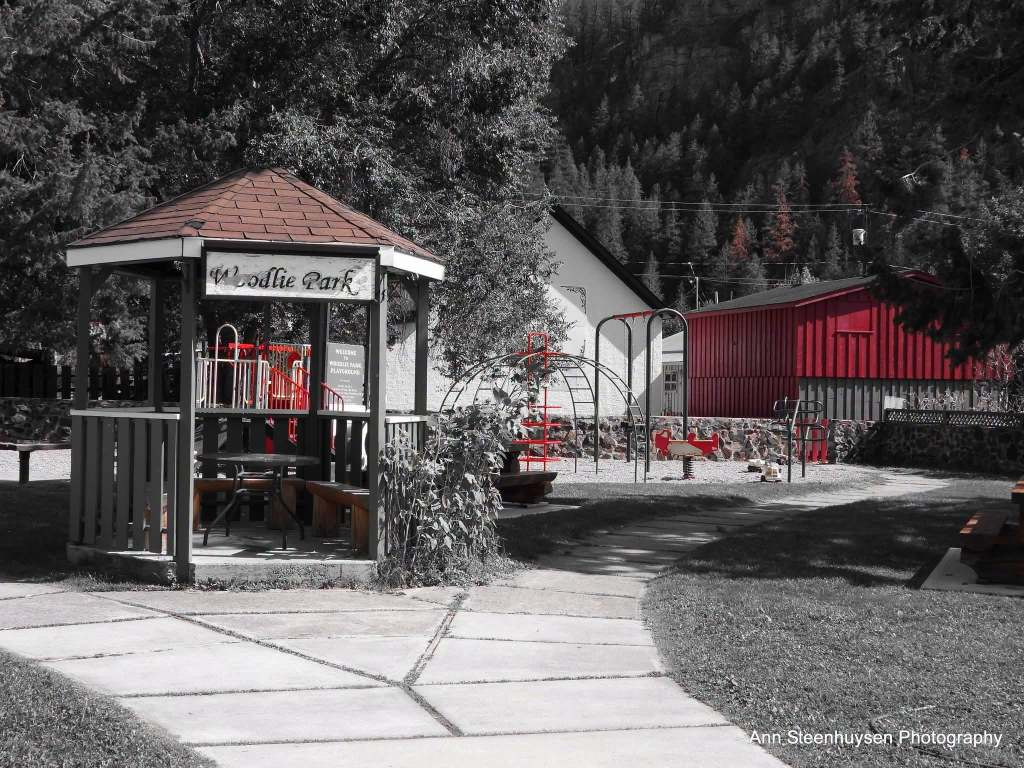
The photos in this article were taken by Shuswap photographer Ann Steenhuysen who used a function on her camera to make the images black and white with only red colours showing up. The resulting images have an interesting, vintage effect.
News from © iNFOnews.ca, . All rights reserved.
This material may not be published, broadcast, rewritten or redistributed.

This site is protected by reCAPTCHA and the Google Privacy Policy and Terms of Service apply.
Want to share your thoughts, add context, or connect with others in your community?
You must be logged in to post a comment.