Elevate your local knowledge
Sign up for the iNFOnews newsletter today!
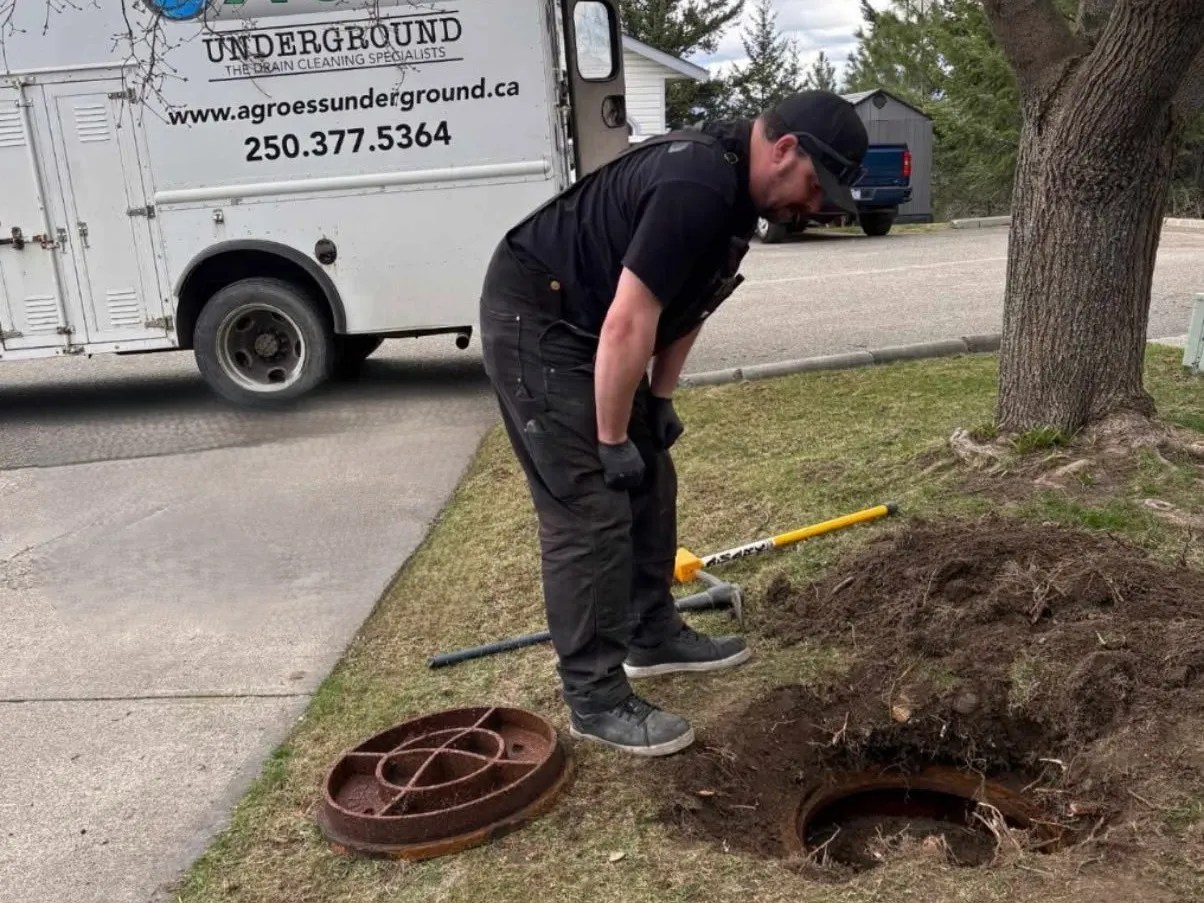
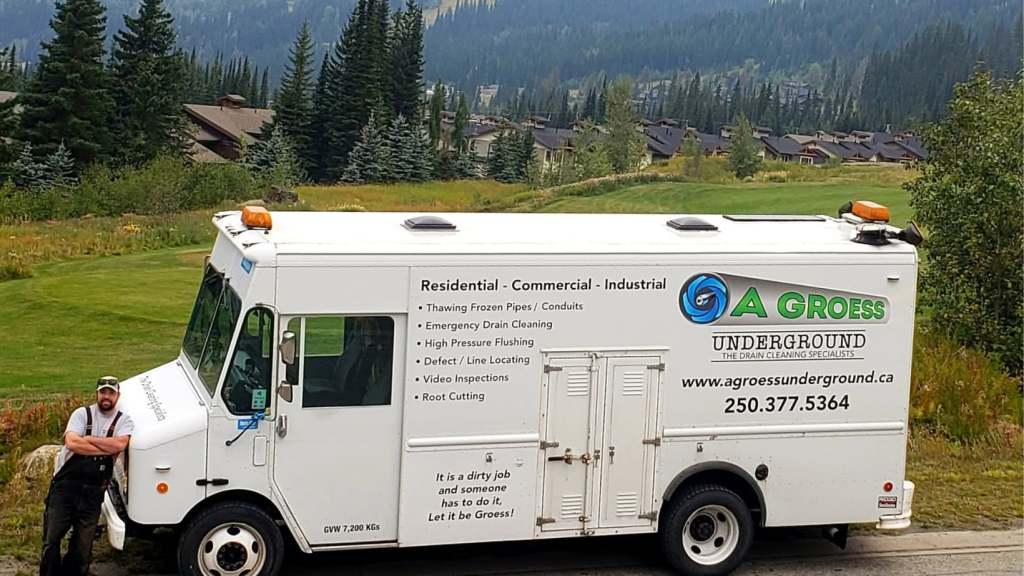
Kamloops resident Dan Groess is known locally as the Sewer Hero and he has been maintaining, cleaning and fixing septic systems in the city for ten years through his company A Groess Underground.
Backed-up toilets create inconvenient messes when waste water overflows onto the floor. Groess’s job is to troubleshoot what the cause is, and fix it.
“Growing up I wanted to be a detective, I always want to figure out how things work,” he said. “When I go to a job and people tell me all the things they think caused the problem, I have to remove all that from my mind because there are only so many things that can be wrong.
“I have to figure out why, and what the best fix is. It’s like a puzzle.”
There are several reasons why bothersome backups occur, and mostly it happens when things are flushed that shouldn’t be. It can also occur when pipes underground are damaged or caked with grease.
Fortunately, there are ways to prevent a disaster from happening in the first place.
Commonly flushed items that create clogs are feminine hygiene products, flushable wipes, kids toys and diapers.
A wide variety of other items are flushed accidentally.
“People flush and as they’re closing the lid they’re reaching up for something else and it drops in,” Groess said.
“I had one gentleman drop an Old Spice deodorant stick I had to get out of his toilet. That was the best smelling toilet I’ve ever worked on.”
He said literally anything can fall into the bowl.
“Sometimes items get stuck in the toilet, sometimes it makes into the sewer line and now you have mascara halfway down your street.”
Some homes in Kamloops have septic tanks, where others are connected to the city’s main sewer line.
When those on city sewer flush a toilet, the water goes to a pipe that connects to a mainline and works its way to the waste water treatment plant, where it gets broken down, cleaned up and pumped into the river.
For houses that have a septic tank, flushed toilet water goes to a tank on the property. The solids drop, the fats rise and the liquid goes to a distribution box where it is moved into different runs that leach into the soil.
When objects other than human waste are flushed down a toilet connected to the city line, they are filtered out at the plant with screens, where objects dropped into septic systems end up in the tank.
“I’ve fished out so many things from septic tanks,” Groess said. “People drop dentures down there. One guy was looking in the septic tank when my team was cleaning it and saw his dentures in there. I’m like, ‘did you want these back?’”
Often, the items don’t make it through the pipes.
“Stuff gets stuck in there and anytime anyone uses it, the water will go through but the debris and toilet paper gets stuck behind it and now its constantly backed up.
“I’ve seen a lot of tampon applicators sitting at the bottom of pipes acting as a block. Some people just don’t understand there are things they can’t flush.”
The biggest offender causing backups is flushable wipes, because they don’t break down. Groess said he has removed large clumps of the wipes from pipes. The brand of toilet paper used can also be a factor.
“I had a job where this lady had been living in her home alone for 50 years without a problem and all of a sudden had a sewer backup,” he said. “I did an inspection and sure enough there was a displacement in the pipe, acting as a wall for debris.
“I asked her son if she changed toilet paper brands. He was shocked, and asked how I knew that.”
Some bathroom tissue isn’t as thick and so it breaks down faster. If there is a slight backup, the paper will break down and allow movement through the pipe.
Thick toilet paper doesn’t break down quickly.
“It’s about how often the toilet is used and what kind of toilet paper is used,” Groess said. “This house had been living with a defect for years but it wasn’t noticed until the toilet paper brand was changed.”
In the bathtub drains and sinks, hair is a common cause of clogs.
“Once I pulled out a clump that was five feet long,” Groess said. “I held it chest high and it was still touching the bathtub. That is the most horrific smell.”
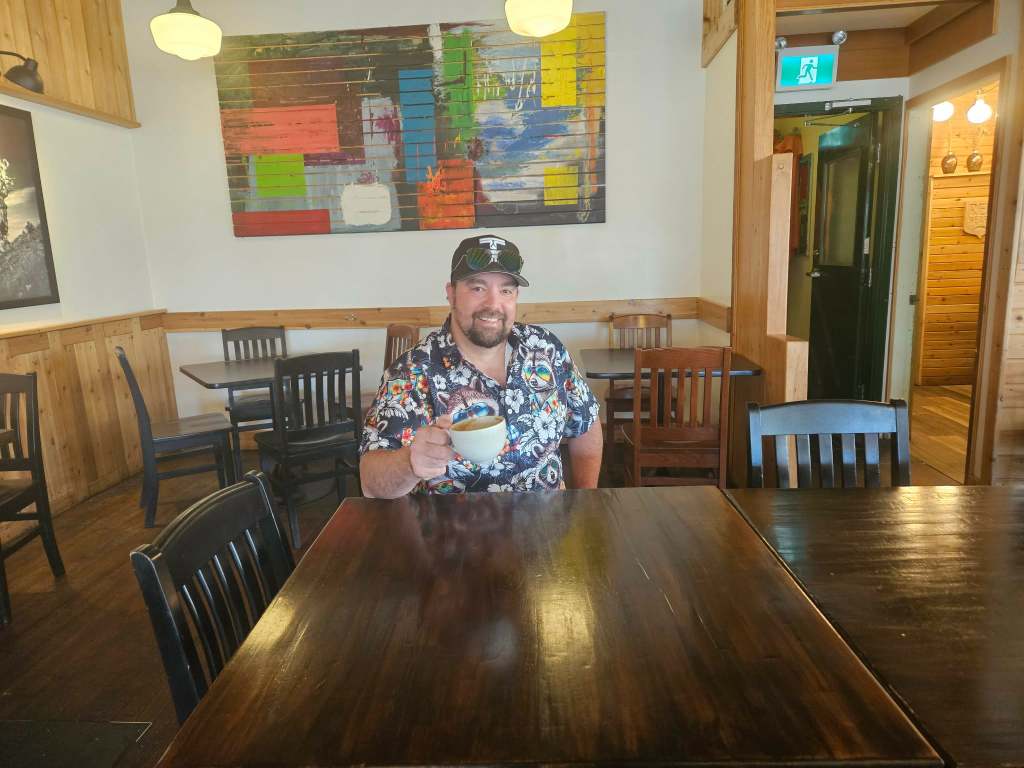
Part of Groess’s job requires working in people’s bathrooms, a task he treats with respect and confidentiality, often reassuring clients, there is no need to be embarrassed.
“Obviously people are apologetic and embarrassed, especially, you know, if they can’t flush the toilet and it’s (waste) just sitting there,” he said. “But this is my job. Everybody poops, it’s whatever. It isn’t something to worry about.”
One of his favourite parts of the job is when he is called to fix a toilet and removes a kid’s toy.
“I’ll pull out a large lego figurine, or once I pulled out a liquid yoghurt drink,” he said. “You can always tell which kid did it because they’re around the corner peering at me, it’s the cutest thing.”
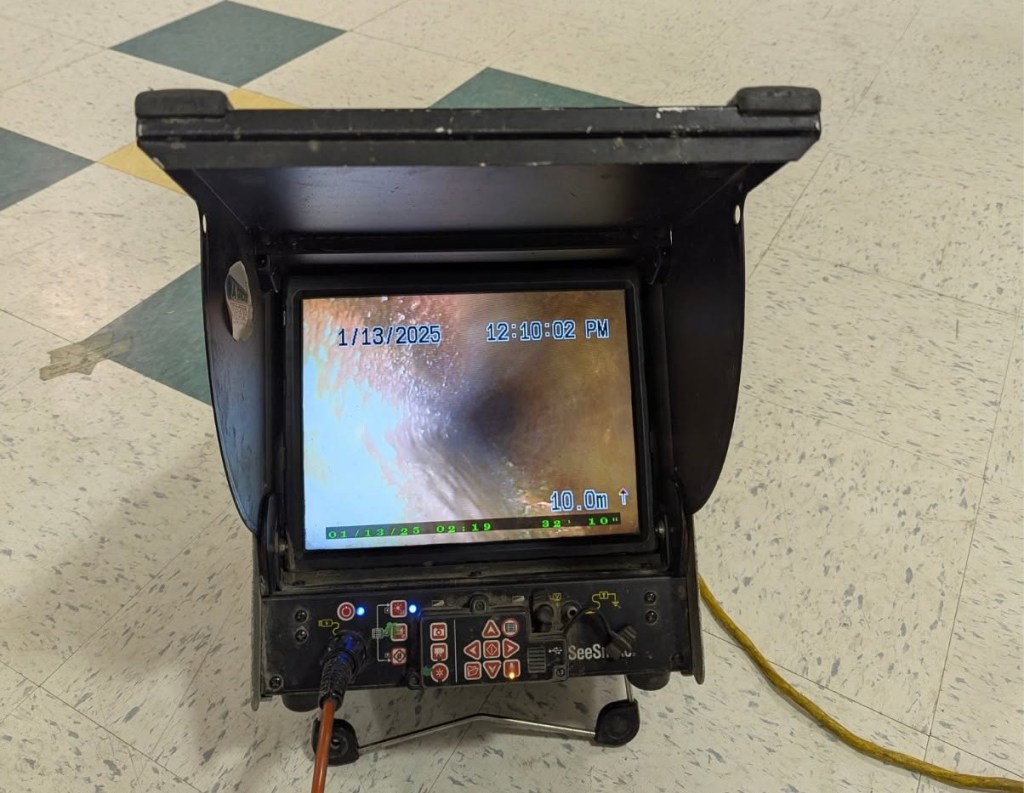
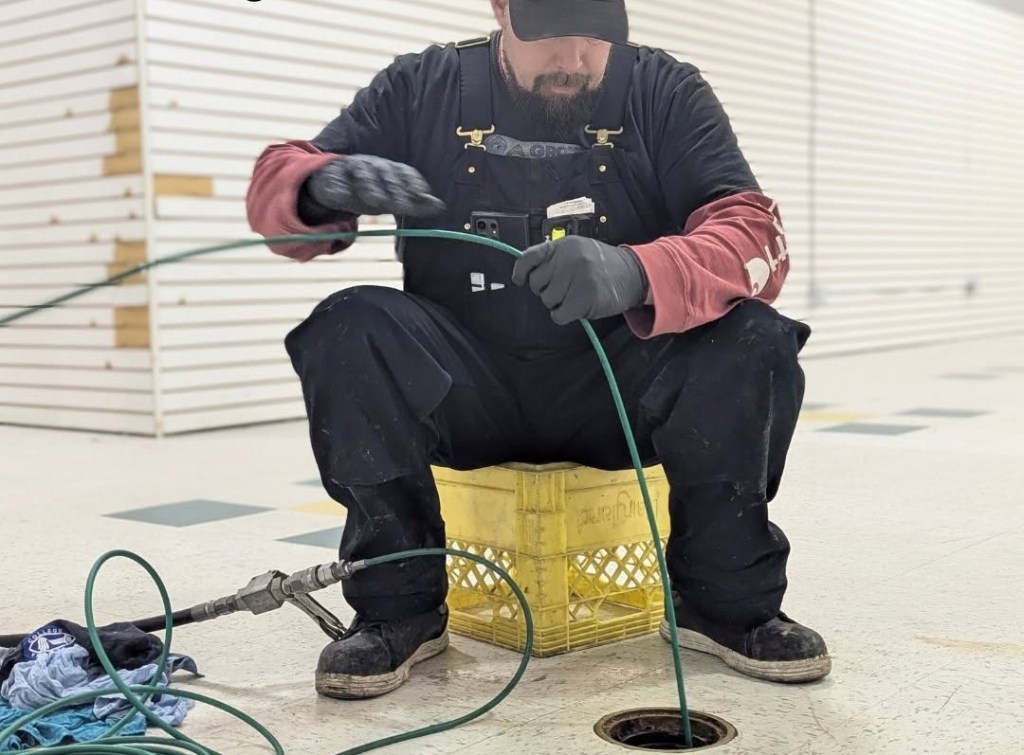
Whether trouble shooting or doing maintenance on septic tanks, Groess puts video a camera down from inside the house through to the septic tank to make sure the line is in good working order. Lines can be damaged by tree roots, have sags in them or be clogged.
He opens the tank and looks from there to the distribution tank. If there is build up fats and grease, he flushes them out.
Septic tanks should be cleaned out every three to five years so that fats and gasses don’t build up.
“Built up (hydrogen sulfide) gas will eat away at the cement, you want to stay on top of it,” he said.
There are pockets of homes in Kamloops that have problematic pipes called Orangeburg pipes in their sewer lines. The pipes were installed decades ago and are made of a mixture of bitumen and wood fibre. The bitumen wears away over time and water impregnates the wood fibres, causing the pipe to swell and create blockages. Groess can identify the problem pipes using his camera.
He said more realtors are contacting him to inspect sewer pipes for clients buying homes.
“It doesn’t matter if it’s a 100-year-old or new build, I suggest people get a video inspection because if it’s been put in wrong it’ll show signs and you’ll be dealing with a backup,” he said.
Taking advantage of his last name as a clever marketing tool as Groess’s company is called A Groess Underground. The company tagline is: It’s a dirty job but someone has to do it, let it by Groess.
“The marketing writes itself, the name just rolls,” he said. “Because it’s gross, it’s nasty down there. You have to have a bit of humour.”
Along with taking care of pipes and septics, Groess is known in the Brocklehurst area and beyond for the annual litter cleanups he organizes every spring to keep neighbourhoods clean and bring community members together.
Groess keeps the public up-to-date with backup prevention and maintenance tips here.
News from © iNFOnews.ca, . All rights reserved.
This material may not be published, broadcast, rewritten or redistributed.

This site is protected by reCAPTCHA and the Google Privacy Policy and Terms of Service apply.
Want to share your thoughts, add context, or connect with others in your community?
You must be logged in to post a comment.