Elevate your local knowledge
Sign up for the iNFOnews newsletter today!
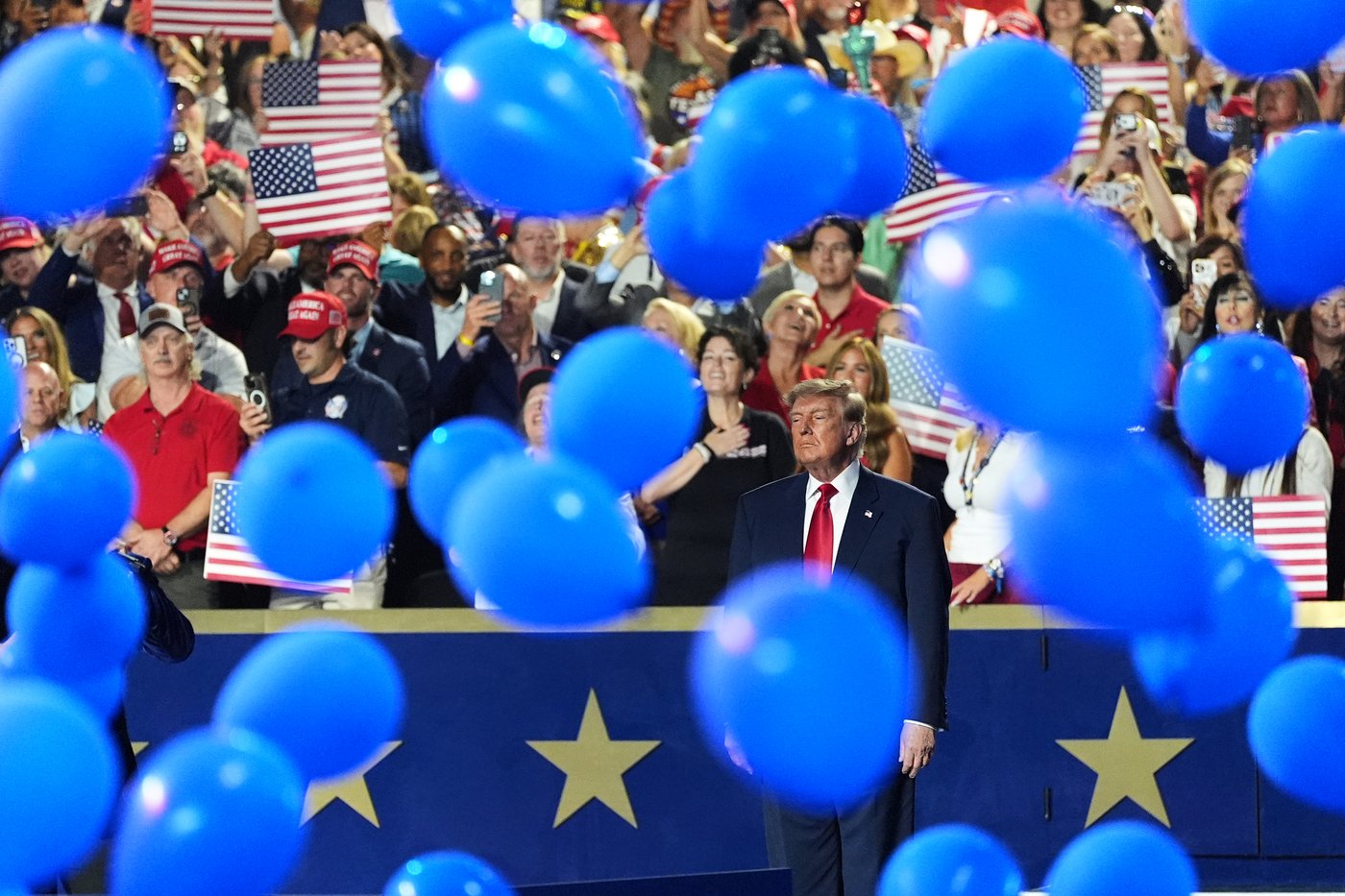
WASHINGTON (AP) — Republicans are growing increasingly grim about their chances in November, with aligned groups pumping money into reliably GOP states and candidates scrambling to distance themselves from unpopular White House policies.
From Texas to Ohio and Alaska to Iowa, campaigns are grappling with a fed-up electorate that is sour on the president and angry over soaring fuel prices driven by an unpopular war. While Republicans are flush with unprecedented cash that could move the needle in some races, overall the mood is glum heading into the election’s final stretch as campaigns try to counter palpable Democratic enthusiasm to maintain their narrow lead in the House and Senate this November.
“Everybody is tired. You see the poll numbers. Everybody is cranky about gas prices,” said Jeanette Hoffman, a Republican strategist from New Jersey. “The party in power is playing defense. This is a referendum on the incumbents.”
Trump is trying to protect Republicans with cash
After mounting pressure from endangered candidates in battleground states, groups affiliated with President Donald Trump finally began unleashing their stockpile of campaign cash earlier this month, joining with Republican committees that have amassed a record fortune that dramatically eclipses their Democratic counterparts.
“Republicans have air superiority. House Democrats are scrambling to catch up with the very limited resources they have,” said Mike Marinella, a spokesperson for the National Republican Congressional Committee.
But the spending underscores the extent to which Republicans are playing defense.
Three Trump-aligned groups — MAGA Inc., No Going Back PAC and Safety and Affordability PAC — have spent more than $163 million on advertising and air time since Sept. 1. Nearly 40% of that money — more than $63 million — has been spent in states and districts where Trump won by 10 percentage points or more in the 2024 election, according to an Associated Press analysis of data from AdImpact, which tracks media spending and ad buys.
That includes 12 House districts and three states with major Senate races.
In Texas, Republicans have spent nearly $107 million on ads and reservations since the beginning of the month trying to bolster scandal-plagued attorney general Ken Paxton in his Texas Senate race against Democratic state Rep. James Talarico. The spending, which is for ads through Election Day, is nearly four times as much as Democrats in a state Trump won by nearly 14 points.
Further north in Ohio, Republican spending to defend Sen. Jon Husted has exceeded $152 million, compared with $90 million on behalf of Democratic nominee Sherrod Brown, according to AdImpact.
Terry Casey, an Ohio Republican strategist, said both Republicans and Democrats are “kind of sitting on pins and needles because of the national and economic circumstances.” The outcome, he said, would depend on whether Democrats can turn out voters.
Democrats are competing in Republican stronholds
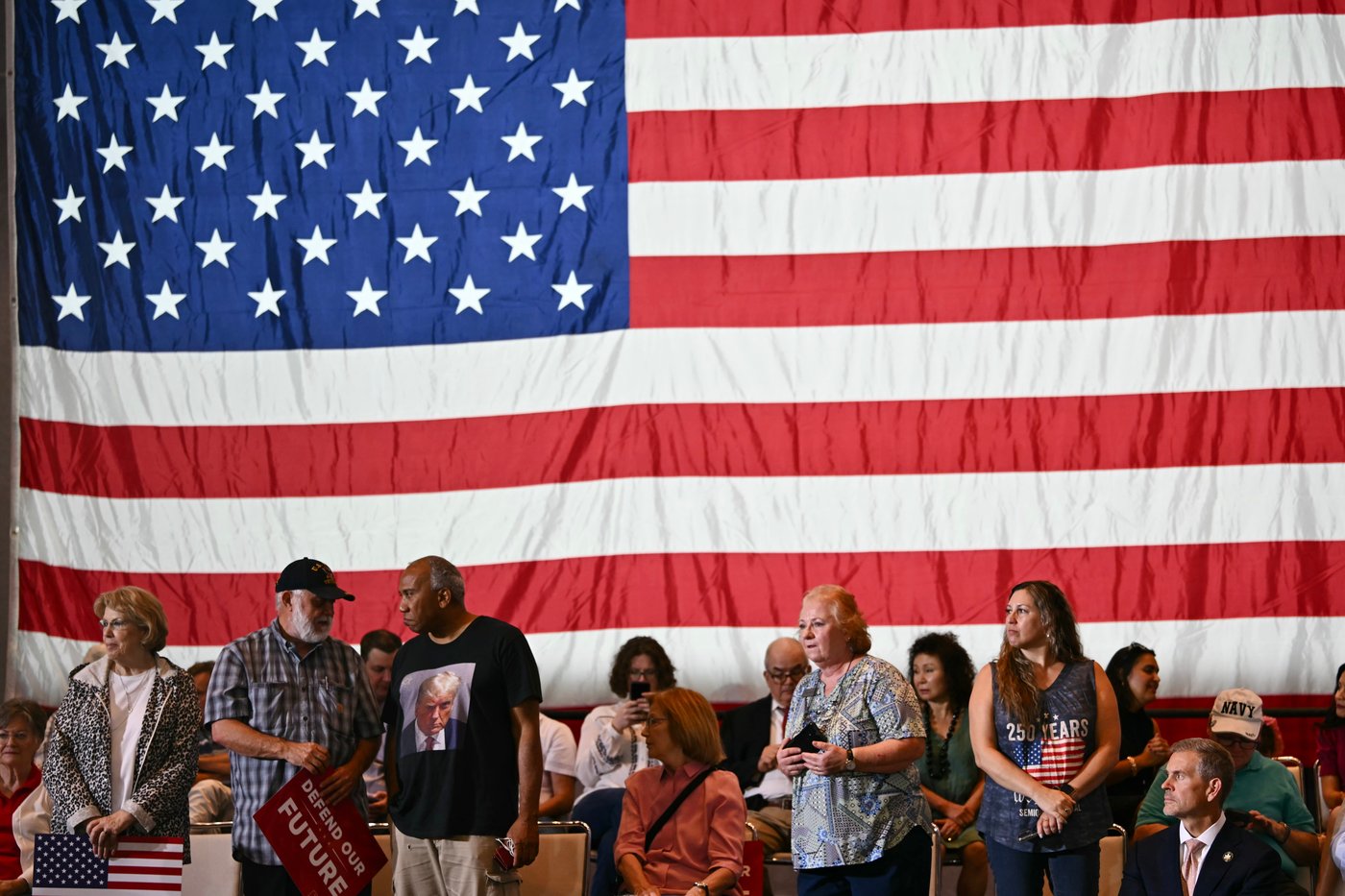
States that Trump won by wide margins — like Texas, Iowa, Ohio and Alaska — have become some of the most competitive battlegrounds in the midterms.
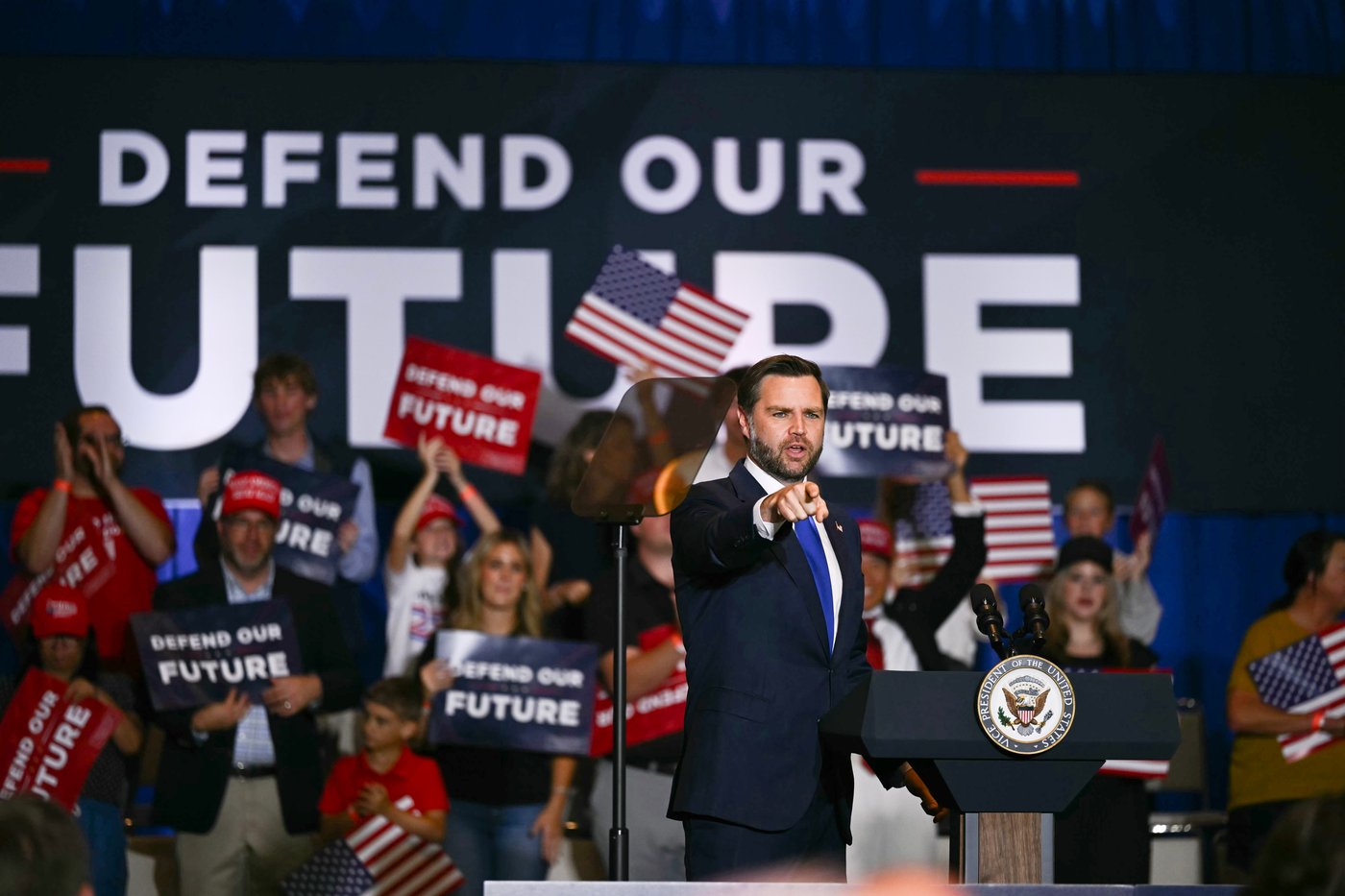
The White House is even investing time in states that haven’t been considered competitive for years. Vice President JD Vance recently traveled to Kansas to campaign for Sen. Roger Marshall, who is facing a challenge from Democratic nominee Adam Hamilton.
The founder of the nation’s largest United Methodist church, Hamilton received a rousing welcome from scores of people who crammed into a Topeka coffee shop to see him Tuesday.
“In all my 50, 60 years in politics, I’ve never seen a candidate that quite has the momentum going,” said Jim Ploger, an 82-year-old longtime Democratic activist from Topeka who believes Hamilton gives the party “the best chance we’ve ever had” to win a Senate seat.
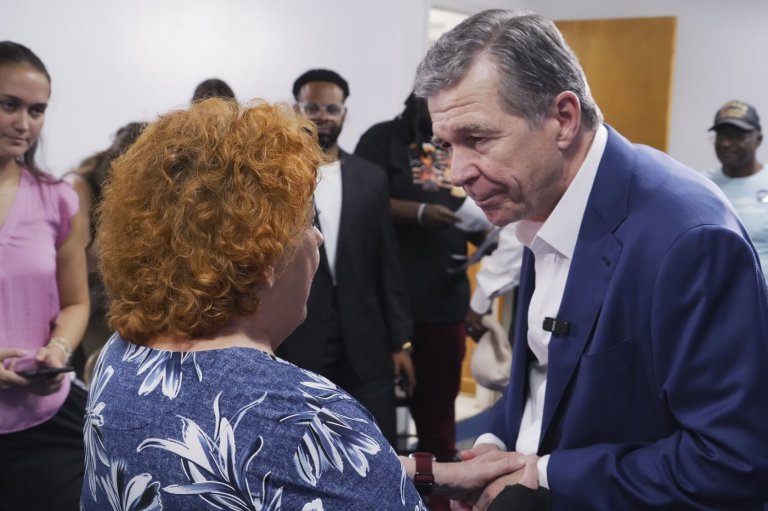
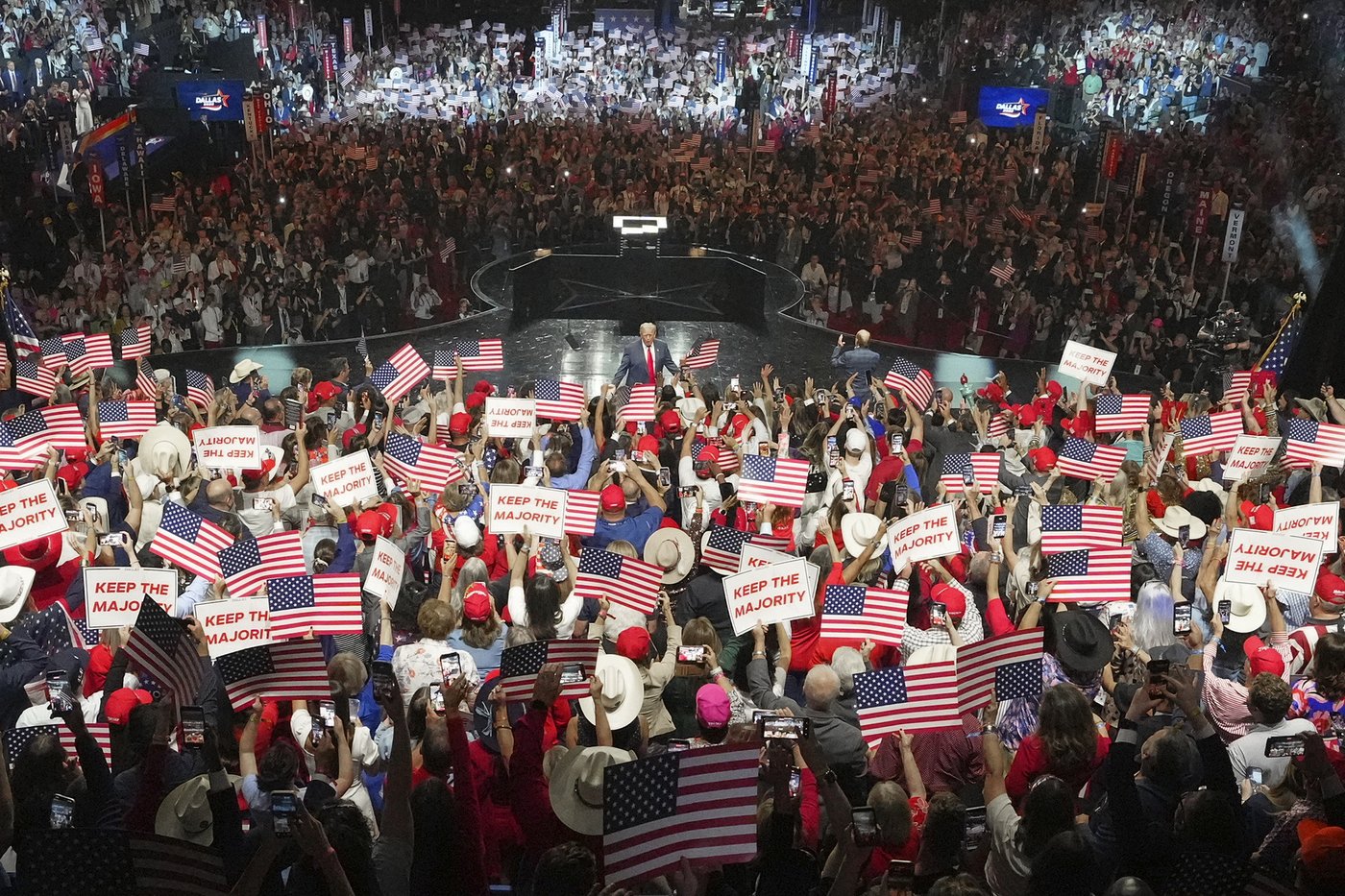
Vance has also been to Iowa, Ohio, Maine and North Carolina to bolster Republican candidates, while Trump is also hitting the road. The week after the party’s unusual midterm convention in Dallas, he traveled to North Carolina to hold a rally with Michael Whatley, his former national party chairman. Republicans are increasingly concerned that he could fall short in his Senate race against Democratic former Gov. Roy Cooper.
There are more concerns about Georgia, where Rep. Mike Collins is trying to unseat Democratic Sen. Jon Ossoff. Although Ossoff began the cycle as Republicans’ top target, Collins has endured weeks of negative headlines about a House ethics investigation and his son-in-law’s white nationalist views.
“I don’t think anyone’s expecting Collins to win,” said Tim Waters, chairman of the Peach County Republican Party. “Do I like that? No, I don’t like that. But it’s just the facts.”
In Texas, officials are hoping a huge influx of last-minute cash will help save Paxton. Sen. John Cornyn, who lost his primary to Paxton after Trump turned on him earlier this year, isn’t so confident.
“I think it’s going to be very rough, lots of headwinds,” he said. “Even in places like Texas, which are pretty red, we’ve got flawed candidates who I think are going to have a hard time.”
Republican National Committee spokesperson Natalie Baldassarre said the party is focused on turnout and is well aware of the historic trend in which the party in control typically loses seats in the midterm.
“We have money to spend and we’re not taking anything for granted this cycle,” she said. “This is very high stakes, and it’s unfortunate that other people feel glum and down. But we’re doing everything we can to protect and expand our majorities so we’re full steam ahead.”
Party officials are more bullish on races in Maine and New Hampshire, where Democrat Kamala Harris won in 2024, and remain optimistic about Michigan, where Trump won by less than two points and where former Rep. Mike Rogers faces progressive Democrat Abdul El-Sayed.
Some Republicans call for an end to the war
Some Republicans are taking steps to distance themselves from Trump even as he urges his supporters to vote like he is on the ballot.
Rep. Tom Tiffany and Rep. John James, the party’s nominees for governor in Wisconsin and Michigan, both joined calls for an end to the war in Iran.
“War is terrible, and no one likes war,” James told reporters.
Mike Rogers, the Republican Senate nominee in Michigan, released an ad in which he also called for ending the war. Standing in a grocery store, he bemoaned high prices and said the government should suspend gas taxes and stop diesel exports.
“The war with Iran needs to end and end quickly,” Rogers said. ”Michigan families can’t afford to wait.”
In Iowa, where Republicans are trying to hold onto the Senate seat being vacated by retiring Sen. Joni Ernst, Rep. Ashley Hinson, who is locked in a tight race against Democrat Josh Turek, voiced the same frustrations.
“Iowans are being squeezed and shouldn’t have to foot the bill at the pump or the checkout line for the war in Iran” she wrote on social media. “These actions to lower costs are needed ASAP, and the war needs to be brought to a successful and immediate end.”
Hinson, however, did not join two fellow Iowa Republicans in battleground districts — U.S. Reps. Zach Nunn and Mariannette Miller-Meeks — in voting with Democrats on a resolution intended to halt Trump’s ability to continue military action without lawmakers’ approval.
Perhaps the most dramatic break with Trump came from Rep. Maria Elvira Salazar, a Republican defending her seat in a competitive, majority Hispanic South Florida district. Last week, she released an ad filmed in front of the White House as she criticized the president for going “too far” on immigration policy.
Others have continued to scrub references to Trump from their websites. The latest was Republican Byron Donalds, who is running for governor in Florida, who recently revamped his site so that it no longer includes a number of prominent references to Trump and his endorsement, the Miami Herald first reported.
‘It’s a very competitive environment out there’
White House spokesperson Davis Ingle said Trump “is the unequivocal leader, best messenger, and unmatched motivator for the Republican Party” and that “the choice has never been more clear: doubling down on President Trump’s winning, commonsense agenda or the Democrats’ extreme liberal policies and obstruction.”
Some Republicans are acknowledging that voters aren’t satisfied.
“We shouldn’t say, ‘Hey everything’s perfect,’ because it’s not,” said Sen. Bernie Moreno of Ohio. “But look what we’ve done in 18 months, and we need two more years to finish the job.”
Sen. John Kennedy of Louisiana, who has traveled across the country campaigning for his colleagues, said Democrats appeared to have enthusiasm on their side in the midterms, and he said his party needed to level with the country.
“You can’t look the American people in the eye and say, ‘Don’t believe your lying checkbooks,’” he said. “The cost of living increase is real.”
He also said that voters are “confused about the war” and “they don’t understand how we’re going to get out.”
Senate Majority Leader John Thune, R-S.D., was measured in his assessment on Tuesday.
“Well, I’m hopeful, obviously, but also realistic,” he said. “It’s a very competitive environment out there.”
___
Colvin reported from New York. Associated Press writers Mike Catalini in Morrisville, Pa., Bill Barrow in Atlanta, Thomas Beaumont in Des Moines, Iowa, John Hanna in Topeka, Kan., and Lisa Mascaro, Mary Clare Jalonick, Steven Sloan and Joey Cappelletti in Washington contributed to this report.
News from © The Associated Press, . All rights reserved.
This material may not be published, broadcast, rewritten or redistributed.

This site is protected by reCAPTCHA and the Google Privacy Policy and Terms of Service apply.
Want to share your thoughts, add context, or connect with others in your community?
You must be logged in to post a comment.