Elevate your local knowledge
Sign up for the iNFOnews newsletter today!
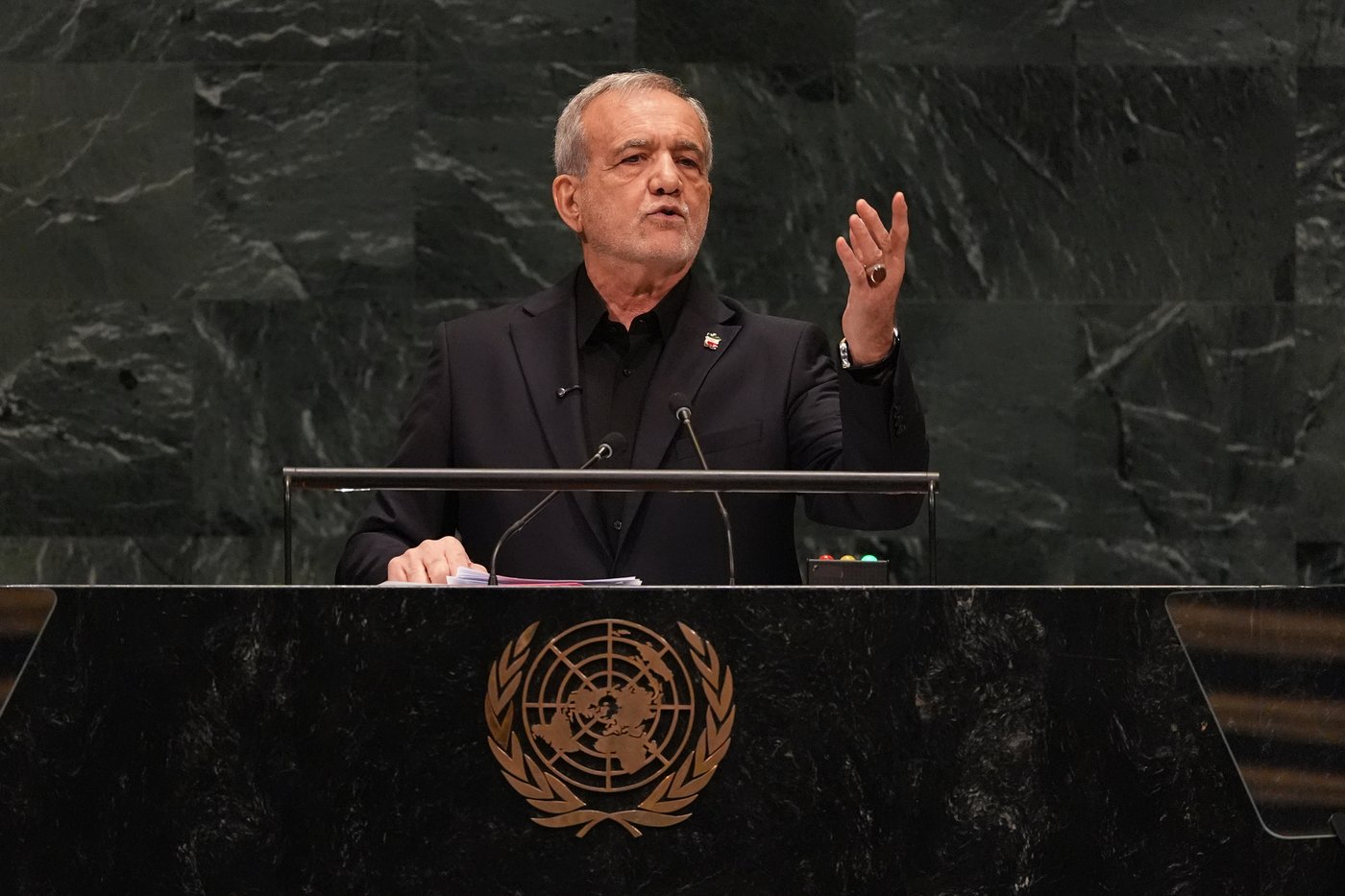
Iranian President Masoud Pezeshkian delivered a defiant speech at the United Nations on Wednesday as his government downplayed talks with the United States.
Meanwhile, another ship attempting to transit the Strait of Hormuz was struck by a projectile, highlighting the dangers that continue to restrict traffic through the critical waterway as the seven-month war grinds on.
Here is the latest news from the Middle East on Wednesday. More coverage of the U.N. General Assembly is available here.
Iran’s president calls US attacks ‘cowardly’
Iran’s president said his country’s people had been the “victims of terrorism” by the United States.
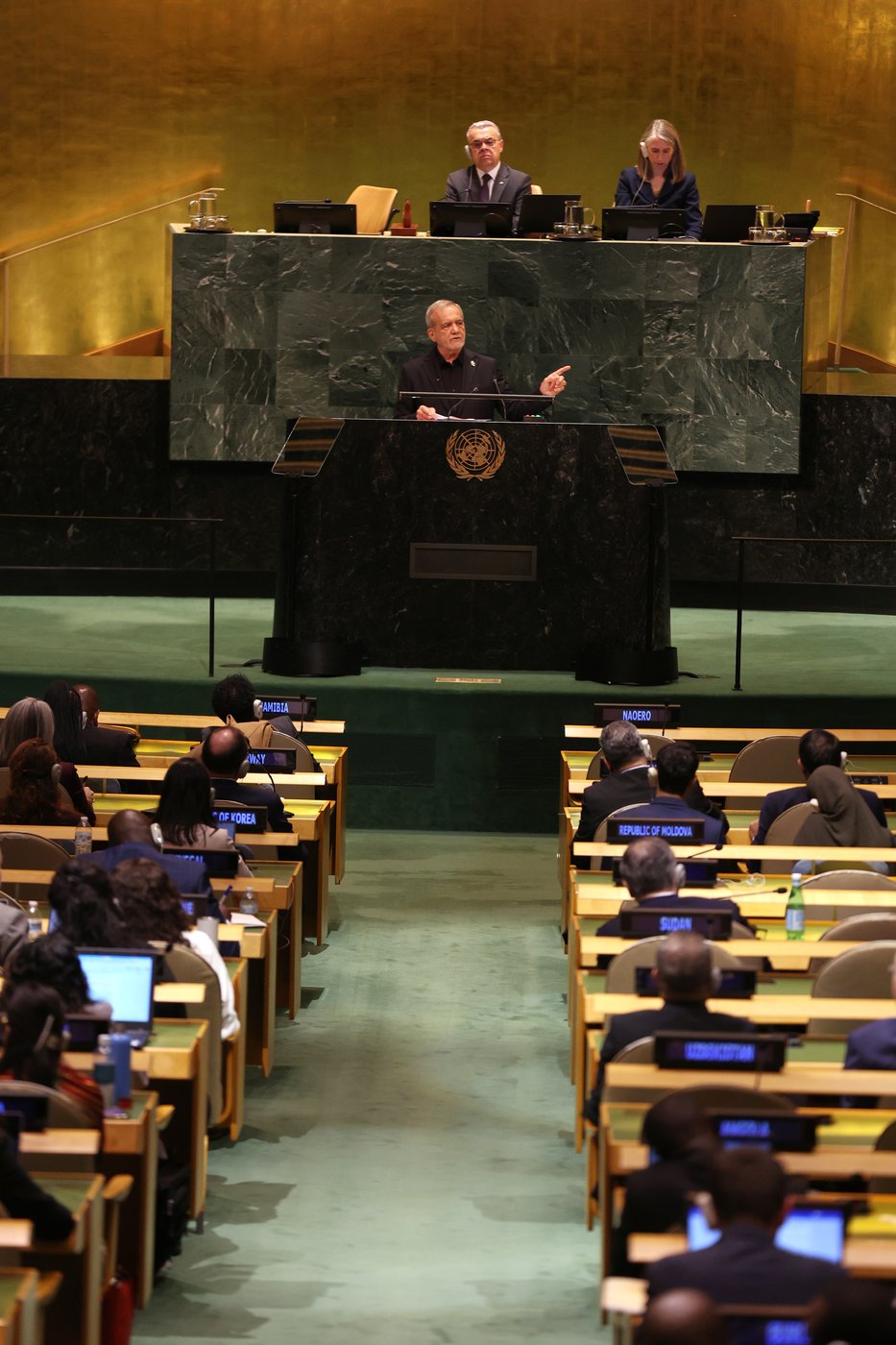
Delivering a rare wartime speech at the U.N. General Assembly, Pezeshkian displayed images of the late Supreme Leader Ali Khamenei and more than 150 schoolchildren killed in the opening days of the conflict.
“We have only defended ourselves. We are not terrorists,” he said. “Our innocent people have been the targets of cowardly attacks and aggressions imposed upon our country.”
Turning to the United States, Pezeshkian added: “Yes, they did hit us, but we did not bend the knee.”
Rubio says Trump still open to a deal to make Iran ‘prosperous’
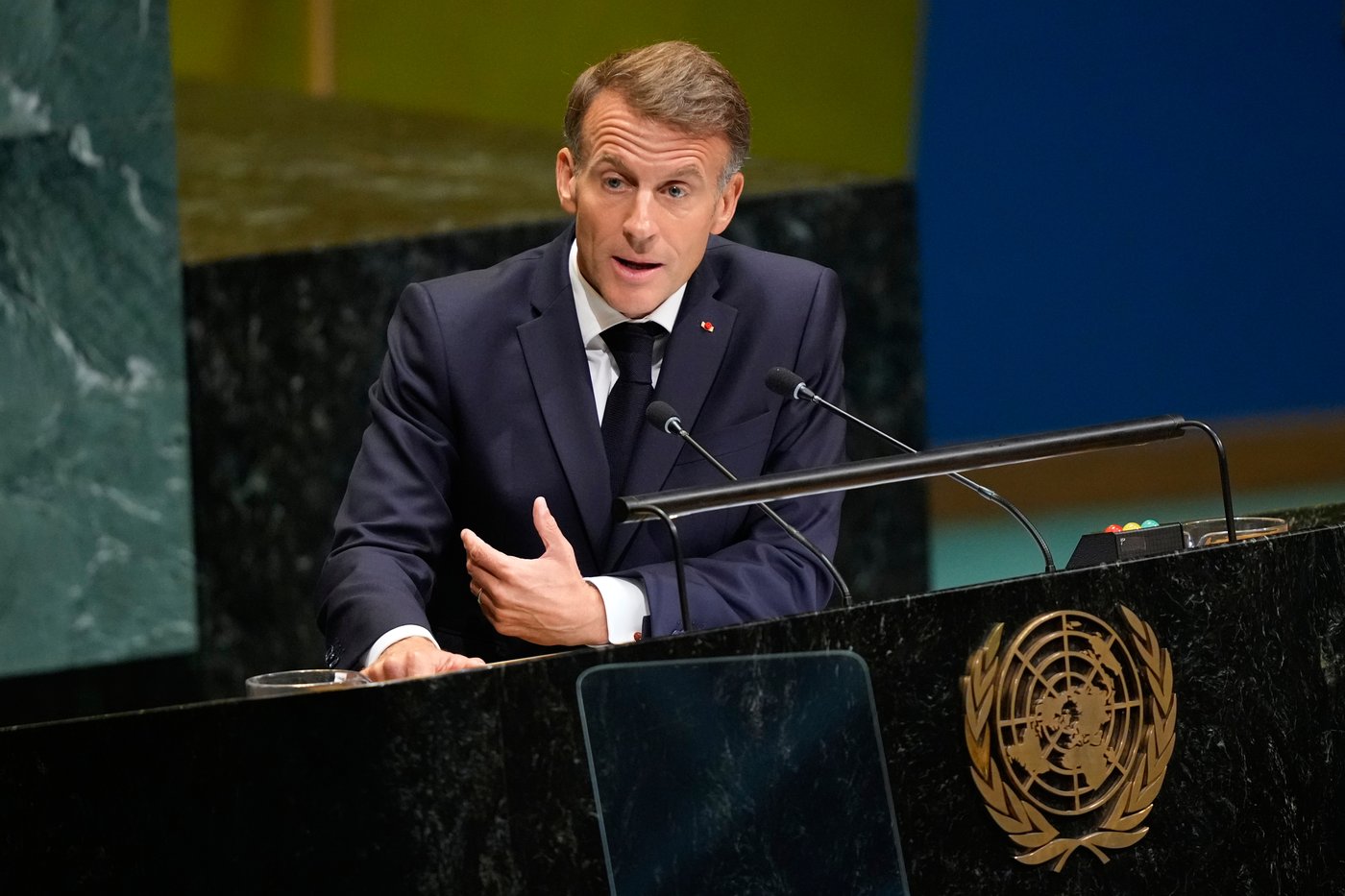
Pezeshkian addressed world leaders a day after U.S. President Donald Trump used the same stage to suggest that he might “annihilate” the Islamic Republic if an agreement was not reached soon to end the nearly seven-month war.
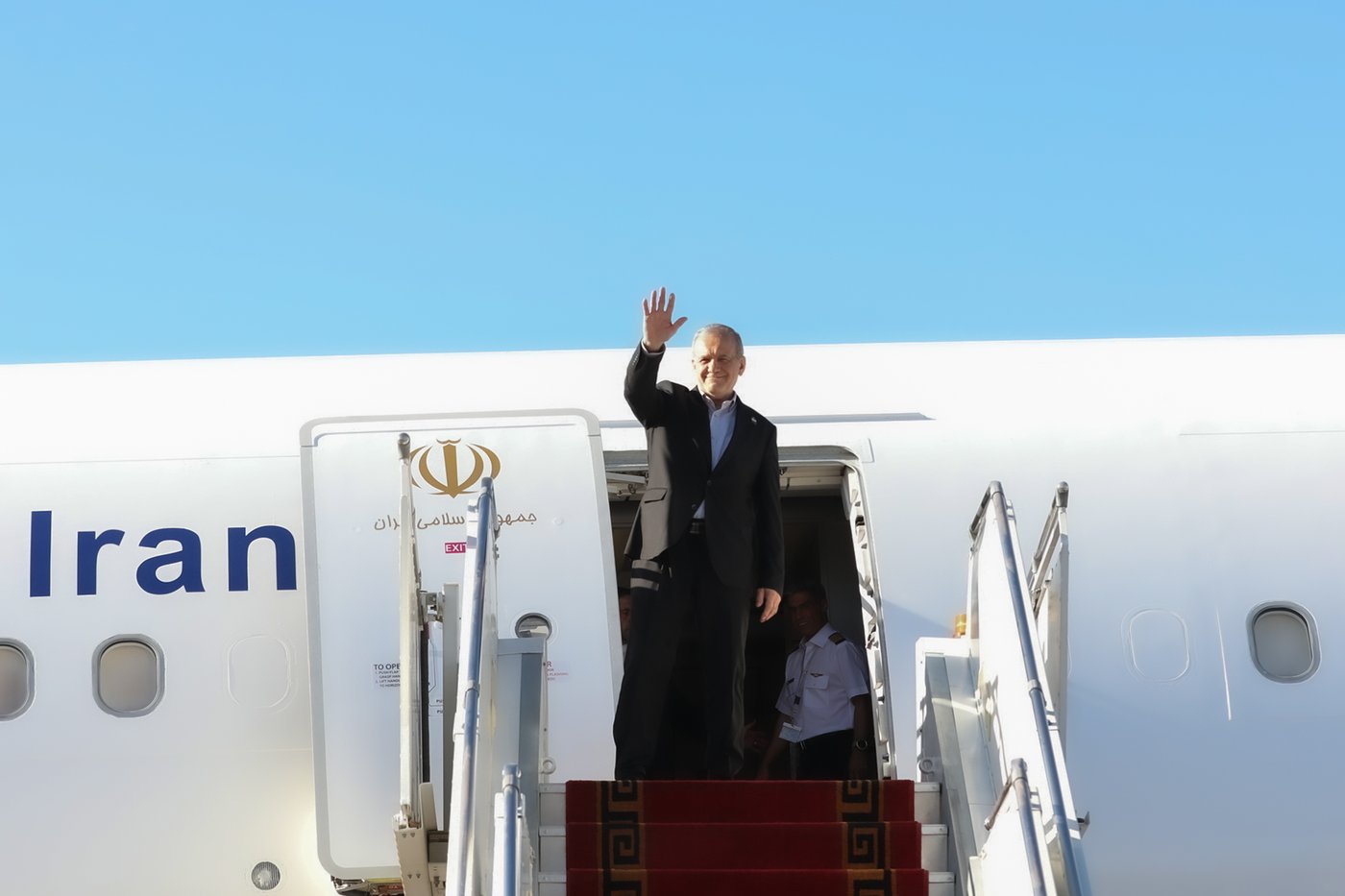
Hours later, Trump touted “a very good meeting” between his chief envoys, Steve Witkoff and Jared Kushner, and Iranian officials. Tehran, however, downplayed the talks. Iranian Foreign Ministry spokesperson Esmail Baghaei said they were “not anything new.”
On Wednesday, U.S. Secretary of State Marco Rubio told reporters that Trump remained open to an agreement “that allows Iran to be what it should be, which is a great and prosperous country.”
Rubio said the prospects for such a deal were hindered by Iran’s nuclear ambitions and “their support of terrorism.” If those policies continued, he said, Trump could exercise “a number of options,” including further military action.
Hard-liners in Iran criticize talks with US
Hard-line figures in Iran attacked Iran’s top diplomat for engaging with the U.S. at the U.N., triggering pushback from rival factions in Tehran.
In an X post, lawmaker Ebrahim Rezaei demanded that Iranian Foreign Minister Abbas Araghchi explain the decision to meet with “the aggressor enemy.”
Ali Ahmadnia, a media official for Iran’s president, responded by posting an AI-generated image depicting Araghchi as a wounded warrior.
“How can a soldier be on the battlefield while the home front is being weakened from within?!”, Ahmadnia wrote on X. “The Iranian delegation in New York operates in full coordination with the relevant institutions.”
Another ship hit in the Strait of Hormuz
A cargo ship was struck in the Strait of Hormuz on Wednesday, the United Kingdom Maritime Trade Operations said, citing an unidentified company security officer.
The vessel was hit by an “unknown projectile,” resulting in two casualties, UKMTO said without providing further details. The crew abandoned the ship, which caught fire and was left adrift.
The attack was the first reported in two days. No one immediately claimed responsibility.
The incident highlighted the continuing danger to ships attempting to navigate the waterway. Some vessels appear to be making “dark passages” without transmitting identifying signals, but Iran and the United States have maintained their competing blockades. Commercial traffic remains well below prewar levels, according to ship-tracking data from analytics firm Kpler.
Restrictions on shipping through the strait have become one of the war’s most persistent consequences. Before the conflict, one-fifth of the world’s traded oil passed through the narrow waterway, along with large volumes of natural gas, fertilizer and other petroleum products.
Major Arab parties disqualified from running in Israeli elections
Israel’s election commission voted Wednesday to disqualify major Arab political parties and candidates from running in next month’s polls.
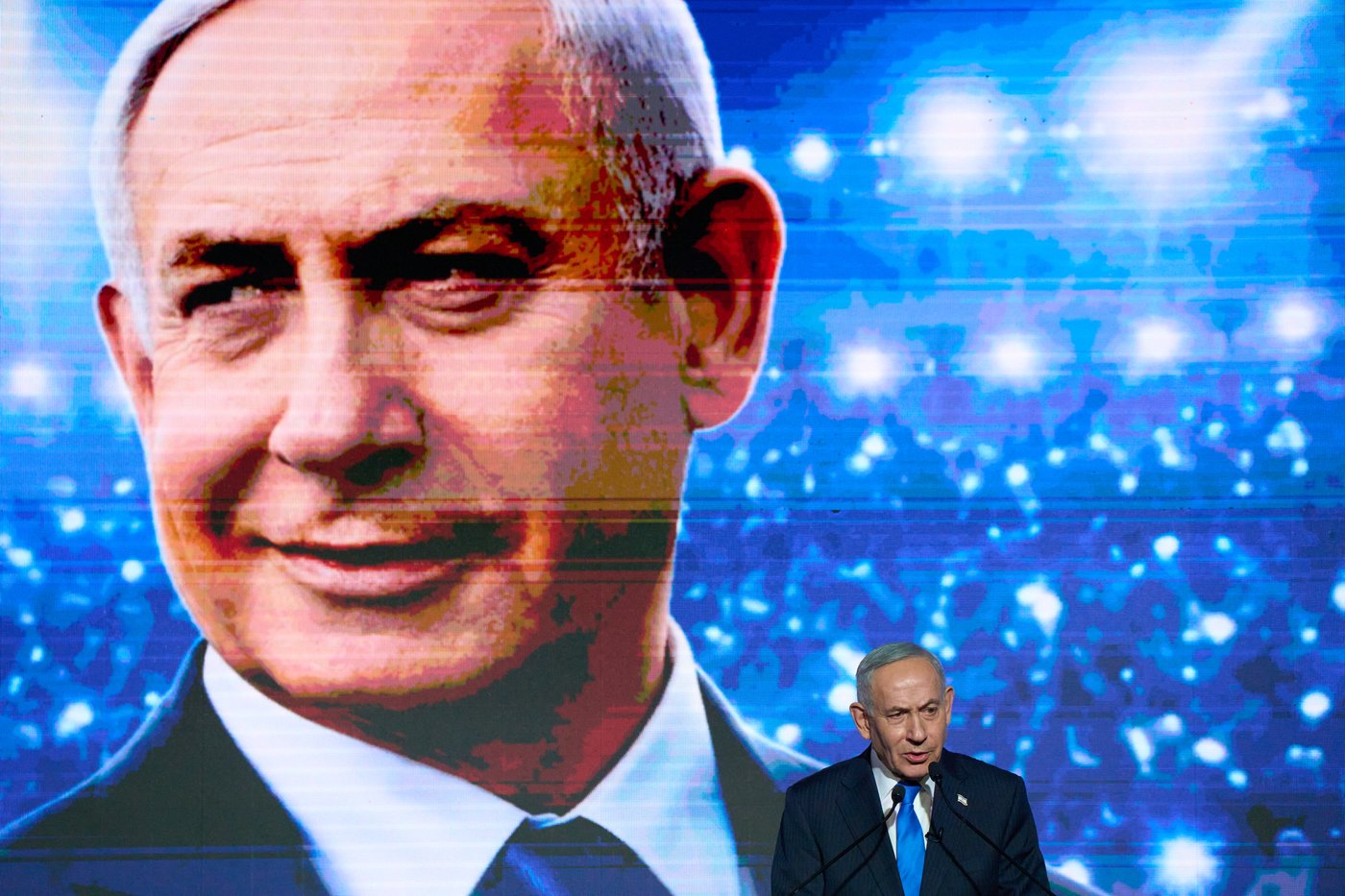
The disqualification came at the request of two right-wing parties, including the Likud party led by Prime Minister Benjamin Netanyahu. The parties had said the candidates were ineligible under a law barring those who reject Israel’s existence, incite racism or support armed struggle against Israel.
Wednesday’s vote targeted the United Arab List, a religious Arab Muslim party also known by its Hebrew name Ra’am; as well as the Joint List, an alliance of left-wing and Arab-majority parties. Ra’am leader Mansour Abbas said the decision was a “political, illegitimate, and anti-democratic move” and that the party would appeal to the Supreme Court.
Elections will be held next month, the first since the Oct. 7, 2023, attacks that plunged Israel into war.
___
This report will be updated throughout the day as new developments emerge.
News from © The Associated Press, . All rights reserved.
This material may not be published, broadcast, rewritten or redistributed.

This site is protected by reCAPTCHA and the Google Privacy Policy and Terms of Service apply.
Want to share your thoughts, add context, or connect with others in your community?
You must be logged in to post a comment.