Elevate your local knowledge
Sign up for the iNFOnews newsletter today!
NEW YORK (AP) — The John D. and Catherine T. MacArthur Foundation unveiled its 2026 class of fellows on Tuesday, an interdisciplinary list of 20 individuals ranging from artists to scientists.
The recipients will receive $800,000 over the next five years for them to spend as they please. The prize, often called a “genius” grant, is the result of a yearslong selection process that considers a wide range of recommendations. Fellows do not apply or participate in any way. Many express shock upon learning of their selection, a recognition that often yields new opportunities on top of the monetary award.
The 2026 fellows are:
Holly Jean Buck, 45, Buffalo, New York, a University at Buffalo sociologist whose research centers local communities’ role in mitigating climate change and transitioning to clean energy.
Felipe De Brigard, 47, Durham, North Carolina, a Duke University philosopher using cognitive science to investigate the relationship between memory and forgiveness, including victims of political violence in his home country of Colombia.
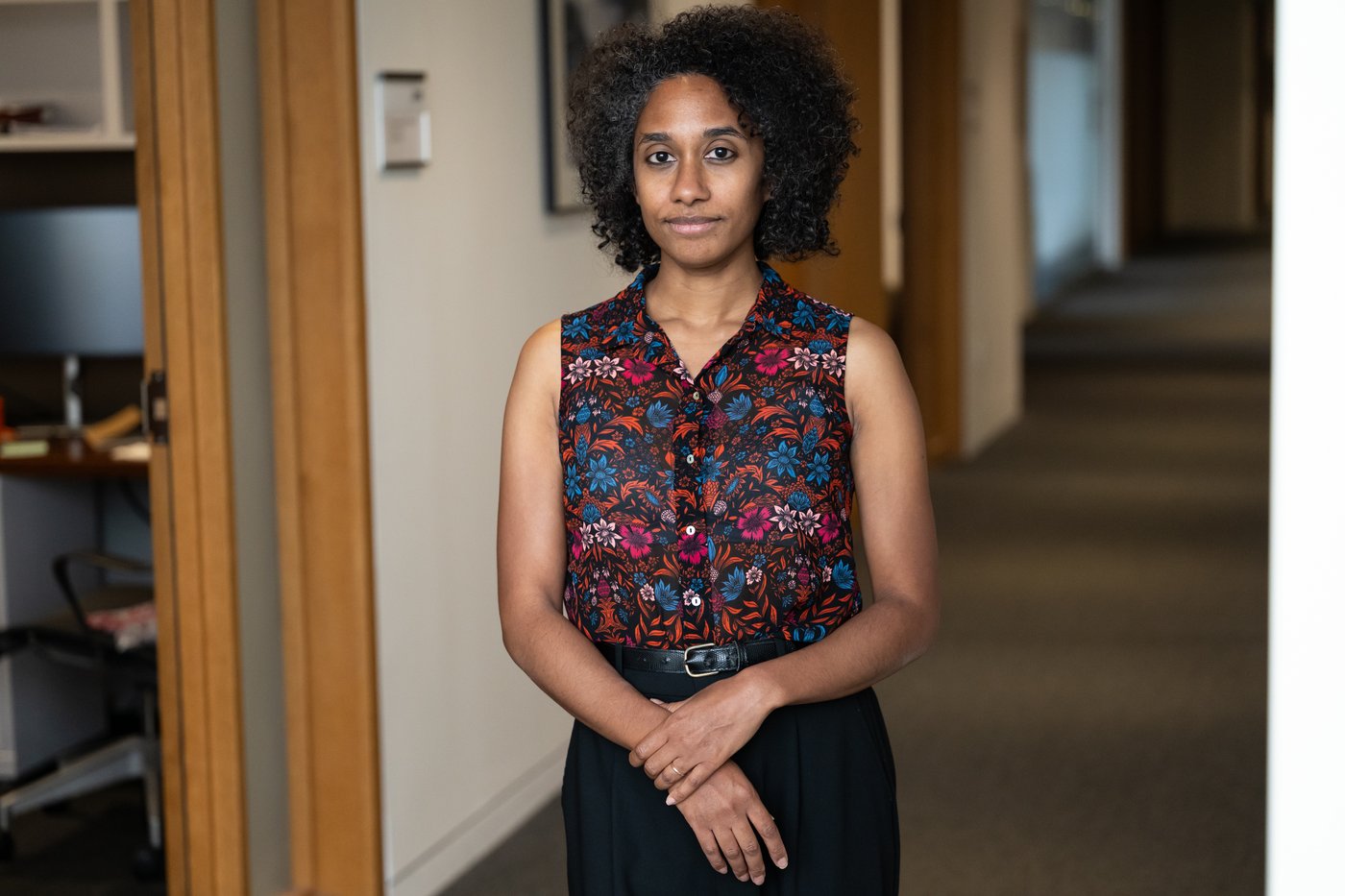
Ellora Derenoncourt, 39, Princeton, New Jersey, a Princeton University labor economist researching the origins of racial wealth disparities in the United States and policies to reduce the gap.
Elizabeth Ellis, 38, Princeton, New Jersey, a Princeton University historian correcting the colonial record to emphasize Indigenous tribes’ alternative approaches to nationhood and the strategies Native Americans used to resist European settlement.
Kaiyu Guan, 41, Urbana, Illinois, a University of Illinois Urbana-Champaign environmental scientist helping farmers predict and optimize crop yields through data and machine learning.
Trajal Harrell, Zurich, a Switzerland-based choreographer and dancer who combines dance traditions into a “fictitious archive” that breaks down the barriers between different styles.
Marika Holland, 58, Boulder, Colorado, a climate scientist helping better predict changes in ice cover and understand the effects of polar climate change on marine ecosystems.
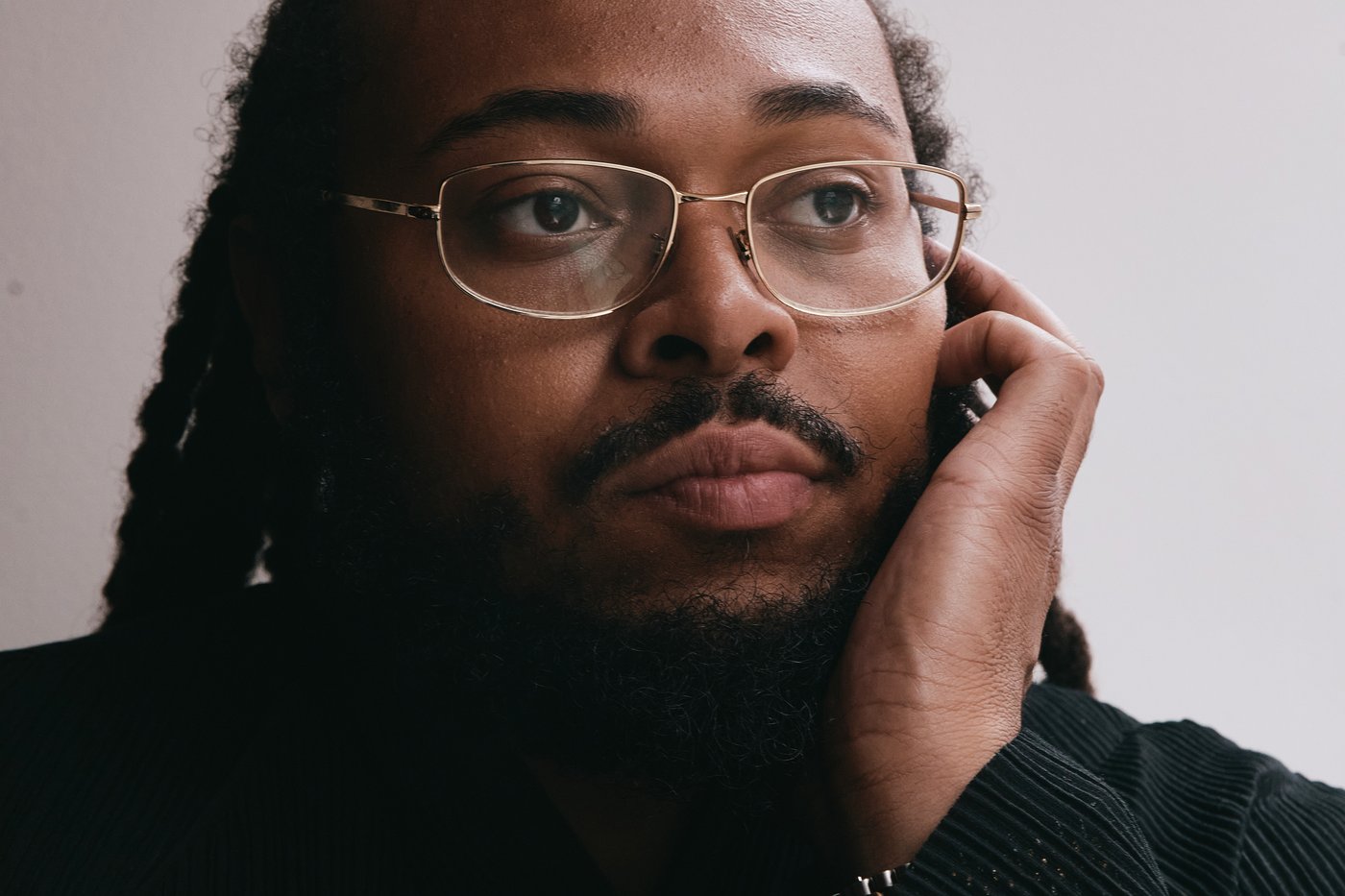
Christine Sun Kim, 46, Berlin, a Germany-based artist conveying the experiences of deaf people and exploring new ways to understand sound through drawings, large-scale murals, video and interactives.
Song Lin, 40, Stanford, California, a Stanford University organic chemist whose methods are opening pathways for safer and more sustainable synthetic organic reactions.
Layli Long Soldier, 54, Santa Fe, New Mexico, a poet manipulating historical texts to emphasize the erasure of Native Americans and accompanying her written word with visual art.
Rodney McMillian, 57, Los Angeles, an artist at the University of California, Los Angeles, working across sculpture, painting, video and performance to explore how history and socioeconomic conditions impact belonging in the American South.
Maaza Mengiste, 55, Middletown, Connecticut, a fiction writer at Wesleyan University who shows the human cost of political conflicts through historically informed novels.
Ariel Ron, 48, Dallas, a historian at Southern Methodist University exploring how Northern agriculture affected economic growth and the expansion of federal power in nineteenth-century America.
Kate Spradley, 53, San Marcos, Texas, a forensic anthropologist at Texas State University working to identify and repatriate the remains of migrants who perished along the Texas-Mexico border and addressing the complicating factors of that work through her Operation Identification initiative.
Chip Thomas, 69, Flagstaff, Arizona, a public artist transforming neglected spaces, mostly in the Navajo Nation, into public works grounded in community history.
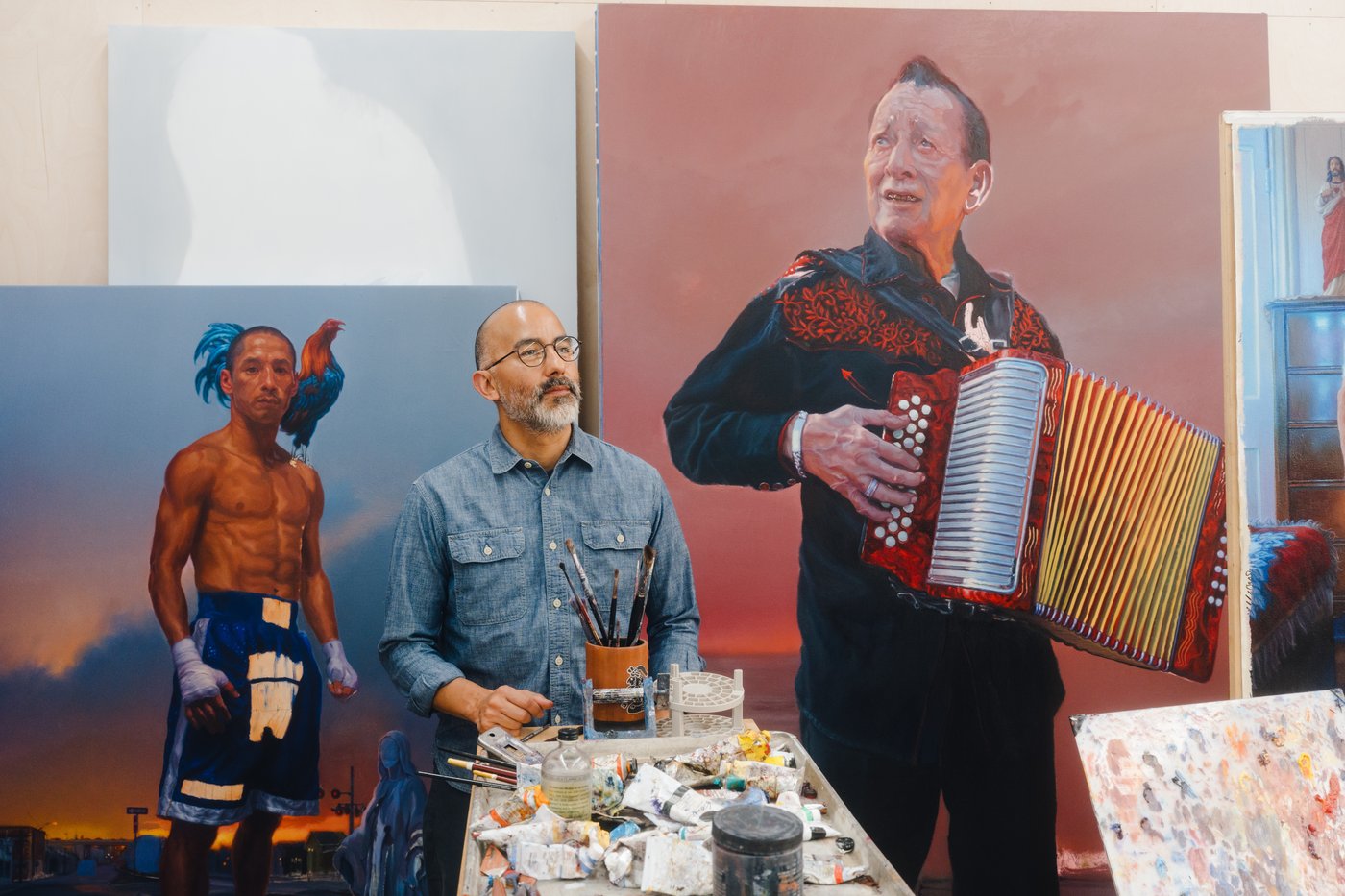
Vincent Valdez, 49, Houston and San Antonio, a visual artist depicting historical and contemporary scenes that reflect Latino experiences in the United States.
Vincenzo Vitelli, 48, Chicago, a physicist at the University of Chicago building theoretical frameworks to describe how matter and materials with unique properties will behave.
Bryan Washington, 33, Tokyo, a fiction writer capturing modern relationships in his novels including “Memorial” and “Palaver.”
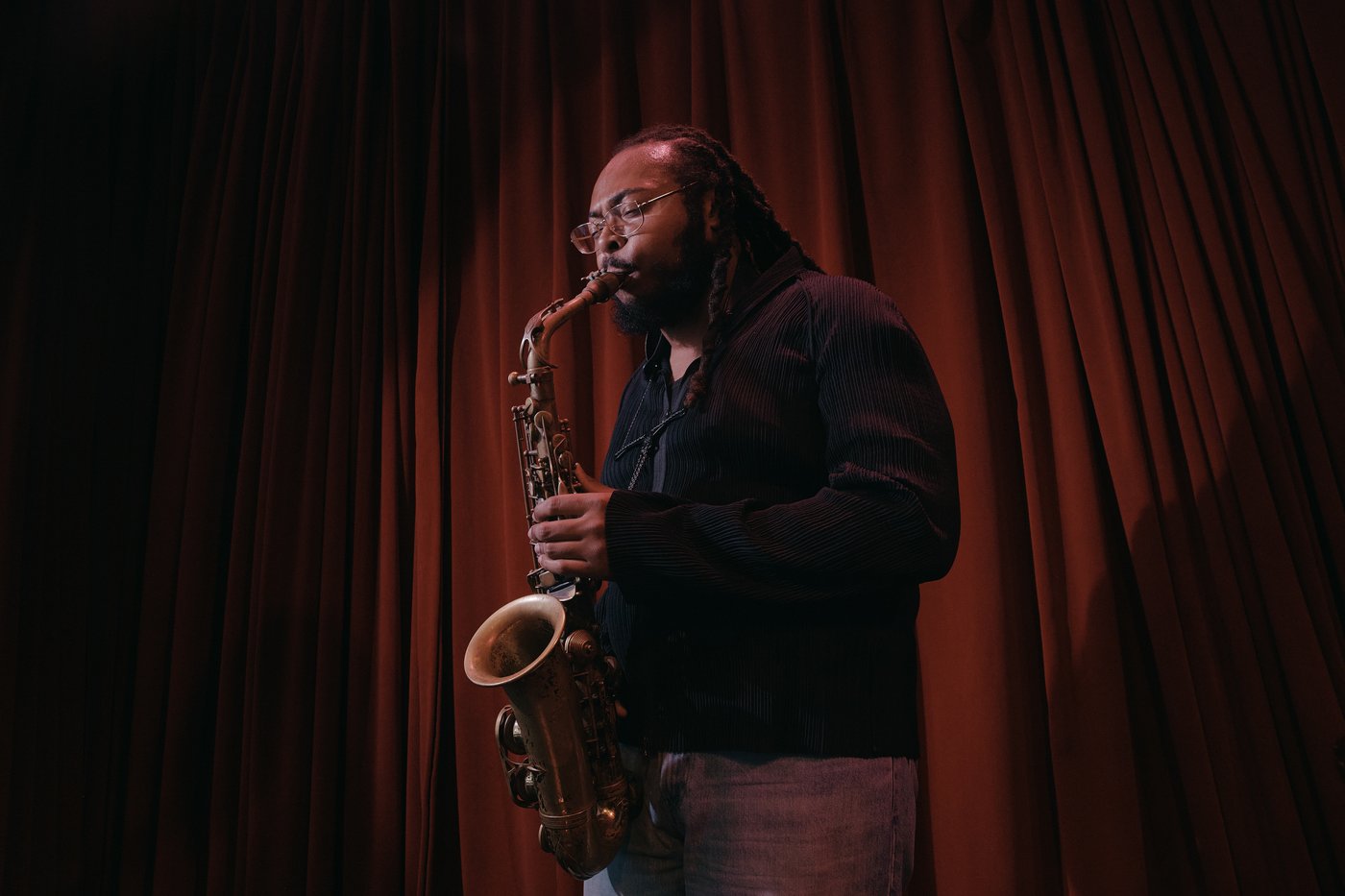
Immanuel Wilkins, 29, New York City, an alto jazz saxophone player and composer whose compositions often reflect historical narratives of injustice.
Liangfang Zhang, 46, San Diego, a chemical engineer and bioengineer at the University of California, San Diego, who is creating novel nanotechnologies for treating and preventing infectious diseases, cancers and immunological disorders.
___
Associated Press coverage of philanthropy and nonprofits receives support through the AP’s collaboration with The Conversation US, with funding from Lilly Endowment Inc. The AP is solely responsible for this content. For all of AP’s philanthropy coverage, visit https://apnews.com/hub/philanthropy.
News from © The Associated Press, . All rights reserved.
This material may not be published, broadcast, rewritten or redistributed.

This site is protected by reCAPTCHA and the Google Privacy Policy and Terms of Service apply.
Want to share your thoughts, add context, or connect with others in your community?
You must be logged in to post a comment.