Elevate your local knowledge
Sign up for the iNFOnews newsletter today!
The Thompson-Okanagan region is home to a wide diversity of bird species, from tiny songbirds to majestic birds of prey, that are masters of the incredible feat of building nests.
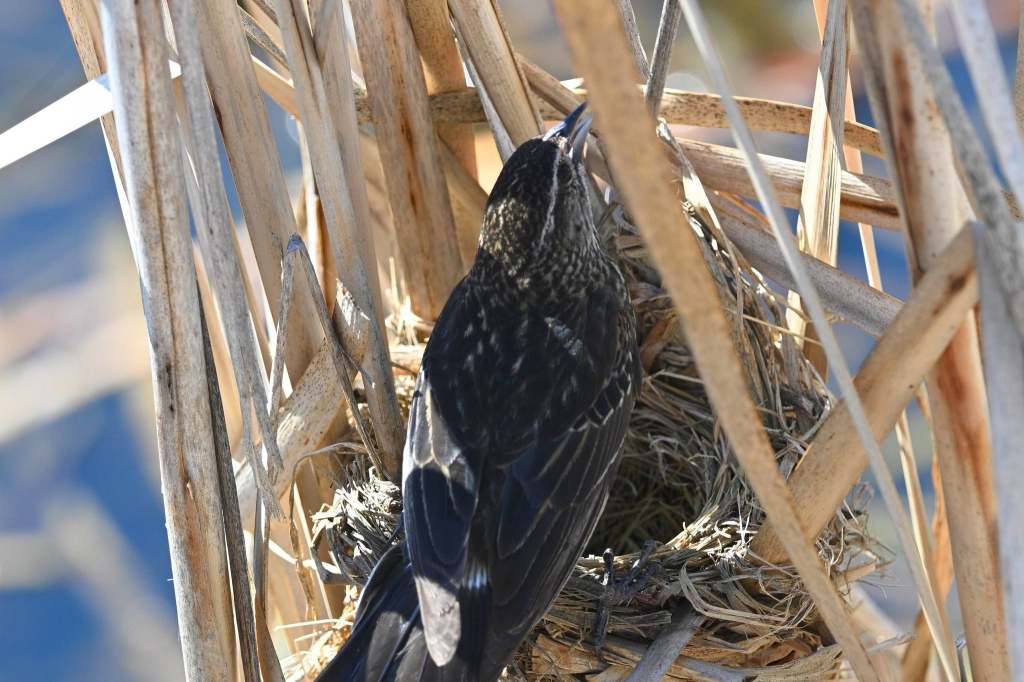
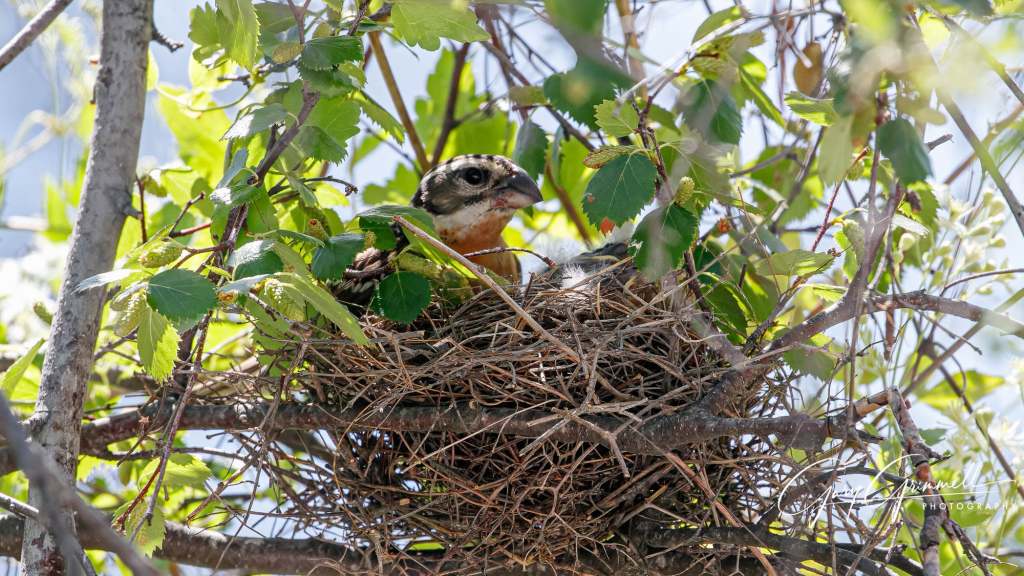
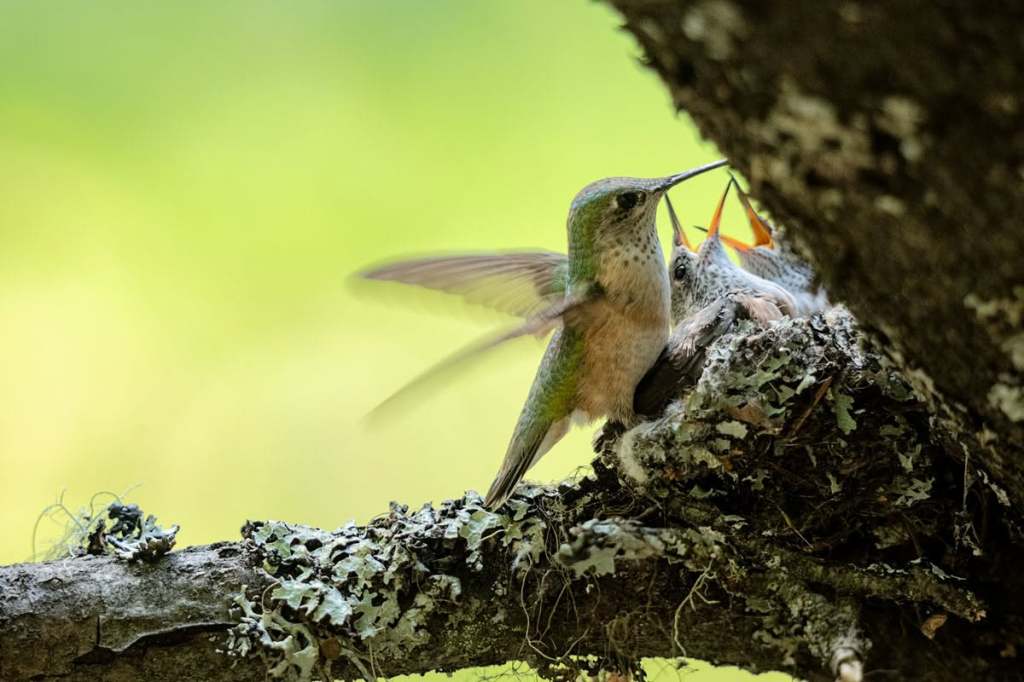
In recent months, area nature lovers snapped photos of birds’ nests, including small ones woven with grasses and massive ones made of sticks.
Each nest is a testament to instinct, skill and adaptability.
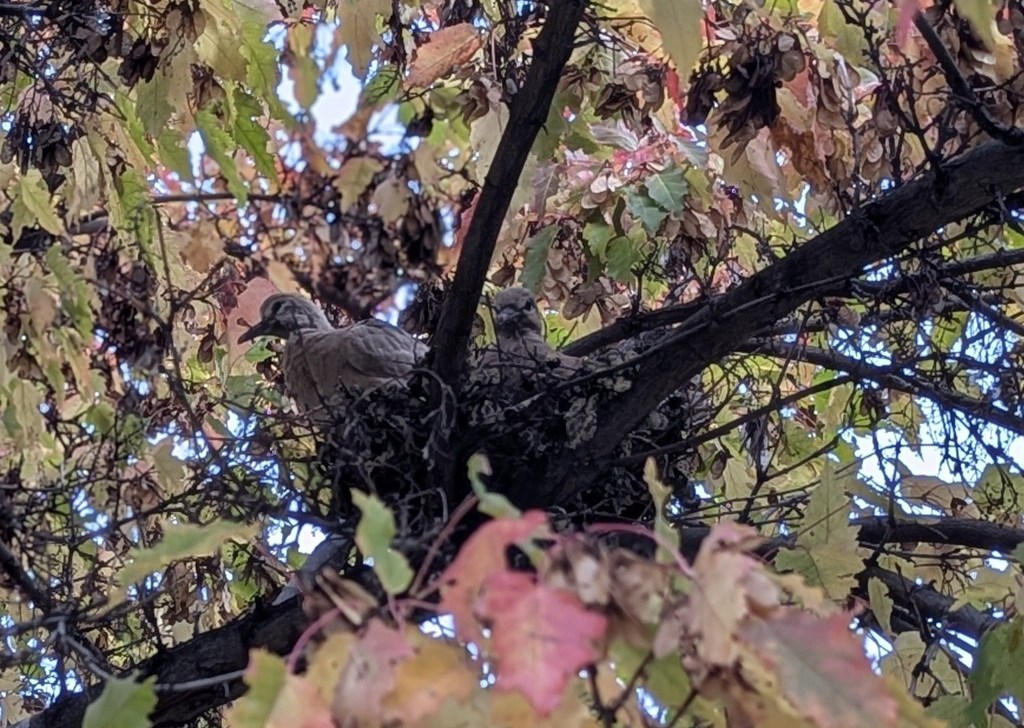
Songbirds typically build cup-shaped nests in shrubs, trees or on human structures. They gather fine materials with their beaks and feet like grasses, moss, feathers and even spider silk to build with.
Construction begins with a base where coarse materials are first anchored to a branch fork, according to scienceinsights.org. The bird pushes its body into the centre of the fork and moves in a circle pressing material down with its breast to create layers in a bowl shape.
Most songbirds use a combination of tucking, weaving and pressing materials into formation using their bodies and beaks to add layers to complete the cup shaped nests.
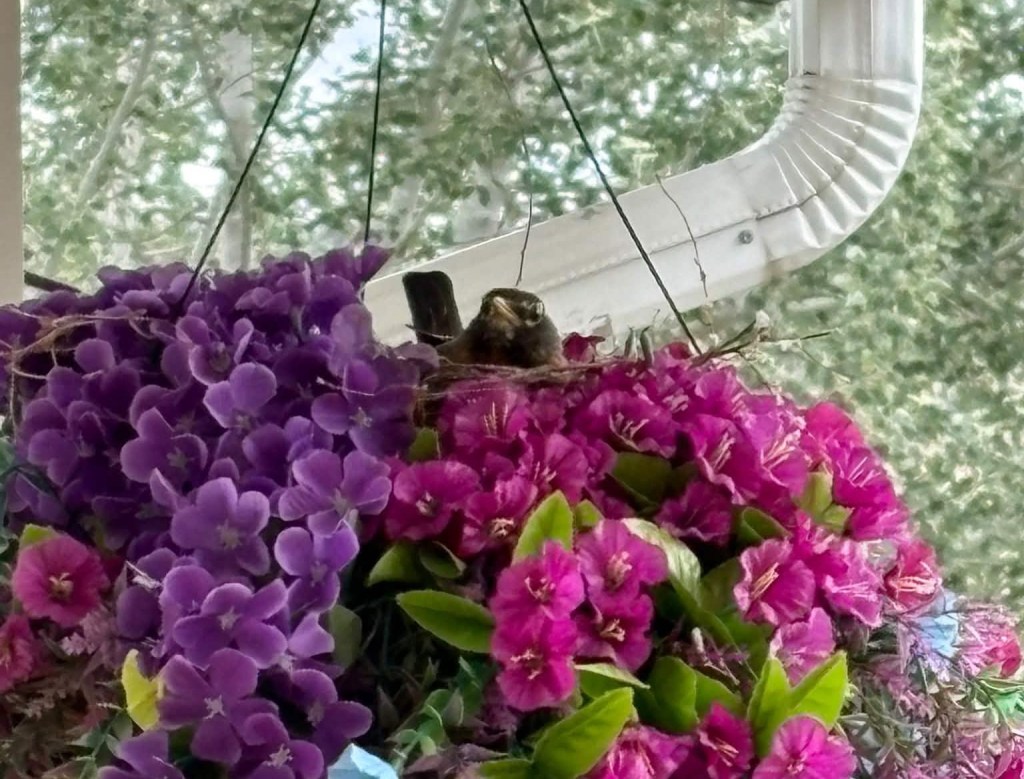
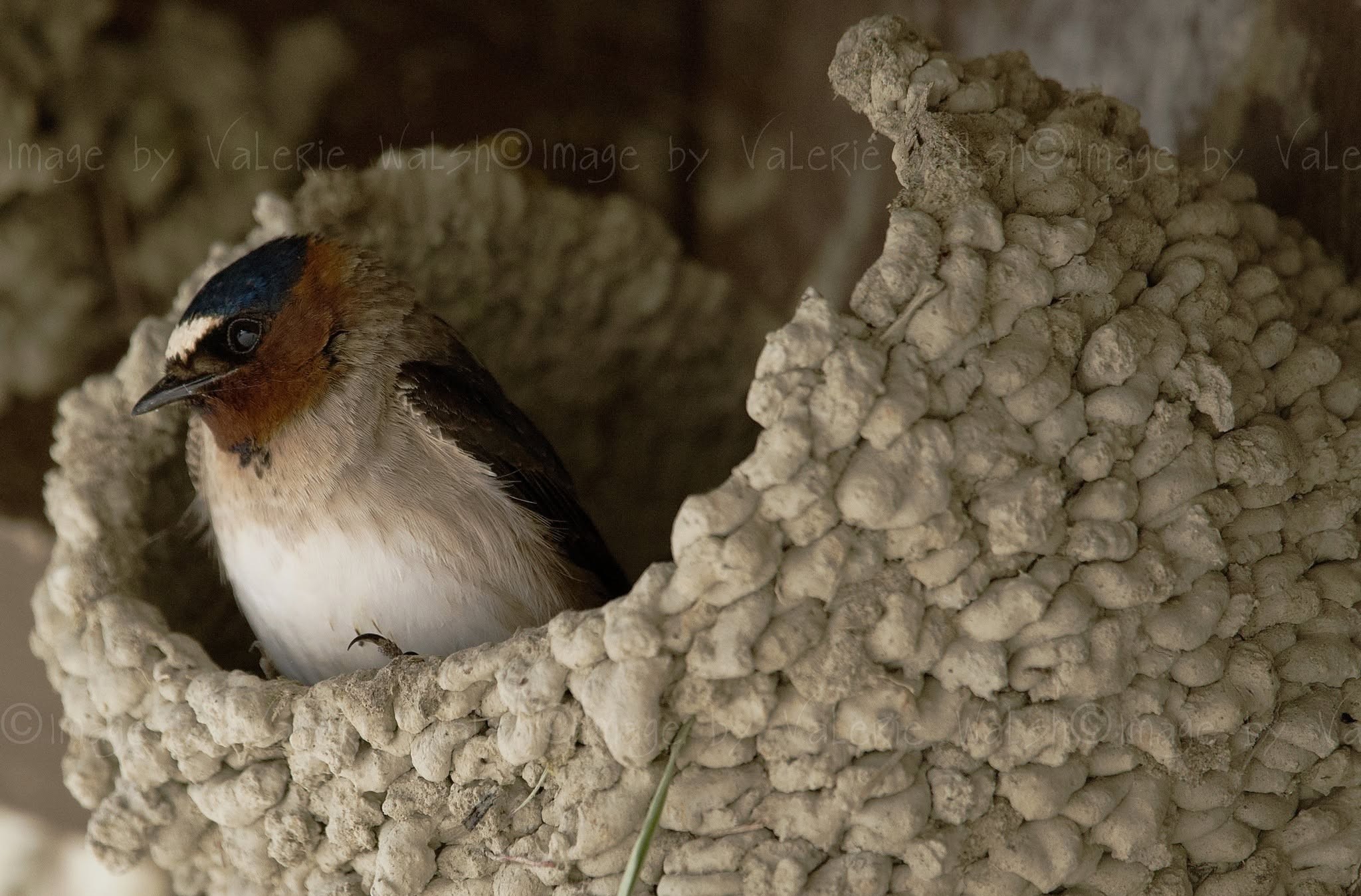
Some species like the American robin reinforce their nest with mud to protect it from wind and rain, while other species, like swallows build their nest entirely out of mud.
They carry mud in their beaks and pile them up to create a nest, one beakful at a time. The mud granules are held together by a protein in the bird’s saliva that forms a strong bond as water evaporates from the mud.
Many species of hummingbirds and small flycatchers bind their nests with spider silk, allowing the nests to expand as the chicks grow.
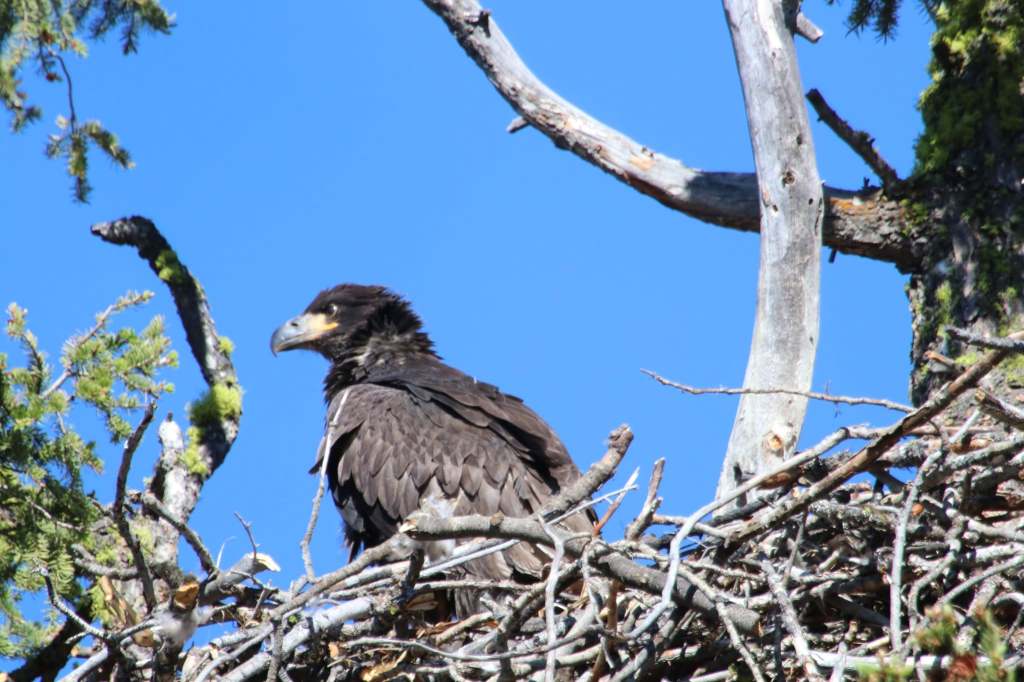
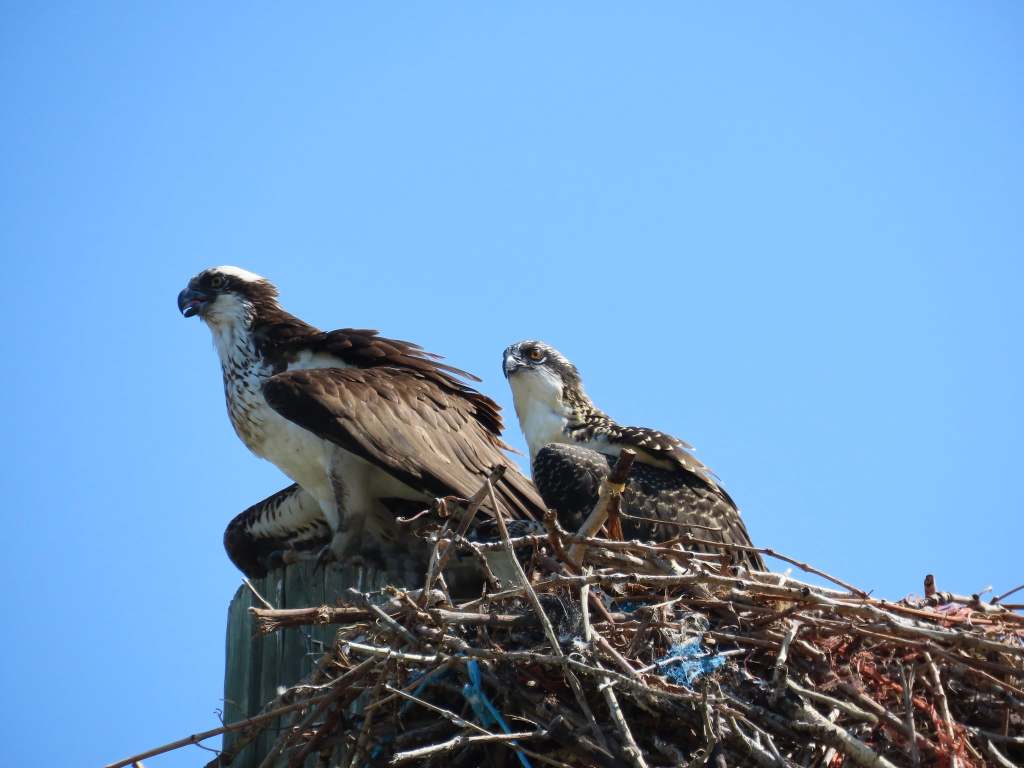
For larger birds of prey like eagles and osprey, the nests are built out of sticks and branches high up in trees or on man made platforms. An eagle’s nest can be more than two metres across and weigh hundreds of kilograms. Often these massive nests are built to endure years of repeated use.
Both tiny birds and big birds build nests to ensure their chicks are comfortable, insulated and protected from predators.
News from © iNFOnews.ca, . All rights reserved.
This material may not be published, broadcast, rewritten or redistributed.

This site is protected by reCAPTCHA and the Google Privacy Policy and Terms of Service apply.
Want to share your thoughts, add context, or connect with others in your community?
You must be logged in to post a comment.