Elevate your local knowledge
Sign up for the iNFOnews newsletter today!
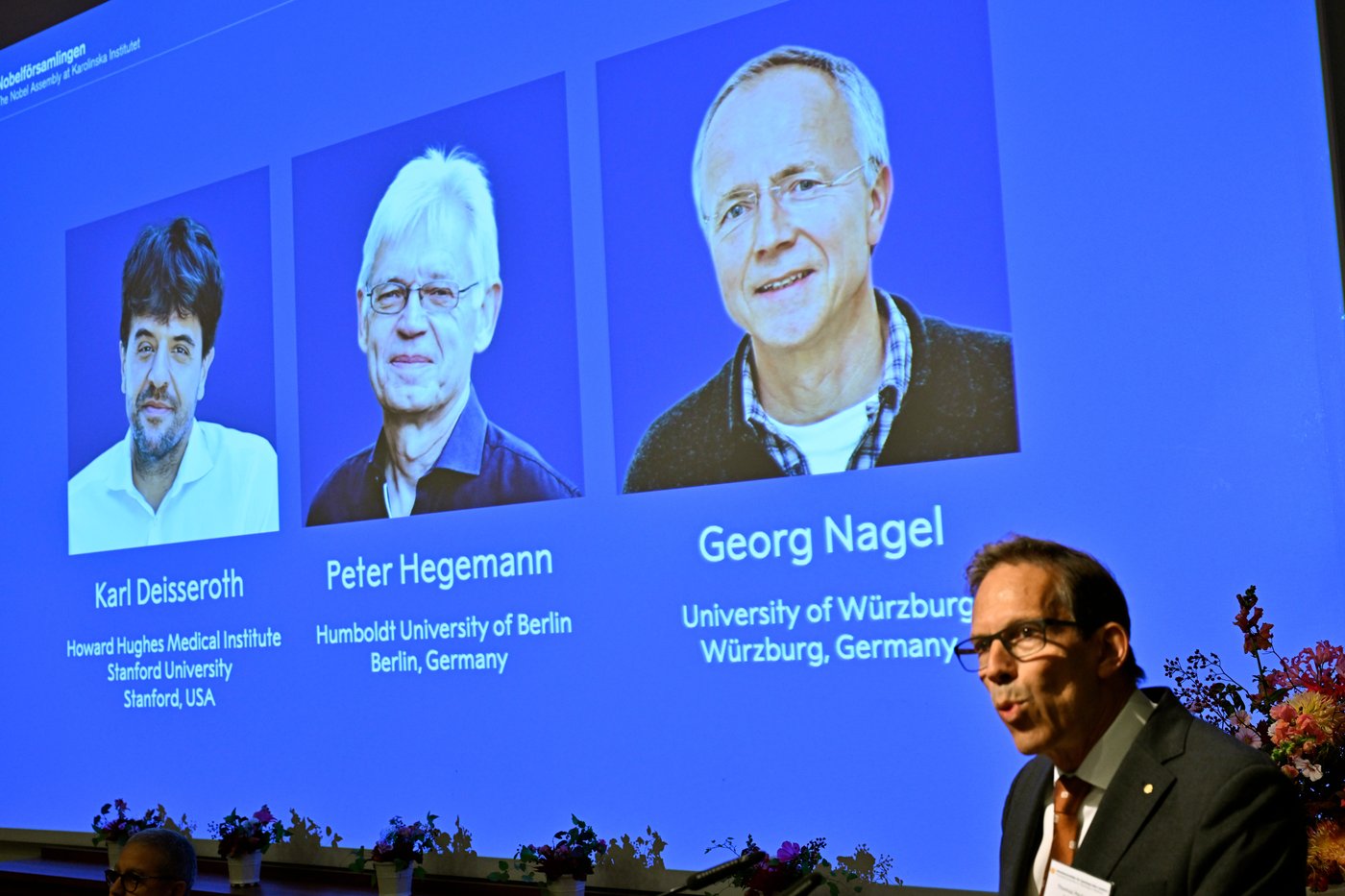
STOCKHOLM (AP) — The Nobel Prize in medicine was awarded Monday to three scientists whose work led to a tool that uses light to help unravel how the brain works.
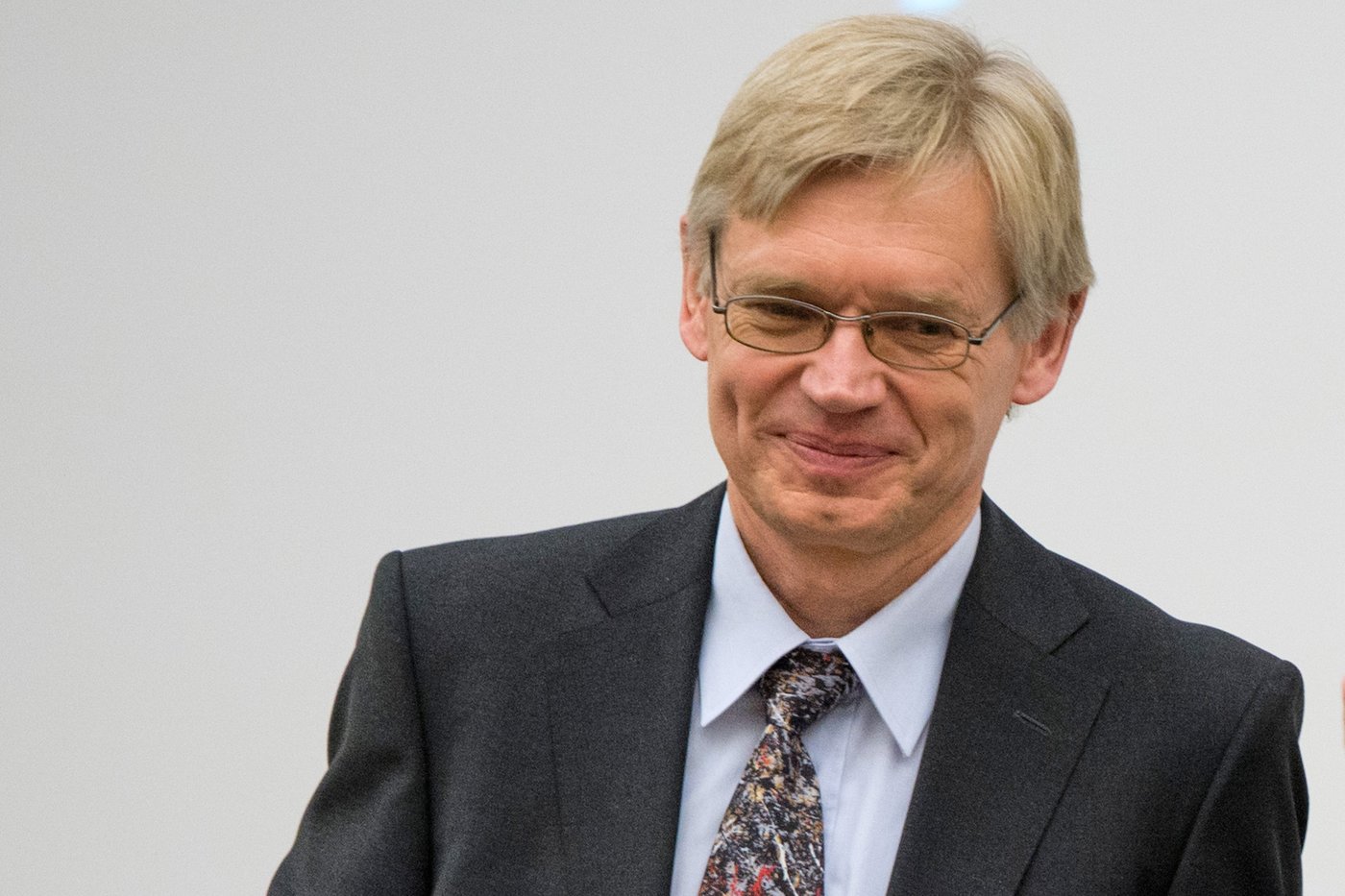
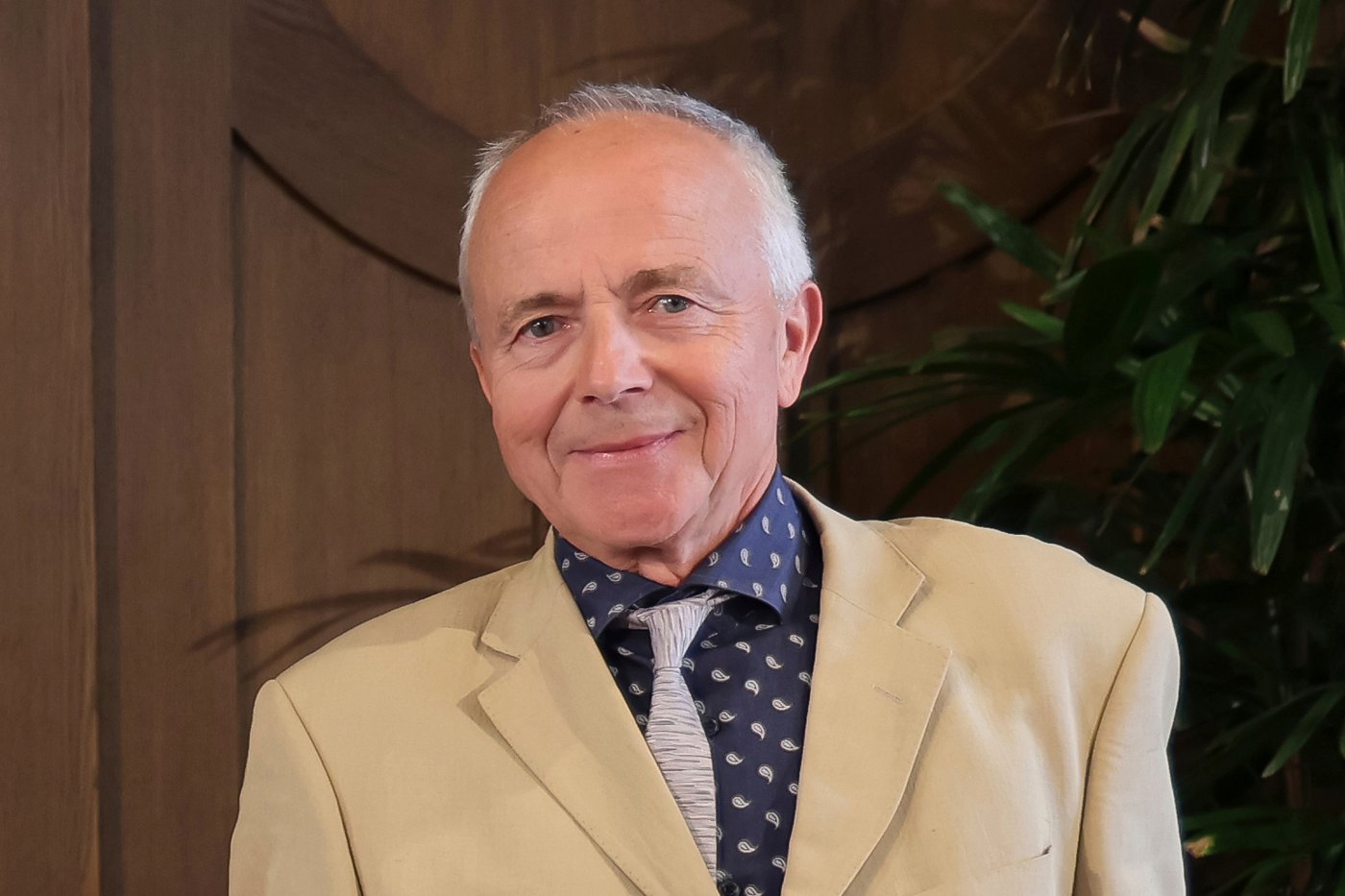
Dr. Karl Deisseroth, Peter Hegemann and Georg Nagel carried out research that opened a new field with the wonky name optogenetics, combining light with genes to switch on and off neurons in living brains.
Separate research from the trio — one of whom lives in the U.S. and two in Germany — resulted in a technique that helps to identify neural pathways responsible for behavior and disease. It could lead to treatments, such as restoring some vision in people with a genetic form of blindness.
Experts said the advancements greatly expanded the understanding of how the brain is organized.
“It has let us go from a ‘Rand McNally’ road atlas of the brain to something more akin to ‘Google Earth,’” neuroscientist Patrick Forcelli of Georgetown University said in an email.
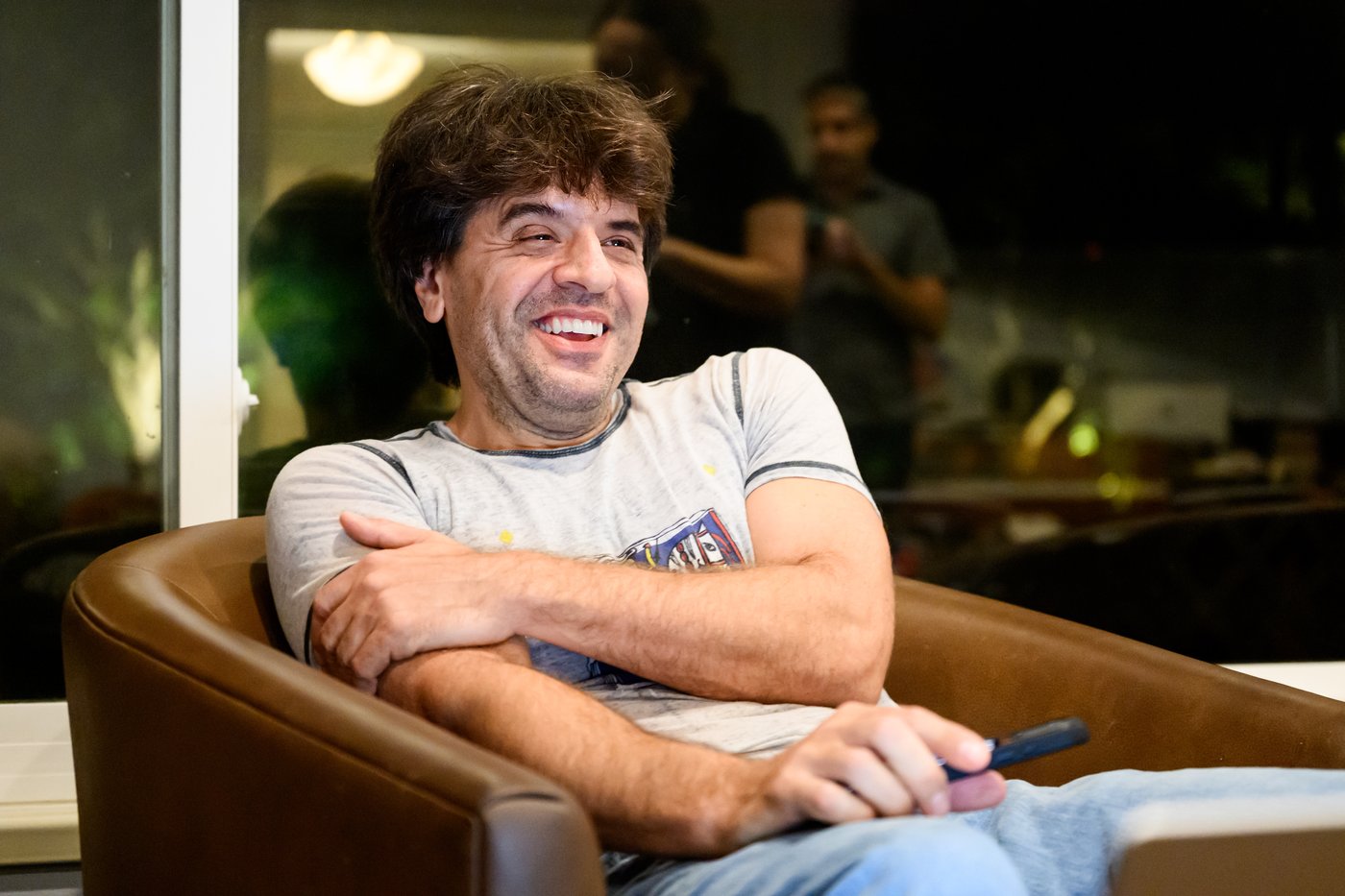
Deisseroth, 54, is a Howard Hughes Medical Institute investigator and Stanford University professor in California. Hegemann, 71, is at Humboldt University in Berlin, and Nagel, 73, most recently worked at the University of Würzburg, also in Germany, the assembly said.
Winning research shines a light into the brain
The breakthrough began when Hegemann explored how a single-cell type of green algae can swim toward light. He and Nagel discovered a particular protein that, when illuminated by blue light, opens a channel to create an electrical impulse. Putting that protein into other cells makes them light-sensitive.
Brain cells use electrical signals to communicate with each other, but normally they don’t respond to light, Deisseroth told The Associated Press. He used what he calls “a trick from nature,” putting the gene that controls that microbial protein into certain cells in the brains of living mice.
Beaming light at those cells — first by using tiny fibers, now with noninvasive methods — can turn neurons on or off while animals do various tasks.
“People usually think about light as a way of collecting information to observe things,” he told the AP. “But this is the opposite of that. This is using light to control things, to make things happen, and to do it in a very precise way.”
Optogenetics is mostly a research tool to learn how specific neurons and neural circuits work.
That “gives you, inevitably, ideas for how to correct things that go wrong,” Deisseroth said. “Once you know the cells that are causal, that actually matter for a symptom or for correcting a symptom, you can devise medications or other methods that target those cells.”
Findings could help treat blindness and other problems
Already companies have studies underway trying to treat inherited blindness called retinitis pigmentosa by inserting a light-activated protein into a patient’s retina and then outfitting the person with special light-emitting glasses.
Deisseroth, a physician-scientist, pointed to other scientists pursuing possible treatments for autism and schizophrenia based on information gleaned from optogenetics, he said.
Experts say optogenetics has transformed neuroscience around the world, becoming a mainstay in labs trying to understand the brain pathways involved in behavior and disease — and hopefully leading to ways to fix those that go awry.
“It’s a very precise set of tools for doing experiments about how the brain works that are pretty hard to do any other way,” said the University of Pittsburgh’s Jeremy Berg. He was at the U.S. National Institutes of Health in the early 2000s when it awarded Deisseroth major funding for “this vision of optogenetics that was pretty much spot-on the way it played out.”
Brain cells communicate in milliseconds, and optogenetics for the first time offered scientists a way to control them at the same speed in a laboratory, said Forcelli, Georgetown’s chairman of pharmacology and physiology. That helped the field move from using fixed maps of brain activity to building functional wiring diagrams, and jump-started additional techniques to explore neural complexity.
“It has also helped reveal how specific brain circuits are disrupted, with implications for conditions such as blindness, depression, addiction and dementia,” said Abdel El Manira, a member of the Nobel Assembly. “Yet despite these extraordinary advances, the brain still holds countless mysteries, with much more left to learn and discover. And optogenetics has given us a powerful means to take on these challenges.”
Karl Deisseroth had just gone to bed when he got the Nobel call
Deisseroth, a self-described night owl, said he was up late in his Northern California home working on papers and emailing students. He had just gone to lie down when he got the call from the Nobel Assembly.
He was so surprised that “I almost couldn’t speak for a little bit,” he told the AP. “I almost felt as if I’d lost the power of forming words.”
But he recovered quickly, pointing out that amid all the congratulations that morning, he still had to pack school lunches for his children once they woke up.
“That’s my one obligation I have in the next few hours, to make sure I make their sandwiches,” he said.
Thomas Perlmann, the secretary of the medicine committee, said he reached all three winners Monday. The AP could not immediately reach Hegemann and Nagel.
Medicine prize kicks off Nobels week
The prize was announced at the Karolinska Institute in Stockholm, kicking off Nobels week. The prize money this year is 12 million Swedish kronor (about $1.2 million), whether for an individual, small group of laureates or organization.
Monday’s medicine prize is followed by the physics prize on Tuesday, chemistry on Wednesday and literature on Thursday.
After Friday’s peace prize is awarded, the Nobel Memorial Prize in Economic Sciences will be announced on Oct. 12.
___
Neergaard reported from Washington, and Ramakrishnan reported from New York. Associated Press Writer Stefanie Dazio in Berlin contributed to this report.
___
AP Nobel Prizes: https://apnews.com/hub/nobel-prizes
News from © The Associated Press, . All rights reserved.
This material may not be published, broadcast, rewritten or redistributed.

This site is protected by reCAPTCHA and the Google Privacy Policy and Terms of Service apply.
Want to share your thoughts, add context, or connect with others in your community?
You must be logged in to post a comment.