Elevate your local knowledge
Sign up for the iNFOnews newsletter today!
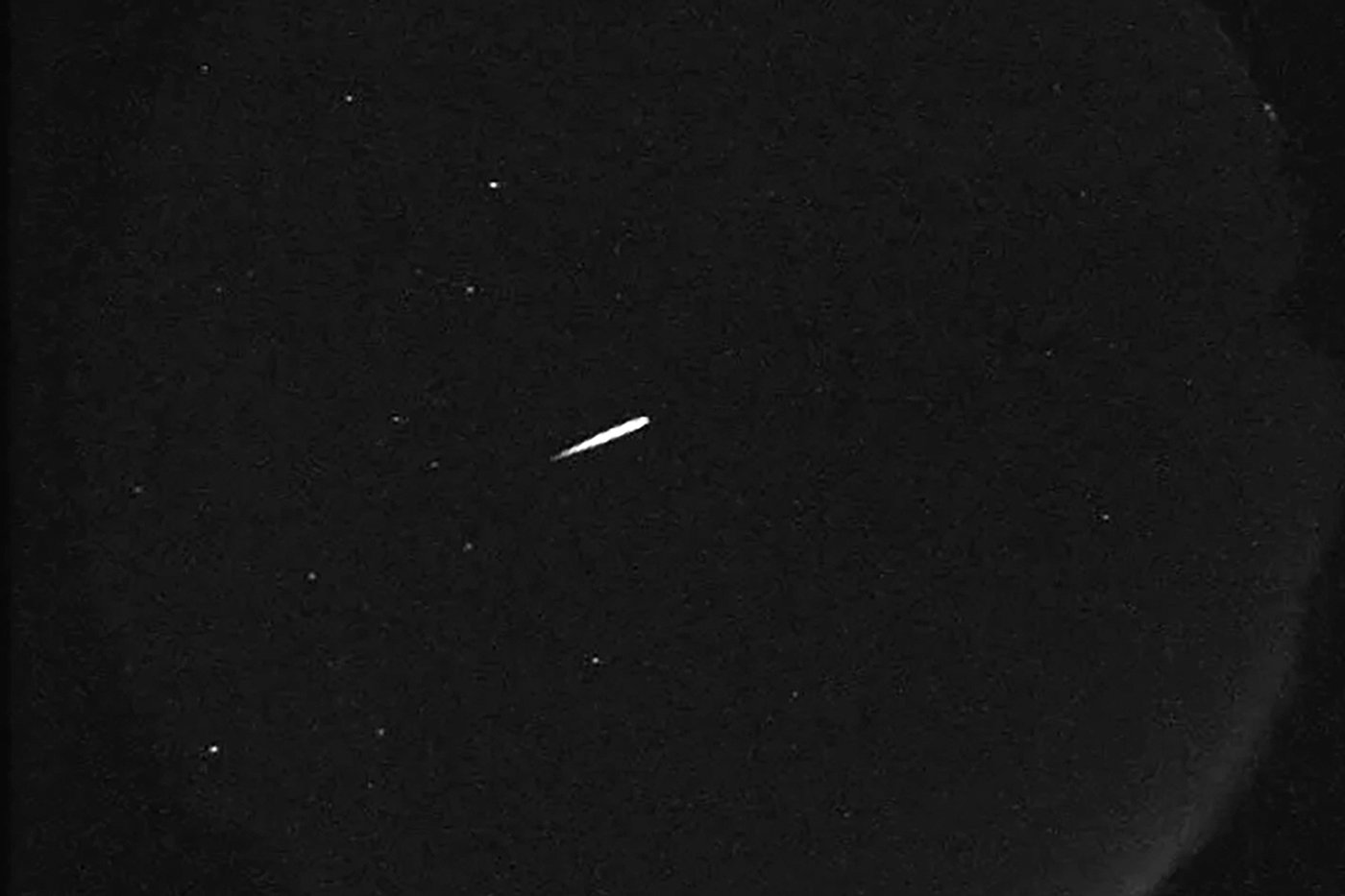
The Orionids — one of two major meteor showers caused by remnants from Halley’s comet — will peak this week, though a large moon will dim visibility until after it sets late at night.
During the peak Wednesday night into Thursday morning, it will be possible to see up to 20 meteors per hour in ideal viewing conditions, according to the American Meteor Society. Meteors are still visible for a few weeks before and after the peak.
The Orionids are viewable in the northern and southern hemispheres after midnight. While they get their name from the Orion constellation, they are visible across the night sky, according to NASA.
Orionids can be especially bright and fast, and can leave glowing trains that can last for several seconds. Here’s what to know about the Orionids and other meteor showers.
What is a meteor shower?
As the Earth orbits the sun, several times a year it passes through debris left by passing comets and the occasional asteroid. The source of the Orionids is debris from Halley’s comet, which passes near Earth every 75 years.
When these fast-moving space rocks enter Earth’s atmosphere, the debris encounters new resistance from the air and becomes very hot, eventually burning up.
Sometimes the surrounding air glows briefly, leaving behind a fiery tail — the end of a “shooting star.”
You don’t need special equipment to see the meteor showers that flash across the sky annually, but it will help to find a spot far enough from city lights and other light pollution.
How to view a meteor shower
The best time to watch a meteor shower is typically after midnight, or in the early predawn hours, when there’s usually less interference from moonlight.
Competing sources of light — such as a bright moon or artificial glow from lights on the ground — are the main obstacles to a clear view of meteors. Cloudless nights when the moon wanes smallest provide optimal viewing opportunities.
Be patient: It can take several minutes for your eyes to adjust to the dark.
When is the next meteor shower?
The next major meteor shower, the Southern Taurids, is expected to peak Nov. 5, when there will be just a crescent moon, making for favorable viewing conditions.
___
The Associated Press’ health and science coverage receives financial support from the AP Fund for Journalism and private foundations. AP is solely responsible for all content. Find AP’s standards for working with philanthropies, a list of supporters and funded coverage areas at AP.org.
News from © The Associated Press, . All rights reserved.
This material may not be published, broadcast, rewritten or redistributed.

This site is protected by reCAPTCHA and the Google Privacy Policy and Terms of Service apply.
Want to share your thoughts, add context, or connect with others in your community?
You must be logged in to post a comment.