Elevate your local knowledge
Sign up for the iNFOnews newsletter today!
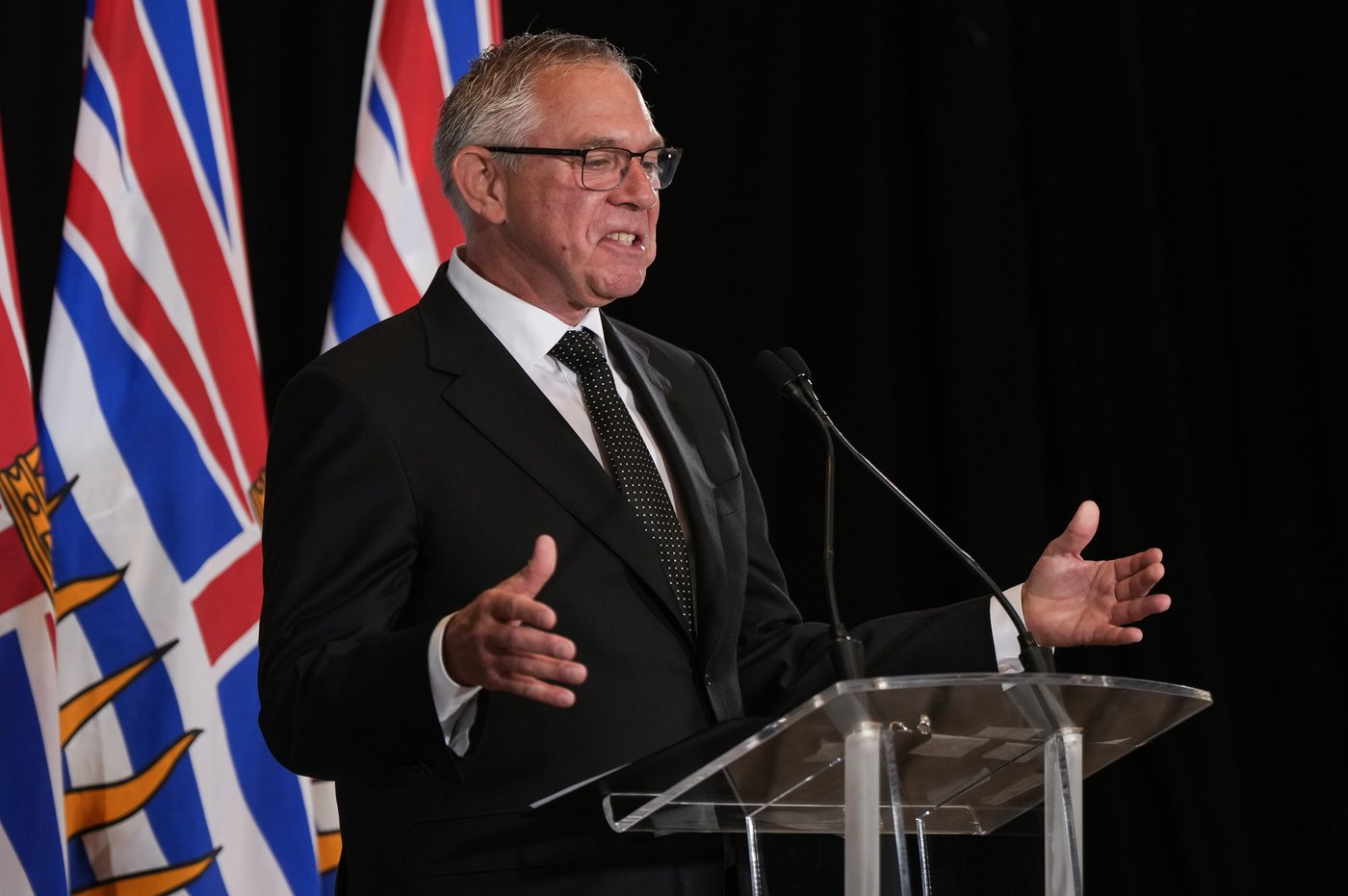
Voters put the BC Conservative Party in power for the first time in almost a century, but taking the result as a historic right-wing shift would be the wrong conclusion.
That’s according to UBC political scientist Stewart Prest, who said the party appealed to the province’s centrists as the BC NDP walked toward its own demise.
“The Conservatives won in no small measure because they veered back toward the centre,” Prest said.
As the brand was revived ahead of the 2024 election, it evolved into a right-wing coalition with newcomers, far-right figures and centre-right MLAs from the BC Liberals. Although the Conservative Party hasn’t been in government since the 1928 BC election, the centre-right core in BC appears to be holding.
Kerry-Lynne Findlay tried to move the party further right and toward social conservatism during her brief, tumultuous stint as leader. It wasn’t popular within caucus nor among voters.
“This is a conservative coalition that contains multitudes, but the face of the party in Lorne Doerksen is a very moderate form of conservatism,” Prest said. “He went out of his way to emphasize that in the campaign… It was the move back from (Findlay) that really made the difference in the campaign, I think.”
Less than half of BC Conservative voters polled in a ResearchCo survey said they would have voted for the party if Findlay was still leader, and less than 60 per cent if it was John Rustad.
For Prest, the big revelation from the election wasn’t the enthusiasm for the Conservatives but the pushback against David Eby and the BC NDP.
“This is pretty much an anti-David Eby vote. This was, I think, a wake-up call to a premier who had lost his way,” he said. “That narrative of this being a swing to the right… it’s way off-base.”
Voter turnout was dramatically low, with less than 48 per cent of eligible ballots cast, and both major parties saw a massive dip. It was worse for the BC NDP, which got around 280,000 fewer votes than in 2024 compared to a drop of nearly 50,000 for the BC Conservatives.
Prest said BC voters have been starkly divided for years between camps on either side of the political spectrum, but voters staying clear of the polls entirely is most likely what decided the 2026 election.
“What we’re seeing here is a province that’s still deeply polarized and the line between the two sides hasn’t moved much… This was just NDP supporters not willing to validate the premier’s decision to have this election and the way in which he conducted it,” Prest said.
The ResearchCo survey found most respondents were not particularly focused on culture war issues like SOGI 123 or repealing DRIPA. While the Conservative Party’s platform made promises to repeal legislation for both, its economic platform was a firmly traditional conservative model. The hardline, right-wing positions on the campaign were largely left to OneBC, which failed to win a single seat.
Nearly half of the new government’s 64 incoming MLAs are relatively new to politics or, at least, new to provincial government and have only been under the BC Conservative banner. Twenty-six ran in 2024 and 24 more entered just this year.
There remains a core of former BC Liberal MLAs, six of whom held seats under the old centre-right party. That includes the most experienced among them like Peter Milobar, Teresa Wat, Lorne Doerksen and Trevor Halford. Four more have previously campaigned for BC Liberals and only won after joining the BC Conservatives.
News from © iNFOnews.ca, . All rights reserved.
This material may not be published, broadcast, rewritten or redistributed.

This site is protected by reCAPTCHA and the Google Privacy Policy and Terms of Service apply.
Want to share your thoughts, add context, or connect with others in your community?
You must be logged in to post a comment.