Elevate your local knowledge
Sign up for the iNFOnews newsletter today!
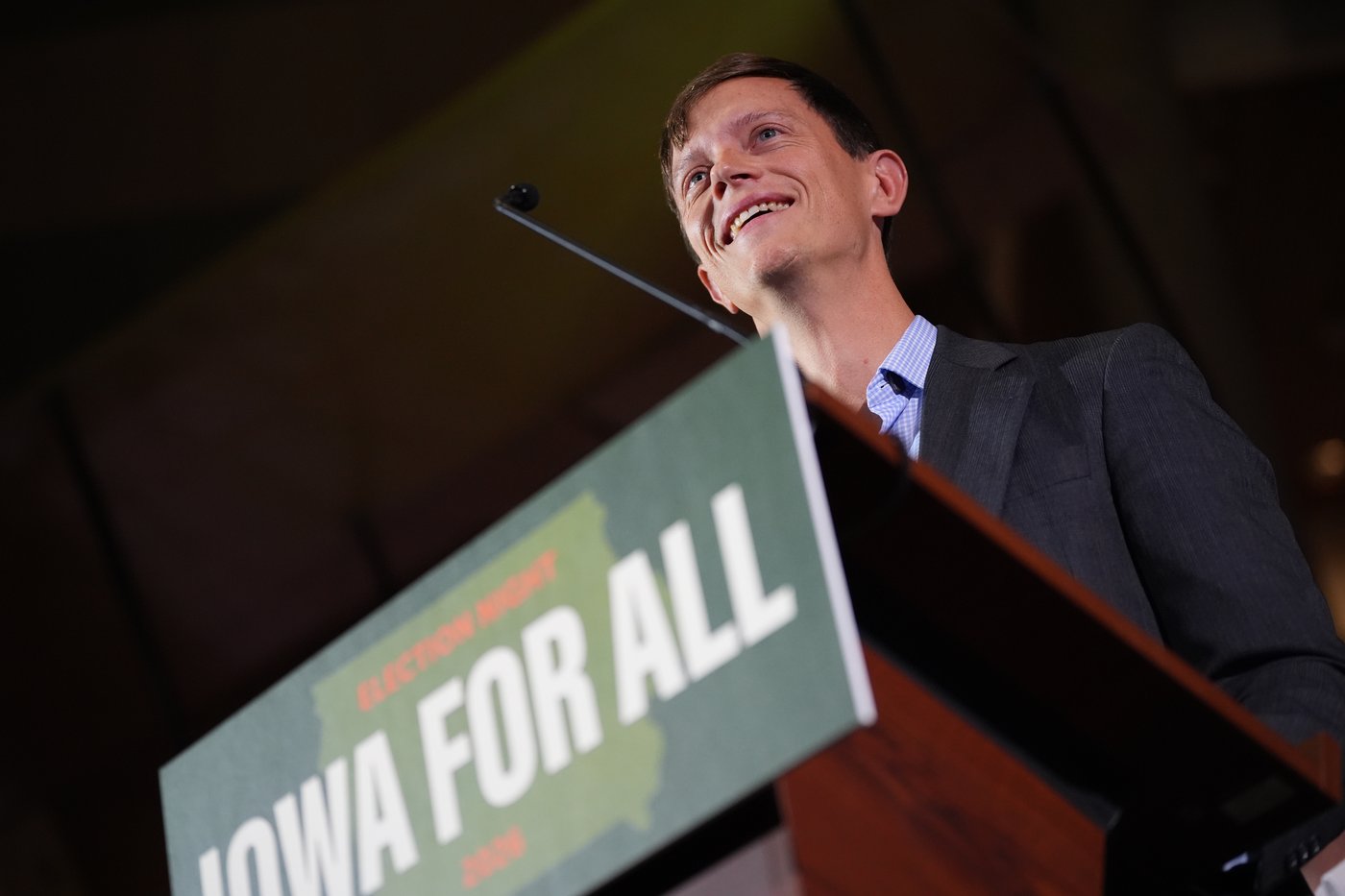
DES MOINES, Iowa (AP) — Iowa voters chose Democrat Rob Sand to be their next governor, flipping the seat Republicans have held for nearly two decades and ushering in a new era of divided state government.
Sand defeated Zach Lahn, a first-time candidate who surprised even members of his own party when he won the Republican primary.
Sand, who is currently state auditor, has been the only Democrat serving in statewide elected office. His victory will almost certainly make him a leading face of a Democratic Party that he’s kept at arm’s length, focusing instead on his middle-of-the-road approach to politics and his small-town upbringing. But Democrats have been eager to claw back territory in Midwestern and rural states where they’ve struggled in recent years.
Sand took the stage in Des Moines and told a loud and energized crowd that Iowans sent a clear message Tuesday.
“We have to have bigger hearts and minds than just our party,” Sand said. “Come January, we will be forced to work together.”
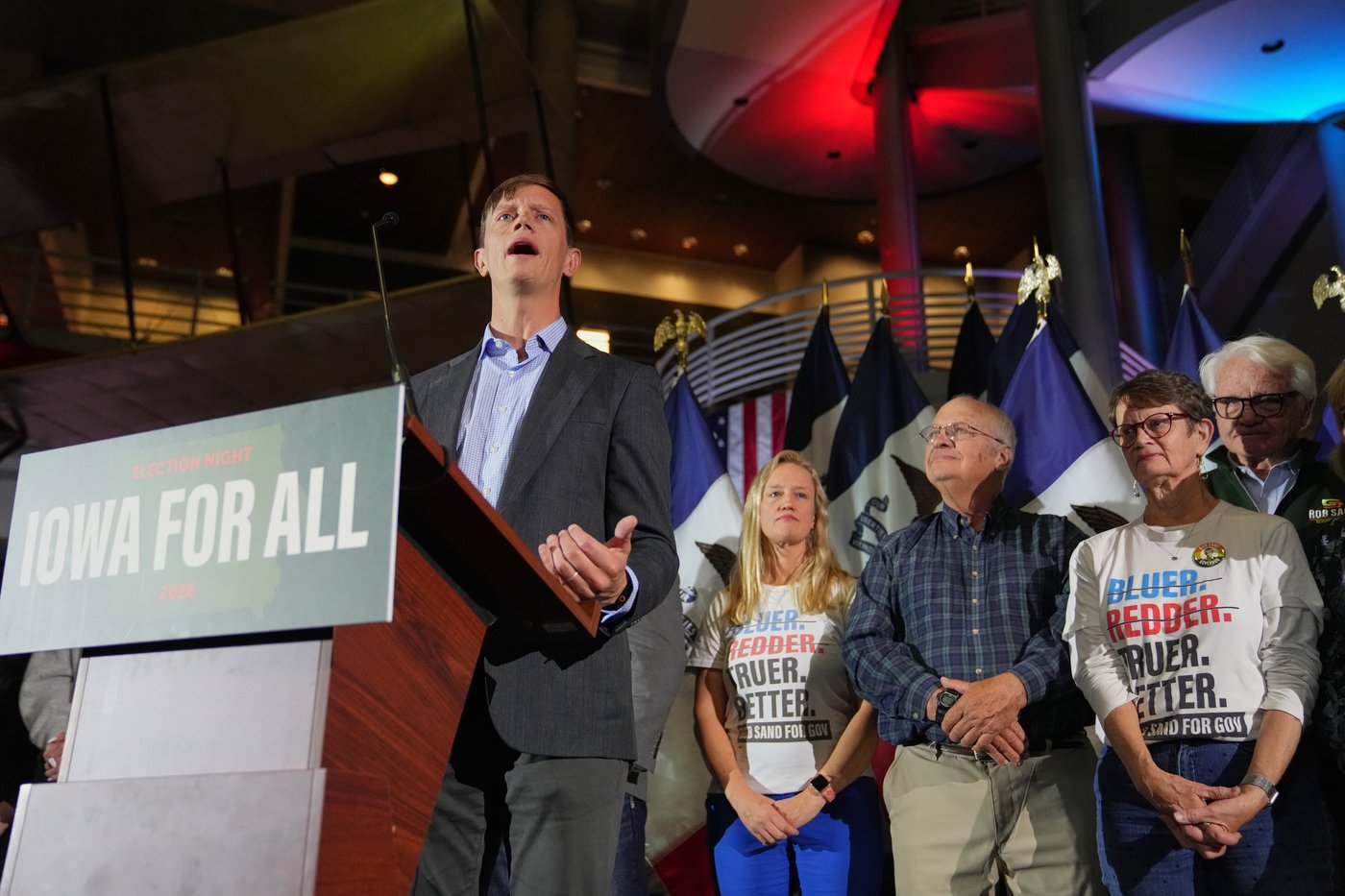
Sand’s win breaks a Republican trifecta that’s gripped state government for about a decade. He said Tuesday that he looks forward to working across the aisle to find solutions to Iowa’s problems.
Both Sand and Lahn campaigned on criticisms of the state’s status quo, including a deepening budget deficit, an increasing cost of living, dwindling health care access, high cancer rates and water pollution. But they offered voters starkly different visions for replacing Republican Gov. Kim Reynolds, who decided not to run again.
Democrats broke the GOP’s hold on Iowa government
Reynolds’ unexpected retirement opened up the first governor’s race in the state without an incumbent since 2010. While Sand was ultimately unopposed on the Democratic primary ballot, Republicans had to first get through a five-way primary.
Sand, 44, often laments the way the country’s political system forces people to pick sides, even as he has only run for office as a Democrat and has donated substantially to the party.
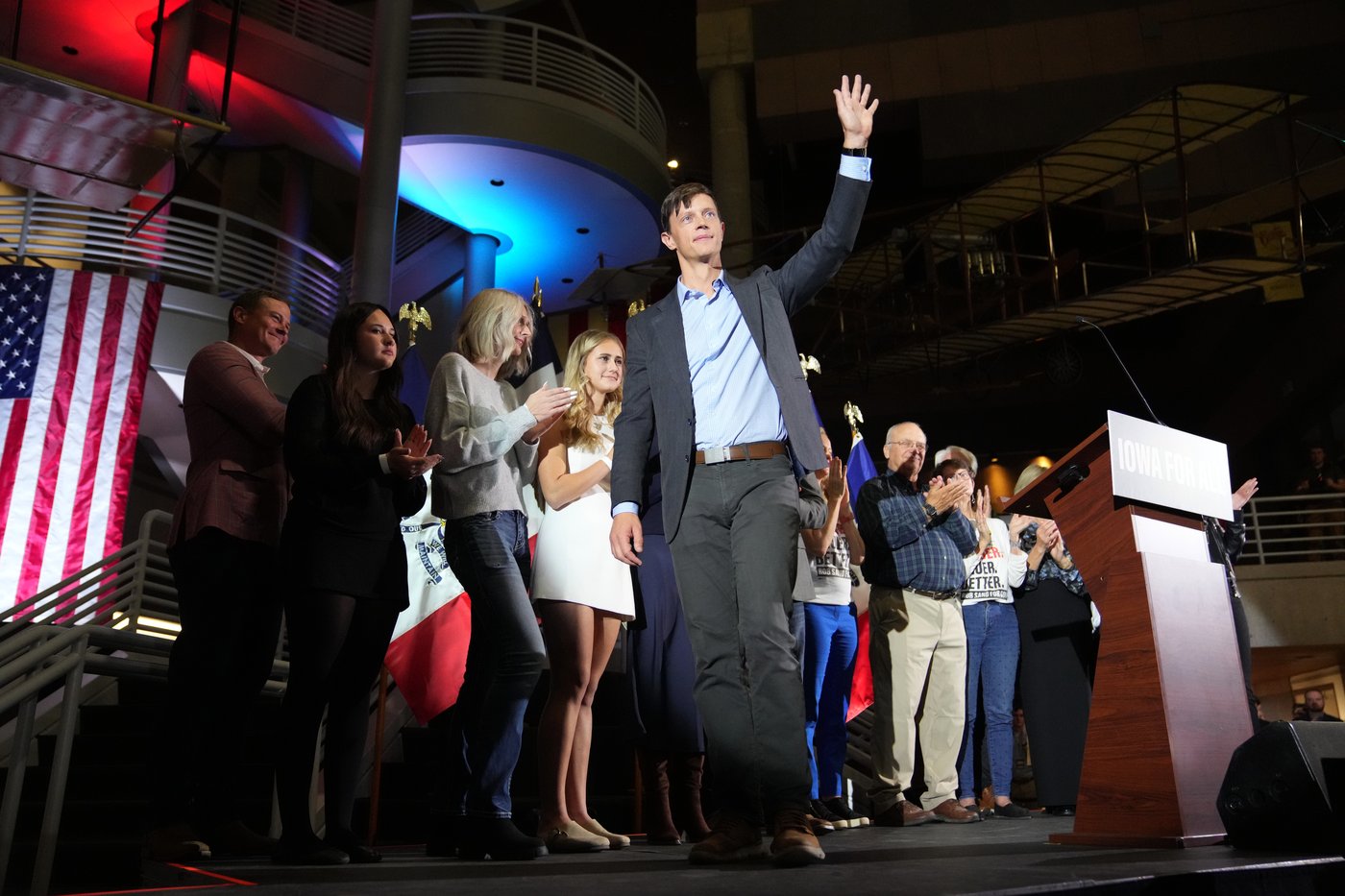
He acknowledged to an energized crowd celebrating his win Tuesday that Democrats “have had a hard few years in Iowa.”
“But balanced government has been restored,” he added.
Sand has criticized Republicans for ignoring a worsening budget deficit that’s emerged from their tax cuts and investment in education savings accounts, which provide students with public dollars to pay for private school tuition.
But he said he’d also be a check on Republican efforts to push culture war bills from the Statehouse, such as further limits on abortion or restrictions on how teachers discuss certain topics.

The open race shook up Iowa’s recent political conventional wisdom. In a sign of the campaign’s competitiveness, many of Iowa’s prominent industry groups in agriculture and business declined to weigh in on the contest, endorsing in other contests but not the governor’s race.
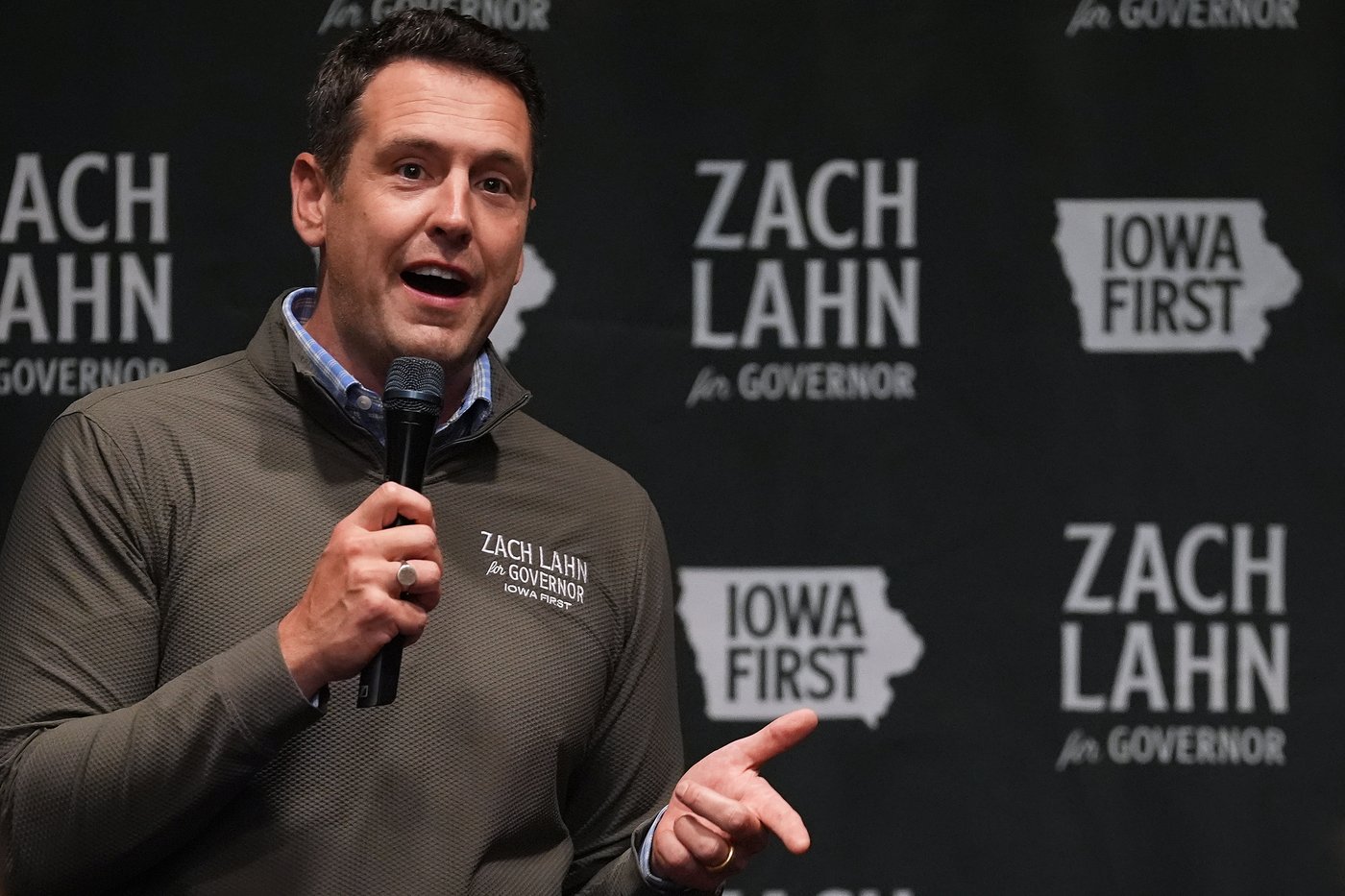
Lahn was trying to chart a new path for Iowa GOP
Lahn said he spoke to Sand and wished him well, but he also said the country is at a crossroads. He called his campaign an opportunity to bring “change that I believe has been needed in Iowa politics.”
“The fight is just beginning right now,” he said.
Lahn won the June GOP primary by less than a percentage point over U.S. Rep. Randy Feenstra, who was endorsed by President Donald Trump. In the five-way race, he prevailed with only about a third of Republican voters supporting him.
His general election campaign was scaled up quickly after his surprise win. He had five months to introduce himself to voters, including many Republicans, and to dramatically increase his fundraising and campaign staff.
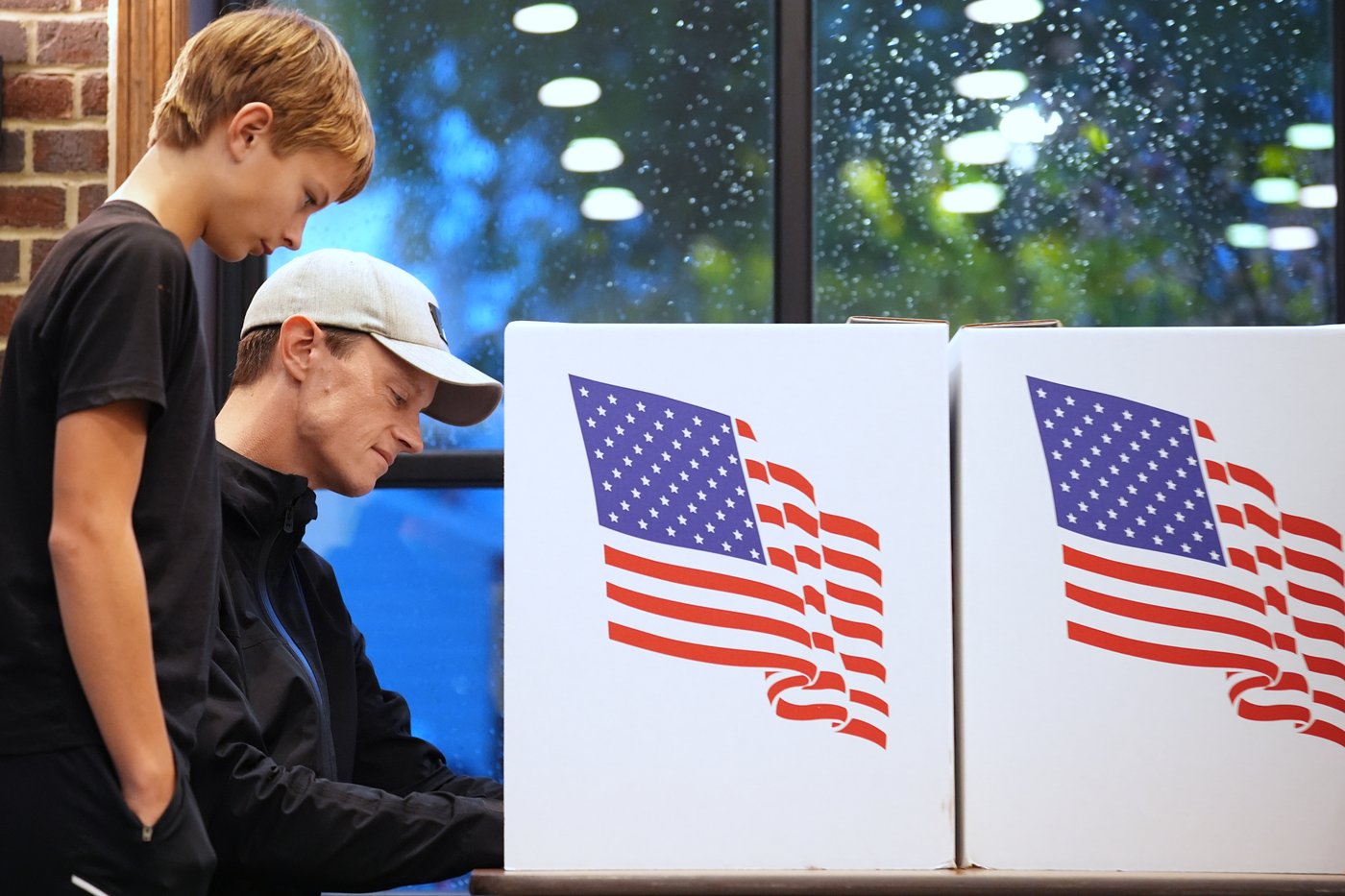
Lahn was not shy about pushing back on traditional Iowa GOP positions. He boasted that he had already been successful in changing the narrative within the Republican Party and emphasized that Iowa couldn’t be succeeding — even under GOP leadership — if it’s losing its family farms, its young people to other states, its residents to cancer and its achievements in public education.
Still, toe-to-toe with Sand in debates, Lahn leaned on traditional party positions, saying Sand would be a liberal governor who would raise taxes, increase regulations and push a political agenda in public education.
Iowa voters elected Trump and Sand
As was the case in his previous two elections to be auditor, Sand prevailed in a statewide race just two years after Iowa voters backed Trump. Much of the party’s hopes for restoring Democratic leadership to the state rested on Sand despite his efforts to keep his distance from party politics.
Sand worked for years to build a likable public profile by holding annual county town halls, publicizing his findings both as a former state prosecutor and as auditor, and being active on social media. That included posting about what he was eating around the state, nodding at his small-town northeast Iowa upbringing and sharing his bowhunting escapades.
Before he cast his own ballot Tuesday, Sand suggested that’s just one way voters have gotten to know him beyond his party label.
“There’s people I’ve gotten to know through hunting communities,” he said. “I changed their concept of what a Democrat can be.”
News from © The Associated Press, . All rights reserved.
This material may not be published, broadcast, rewritten or redistributed.

This site is protected by reCAPTCHA and the Google Privacy Policy and Terms of Service apply.
Want to share your thoughts, add context, or connect with others in your community?
You must be logged in to post a comment.