Elevate your local knowledge
Sign up for the iNFOnews newsletter today!

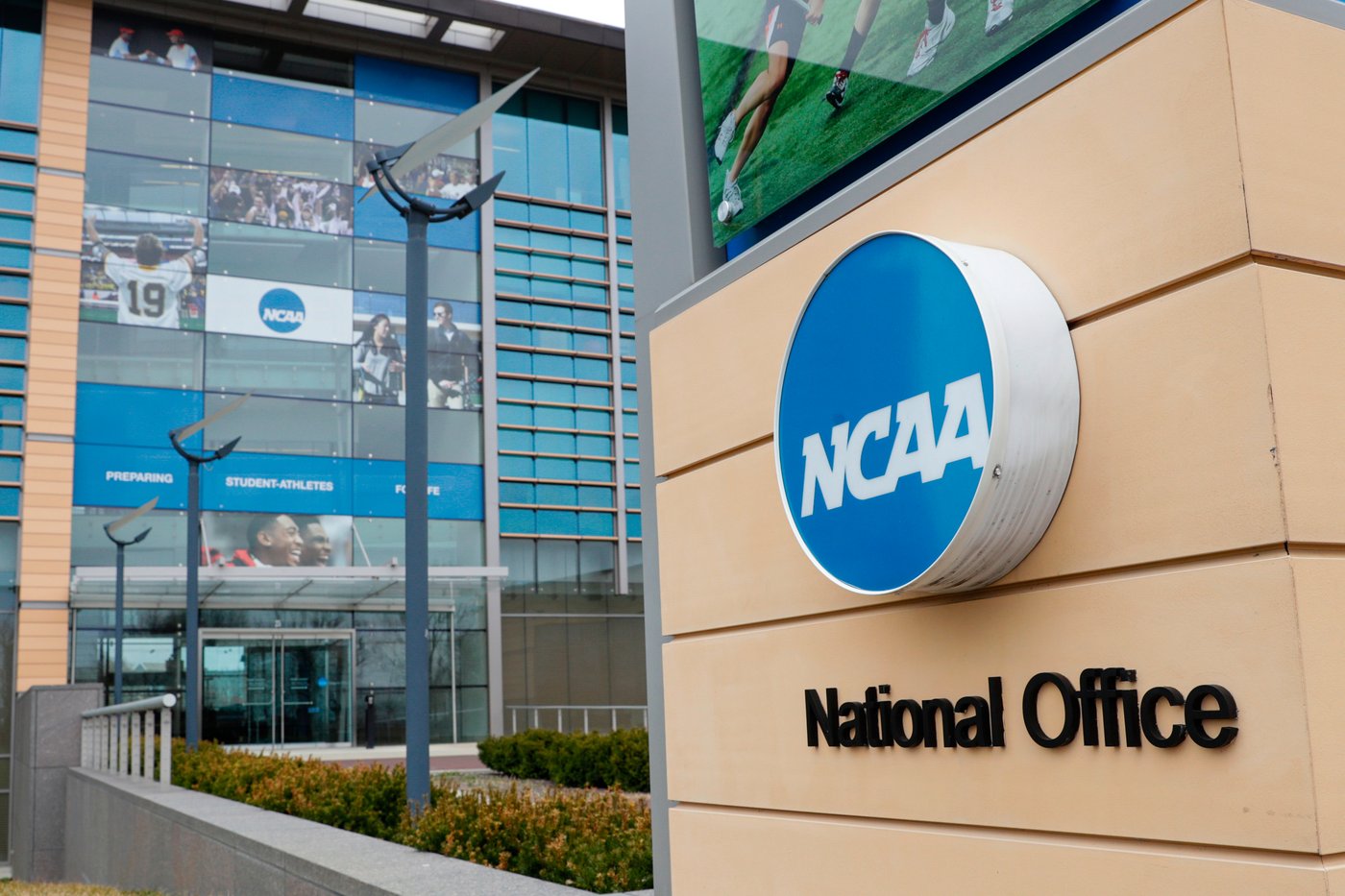
DENVER (AP) — Federal appeals court judges handed the NCAA a significant victory in its struggle to implement a new five-year eligibility ruling Friday, though the win does nothing to tamp down dozens of similar lawsuits playing out in state courts across the country.
Ruling in the case Wisne vs. NCAA, the 10th Circuit Court of Appeals in Denver reversed a lower-court decision that had granted players across the country who graduated high school in 2022 a fifth year of eligibility.
The lower-court ruling in July went against the NCAA’s new rule that granted five years of eligibility, but only starting with athletes from the next year’s class. It essentially made all those Class of ’22 players eligible, leading to nationwide chaos, with teams looking to sign players who had been relegated to the sideline.
But in August, when this same appeals court first put the ruling on hold, many of those players still found their way onto rosters thanks to favorable rulings in state courts.
The decision Friday doesn’t resolve some 200 state cases that involve as many as 850 athletes. The NCAA applauded it nonetheless, with chief legal officer Scott Bearby calling it “consistent with the approach taken by every federal court of appeals” in cases like these.
“The decision also acknowledges the NCAA’s concern that retroactively changing eligibility rules can destabilize rosters and disrupt the settled expectations of student-athletes regarding roster spots and playing time,” Bearby wrote in a memo to NCAA members.

Much of that damage has already been done, as football’s regular season heads into its final month with some players — for instance, Texas Tech quarterback Thomas Castellanos — toggling on and off rosters depending on the latest court ruling. Basketball season started this week under similar uncertainty.
The decision hinged over what judges said was the plaintiffs’ inability to define the market for players — a key point in determining how those players are being harmed by being declared ineligible.
In the decision penned by Judge Carolyn McHugh, the three-judge panel knocked down the plaintiff argument that all Division I players, regardless of sport, formed a single market.
“Obviously, a football player looking for a Division I roster spot would not view the 101 schools without a football program as reasonably good substitutes,” McHugh wrote.
___
Sign up for Top 25 poll alerts here, visit the Top 25 here and see AP’s full college football coverage here
News from © The Associated Press, . All rights reserved.
This material may not be published, broadcast, rewritten or redistributed.

This site is protected by reCAPTCHA and the Google Privacy Policy and Terms of Service apply.
Want to share your thoughts, add context, or connect with others in your community?
You must be logged in to post a comment.