Elevate your local knowledge
Sign up for the iNFOnews newsletter today!

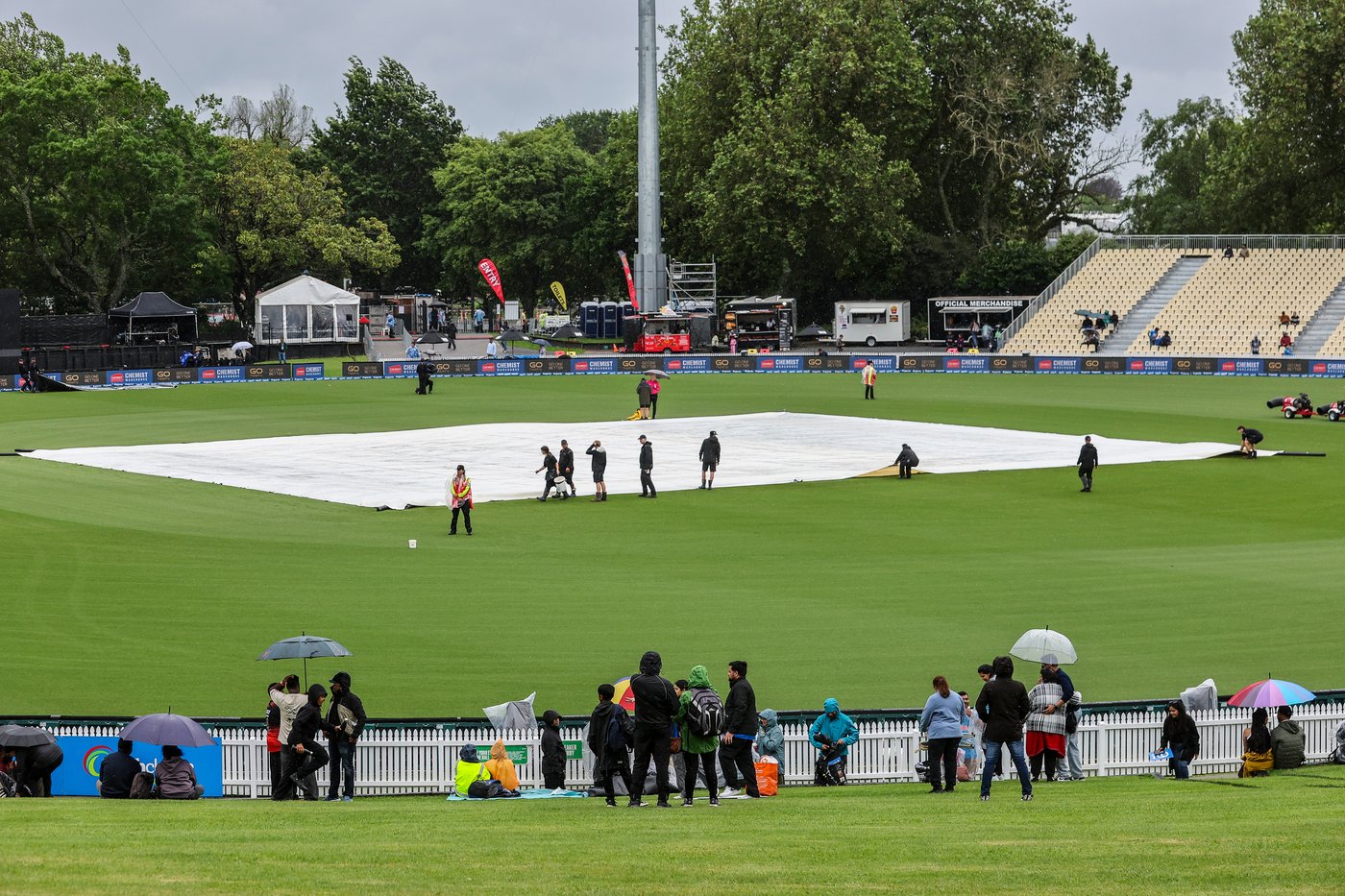
HAMILTON, New Zealand (AP) — The third one-day cricket international between New Zealand and India was abandoned Tuesday because of rain.
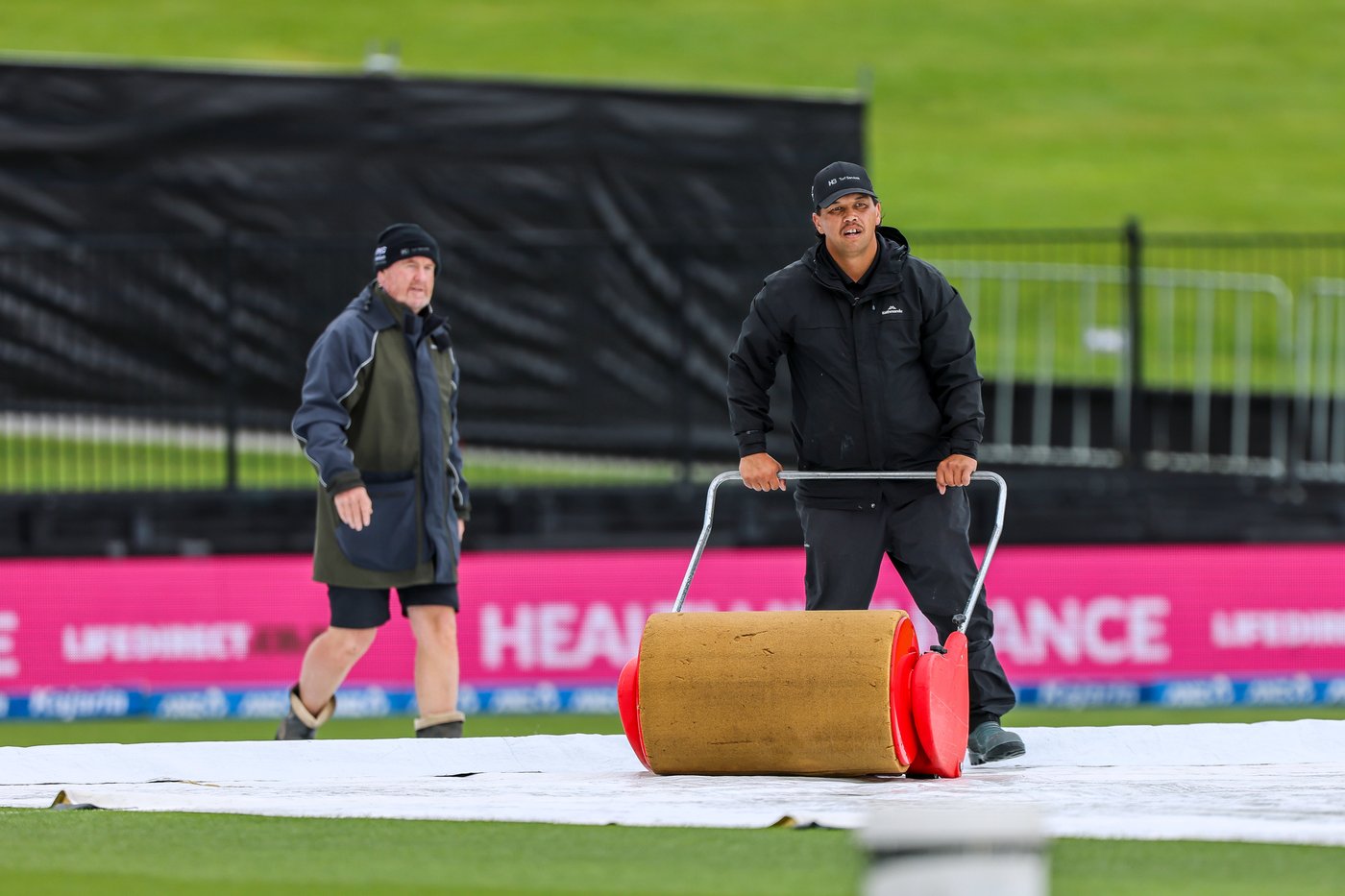
India won a toss delayed by more than two hours by a wet outfield and passing showers, but no play was possible.
The decision to abandon the match was made shortly before 7 p.m. local time, when steadier and more heavy rain meant there was no chance of preparing Seddon Park for play before the cut off time of 8 p.m.
Rain also affected the first match of the series in Auckland, which India won by five wickets, and the second in Wellington, which India won by four runs to take a 2-0 series lead. Both were decided under the Duckworth-Lewis system

The teams now move to Mount Maunganui on New Zealand’s North Island for the fourth and fifth matches on Friday and Sunday. India can no longer lose the series but New Zealand still has a chance to draw level.
___
News from © The Associated Press, . All rights reserved.
This material may not be published, broadcast, rewritten or redistributed.

This site is protected by reCAPTCHA and the Google Privacy Policy and Terms of Service apply.
Want to share your thoughts, add context, or connect with others in your community?
You must be logged in to post a comment.