Elevate your local knowledge
Sign up for the iNFOnews newsletter today!
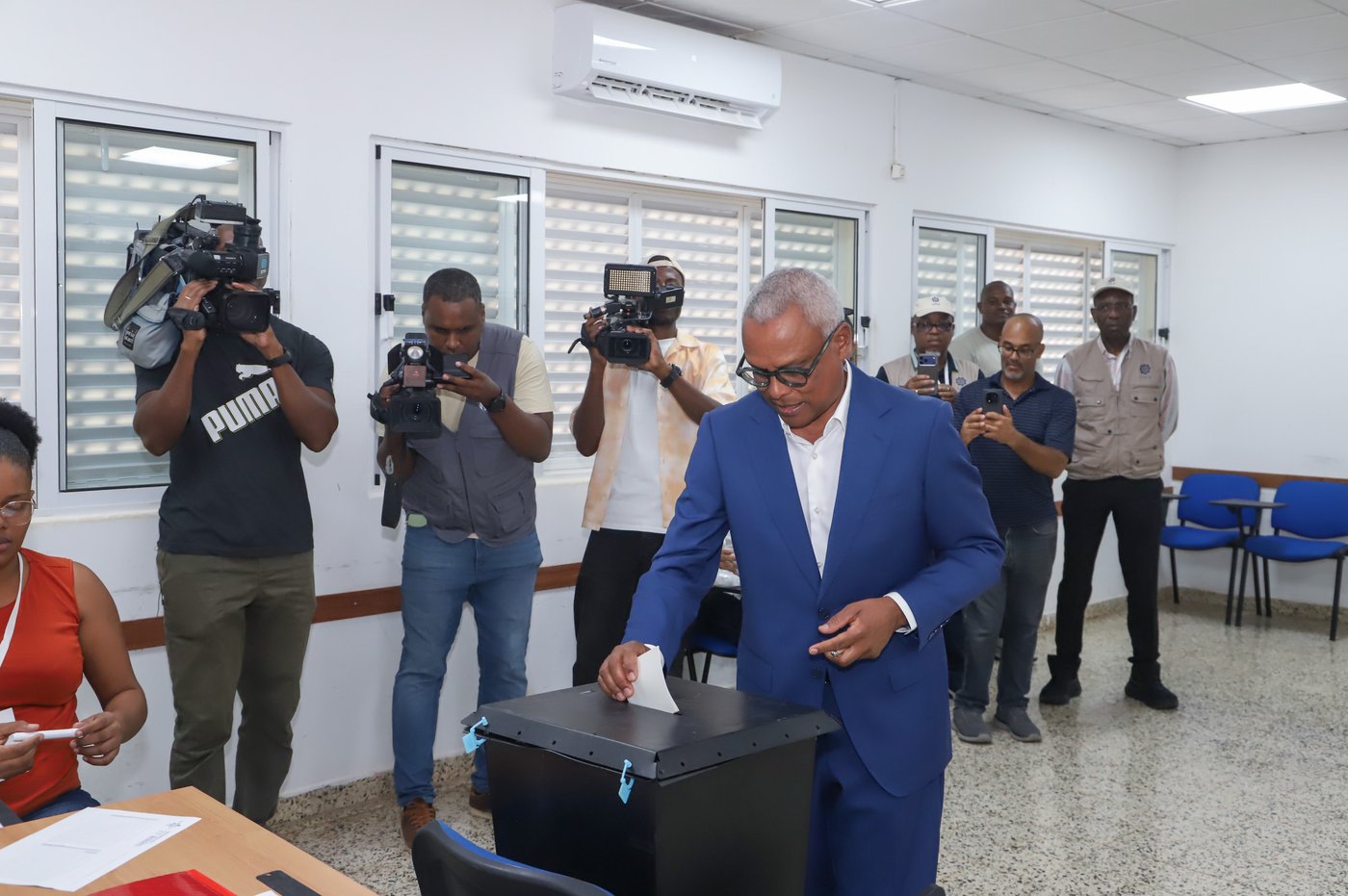
PRAIA, Cape Verde (AP) — Cape Verde ’s president, José Maria Neves, has been re-elected for a second five-year term, beating five other challengers, including the first woman presidential candidate in the country’s history, provisional results show. Neves called his re-election as president of the Atlantic island nation off West Africa “a great victory.” The election had been dominated by issues of high unemployment and a high cost of living that had sparked emigration from the country.
Provisional results showed Neves had comfortably edged out his opponents, garnering 64% of the votes while Joana Rosa, the main opposition candidate, won only 31.4% of the votes.
Rosa called Neves to concede defeat.
The tiny country has a history of smooth transfer of power and is one of the most stable countries in a region fraught with tense elections.

“The president of the republic does not have a majority; the president of the republic belongs to everyone,” Neves said in his victory speech.
The election was characterized by a very low turnout. Of the 418,000 registered voters, only 31.7% cast a vote.
Neves said the low turnout could be explained by a high rate of emigration, internal mobility and outdated voter records. He promised that a study will be undertaken to look into the problem.
Under Cape Verde’s parliamentary system, the prime minister directs policy and holds most executive power. The directly elected president’s role is largely ceremonial, although the office can veto legislation.
News from © The Associated Press, . All rights reserved.
This material may not be published, broadcast, rewritten or redistributed.

This site is protected by reCAPTCHA and the Google Privacy Policy and Terms of Service apply.
Want to share your thoughts, add context, or connect with others in your community?
You must be logged in to post a comment.