Elevate your local knowledge
Sign up for the iNFOnews newsletter today!
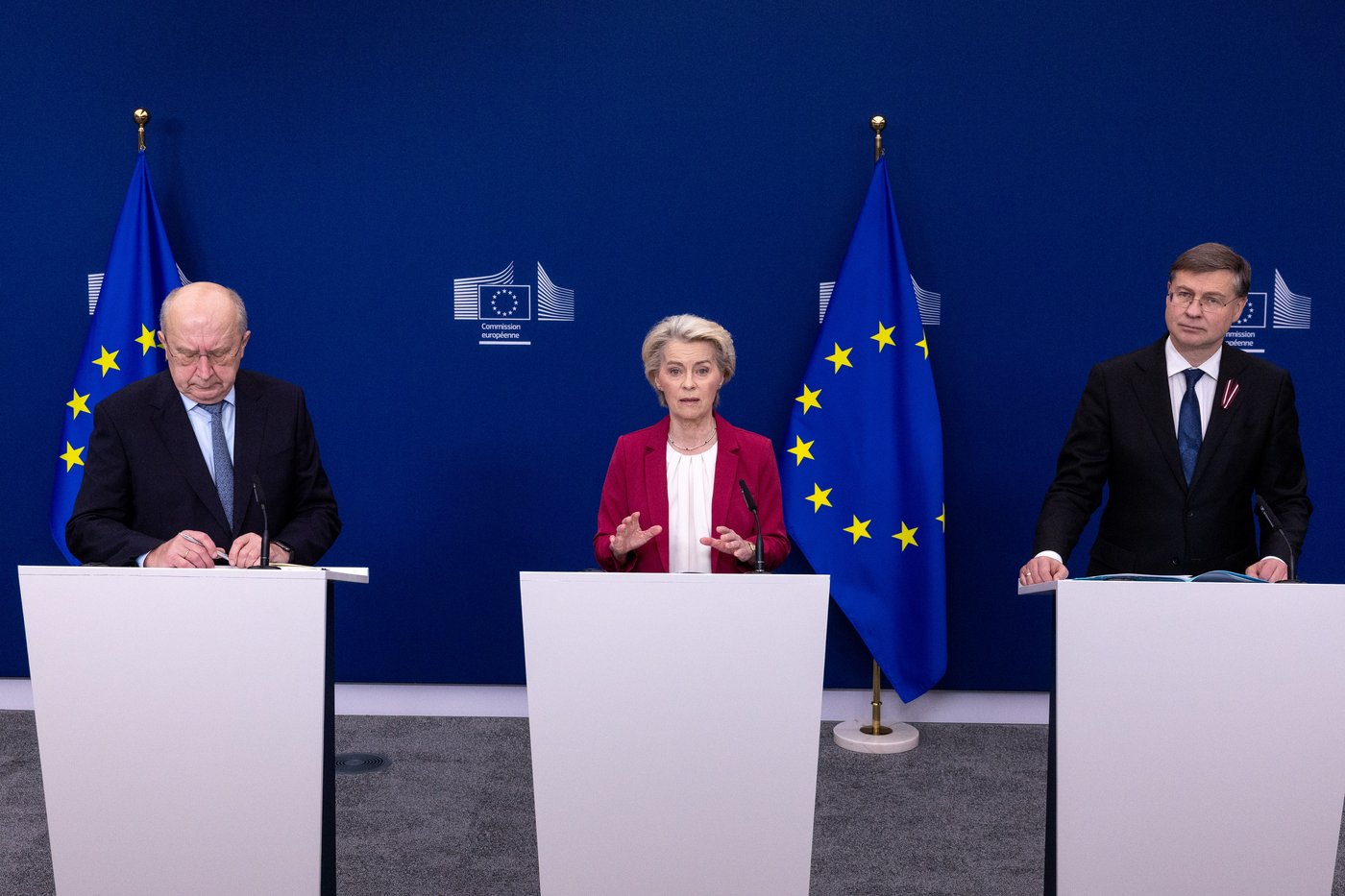
BRUSSELS (AP) — The European Commission announced Wednesday a plan to borrow another 45 billion euros ($49.4 billion) to support Ukraine’s economy and war effort in 2027, as the costs of five years of fighting mount.
Almost a year ago, European Union leaders endorsed an interest-free loan of 90 billion euros ($99 billion) to cover most of Ukraine’s military and economic needs for 2026 and 2027. But Russia’s intensified attacks on energy and civilian infrastructure, along with disruptions to Black Sea trade, are straining the country’s finances.
EU leaders had hoped countries outside the 27-nation bloc would also provide substantial loans, but those contributions have fallen short of expectations.
The commission now estimates that Ukraine will need 70 billion euros ($77 billion) next year. It plans to raise about two-thirds of that amount on capital markets, providing loans of 20 billion euros ($22 billion) for Kyiv’s economy and 25 billion euros ($27 billion) for its armed forces.
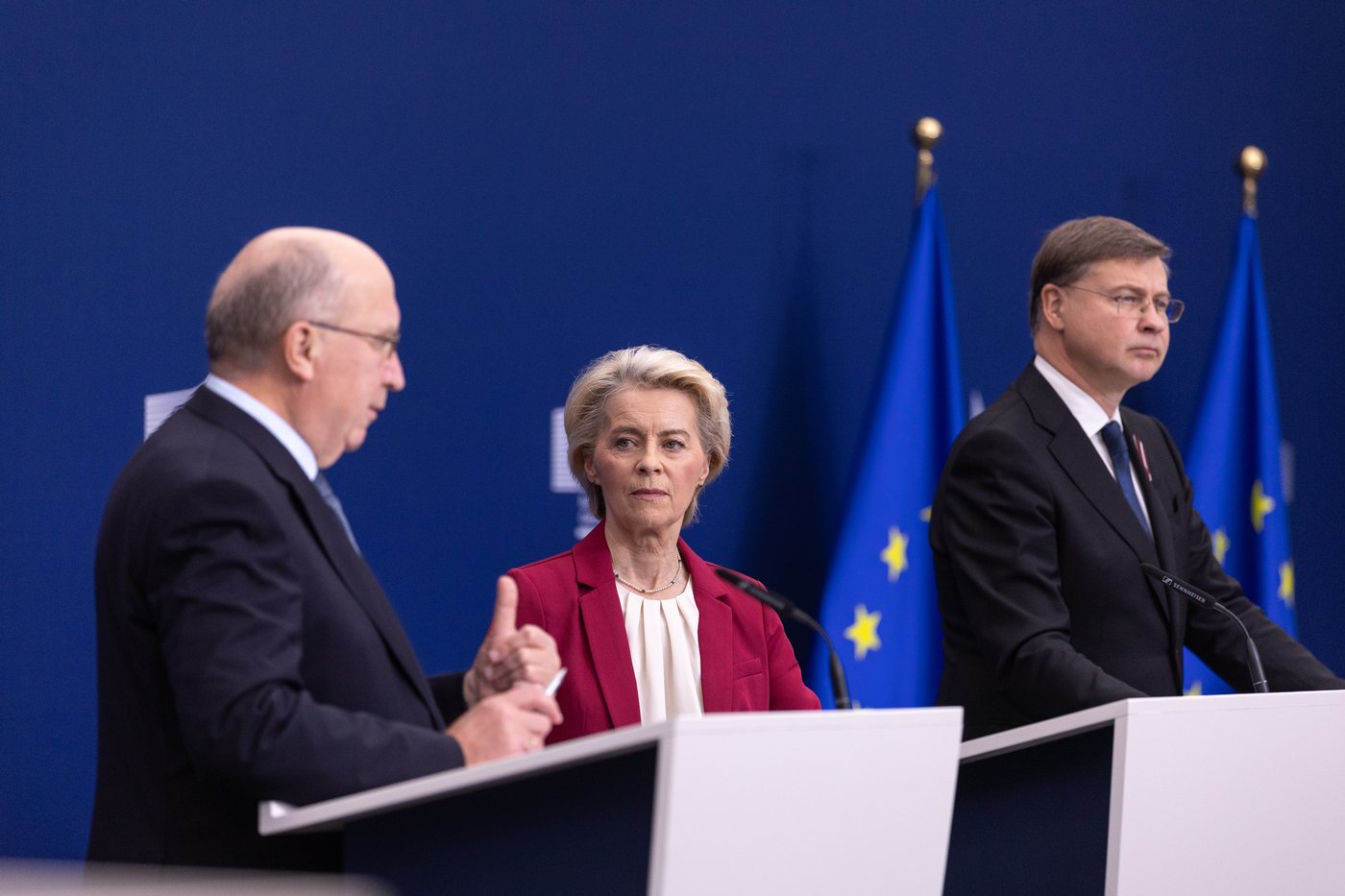
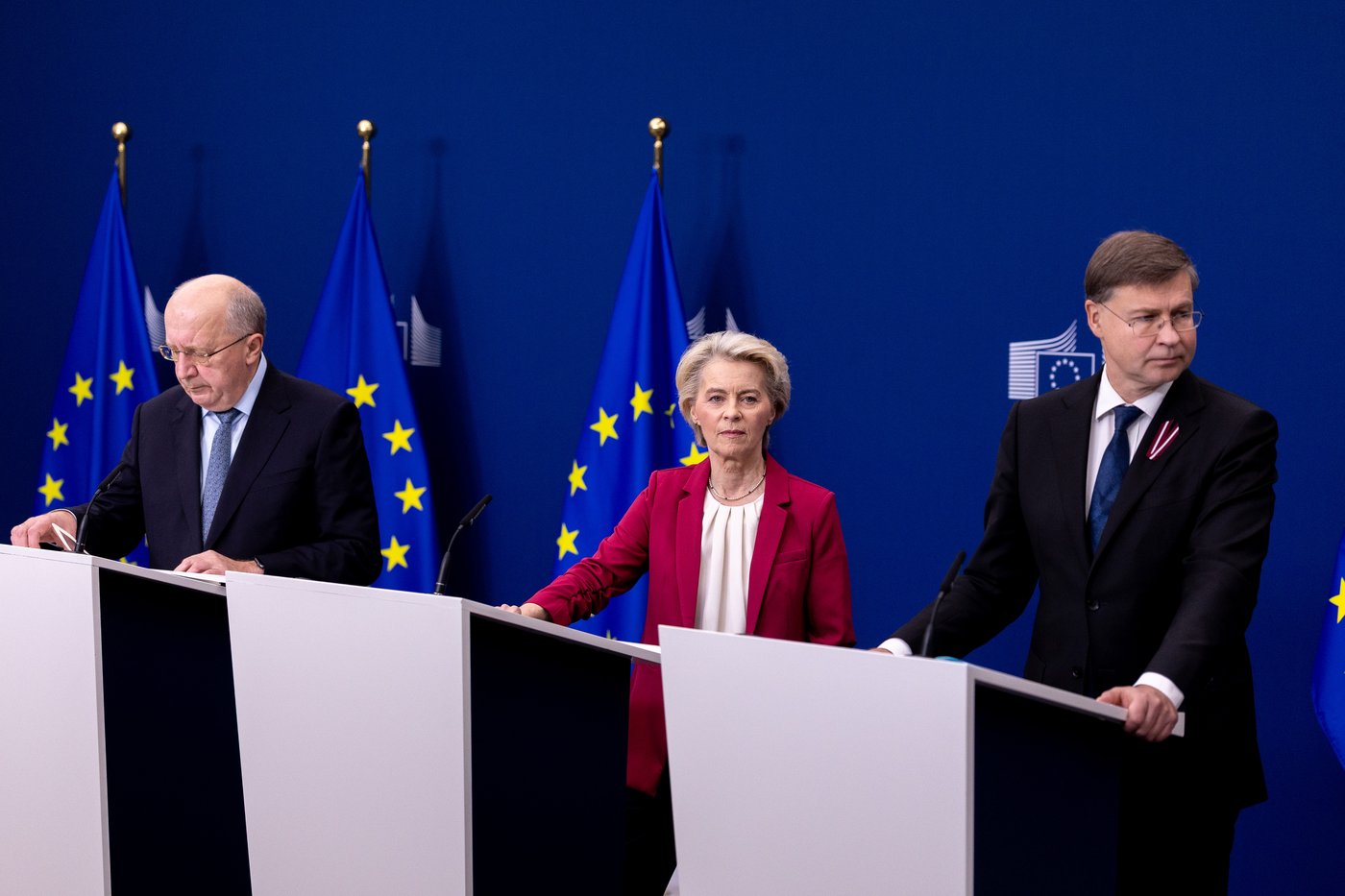
“We think this is the best way to give Ukraine a strong hand at the negotiating table,” European Commission President Ursula von der Leyen said.
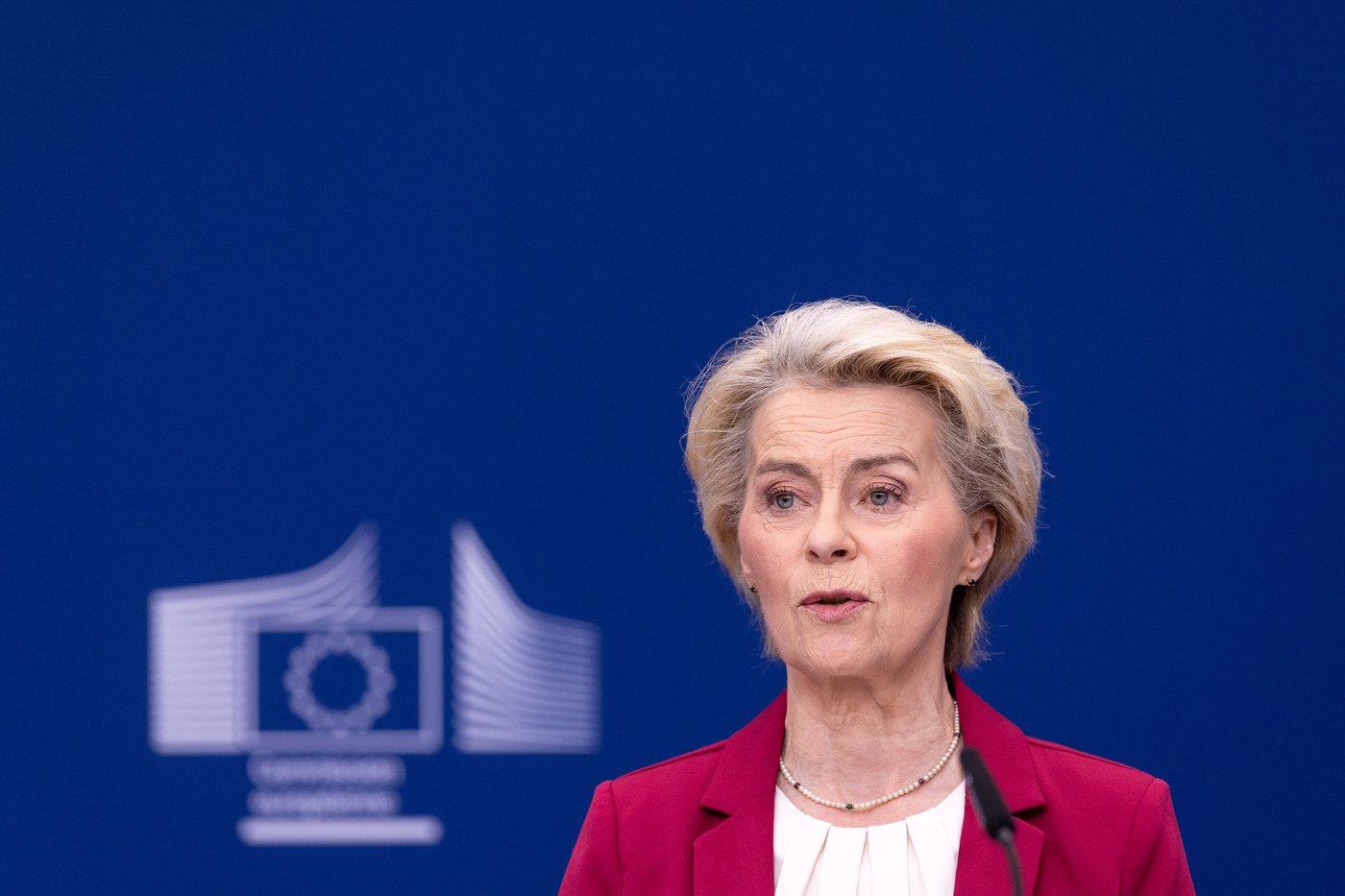
“The budget support will keep essential civilian services running, it will keep schools and hospitals operating, and the military support will give Ukraine the means to defend itself,” von der Leyen told reporters.
Profits from frozen Russian assets could be used
The commission plan would use the interest generated from Russian assets frozen under EU sanctions to help pay the loans. The vast majority of the assets — around 204 billion euros ($224 billion) at the end of September — are held in Euroclear, a Belgian financial clearing house.
Euroclear estimates that it has paid out about 8 billion euros ($9 billion) in windfall profits raised from the assets to the EU so far. Belgium has vetoed loaning the assets themselves to help Ukraine.
Again, countries outside the EU with a triple-A credit rating have been urged to make up the rest of the 70 billion euros ($77 billion). Australia, Canada, Liechtenstein, Norway and Switzerland are considered likely candidates.

Ukraine would only have to pay back the loans once Russia has paid hundreds of billions of euros in reparations for the destruction it has caused since launching its full-scale invasion in February 2022.
Some EU countries resist participating
European leaders broadly view Russia’s war as an existential threat and Ukraine as their first line of defense. But some countries refuse to provide military support. The Czech Republic, Hungary and Slovakia declined to participate in the previous loan and are threatening to do so again.
Von der Leyen said all 27 member states “say very clearly that they want to support Ukraine” and expressed confidence that all would come on board.
She acknowledged that some countries only “want to invest in civilian support; and this is possible, as this loan has two legs.” She said there would be “no problem to indirectly assign their commitments towards the civilian part.”
German Chancellor Friedrich Merz threatened to hold up agreement on the EU’s next long-term budget if there were no “collective commitment” made to Ukraine by all member countries, “without exception.”
“Supporting Ukraine is a matter of our indivisible European security, and so must be the burden sharing for that support,” Merz said in extracts of a letter seen by The Associated Press that he wrote to European Council President António Costa earlier this month.
Costa and many EU leaders want a plan for the 2028-2034 budget approved by the end of the year. The spending package also includes money for Ukraine. The leaders will discuss the budget and loan at a two-day summit in Brussels late next week.
___
Associated Press writer Geir Moulson in Berlin contributed to this report.
News from © The Associated Press, . All rights reserved.
This material may not be published, broadcast, rewritten or redistributed.

This site is protected by reCAPTCHA and the Google Privacy Policy and Terms of Service apply.
Want to share your thoughts, add context, or connect with others in your community?
You must be logged in to post a comment.