Elevate your local knowledge
Sign up for the iNFOnews newsletter today!
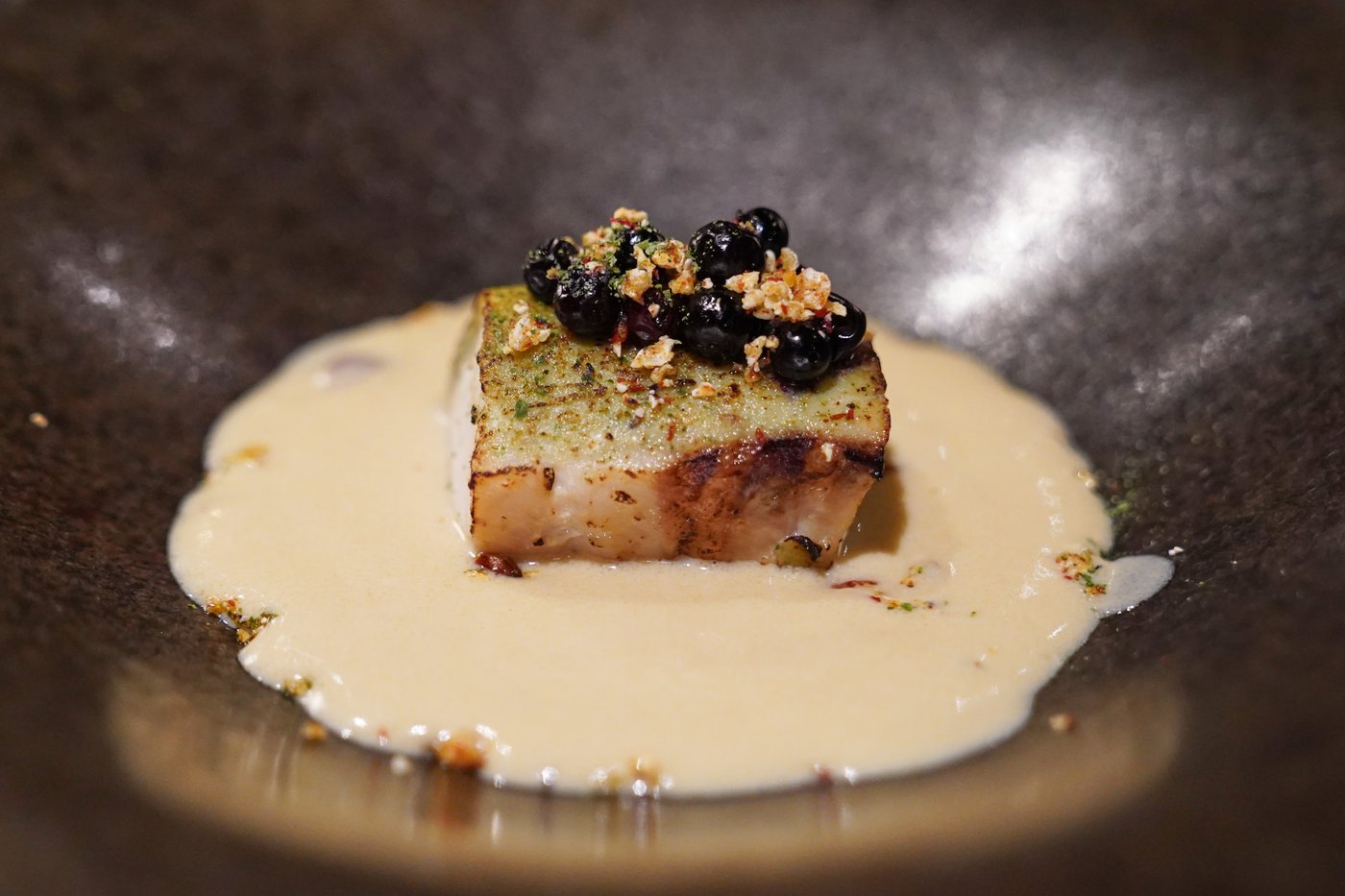
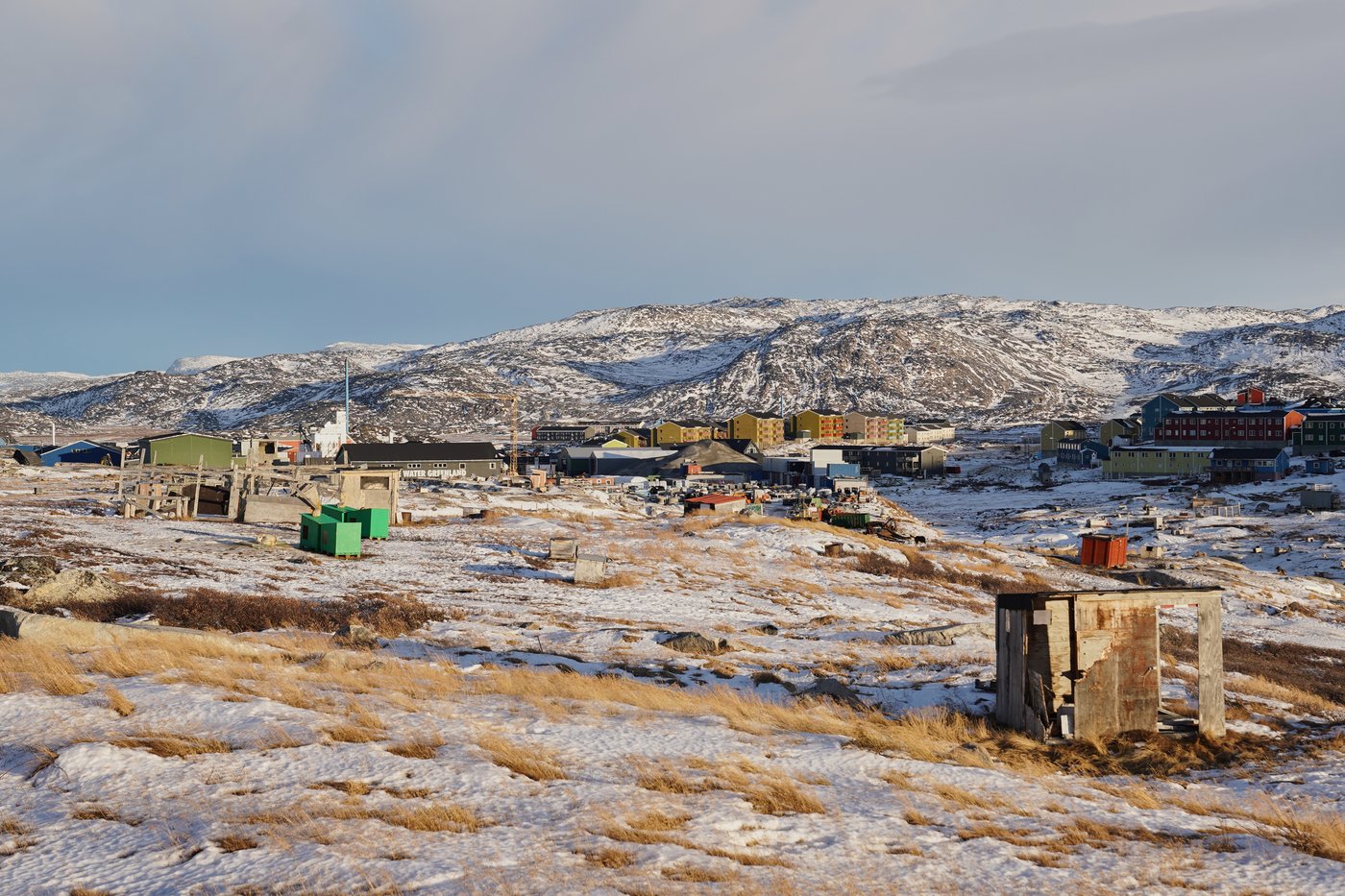
ILULISSAT, Greenland (AP) — Greenland, a vast Arctic territory of about 56,000 people, is perhaps better known for its icebergs, polar bears, rare minerals and geopolitical tensions than its cuisine.
But a new generation of chefs is working to change that, transforming traditional Inuit ingredients into modern fine-dining experiences.
Greenland’s food culture has long been rooted in hunting and fishing, with local ingredients ranging from ptarmigan, reindeer, musk ox and lamb to capelin, shrimp, snow crab, whale and halibut.
Restaurant Ulo opened two years ago in Hotel Arctic, believed to be the world’s northernmost four-star hotel, in Ilulissat, a town of 5,000 that sits about 300 kilometers (about 186 miles) north of the Arctic Circle.
The restaurant takes its name from the “ulo,” a traditional crescent-shaped knife used by women for hunting and food preparation.
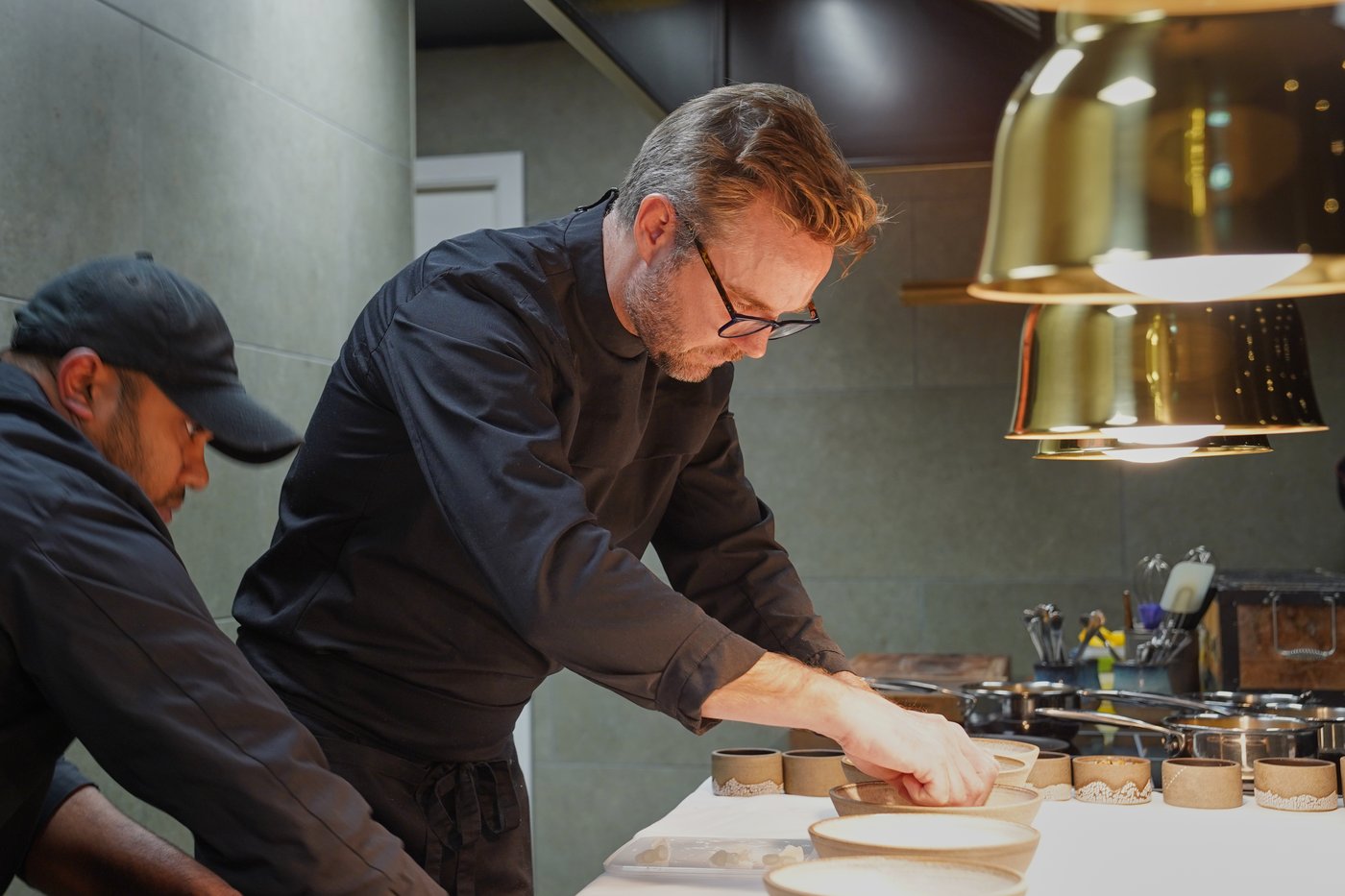
“There is no fine-dining culture here,” said executive chef Sudarshan Sundararaj. “We wanted to do the fine-dining culture here in a modern technique with modern cookery, gastronomy style with mainly Greenlandic items — so that was the challenging part.”
“It’s about creating something to reveal Greenland, to experience Greenland for whoever is coming for a visit,” said Sundararaj, who moved to Greenland from his native Sri Lanka six years ago.
Ulo’s 13-course meal puts local produce center stage and — like many things in far-off Greenland — comes at a steep price: 3,900 Danish kroner (about $570) per person with wine included.
Focusing on what makes Greenland special
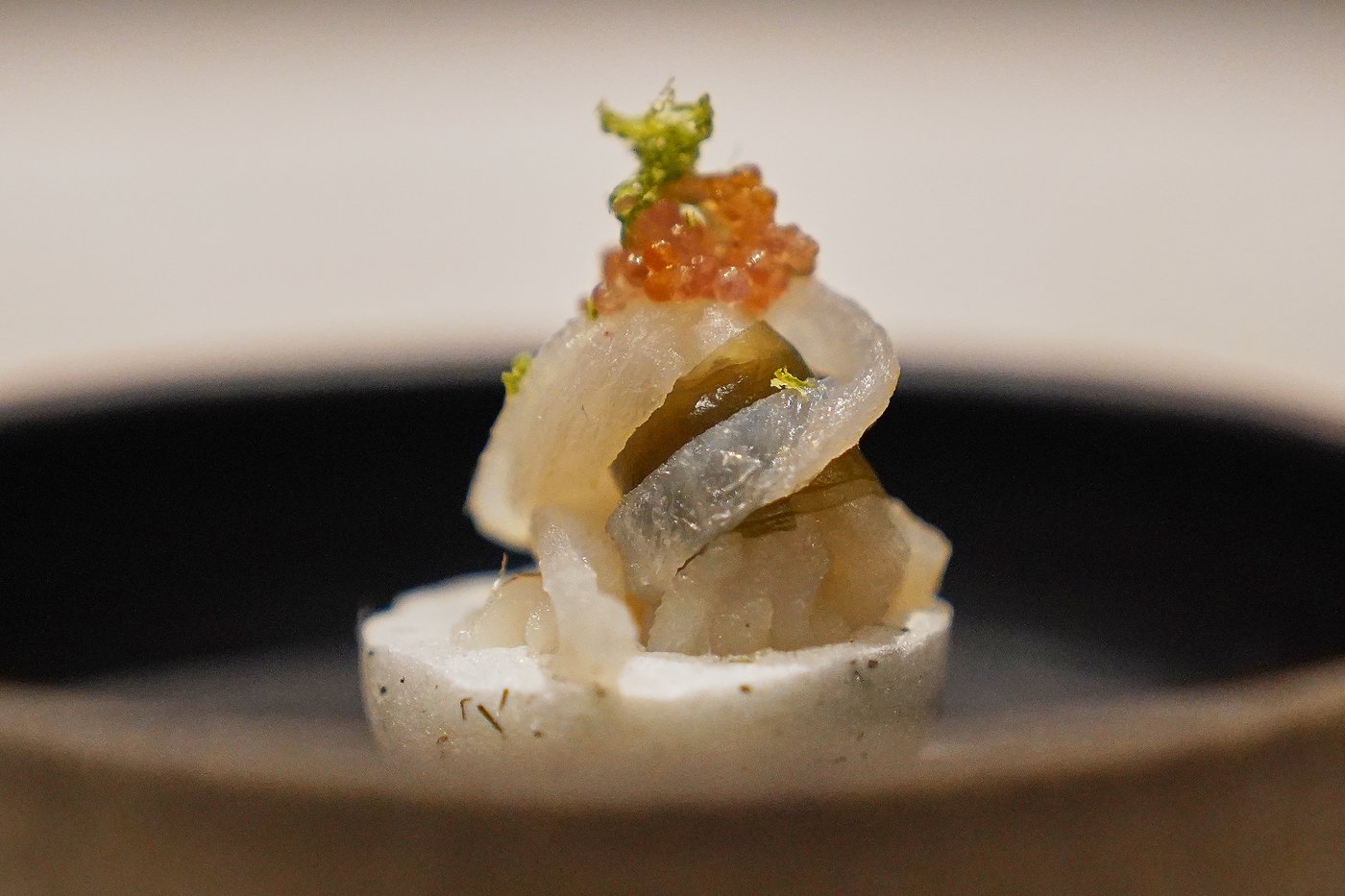
The fluffy starter dish known as “rekling” reimagines air-dried halibut as a delicacy distinct from the dried fish familiar to many Greenlanders.
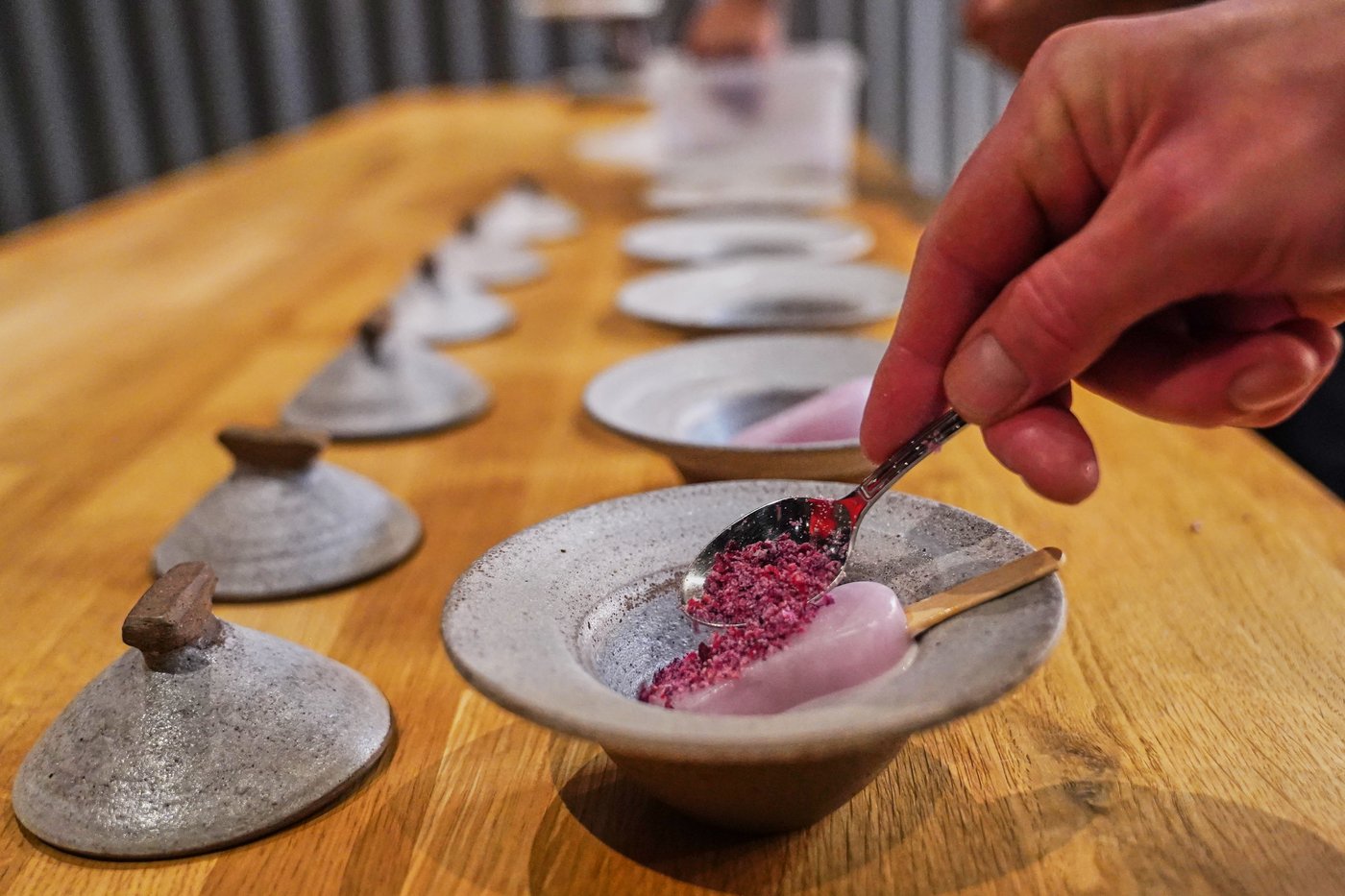
“We thought, ‘okay, what makes Greenland special?’” said Danish sous-chef Esben Staun-Olsen. “There are a lot of things that make Greenland special, but part of it is really, really good protein.”
Running a fine-dining restaurant on the edge of the world comes with unique challenges: Every year, Ilulissat is plunged into 44 days of polar night, fresh ingredients are difficult to grow, and frozen harbors can prevent supply boats from reaching town.

Most vegetables on Ulo’s menu are imported, and supplies are often unreliable because of the weather, said Sundararaj.
Other upscale restaurants are beginning to appear across the Arctic territory.
Restaurant Sarfalik, in the high-rise Hotel Hans Egede in the capital, Nuuk, offers a changing menu of freshly-caught fish with views of the fjord and nearby mountains.
In the southern town of Qaqortoq, newly-opened bistro Tamassa serves reindeer steak, lamb chops and traditional Greenlandic soup.
A ‘kaffemik’ tradition in the homes of locals
Ulo’s chefs believe fine dining doesn’t require imported luxuries like caviar or truffles. But understanding Greenlandic food culture means going beyond restaurant kitchens and into people’s homes.
At its heart is “kaffemik” — which roughly translates as “with coffee” in Greenlandic — a traditional social gathering centered around coffee, food and community that’s often an all-day affair, bringing people together to celebrate a new baby, a birthday or other special occasion.
For Greenlander Kathrine Johansen, it’s more than just a gathering; it’s a treasured tradition.
“It means a lot to me, because I grew up in a big family where we had a lot of kaffemiks,” she says. “That is our way of living with those traditions.”
One delicacy on the menu is mattak, a traditional Inuit dish made from raw whale skin and blubber.
“It’s a tradition in many years that we have been eating this kind of food. I really like it,” says 24-year-old tour guide Niklas Johansen, savoring the small cubes of raw whale at Johansen’s home. “I usually eat it this way, when it’s fresh.”
News from © The Associated Press, . All rights reserved.
This material may not be published, broadcast, rewritten or redistributed.

This site is protected by reCAPTCHA and the Google Privacy Policy and Terms of Service apply.
Want to share your thoughts, add context, or connect with others in your community?
You must be logged in to post a comment.