Elevate your local knowledge
Sign up for the iNFOnews newsletter today!
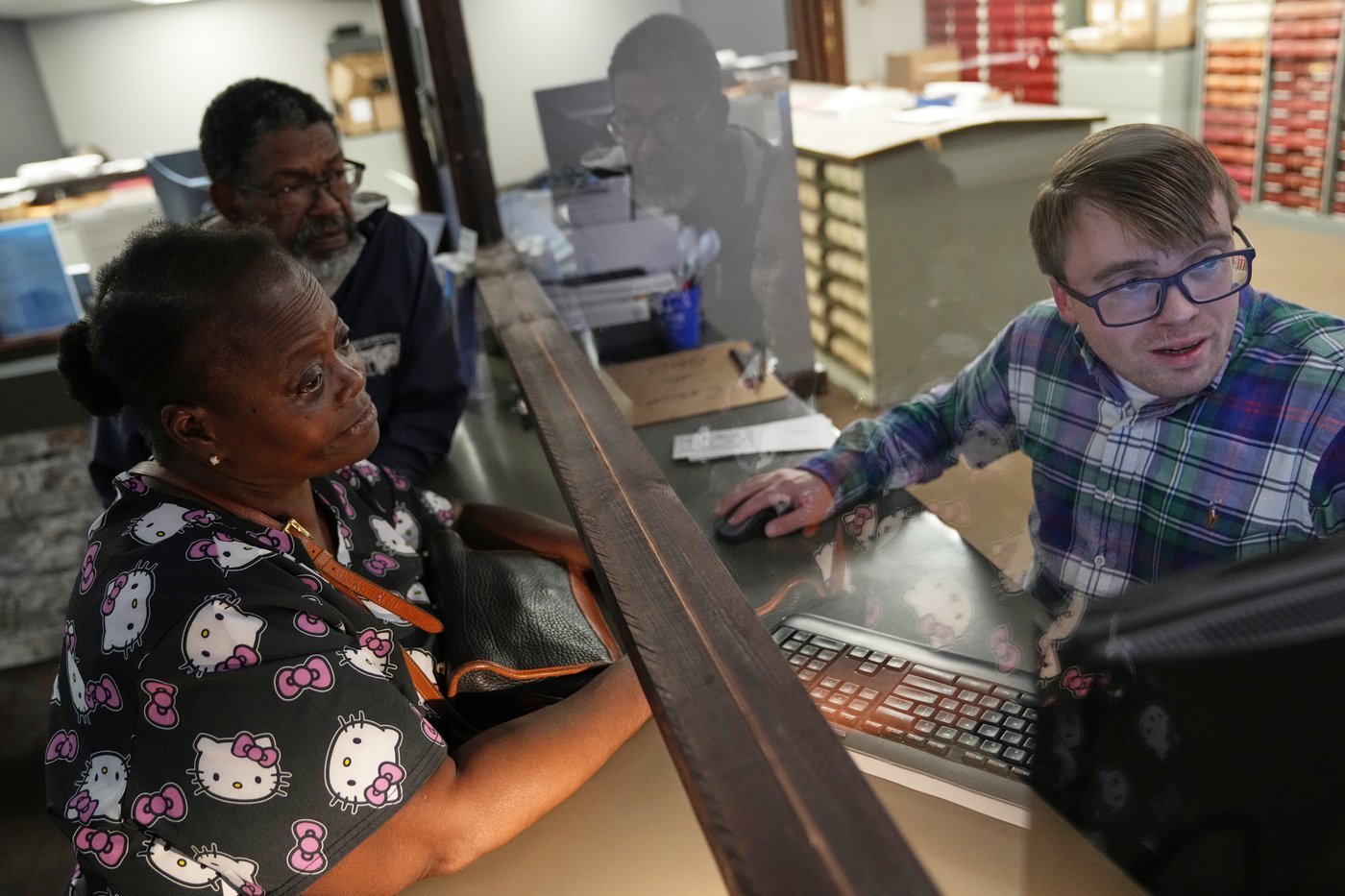
JACKSON, Miss. (AP) — Democratic lawmakers in Mississippi are calling for an investigation after a spike in the number of people listed as inactive on voter rolls ahead of this year’s midterm elections — an increase of nearly 60,000 since the presidential election two years ago.
The shift apparently was caused by the integration of data from a major credit reporting agency into the voter roll maintenance process. It came before a historic election for Democrats, who unseated one of the Deep South state’s Republican senators. They want an investigation and legislation to ensure that eligible voters are not mistakenly moved to inactive status, especially as they try to maintain their political momentum ahead of next year’s race for governor.
The Mississippi Legislative Black Caucus has scheduled a news conference Thursday to discuss its demand for legislative oversight committees to investigate how credit reporting data was used to examine voter rolls ahead of the November midterms.
“We need answers to give to our constituents, because the question is still out there: Did my vote count?” said Democratic state Rep. Kabir Karriem, the chair of the caucus. “It was disenfranchisement called by another name.”
Democrats are pressing the issue as they are hoping to build on Democrat Scott Colom’s win in the race for U.S. Senate over Republican incumbent Cindy Hyde-Smith. In addition to the race for governor, Mississippi will hold elections next year for other statewide offices, the legislature and state supreme court. Gov. Tate Reeves, who will be termed out of office, won his 2023 reelection bid by just three percentage points.

Mississippi added Experian data for verifying addresses
Mississippi for years had primarily relied on Postal Service change of address data to maintain its voter rolls. In 2025, Republican Secretary of State Michael Watson announced a partnership with Experian, one of the country’s three major credit reporting agencies, that was intended to “strengthen the integrity” of the state’s elections.
Under the agreement, county elections officials were given access to credit and Social Security data. They were to use that in addition to Postal Service data to verify voters’ addresses.
Mississippi law requires election officials to move voters whose addresses are questioned in the vetting process to inactive status at the same time they mail them a confirmation card, which voters can use to reestablish their active status. Other states do it differently: Policies in Delaware, Maryland, Oklahoma and Rhode Island generally allow voters time to respond to the notice before their status is changed to inactive, according to the MIT Election Data and Science Lab.
Mississippi’s process meant voters may not have known they had been switched to inactive until they showed up to vote, forcing them to cast a provisional ballot.
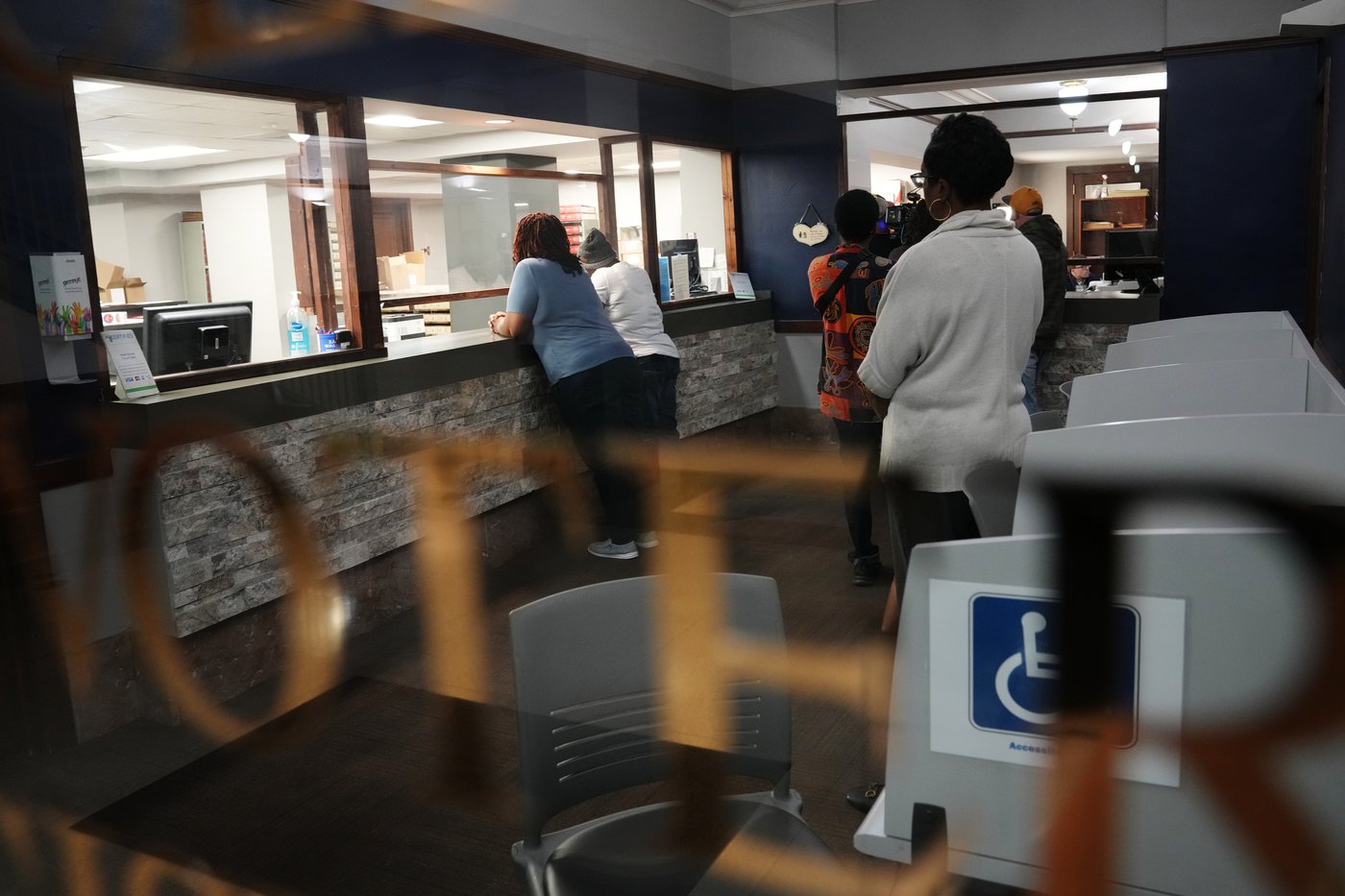
The number of Mississippi voters listed as “inactive” was 185,000 during the 2022 midterm elections and 171,000 during the presidential election two years ago, according to Associated Press data. Before this year’s election, over 230,000 people were marked as inactive, according to the secretary of state, after the Experian data was included in the verification process.
Colom won the race for Senate against Hyde-Smith by a fraction of that amount. Just over 8,000 votes separated the candidates with 99% of ballots counted.
State moves on from Experian
Elizabeth Jonson, a spokesperson for the secretary of state’s office, said the 230,000 figure was “accumulated over more than five years of maintenance by local officials” and that the state does not classify voters as inactive solely based on the Experian data.
The rise in the number of inactive voters this year was caused by integrating Experian data into the overall verification process, Watson said.

In a social media video, Watson said the state had started using data from a new vendor, Interactive Data, which draws on information for all three major credit bureaus, to maintain its voter rolls.
“I don’t apologize for cleaning voter rolls,” Watson said in an interview. “That is my job.”
Experian has not provided services to Mississippi since early 2025, said Scott Anderson, a spokesperson for the company.

“Decisions regarding voter registration policies, procedures and record updates are made solely by election officials in accordance with applicable local, state and federal laws,” he added.
Voters tagged as ‘inactive’ had to cast provisional ballots
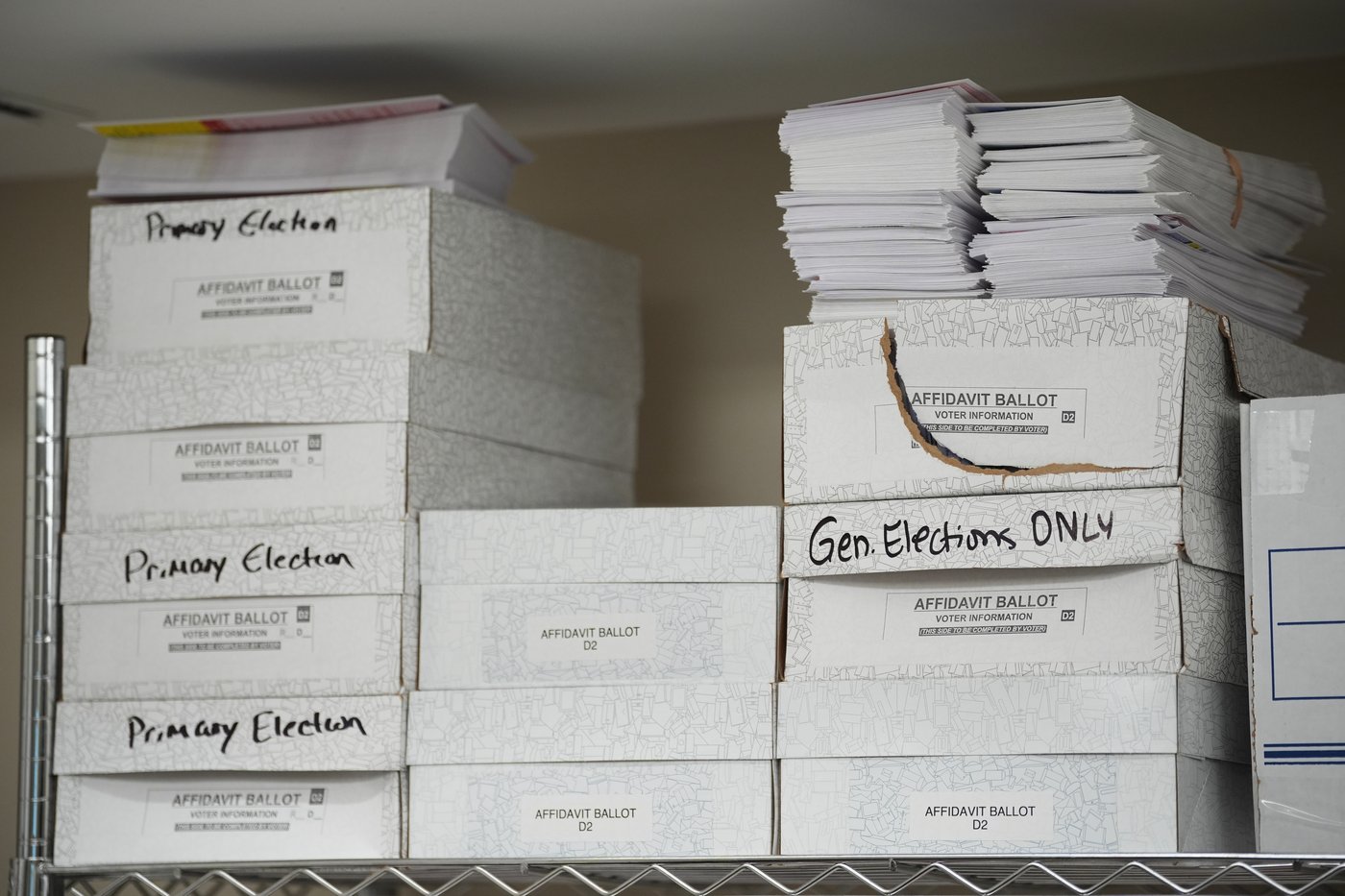
In another video posted to social media, Watson told voters that any “mistakes” made in the voter roll maintenance process could be corrected by casting a provisional ballot — called an affidavit ballot in Mississippi.
Those ballots are reviewed by county election commissioners, who approve or reject the ballots.
Jonson said 21,484 provisional ballots were cast in this year’s midterms, which she said was “nearly identical” to the 21,321 such ballots cast in 2024, a presidential election year in which turnout was higher.
Not all were accepted at the same rate, however. The secretary of state’s office said 75% of provisional ballots had been approved statewide for the November election. But Associated Press data shows that dropped to just 34% in Hinds County, which is majority Black and home to the state capital of Jackson. In the 2024 election, 60% of provisional ballots there were accepted.
It’s not clear whether the use of Experian data played a role in the drop in the acceptance rate.
Democratic lawmakers want answers and change
State Rep. Cheikh Taylor, the chair of Mississippi’s Democratic Party, said he intends to introduce legislation in the new year that would increase transparency in how the credit data is used to verify voter eligibility.
It also would give voters whose records are flagged an opportunity to confirm their identities before they are deactivated.
Taylor said he had not seen evidence that data from Interactive Data would be much different from Experian’s. He added that he hoped to get support from some of his Republican colleagues.
“This is not a partisan issue,” he said. “The right to vote and the freedom to vote belongs to us all.”
He noted the Legislature should move quickly, given Mississippi’s elections next year.
Republican state senator Jeremy England suggested that legislation to increase transparency in the use of credit data on voter lists could draw Republican support.
“I don’t think there was anything nefarious involved with it, but look, Mississippi also does have a dark past when it comes to elections,” England said. “It’s something we definitely need to look at more and make sure that we’re doing it in a better way, so that if someone’s registered to vote, you know, they’re not marked as inactive for a reason they shouldn’t be.”
___
Baker reported from Washington, D.C. Ryan Dubicki, James Bazinet and Tyler Meselsohn of The Associated Press Election Services team contributed to this report.
News from © The Associated Press, . All rights reserved.
This material may not be published, broadcast, rewritten or redistributed.

This site is protected by reCAPTCHA and the Google Privacy Policy and Terms of Service apply.
Want to share your thoughts, add context, or connect with others in your community?
You must be logged in to post a comment.