Elevate your local knowledge
Sign up for the iNFOnews newsletter today!
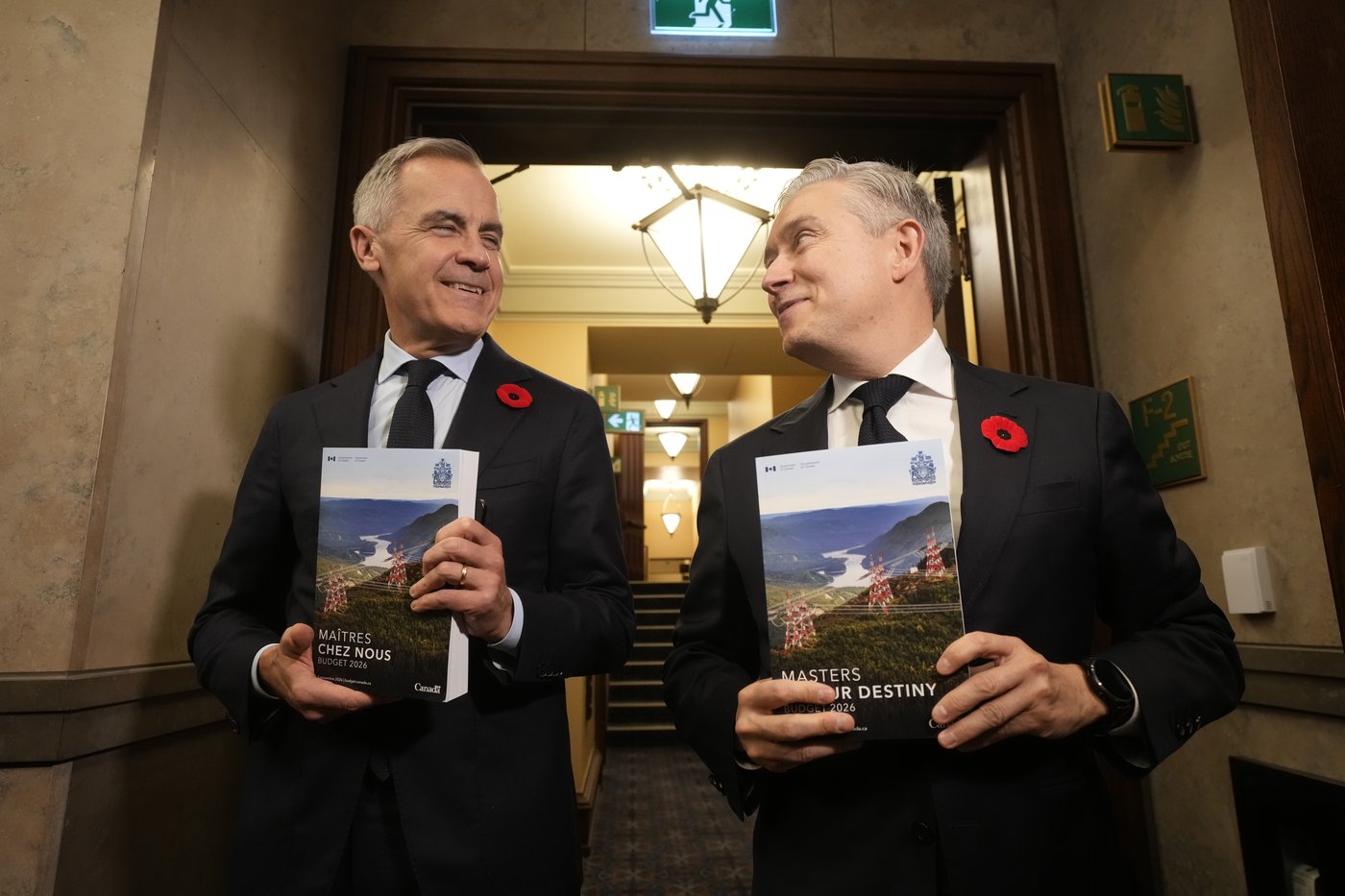
OTTAWA — The federal Liberals are expected to face a vote Thursday in the House of Commons on their 2026 budget.
The budget, tabled Nov. 5, proposes billions of dollars in new borrowing and tax measures largely aimed at stimulating infrastructure construction and other capital projects.
Last year’s budget vote was a tense affair, as the minority Liberal government of the day needed members of other parties to either back its agenda or abstain from the vote to pass the spending plan.
Then-Green Party Leader Elizabeth May offered the crucial vote that allowed Budget 2025 to pass, while two NDP and two Conservative MPs abstained or were absent.
Due to a series of byelections and floor-crossings over the last year, the Liberals now hold a majority of seats in the Commons. That means the government can pass much of its agenda without the support of other parties.
Conservative Leader Pierre Poilievre has railed against the scale of the proposed borrowing in the budget, while NDP Leader Avi Lewis argues the Liberals are catering to big business with their latest spending plan.
Finance Minister François-Philippe Champagne claims the budget meets an uncertain moment by leveraging Canada’s relatively strong fiscal position to invest in its future.
Measures like the $36-billion productivity mega-deduction are aimed at convincing businesses to invest more in their own machinery and boost worker productivity, while other budget proposals look to support Canada’s cultural sectors and eliminate homelessness.

Parliamentary Budget Officer Annette Ryan published a series of reports this week scrutinizing Budget 2026. She raised flags about the total amount of borrowing on the horizon but found the government is narrowly on track to maintain its fiscal anchors.
The budget’s title — “Maîtres Chez Nous,” or “Masters of our Destiny — borrows a phrase from Quebec’s Quiet Revolution, a period of rapid socio-economic change in the province.
Bloc Québécois Leader Yves-François Blanchet has criticized the Liberals’ use of the phrase, arguing the budget doesn’t give the province more control over its own affairs.
Even after a budget passes a vote, there are more hurdles to clear before its various proposals are enacted.
The government will go on to table one or more budget implementation acts — legislation that goes through its own committee studies, votes and possible amendments before passing into law.
The Liberals’ second budget implementation act for the 2025 budget wasn’t tabled until May of this year and is still working its way through Parliament. It includes provisions to deliver automatic federal benefits to low-income households and implement a framework for reporting cryptocurrency assets.
This report by The Canadian Press was first published Nov. 19, 2026.
News from © The Canadian Press, . All rights reserved.
This material may not be published, broadcast, rewritten or redistributed.

This site is protected by reCAPTCHA and the Google Privacy Policy and Terms of Service apply.
Want to share your thoughts, add context, or connect with others in your community?
You must be logged in to post a comment.