Elevate your local knowledge
Sign up for the iNFOnews newsletter today!
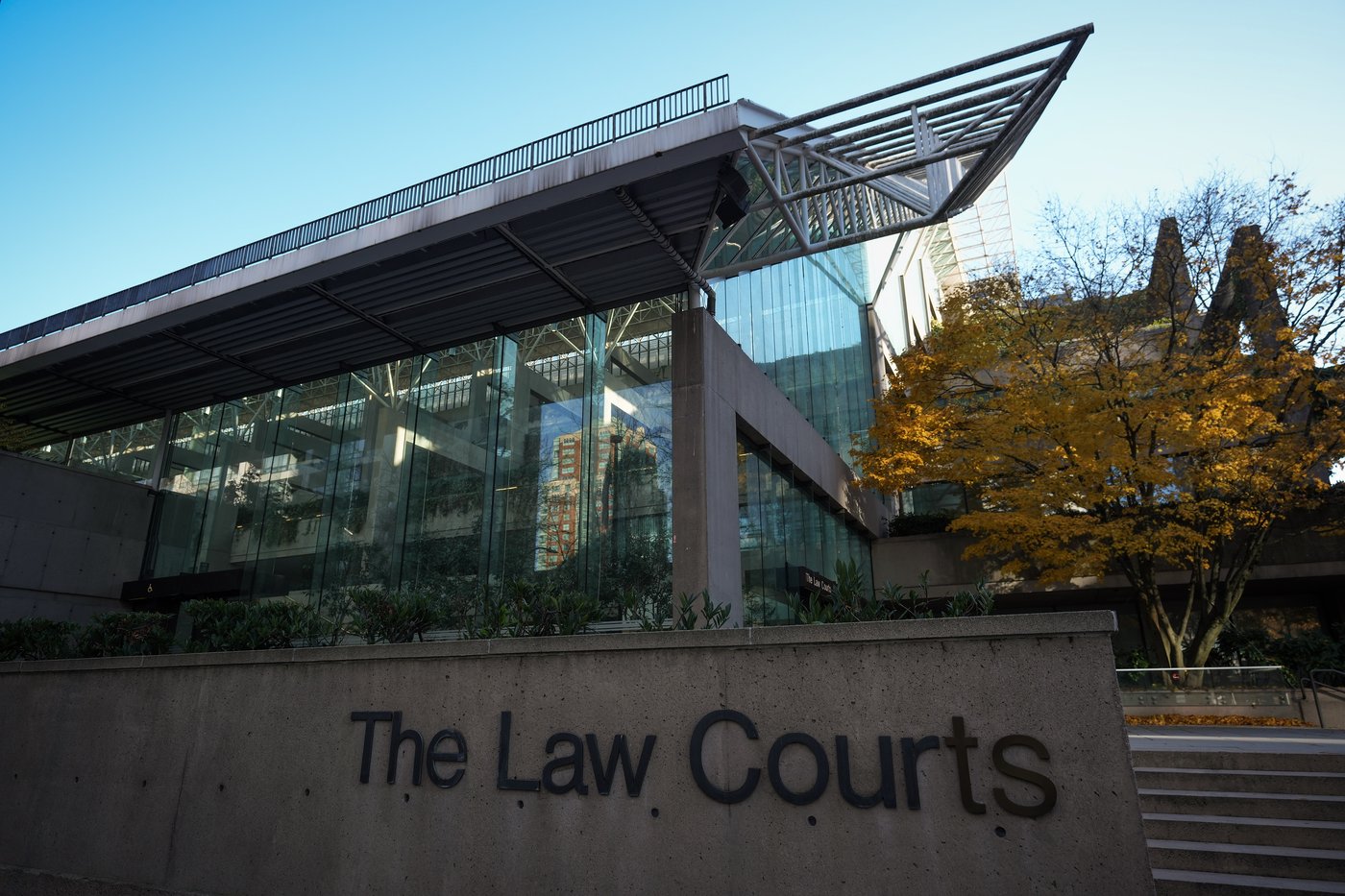
HAZELTON, BRITISH COLUMBIA — A British Columbia Supreme Court judge has ordered that a decision to label a mine in northwestern B.C. as “substantially started” be sent back to the provincial government and that it must have “deep consultation” with the territory’s First Nation.
The province’s assessment officer ruled in 2024 that Seabridge Gold’s KSM Project, a proposed copper, gold and silver mine 65 kilometres northwest of Stewart, B.C., had substantially started, meaning it had made enough progress to retain its environmental approval.
Justice Emily Burke originally ruled in June that the province had not satisfied its duty to consult with the Tsetsaut Skii km Lax Ha Nation regarding the substantial start decision, but both sides returned to her courtroom asking for clarity on how to interpret the ruling.
In the latest decision, Burke says the substantial start determination is quashed and that the province must give the nation 90 days’ notice to present written submissions addressing the question of whether the project was substantially started.
The nation says in a statement on Thursday that following the initial ruling in June, Seabridge issued a news release incorrectly announcing that the court found the substantial start determination reasonable.

Chief Darlene Simpson says the nation is not against responsible resource development but is concerned about a 52-storey-deep, nine-kilometre-long “toxic waste dump that uses a wet tailings approach” that has been found unsafe elsewhere.
“If the province grants the (substantial start determination) to this project, our nation will have to live with that looming disaster on our territory for hundreds of years, because that poison can’t be moved and is of great risk of breaching containment over time,” she says in a statement issued Thursday.
“With yesterday’s court decision, we hope the province finally understands it has to engage seriously with our concerns about such momentous effects on our territory.”
This report by The Canadian Press was first published Nov. 19, 2026
News from © The Canadian Press, . All rights reserved.
This material may not be published, broadcast, rewritten or redistributed.

This site is protected by reCAPTCHA and the Google Privacy Policy and Terms of Service apply.
Want to share your thoughts, add context, or connect with others in your community?
You must be logged in to post a comment.