Elevate your local knowledge
Sign up for the iNFOnews newsletter today!
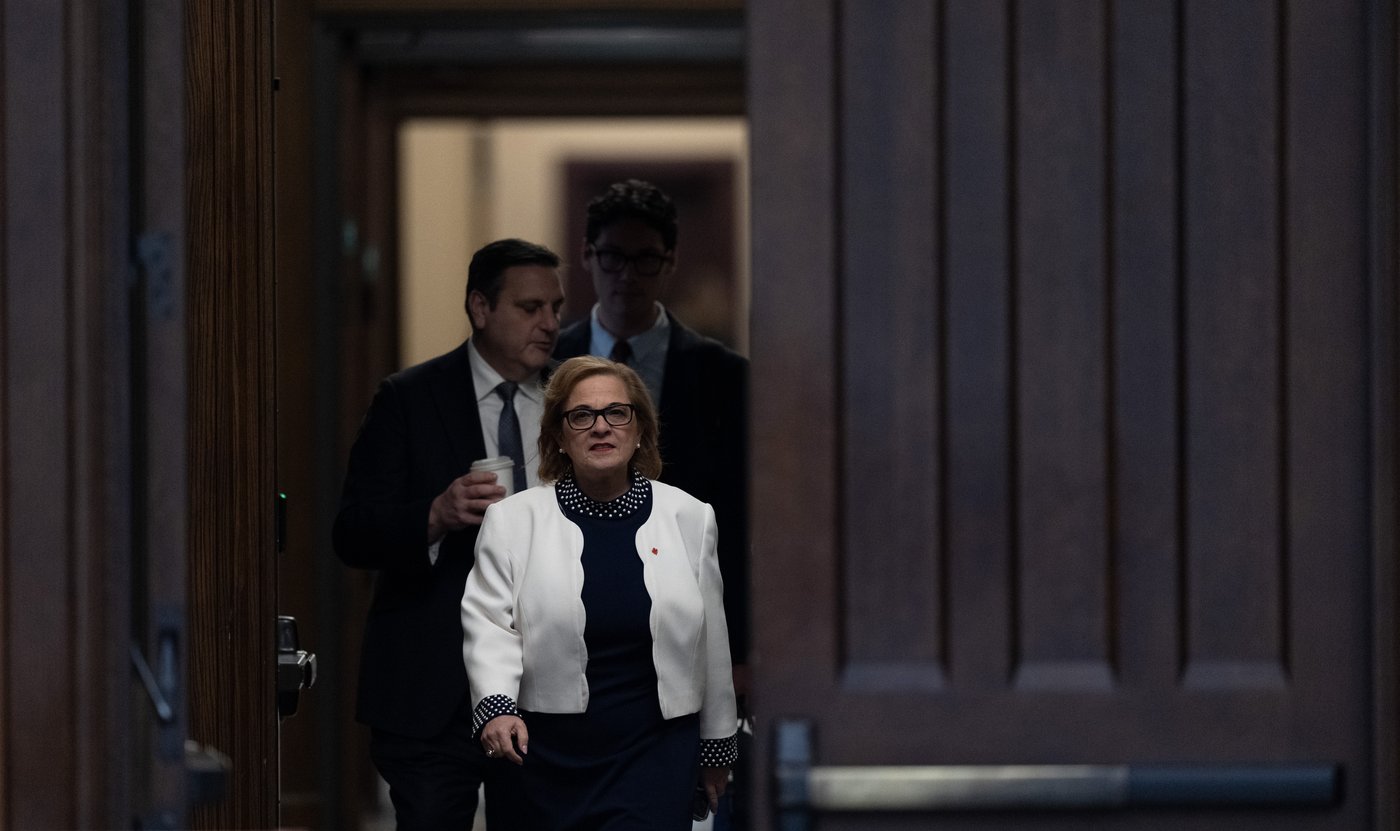
OTTAWA — Immigration Minister Lena Diab says temporary residents are expected to make up 5.5 per cent or less of the total population by the end of 2027 — higher than the government’s target of five per cent or less.
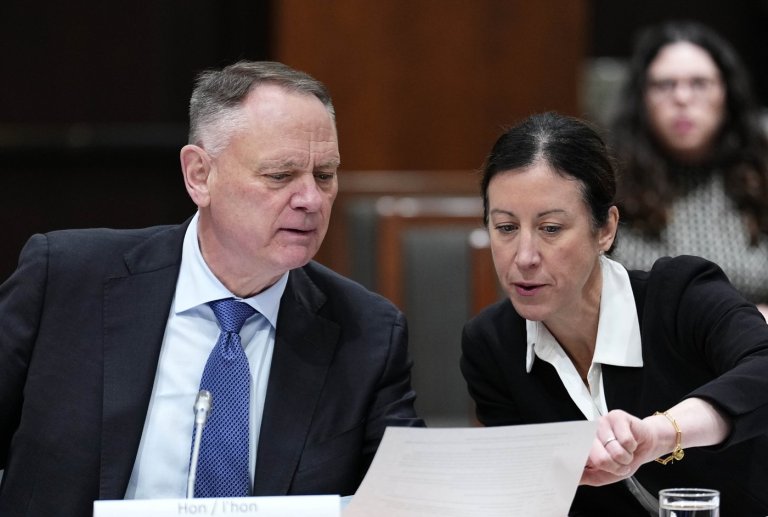
Deputy minister Ted Gallivan told the House of Commons immigration committee the number of temporary resident admissions is expected to be about 100,000 lower than the target in the levels plan — about 285,000 admissions, if 2026 trends continue through December.
Speaking after her Thursday testimony, Diab said the five per cent target remains in place and the department will continue to work toward that goal.
“We’ll hear more as the time goes because even on the student population, quite frankly, if you had asked us a year ago … we probably wouldn’t have thought that it really dropped significantly. And so has the temporary workers as well,” Diab said.
The Immigration Department has tracked about 83,000 international student arrivals between January and September 2026. About 145,000 foreign workers arrived in the same time frame — both figures were well below the targets in levels plan.
During questioning at the committee, Saskatchewan Conservative MP Brad Redekopp asked Diab for a current estimate of the temporary resident population.
The minister said she does not have an updated figure and the last Statistics Canada estimate of non-permanent residents found they accounted for 6.7 per cent of the population as of July 1, 2026.
The non-permanent resident population peaked on Oct. 1, 2024, at 7.4 per cent of the population, or more than three million people.
The immigration levels plan looks to bring in 370,000 temporary residents annually starting next year and through 2029. That cohort is to be split between 220,000 workers and 150,000 students.

The plan also looks to add about 662,000 new permanent residents through the regular target, a one-time plan to grant 200,000 longtime temporary residents permanent status, and a similar two-year plan that started last year and has about 82,000 open slots left.
Gallivan said the new one-time measure is possible in part because of lower-than-expected temporary resident admissions.
“We’re roughly one-third down on temporary admissions in 2026. That’s a pretty significant variance,” Gallivan told the committee.
“That’s part of why we’re going to keep people that are already here. So it’s a bit of a shift in terms of approach.”
The 200,000-person permanent residency measure is split in half between temporary workers and humanitarian and compassionate applicants.
Diab told the committee the provinces and territories will decide whether they make use of available temporary worker admissions.
After her committee testimony, she said provinces and territories will need to let the government know if they want to use the permanent residence spaces for workers soon, and put forward names by the end of March.
This report by The Canadian Press was first published Nov. 26, 2026.
News from © The Canadian Press, . All rights reserved.
This material may not be published, broadcast, rewritten or redistributed.

This site is protected by reCAPTCHA and the Google Privacy Policy and Terms of Service apply.
Want to share your thoughts, add context, or connect with others in your community?
You must be logged in to post a comment.