Elevate your local knowledge
Sign up for the iNFOnews newsletter today!
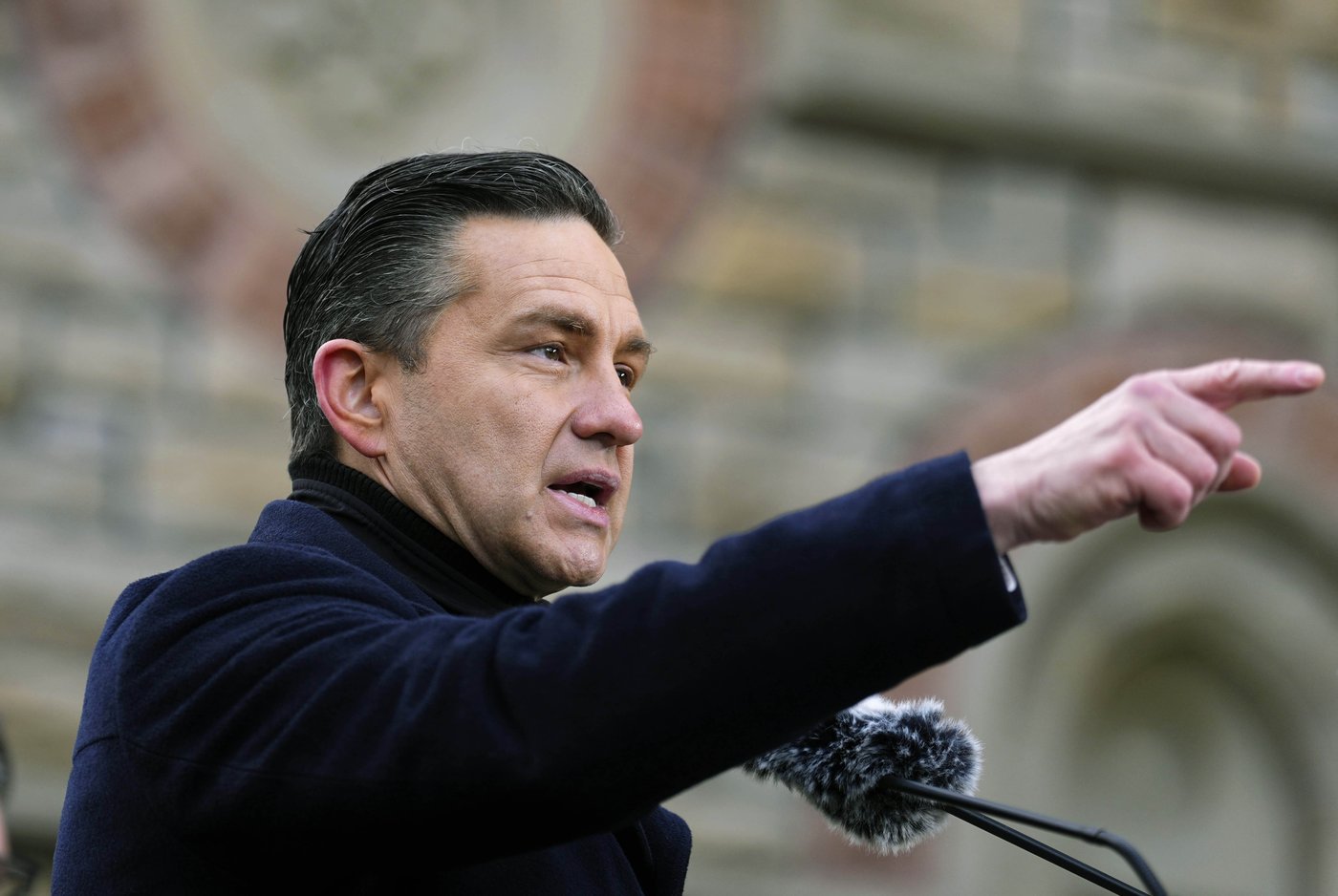
OTTAWA — Conservative Leader Pierre Poilievre is heading to Washington next week as trade talks between Canada and the United States continue.
Poilievre will be in the U.S. capital on Dec. 3 for a fireside chat at an International Democracy Union conference and to deliver a speech at the Canadian American Business Council.
A senior Conservative source, speaking to The Canadian Press on background, said Poilievre has given the Prime Minister’s Office a heads-up about his trip and has spoken with Ambassador to the U.S. Mark Wiseman, who offered to brief him before the visit.
Poilievre is open to having meetings with politicians in Washington but is waiting to co-ordinate with the Prime Minister’s Office, said the source, who added it’s unlikely the leader will meet with anyone from the Trump administration.
In a media statement, Poilievre said he’s going to Washington to make the case for tariff-free trade with the United States to protect Canadian jobs and bring down the cost of living.
“Tariffs hurt workers and families on both sides of the border. Canada and the United States are stronger and more prosperous when we trade freely and work together,” he said.
Poilievre said Canada’s greatest asset in the trade dispute is its friendship with the American people.
“My message in Washington remains the same, both countries stand to benefit from removing tariffs and restoring free trade,” said Poilievre. “Conservatives will continue to fight for tariff-free trade to save Canadians money and jobs.”
This will be Poilievre’s first visit to D.C. since he became party leader.
Poilievre was in Detroit last month to argue for tariff-free trade in the auto sector. He also has visited New York and Texas to advocate for tariff-free trade.
Conservative MP Jamil Jivani visited Washington twice earlier this year to discuss Canada-U.S. trade negotiations. Jivani counts U.S. Vice-President JD Vance among his close friends and has reportedly developed connections within the Trump administration.
Canada-U.S. Trade Minister Dominic LeBlanc said Wednesday that Ottawa expects trade talks to continue next week. He told reporters on Parliament Hill the government continues to seek a deal in Canada’s interests.
Trump’s trade war with Canada escalated rapidly after negotiations broke down in August. Washington and Ottawa accused each other of bringing eleventh-hour demands to the table.

Trump subsequently slammed some Canadian imports with 50 per cent duties and banned imports of others, including motorcycles and certain dairy products. The president also signed an executive order to rename Lake Ontario as Lake America.
Ottawa responded with retaliatory measures of its own.
Tensions have subsided somewhat in recent weeks and U.S. Trade Representative Jamieson Greer has said that Trump and Prime Minister Mark Carney have been in contact.
Canada was excluded from the proposed new tariffs on multiple countries announced by the Trump administration on Wednesday. Citing overcapacity in manufacturing, Trump used Section 301 of the Trade Act of 1974 to propose new duties on China, the European Union, Singapore, Switzerland and other nations.
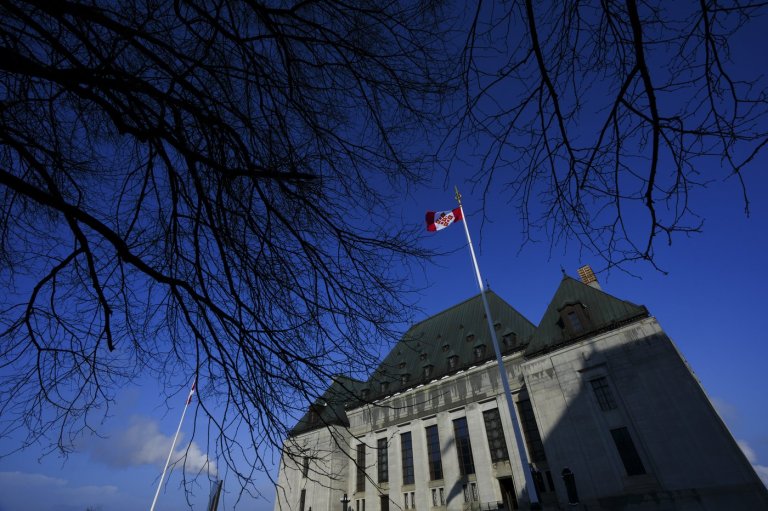
Observers say the administration is using Section 301 to rebuild Trump’s tariff wall after his favourite tariff tool was struck down by the U.S. Supreme Court earlier this year.
Trump initially used the International Emergency Economic Powers Act of 1977, also known as IEEPA, for his so-called “Liberation Day” duties and fentanyl-related tariffs on Canada, Mexico and China. Since the Supreme Court ruled IEEPA could not be used for tariffs, the Trump administration has used an array of different statutes to keep the levies in place.
Mexico and Canada are both being hit with separate 10 per cent tariffs under Section 301; the Trump administration has defended those tariffs by citing claims of forced labour in supply chains. Those tariffs do not apply to goods compliant under the Canada-U.S.-Mexico Agreement on trade, known as CUSMA.
The Trump administration chose not to renew CUSMA in July. That triggered an annual rolling review that could last for a decade, at which point it would expire if all three countries do not agree to an extension.
Ottawa and Mexico City are also navigating bilateral negotiations with Washington in hopes of lowering sectoral tariffs.
Greer has said he is hoping to present “arrangements” for Canada and Mexico to Trump by the end of the year. On Wednesday, he noted that Trump and Carney will have many opportunities to talk ahead of the G20 Leaders’ Summit in Miami next month.
This report by The Canadian Press was first published Nov. 27, 2026.
-With files from Kelly Geraldine Malone
News from © The Canadian Press, . All rights reserved.
This material may not be published, broadcast, rewritten or redistributed.

This site is protected by reCAPTCHA and the Google Privacy Policy and Terms of Service apply.
Want to share your thoughts, add context, or connect with others in your community?
You must be logged in to post a comment.