Elevate your local knowledge
Sign up for the iNFOnews newsletter today!
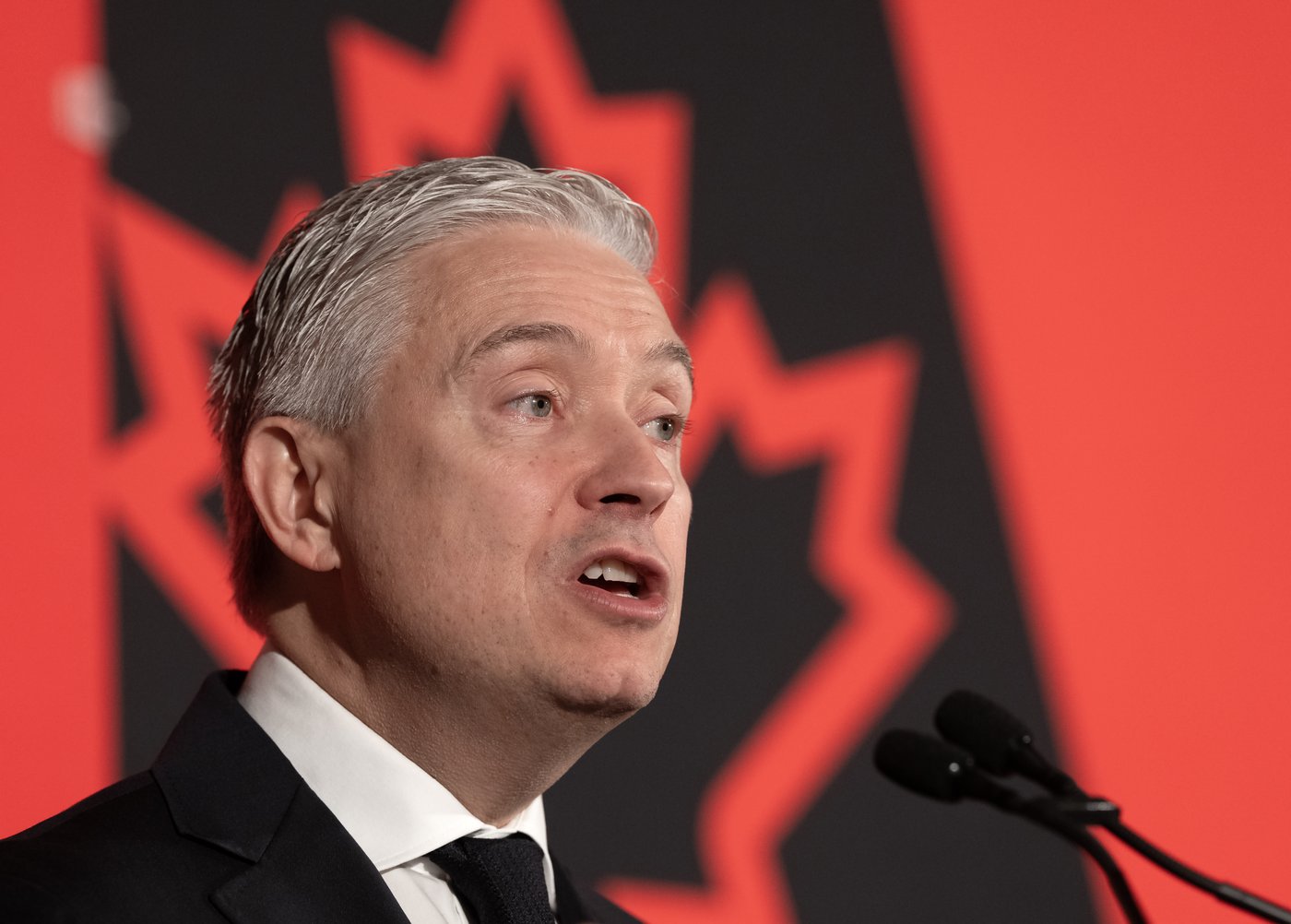
TORONTO — The federal budget to be tabled on Thursday will be about “changing Canada’s growth model,” Finance Minister Francois-Philippe Champagne said Monday.
Champagne provided business leaders a preview of the government’s fiscal plan in a breakfast speech at the Canadian Club Toronto.
The budget — the second to be delivered under Prime Minister Mark Carney — is expected to support the Liberal government’s push to reduce Canada’s reliance on the United States by building up the domestic economy.
In a fireside chat after Monday’s speech, Champagne was asked by CBC journalist Peter Armstrong how Ottawa’s spending plans might be affected by signs of renewed momentum on the U.S. trade file. The finance minister brushed off the question.
“It’s not about them,” he said. “This is about us, regaining our ability to build.”

Champagne said in his speech the government is focused on boosting productivity — which has lagged for years in many sectors of the economy — and unlocking private investment.
He also said Canadians will benefit from investments in economic growth in the form of higher incomes and more affordable goods and services.
Champagne acknowledged that one of the barriers to investment, particularly in Canada’s small business community, is the complexity of the tax code.
“We had a number of boutique things and things which might be difficult if you’re small and medium-sized businesses, unless you have a tax adviser to figure out what’s the best way forward,” he told Armstrong.

“I think you will see in this budget a journey to fixing a number of things, to make things more simple, to simplify the life of small and medium-sized businesses. And I think that on Thursday, those who represent small businesses will see themselves in that budget.”
The minister would not offer specific examples of what the federal government is proposing in Thursday’s budget. He did suggest Ottawa is considering more changes to the Scientific Research and Experimental Development program, which encourages firms to invest in themselves to develop innovative technologies.
One of the big-ticket measures accounted for in this upcoming budget is the productivity mega-deduction, which the government announced in September and has continued to highlight as a cornerstone of its investment policy. It’s estimated to cost $36 billion over five years.
That program allows businesses to immediately write off the full value of an eligible capital investment in its first year, rather than over the lifetime of its use. The government argues deferring tax payments in this way will encourage firms to invest more in technology and tools that can make workers more productive.
Champagne said the productivity mega-deduction isn’t just for large firms that want to break ground on pipelines and other nation-building projects. He said it’s a measure that could help a local café buy a new coffee machine, for example.
“It’s our government’s signal to Canadians to use their capital right here in Canada, to invest in new machinery and technology, to expand their enterprises and to support a Canadian economy that nurtures and develops more workers and innovators,” he said.
The minister did not answer directly when asked whether the upcoming budget will offer further details about a planned sovereign wealth fund or a proposal to open Canada’s airports up to private investment.
This report by The Canadian Press was first published Nov. 2, 2026.
— written by Craig Lord in Ottawa
News from © The Canadian Press, . All rights reserved.
This material may not be published, broadcast, rewritten or redistributed.

This site is protected by reCAPTCHA and the Google Privacy Policy and Terms of Service apply.
Want to share your thoughts, add context, or connect with others in your community?
You must be logged in to post a comment.