Elevate your local knowledge
Sign up for the iNFOnews newsletter today!
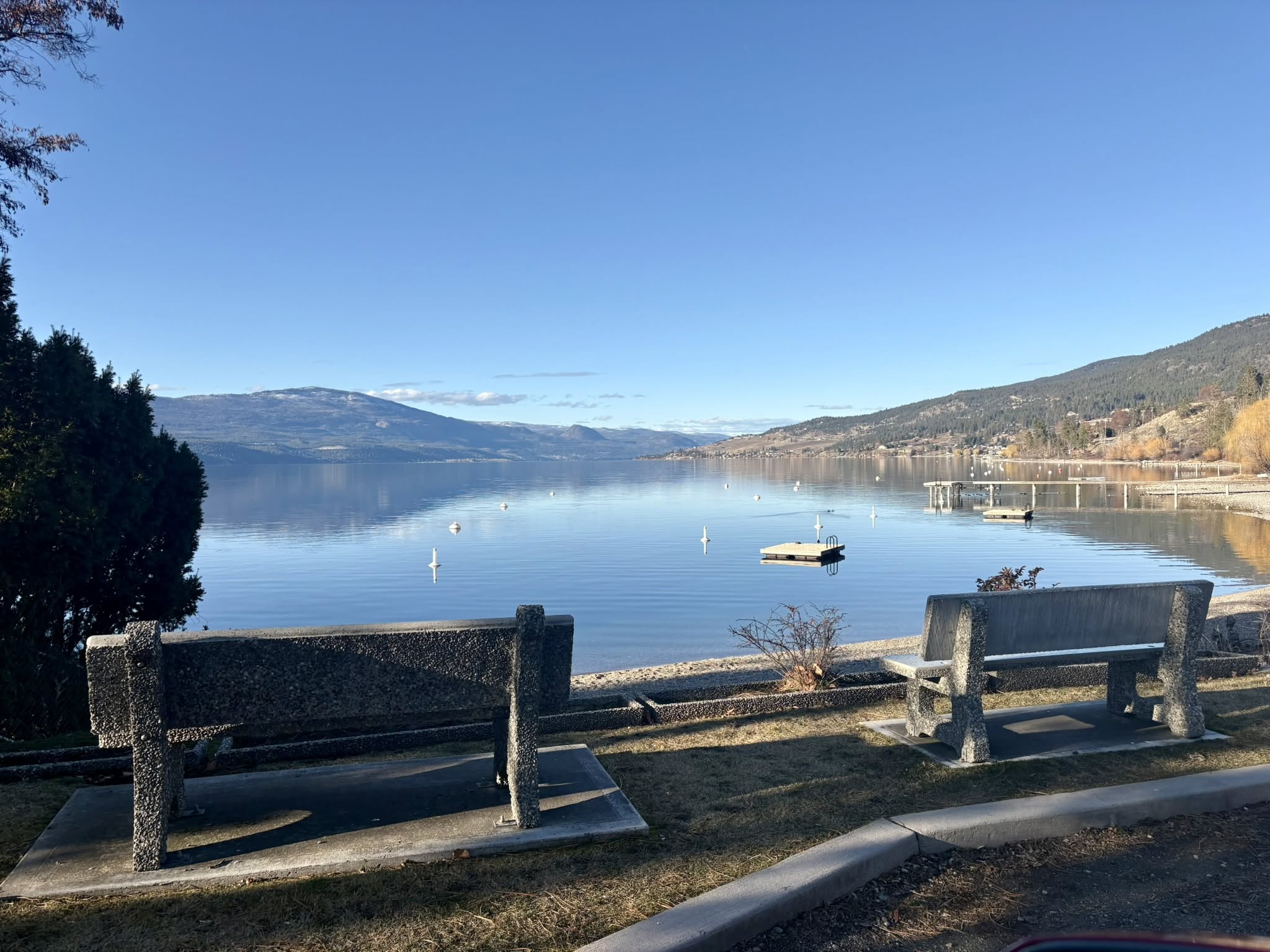
How low can it go? No, this isn’t a game of limbo, it’s a countdown to a serious problem with Okanagan Lake.
The lake is at a historic low for this time of year, 341.4 metres above sea level, and the minimum lake level the province has set is 339.75 m.
“We’re getting really close to sort of the minimum permitted drawdown that the province has set for itself,” Okanagan Basin Water Board’s senior director Dr. Nelson Jatel told iNFOnews.ca.
He said the lowest lake level on record is 341.25 m back in 1974.
Jatel said the lake can only go so low before water stops flowing south through the Penticton Dam, at that point it would “dead pool.”
A metre of depth might not seem like a lot, but when the lake is at 342.5 it’s at full pool. Lake levels dropping from 341.4 m to 339.75 m might sound like an imminent possibility, but Jatel said it would take another year or two of drought to get there.
“We wouldn’t anticipate that next year we could even approach that, but if we were to go into a sixth year of drought, which is possible, there could be a possibility where we could dead pool Okanagan Lake. There’d be zero water coming out of the Penticton Dam,” he said.
If Okanagan Lake stopped outflowing south it would cause tons of problems from environmental impacts to residential and agricultural water supply. Farmers in the North Okanagan were already facing difficult decisions this summer due to drought and the government had to find ways to increase the water supply.
Jatel said it isn’t a doomsday scenario, yet, but when scientists look at historical data there have been several 10-year droughts in the past.
“I don’t feel like we’re doom and gloom. I really do feel like there’s an opportunity for us to be able to proactively deal with Okanagan resilience, and there’s some consequence if we don’t.
This year was a little bit of a wake-up call and an opportunity for us to be able to trial run some of these much-needed infrastructure and environmental treatment,” he said.
The Penticton Dam was built in the 1950s and it’s nearing the end of its lifespan. Jatel said it needs to be replaced in the next decade.
“Engineers usually construct things for one in 300-year events or one in 500-year events, depending on how conservative they are. And we are starting to approach some of those high-end limits,” Jatel said.
Jatel said now is the time to start thinking about solutions to water supply problems.
“If there was ever a time for us to be able to have those difficult conversations about investments to make sure that those things are in place, I would argue this is the time,” he said.
News from © iNFOnews.ca, . All rights reserved.
This material may not be published, broadcast, rewritten or redistributed.

This site is protected by reCAPTCHA and the Google Privacy Policy and Terms of Service apply.
Want to share your thoughts, add context, or connect with others in your community?
You must be logged in to post a comment.