Elevate your local knowledge
Sign up for the iNFOnews newsletter today!
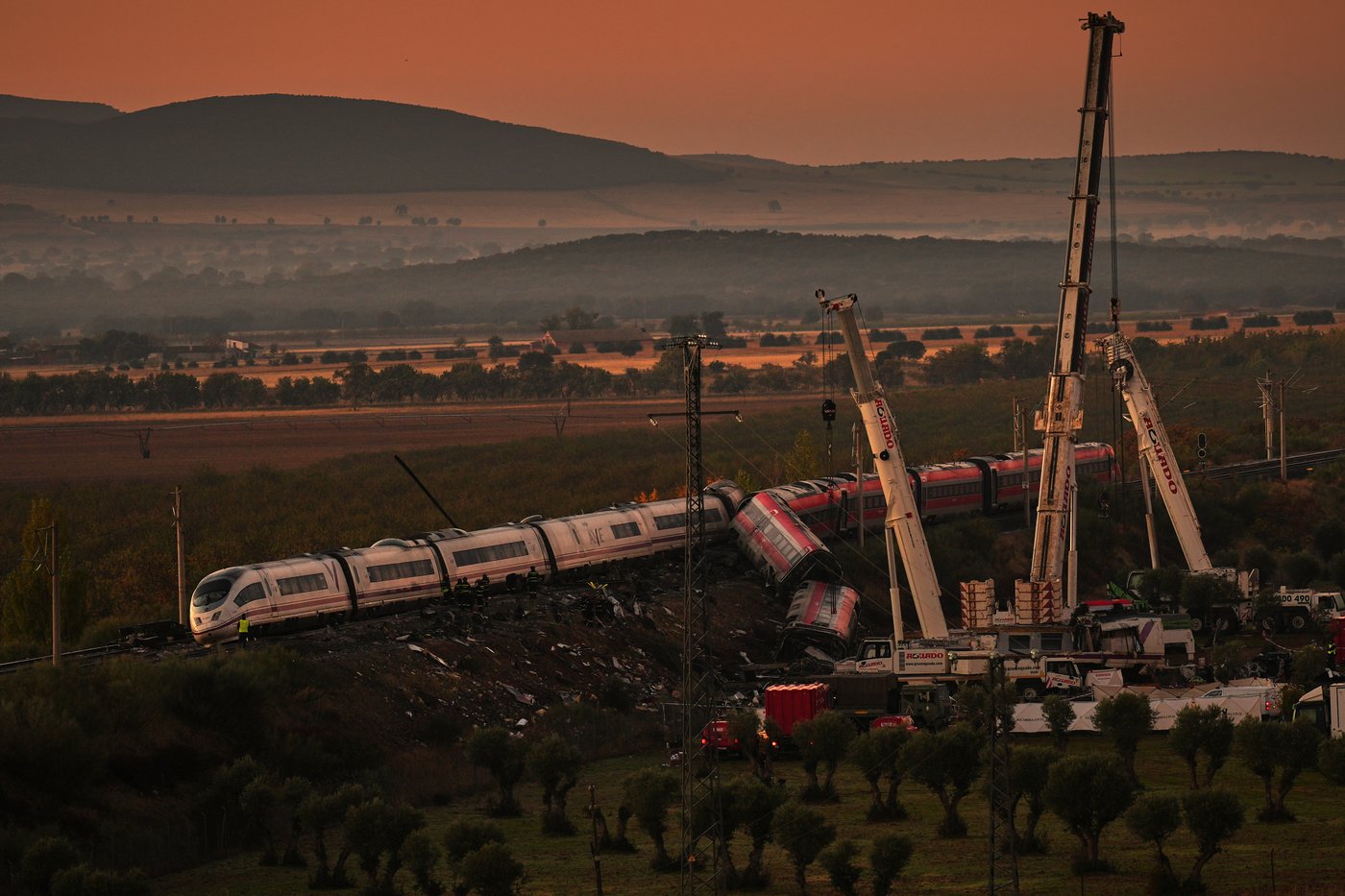
OTTAWA — Global Affairs Canada has confirmed one Canadian is among those killed in last week’s high-speed rail collision in Spain.
Sixty-nine people died when one train slammed into another train parked on the tracks on Oct. 28.
Spanish authorities issued a statement Sunday listing a Canadian among the 66 victims who have been identified, and Global Affairs Canada on Monday confirmed the report.
Global Affairs Canada last week said six Canadians were injured in the crash but did not provide an update on their status Monday.
“Canadian officials are providing consular assistance and are in contact with local authorities to gather more information. Due to privacy considerations, no further information can be disclosed,” Global Affairs Canada said in a statement.
Spanish officials say 54 of those killed were Spanish nationals, four were Americans and one victim each came from France, Japan, Argentina, Mexico, Portugal, Tunisia and the Czech Republic.
Authorities are working to identify three other bodies and three people are still reported missing — two Australians and one from Japan.
More than 100 people were treated for injuries.
Spain’s rail system operator ADIF said the crash occurred in the province of Toledo. It involved two high-speed trains carrying more than 500 passengers and heading in the same direction from the capital Madrid to Seville in southwestern Spain.

A train operated by the state-owned RENFE company struck the rear of another train operated by private company IRYO that was stopped. The collision derailed two carriages on the tail of the IRYO train and the front of the RENFE train.
Spain’s Transport Minister Oscar Puente said the crash was caused by what he called an “inexplicable” order from a central command centre for Spain’s trains after a security system had failed. He said the train engineers were not to blame.
Puente said the train never should have been told to start moving again, since there was still a “stop signal” active on that line, and that it should at least have been told to go at a reduced speed.
Until this year, there had been no fatal crash on Spain’s dedicated high-speed lines since the network opened in 1992. Now there have been two in just 10 months.
In January a high-speed train derailed, and a second train crashed into it, killing 46 people, and injuring 292 others.
Spanish Prime Minister Pedro Sánchez called for increased safety measures to restore confidence in a high-speed rail system that was once a source of national pride.
This report by The Canadian Press was first published Nov. 2, 2026.
— With files from The Associated Press.
News from © The Canadian Press, . All rights reserved.
This material may not be published, broadcast, rewritten or redistributed.

This site is protected by reCAPTCHA and the Google Privacy Policy and Terms of Service apply.
Want to share your thoughts, add context, or connect with others in your community?
You must be logged in to post a comment.