Elevate your local knowledge
Sign up for the iNFOnews newsletter today!
Elevate your local knowledge
Sign up for the iNFOnews newsletter today!
Select Region
Selecting your primary region ensures you get the stories that matter to you first.
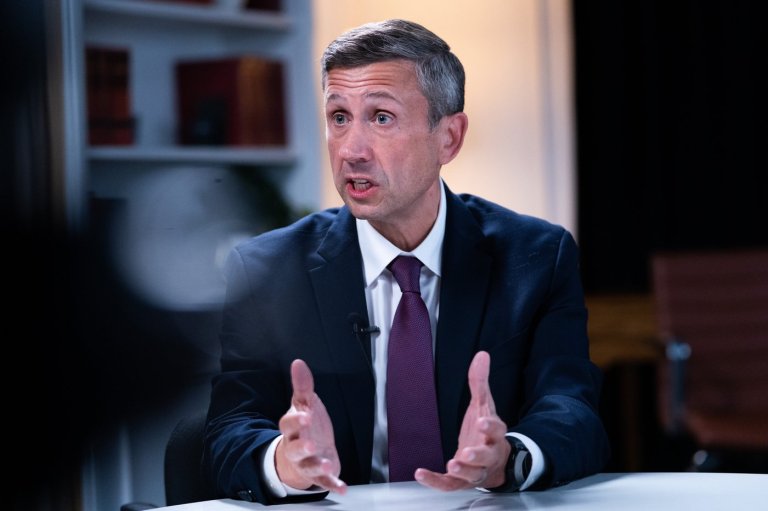
BEIRUT – The governor of Lebanon’s Central Bank sought to calm nerves on Monday amid a worsening economic and financial crisis, pledging to work on safeguarding the stability of the national currency and protecting bank deposits.
Riad Salameh told reporters at a packed press conference that the bank will keep defending the currency peg, stable since 1997. He said there won’t be any capital controls or a haircut on customer’s bank deposits.
As he spoke, dozens of protesters outside the bank on Beirut’s Hamra Street blocked the road, chanting “down with the rule of the banks!” as riot police looked on.
Already facing an economic crisis, Lebanon’s financial troubles worsened since nationwide economically driven mass protests erupted last month, paralyzing the country and keeping banks shuttered for two weeks. Depositors have rushed to withdraw their money since the banks reopened last week, with the country’s various lenders imposing varying capital controls that differ from bank to bank, fueling the turmoil.
Though it’s still pegged at 1,500 pounds to the dollar, the Lebanese pound is trading at up to 1,900 to the dollar on the black market, a devaluation of nearly 30% from the official rate.
“The Central Bank aims to protect the stability of the pound and we have the capability to do that,” Salameh said, acknowledging at the same time the difference in price in currency exchange shops, which he said was due to market demand.
He described it as a “phenomenon” that will go away when demand diminishes.
Salameh said Lebanon is a dollarized economy — and “if there are no dollars in the market, then we don’t have an economy.”
He said a mechanism has been put in place to protect deposits and keep banks afloat. He ruled out capital controls, saying the central bank does not have the legal authority to do that, but that banks should continue to do what makes sense in these “exceptional times” to manage liquidity.
News from © iNFOnews.ca, . All rights reserved.
This material may not be published, broadcast, rewritten or redistributed.

This site is protected by reCAPTCHA and the Google Privacy Policy and Terms of Service apply.
Want to share your thoughts, add context, or connect with others in your community?
You must be logged in to post a comment.