Elevate your local knowledge
Sign up for the iNFOnews newsletter today!
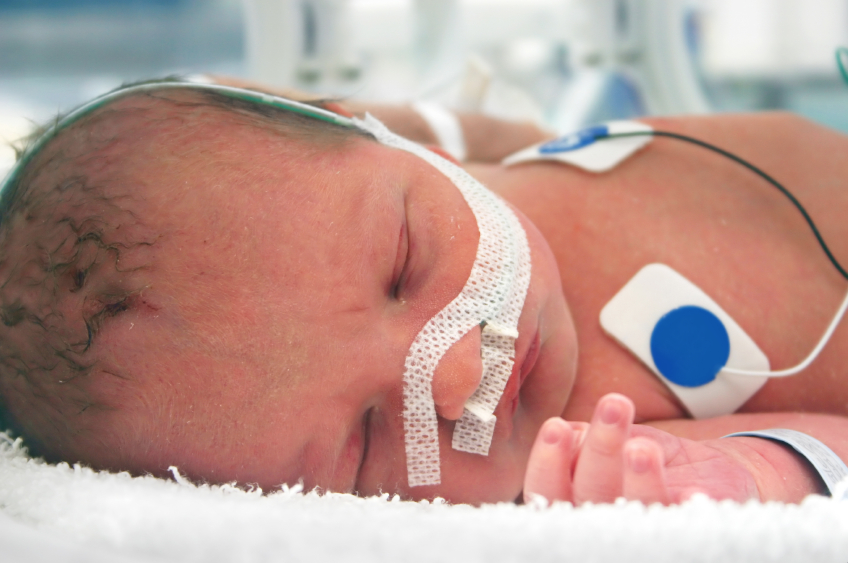
KELOWNA – New equipment at Kelowna General Hospital will allow premature and ill babies to be treated close to home.
The new Neonatal Cardiac Respiratory Monitor will be purchased with a recent $25,760 donation from the Rexall Foundation. The monitor gives doctors and medical staff a constant view of vital signs, heartbeat and breathing.
Some upgraded equipment is currently being used at KGH, but many babies are still airlifted to Vanvouver and Calgary for urgent medical care while their families must also make the trip to be close to the tiny patients. The donated money will go toward replacing old equipment and will be installed in the new Interior Heart and Surgical Centre currently being built on the campus of the Kelowna General Hospital.
Audra Britton, a new mother who gave birth to her son Cole on May 2, 2014, was able to take advantage of earlier upgrades in the Neonatal Intensive Care Unit at KGH.
“Cole was born six weeks premature with congenital heart disease and a serious heart defect. We were so worried and frightened. We thought we’d have to be airlifted to a hospital in Vancouver. But thanks to the amazing staff and improved neonatal services at KGH, my little boy was able to receive the treatment he needed right here in Kelowna.
"Being able to stay in town was a blessing because it meant we were close to our home and my husband could continue working and come see us after his day was done. I remember hearing radio advertisements about fundraisers for the NICU at KGH, but it wasn’t until this recent experience that I realized its importance. I will be forever grateful for the support and care we received at KGH and I will always be thankful for those who make donations to keep it going,” she said.
More equipment will be purchased over time as funding continues to come in. The project is expected to be complete in 2015.
News from © iNFOnews.ca, . All rights reserved.
This material may not be published, broadcast, rewritten or redistributed.

This site is protected by reCAPTCHA and the Google Privacy Policy and Terms of Service apply.
Want to share your thoughts, add context, or connect with others in your community?
You must be logged in to post a comment.














One response
This is great. I hope more hospitals get this equipment! My daughter Joy was born at 23 weeks in 2012. Due to modern medicine and prayers she is doing great today. I hemorrhaged at 17 weeks for the first of 4 times because of 100% placenta previa, which turned into placenta accreta (which I believe was caused by 3 prior c-sections). After she came home from 121 days in the NICU, I wrote a memoir called “From Hope To Joy” about my life-threatening pregnancy and my daughter’s 4 months in the NICU (with my 3 young sons at home), which is now available on both the Amazon and Barnes&Noble websites. It was quite a roller coaster that I am certain some of you have been on or are currently riding on. My mission is to provide hope to women struggling with high-risk pregnancies, encourage expectant mothers to educate themselves before electing cesarean deliveries, provide families of premature babies a realistic look at what lies ahead in their NICU journey, and show that miracles can happen, and hope can turn into joy. Please see my website http://www.micropreemie.net and http://www.facebook.com/jenniferdegl and watch our amazing video of my daughter’s miracle birth and life at: http://www.youtube.com/watch?v=V_hleySg-iU. Thank you.