Elevate your local knowledge
Sign up for the iNFOnews newsletter today!
MADISON, Wis. (AP) — The National Science Foundation has given a consortium of Great Lakes-area universities and tech companies $15 million to develop ways to extract harmful substances from wastewater.
The foundation announced Monday that it has named the Great Lakes ReNEW group as one of 10 regional innovation engines across the country. Each will receive $15 million, with a chance to earn $160 million over the next decade if they can show progress.
The CHIPS and Science Act of 2022 authorized the foundation to create the engines. Other engines include groups working on innovations in agriculture, textiles, aerospace, medicine and energy storage.

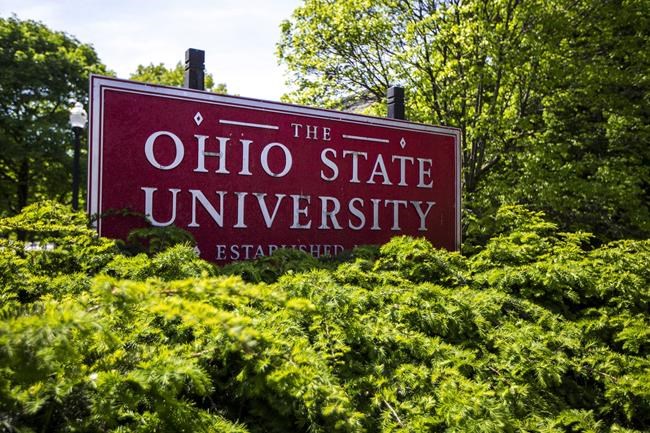
Great Lakes ReNEW includes the University of Michigan, Ohio State University, the University of Wisconsin-Milwaukee, as well as a number of environmental, tech and energy companies from throughout the Great Lakes states.
The group is working to find ways to remove toxic minerals and chemicals such as lithium and PFAS compounds, which are man-made chemicals that don’t easily break down in nature, from wastewater.
News from © iNFOnews.ca, . All rights reserved.
This material may not be published, broadcast, rewritten or redistributed.

This site is protected by reCAPTCHA and the Google Privacy Policy and Terms of Service apply.
Want to share your thoughts, add context, or connect with others in your community?
You must be logged in to post a comment.