Elevate your local knowledge
Sign up for the iNFOnews newsletter today!
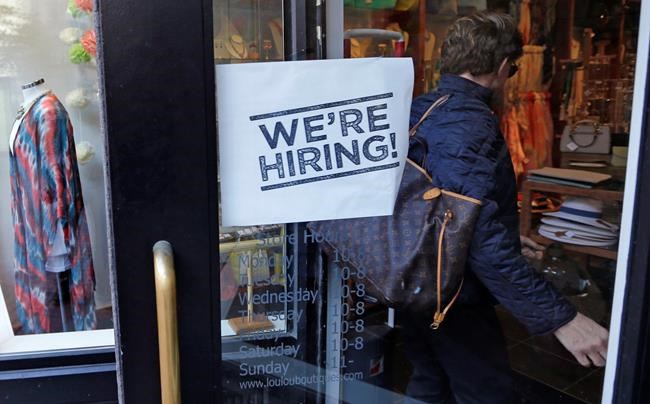
WASHINGTON – American employers advertised a record number of open jobs in July, a sign hiring may stay healthy despite a slowdown last month.
Job openings jumped 4 per cent to 5.87 million, the Labor Department said Wednesday, slightly above the previous peak reached in April. The data dates back to December 2000.
The report muddies the employment outlook for the Federal Reserve, which meets in two weeks to consider whether to raise short-term interest rates for the first time this year. The big increase in open jobs suggests hiring will pick up in the coming months.
But that message runs counter to the government’s jobs report Friday, which showed that employers pulled back on hiring in August. They added 151,000 jobs last month, about half the total of the previous two months. The unemployment rate stayed a relatively low 4.9 per cent for the third straight month.
Economists and investors don’t think the Fed is likely to raise rates at its Sept. 20-21 meeting. But if Fed officials believe the economy is accelerating and will push up wages and prices, an increase in December is more likely.
Last Friday’s sluggish jobs report moved the Fed in a more cautious direction. Traders now see about a 46 per cent chance that the Fed will raise rates by its December meeting, down from over 50 per cent last week, before the employment report was released.
Wednesday’s report, known as the Job Openings and Labor Turnover survey, or JOLTS, provides a more detailed reading of the job market than the Friday employment numbers.
The JOLTS shows that total hiring rose 1 per cent in July to 5.22 million, a solid pace but down slightly from a year ago. That hiring figure is a gross total. Friday’s jobs report calculates a net total of gains after subtracting those who quit, retired or were laid off.
The disparity between the 4 per cent jump in open jobs, and just a 1 per cent increase in hiring, suggests that many employers are struggling to find enough qualified workers to fill their positions. An increasing proportion of jobs require additional education beyond a high school degree.
At the same time, a rising number of open jobs, with a low unemployment rate of 4.9 per cent, could force employers to increase pay to attract more applicants. Faster wage gains would quicken growth, which has been tepid in the past year.
News from © The Associated Press, . All rights reserved.
This material may not be published, broadcast, rewritten or redistributed.

This site is protected by reCAPTCHA and the Google Privacy Policy and Terms of Service apply.
Want to share your thoughts, add context, or connect with others in your community?
You must be logged in to post a comment.