Elevate your local knowledge
Sign up for the iNFOnews newsletter today!
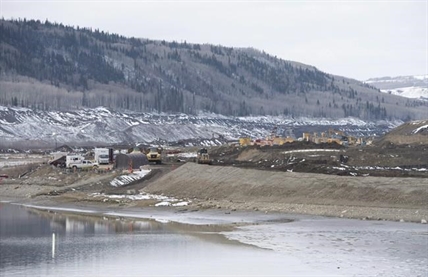
A United Nations committee has warned Canada that continued construction of the Site C hydro dam in northeastern British Columbia may violate international agreements.
The UN's Committee on the Elimination of Racial Discrimination says Canada may have already violated an agreement it signed 50 years ago. That agreement commits Canada to prevent development on Indigenous land without adequate consultation.
Canada has also promised to block destructive development, allow Indigenous people to conduct their own impact studies and stop forcing First Nations to go to court.
"The committee is concerned about the alleged lack of measures taken to ensure the right to consultation and free, prior and informed consent with regard to the Site C dam," reads a Dec. 14 letter addressed to Rosemary McCarney, Canada's ambassador to the UN.
"(Site C) would infringe Indigenous Peoples’ rights protected under the International Convention on the Elimination of All Forms of Racial Discrimination."
Critics have long complained the dam will add to the impacts from the larger Bennett Dam on the Peace River watershed. Scientists suspect that dam has played a significant role in the long-term drying out of that watershed. First Nations in Alberta say that has cut off their access to much of their traditional territory and altered wildlife and hunting patterns.
Site C is currently subject to two civil lawsuits from First Nations.
B.C. Hydro says the dam is crucial to the province's energy future and will have minimal environmental impact.
The committee has asked the Canadian government to reply by April 8.
A government spokesman was not immediately available for comment.
It's the second time the U.S. has warned Canada over environmental issues.
A federal report into Wood Buffalo National Park done in response to UNESCO concerns found that almost every aspect of the park on the Alberta-Northwest Territories boundary is deteriorating — although some scientists say climate change is more to blame than dams or energy development.
Together with Alberta, British Columbia, the Northwest Territories and First Nations, Ottawa is developing plans to address issues raised in the report.
News from © iNFOnews.ca, . All rights reserved.
This material may not be published, broadcast, rewritten or redistributed.

This site is protected by reCAPTCHA and the Google Privacy Policy and Terms of Service apply.
Want to share your thoughts, add context, or connect with others in your community?
You must be logged in to post a comment.