Elevate your local knowledge
Sign up for the iNFOnews newsletter today!

Some seniors in the Thompson-Okanagan region are aging at home in unsafe conditions due to a shortage of publicly funded, long-term care beds, and the problem is expected to only get worse.
“The government isn’t planning for the gigantic senior population increase we’re about to have, we’re going to get into this crisis mode worse than it is now,” said Kelowna resident Alicia Cardiff.
Cardiff has worked in the long-term care industry in the Okanagan for more than two decades and recently started a business, Age Wise Okanagan, to help people safely age at home or transition to care facilities.
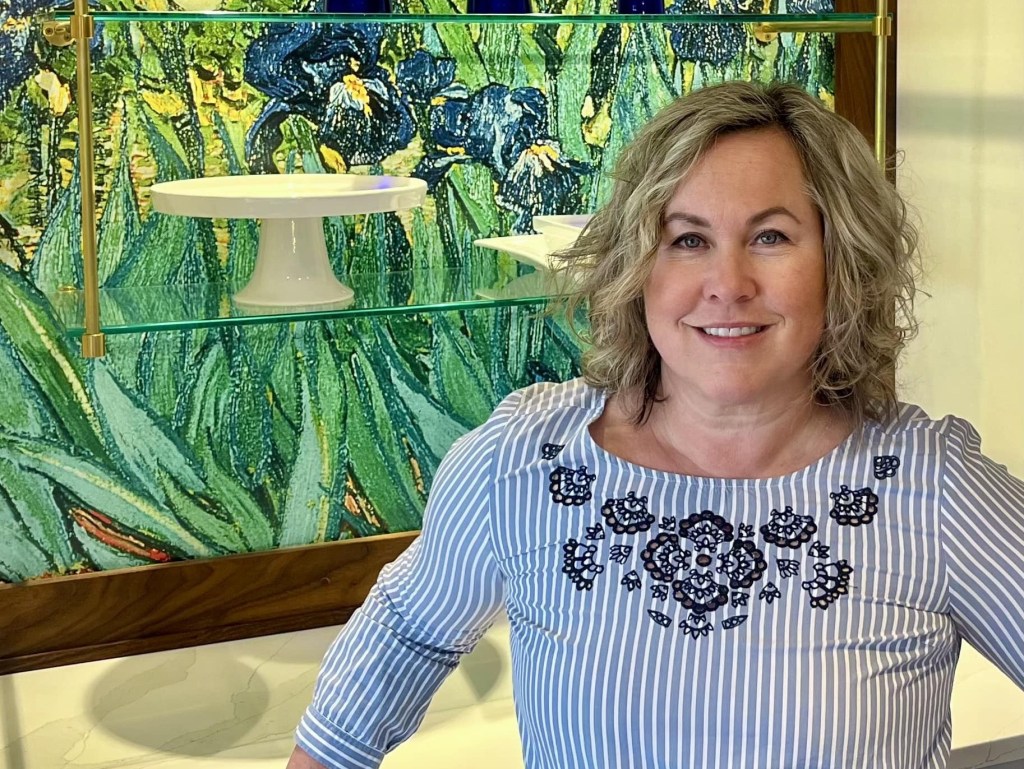
She’s currently completing her masters of science in aging and health at Queen’s University in Kingston, Ont.
She said along with a shortage of long-term care beds, there are gaps in adequate care for those aging at home, making it difficult for families and caregivers to navigate the system and keep senior loved ones safe.
“We want people to age at home but most cannot and it’s unsafe,” she said. “Maybe there are stairs or fall hazards or stoves that they’ll leave on. There are situations where people can’t care for themselves anymore and can’t afford to have private care.”
There are more than 7,000 people waitlisted for long-term care beds in the province. Some of Cardiff’s senior clients are living alone, aging at home with no family around for support.
“I’m concerned for them but they’re not considered high need for placements or even assessments so it gets really tricky being in the middle position,” she said. “I have to do more advocacy to push for people to get assessed and placed.”
Kamloops resident Heidi Cassell is caring for her senior mom who has mobility issues and a hoarding problem that developed late in life. Her mom was on a wait list for a subsidized bed for a year while living in unsafe conditions.
“She uses a walker and was having falls,” Cassell said. “I’d been telling social workers and care aides of the dangerous situation but mom wasn’t prioritized for a long-term care bed.
“A nurse did come to the house and saw the conditions and said there were definite concerns, but no one reached out to me past that point. I was told because she was not cognitively struggling, she wasn’t a priority.”
It wasn’t until Cassell’s mother had a stroke and ended up in hospital that she was prioritized for a long-term care bed.
“Medical staff discovered my mom needed surgery on her hip,” Cassell said. “Once she was in hospital I explained she could no longer return home for safety reasons. I made it abundantly clear she cannot go back home.”
Cardiff said taking aging loved ones to the emergency ward and refusing to take them home due to safety issues is not an uncommon tactic to get them assessed and placed, however it could be costly.
According to Interior Health, those staying in hospital awaiting long-term care may be billed for a daily ward rate after a 30-day grace period, which continues until the transfer.

“Unfortunately, it gets tricky where people end up stuck waiting a long time in the hospital,” Cardiff said. “If you don’t take the first available bed offered, they’ll charge you more, so you have to take the first bed that comes your way.
“That’s challenging if someone gets a bed in a different community from their loved ones, it’s quite a complex situation.”
Getting a privately funded bed is quicker, but Cardiff said many seniors can’t afford one.
“You’re looking at $10,000 per month and most seniors I support live on $2,000 per month, so it isn’t a reality and turns into waiting in the hospital for a bed,” she said.
Cassell’s mom is still in the hospital in a temporary accommodation called Short Stay, recovering for the next few months until she will be placed in a long-term care facility. The stay comes with a cost, but she isn’t clear how much.
“Medical staff has been good about being on top of her medical needs, I have no complaints about that, but no one helped me in regard to what we are doing with mom when she wasn’t safe at home,” she said. “We need staff that have time to talk to you, that have actual physical time to sit down and hear your concerns and see what can be done to help.”
Community support workers with the Interior Health Authority stop at homes to check on senior clients and assist with personal care to help promote independence so they can live at home longer.
“Workers go in for ten or fifteen minutes and sometimes clients refuse service so they’ll check that off and go,” Cardiff said. “Sometimes they’re there to do a dressing change or help them get dressed.
“Most people I help have a challenge getting through to case managers because they’re so stretched getting through their list of cliental.”
The number of people waiting for admission to long-term care went from 2,381 to 7,212 in the past decade. In the past eight years, the average wait time went from 146 days to 290, according to a report released last year by the Office of the Senior’s Advocate of BC.
“Our province is at the beginning of a massive increase in the seniors’ population and we are not ready to help people age with the care, supports and services they need to stay safe and healthy,” BC Seniors Advocate Dan Levitt said in a media release.
“We need to plan and invest in more publicly subsidized long-term care beds and assisted living units, home support services, respite for caregivers and increase rigour and transparency in the waiting and placement processes to better support families.”
Either more care facilities need to be built to meet the demand or more supports need to be provided for those aging at home, Cardiff said.
“I’d love to see a future where we have subsidy to stay at home as long as possible so instead of the government paying for long-term care, they pay you to hire a private care aid to get the help you need,” she said.
“We had decades to plan for the boomers. We need funding put into prevention as the numbers are showing we are heading into a crisis.”
News from © iNFOnews.ca, . All rights reserved.
This material may not be published, broadcast, rewritten or redistributed.

This site is protected by reCAPTCHA and the Google Privacy Policy and Terms of Service apply.
Want to share your thoughts, add context, or connect with others in your community?
You must be logged in to post a comment.















One response
There is no excusable reason for this to be happening. Lets consider it government failure at all levels. Society has known for decades that the geriatric boom was coming in all sectors of life. Most importantly in the areas of health care and safe living accommodations. In recent years the government has talked glowingly about aging in place. Many could do this as long as they have care supports in the home……care aide on site with them during bathing, a care aide to transport them to Dr. appointments and possibly attend the appointment with them, regular in home visits from a geriatric social worker (assess safety and security issues, nutrition, isolation). These need to be at the least, partially funded. Much of this type of essential care is not financially accessible to many seniors. Beyond that there is the obvious lack of geriatric residential care. The care issues that are being experienced right now are just a small tip of the iceberg. If they start building partially funded facilities today, it will address a portion of the care flood that is coming. Building care facilities for aging seniors is an investment in the future as those built units can be repurposed to serve other needs. To wait another ten years is too late.